


Ongoing geopolitical tensions in the Middle East and shipping risks associated with the Strait of Hormuz could generate additional revenue opportunities for oil-exporting nations Azerbaijan and Kazakhstan, APA-Economics reports.
This was stated in a report by the international rating agency "Moody’s."
The agency highlighted energy prices as a primary channel of impact for regional economies. Rising oil prices enhance export revenues for energy producers like Azerbaijan and Kazakhstan, strengthening public finances and supporting national economic development initiatives.
Moody’s noted that increased revenues and enhanced liquidity for oil and gas sector companies also deliver a positive boost to broader economic activity.
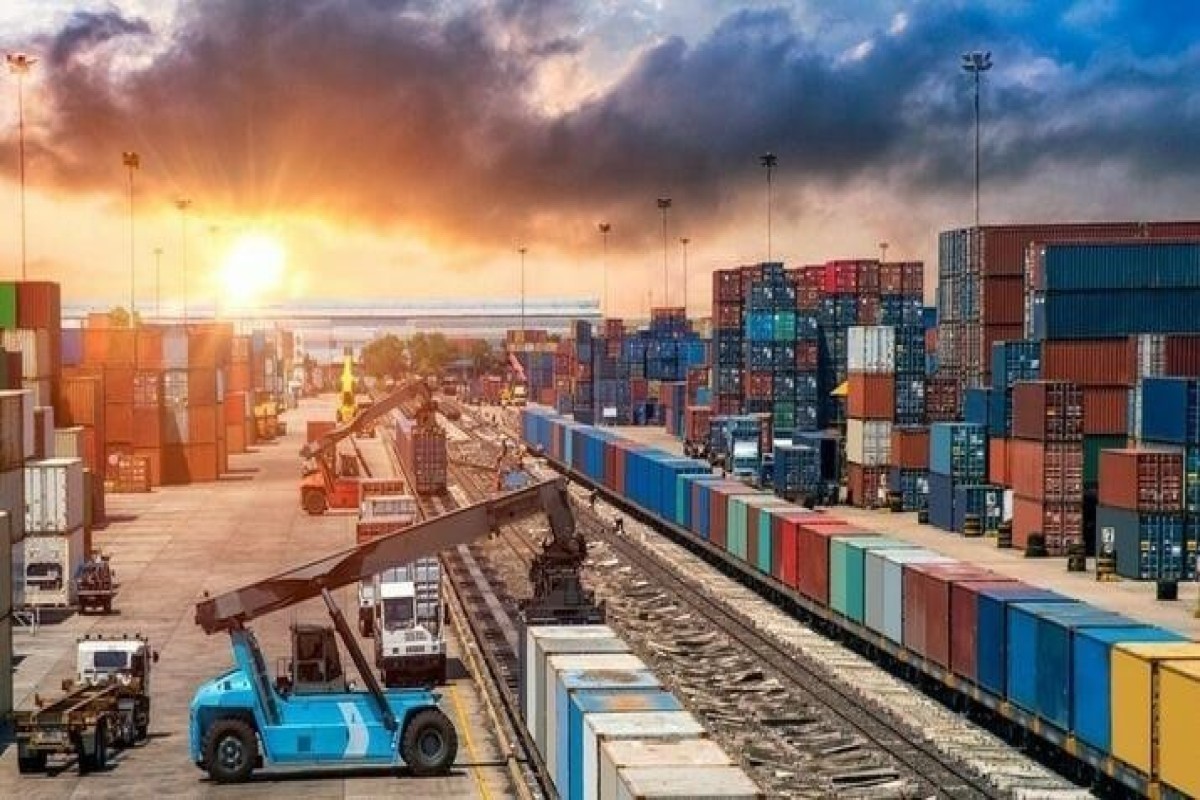
Additionally, the rating agency highlighted that shipping risks in the Strait of Hormuz elevate the importance of alternative energy and trade routes. In this context, the Middle Corridor passing through the Caspian region and the South Caucasus gains greater relevance.
According to the report, the Trans-Caspian International Transport Route—stretching across China, Kazakhstan, the Caspian Sea, Azerbaijan, Georgia, Türkiye, and Europe—stands to benefit directly from the redirection of global trade flows.
Moody’s expects the expansion of the Middle Corridor to strengthen the transit and logistics capacities of Azerbaijan and Kazakhstan while opening new growth perspectives for railway and transport operators in the region.
However, the agency emphasized that unlocking the corridor's full potential will require significant investment. Major risks include Caspian Sea transit capacity constraints, infrastructure bottlenecks, project implementation delays, and potential increases in debt burdens.
Moody’s also observed that Central Asian and Caucasus countries may face indirect geopolitical impacts primarily through inflation. Elevated prices for energy and other commodities could delay monetary policy easing, keeping interest rates and borrowing costs elevated.


 Follow us on Telegram
 t.me/apanewsaz
 Follow us on Instagram
 Follow us on TikTok
 Follow us on Facebook
 Follow us on X