

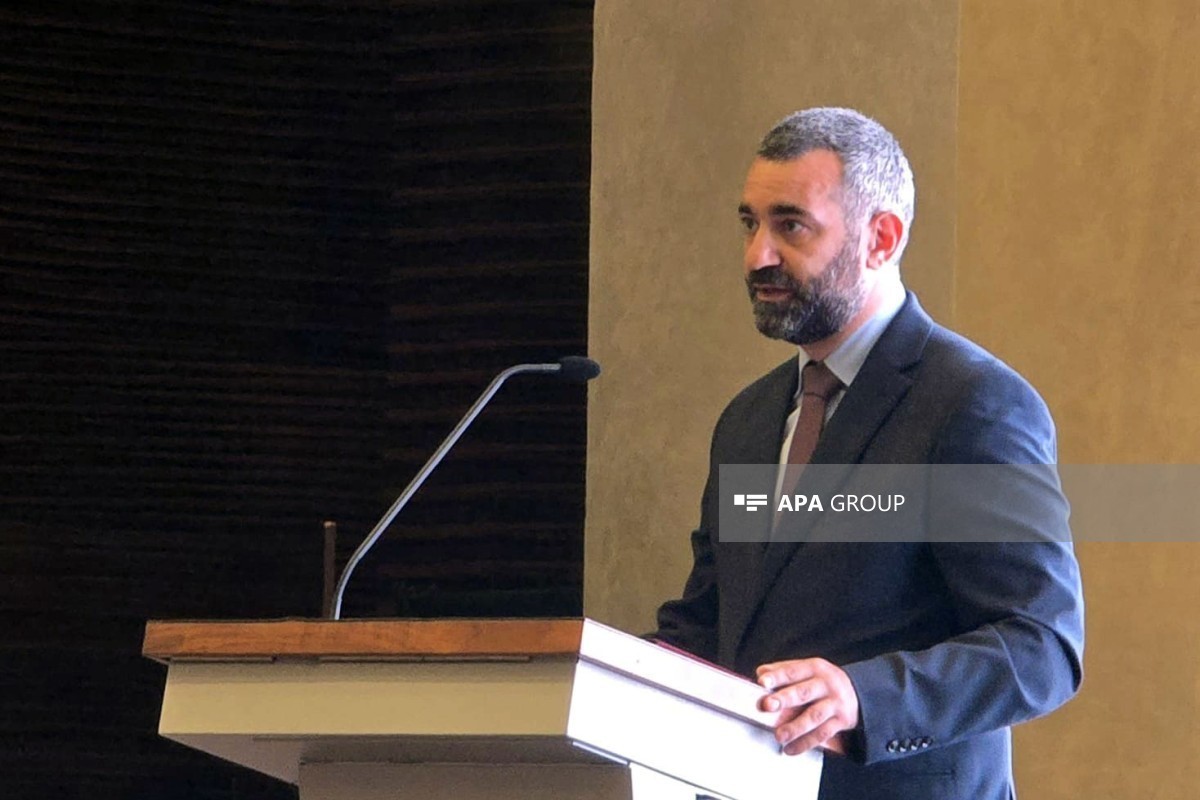

Economic growth in Azerbaijan is expected to reach 2% in 2026, Wael Mansour, the World Bank's Lead Economist for the South Caucasus, said during the presentation of the "Azerbaijan Country Economic Memorandum – Spring 2026" report in Baku, APA-Economics reports.
According to him, economic growth in 2026 will accelerate due to stabilization in the oil sector and the gradual recovery of non-oil consumption.
Wael Mansour stated that the World Bank forecasts average annual inflation of 5.8% in 2026. This is mainly due to the impact of global energy and transportation costs. Nevertheless, inflation is expected to decline again to around 4% in 2027 and 2028.
He noted that economic growth is projected to average 1.8% in 2027 and 2028. According to the World Bank, medium-term fiscal consolidation will have a certain impact on domestic demand.
The chief economist stressed that the government will continue its prudent macroeconomic policy. Although oil prices are expected to temporarily increase the budget and external sector surpluses in 2026, the medium-term fiscal framework is aimed at preserving the sustainability of public finances.
According to him, the government's goal is to increase the share of non-oil revenues in total budget revenues to 61% by 2029. The World Bank believes that this approach will strengthen market confidence, improve the risk environment, and create more favorable conditions for lending and foreign direct investment.
Wael Mansour added that rising geopolitical tensions and potential disruptions in global trade remain the main downside risks to Azerbaijan's economy. At the same time, the expansion of regional transport connectivity and stronger prospects for sustainable peace create new opportunities for the country. In his view, taking advantage of these opportunities will require new sources of economic growth, and the tourism and services sectors could become among the main driving forces in this regard.


 Follow us on Telegram
 t.me/apanewsaz
 Follow us on Instagram
 Follow us on TikTok
 Follow us on Facebook
 Follow us on X