

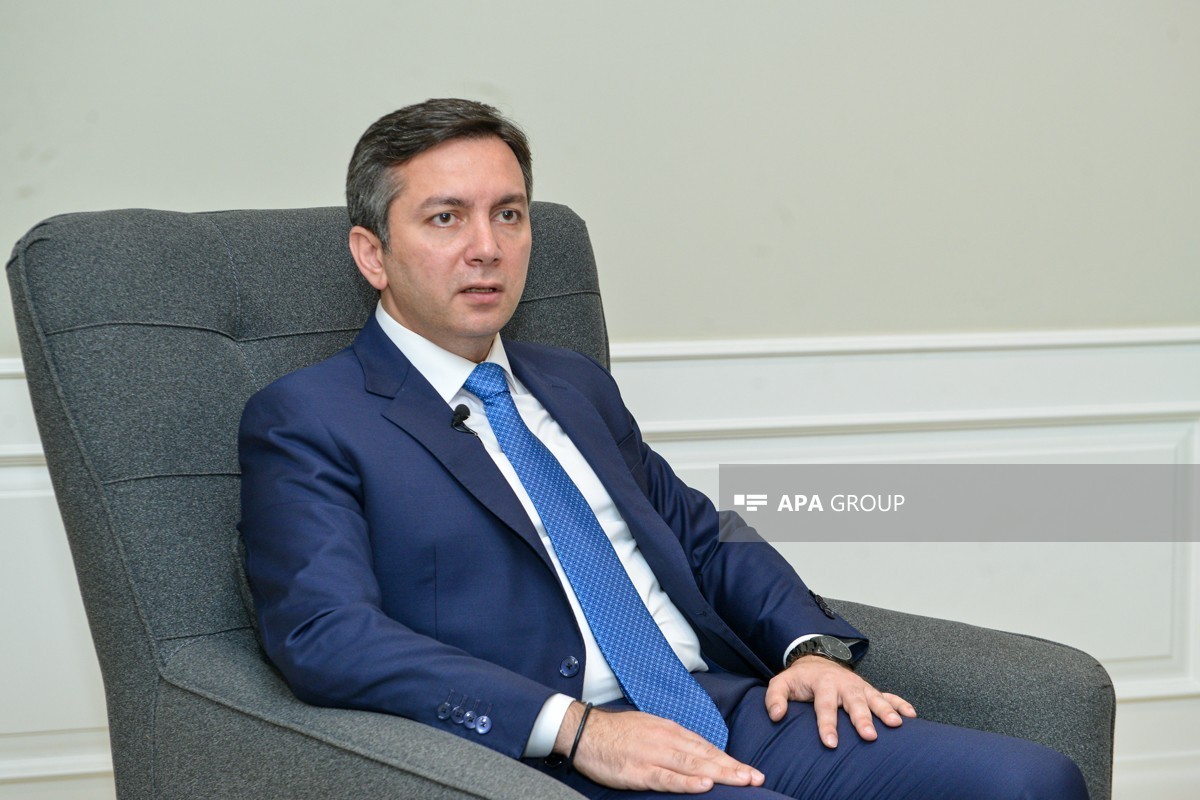


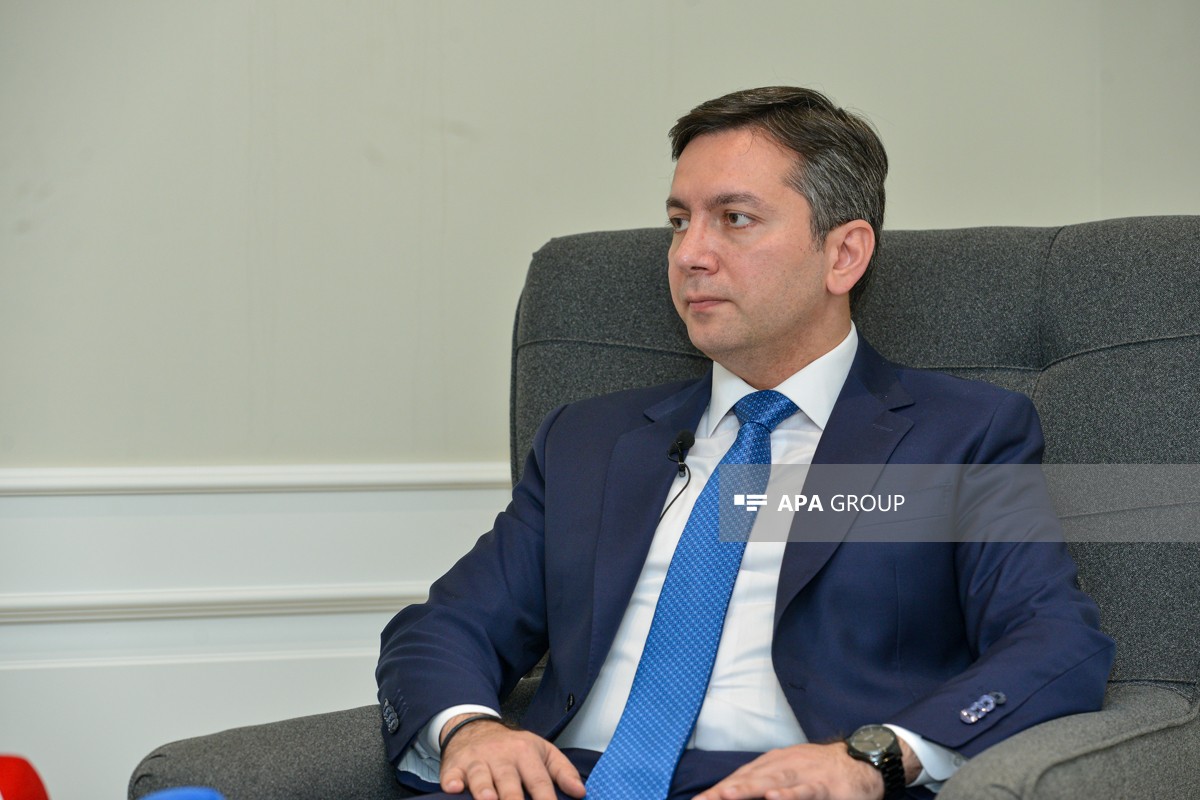
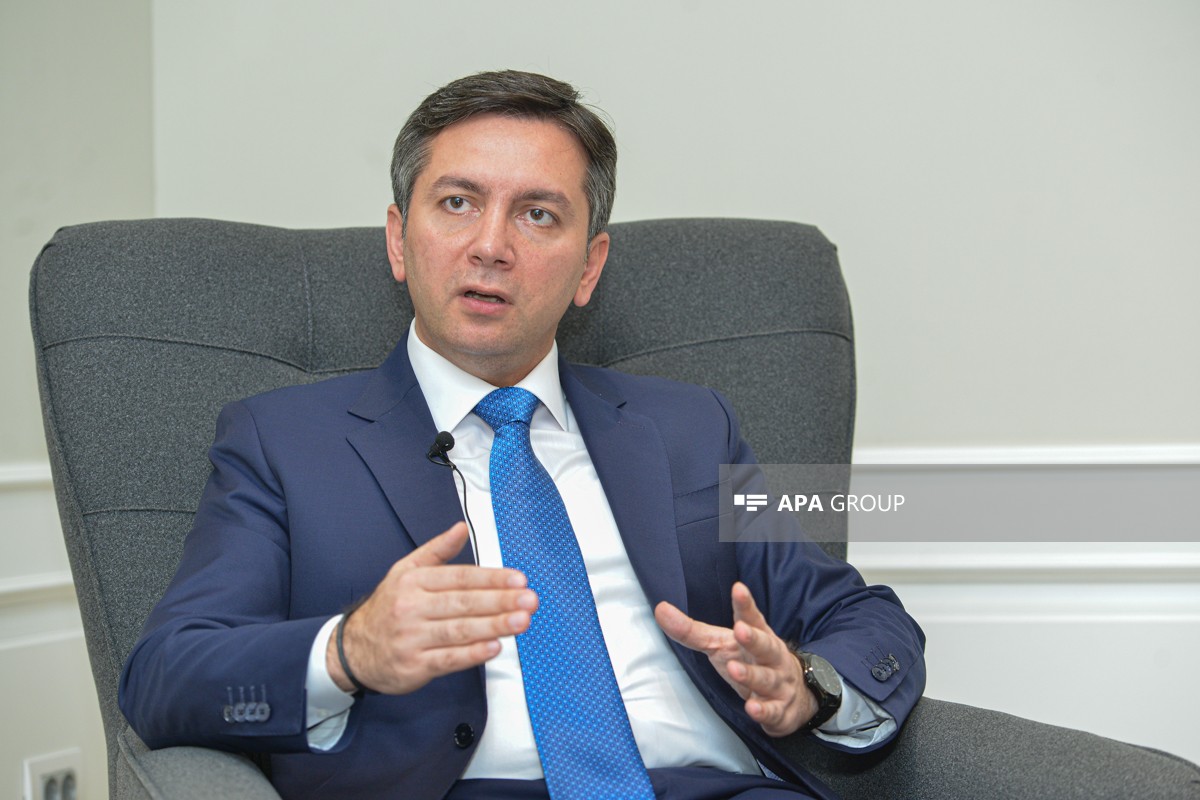
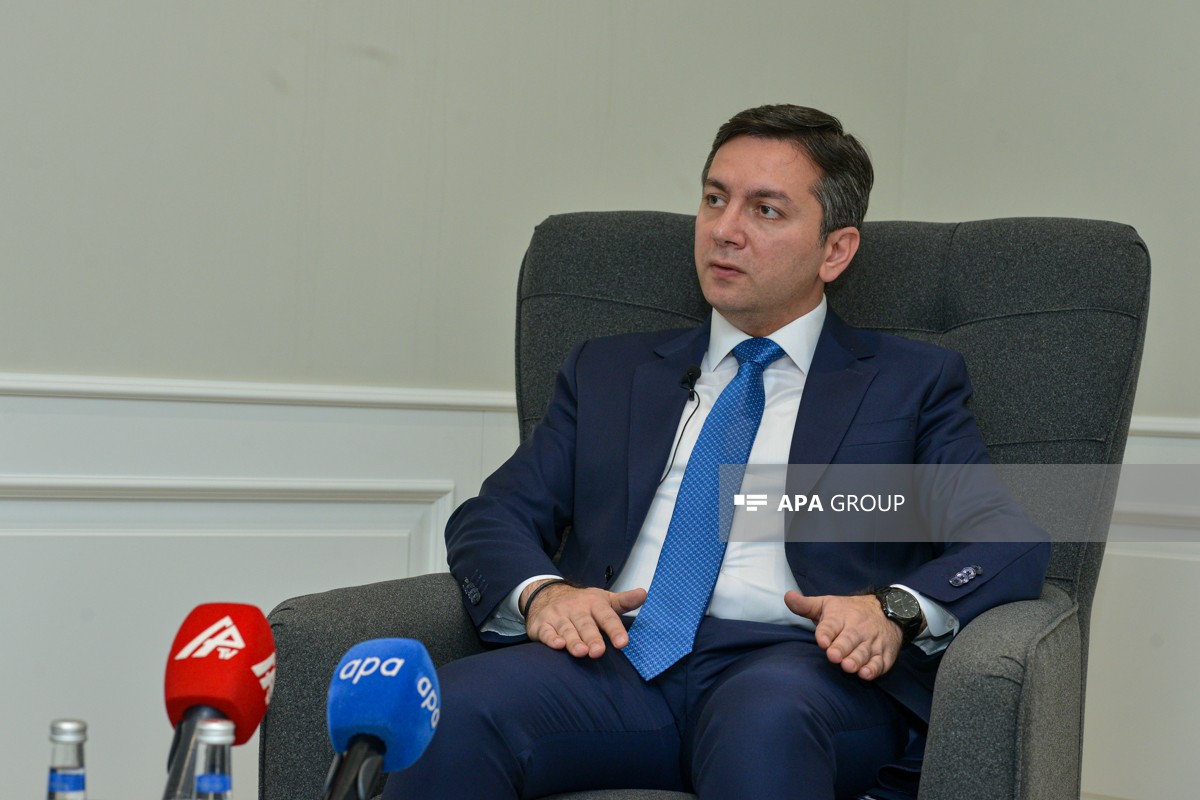
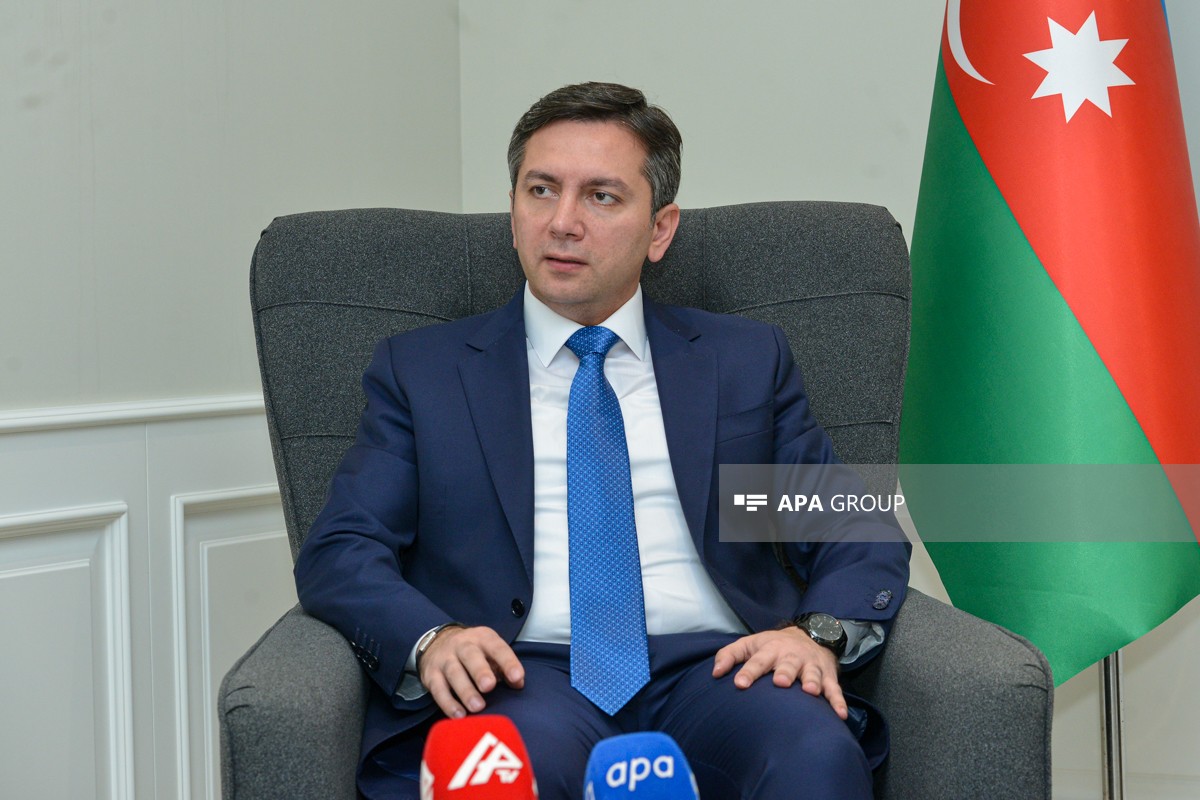
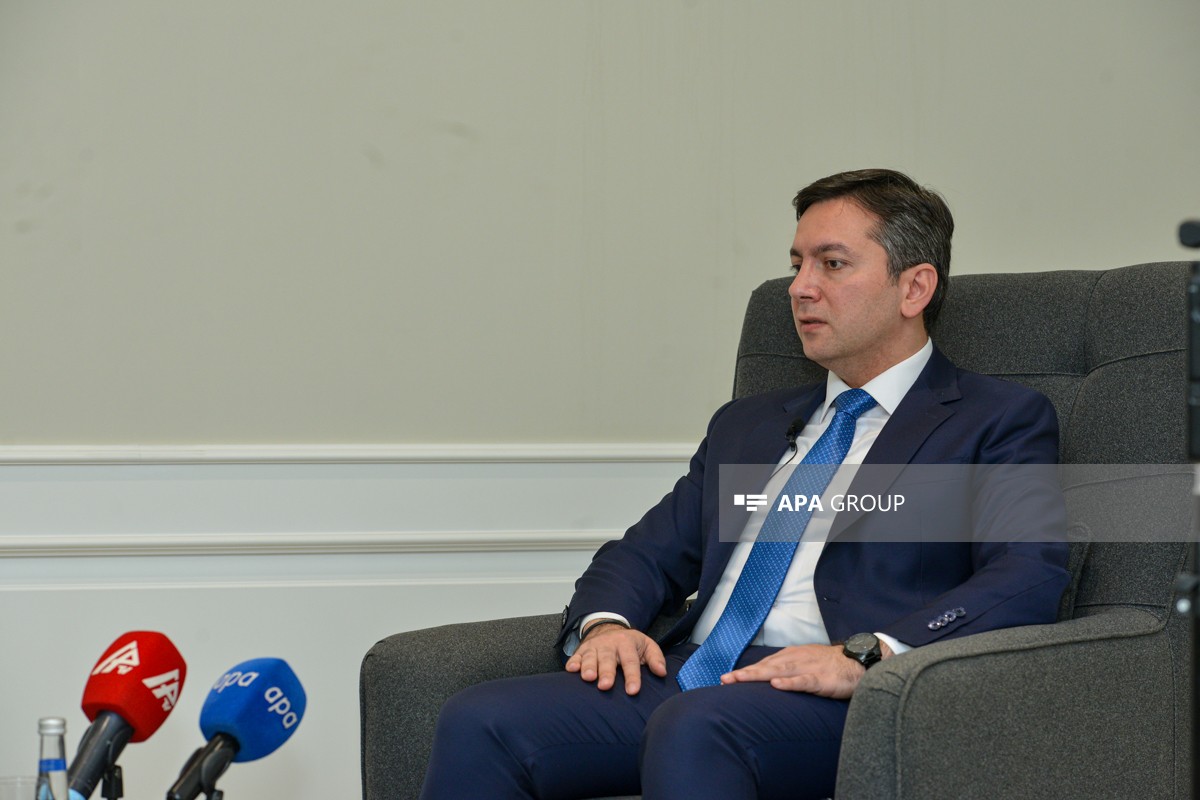
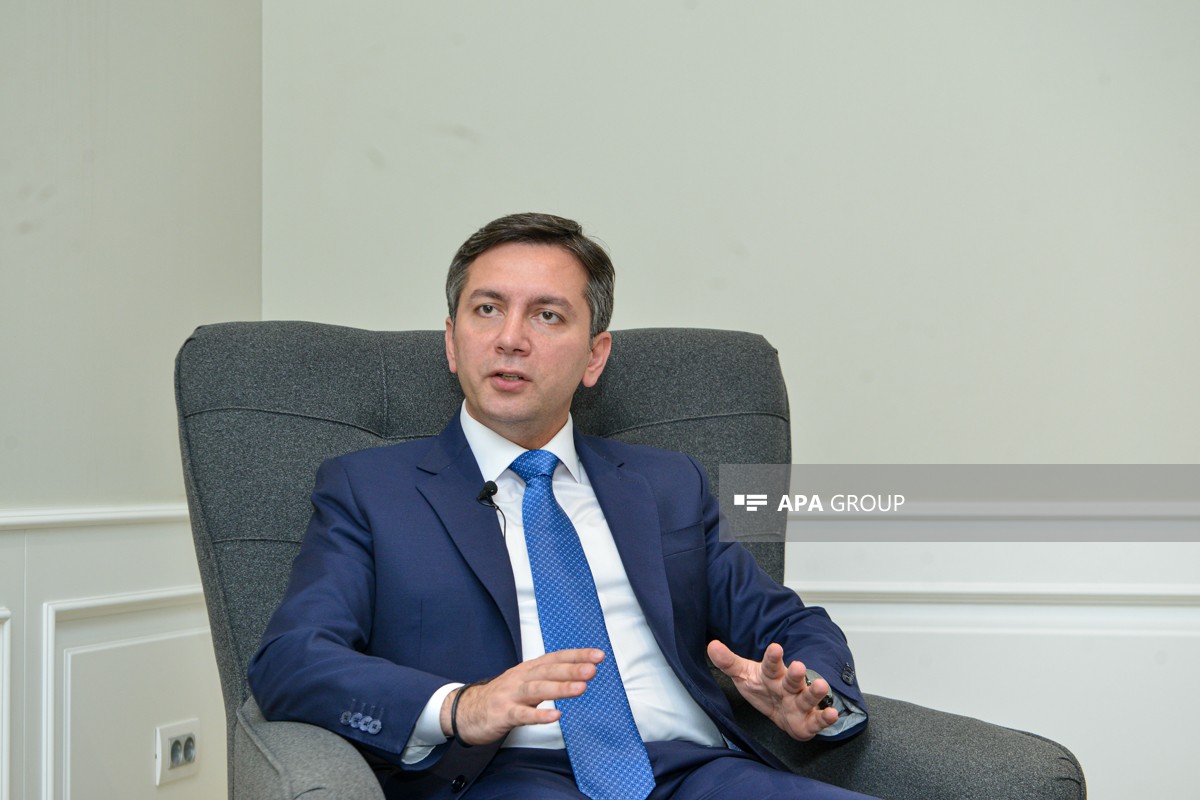
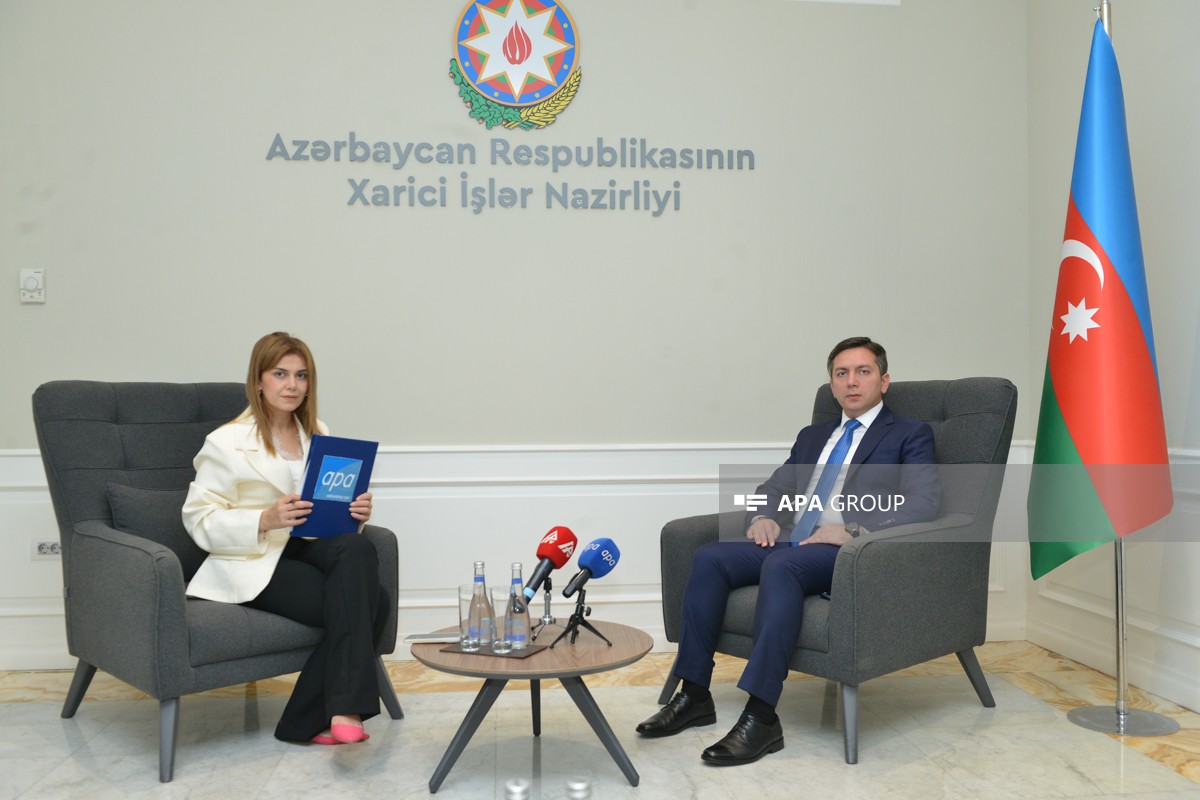
APA conducted an exclusive interview with Azerbaijani Deputy Foreign Minister Yalchin Rafiyev.
- Azerbaijan continues to remain active in international climate diplomacy even after completing its COP29 Presidency. In your opinion, how has Azerbaijan's role on the global climate agenda changed today?
- Many states consider their mission completed after hosting a COP and limit their role in climate diplomacy to that. However, Azerbaijan, as a state that pays special attention to international relations in general and is committed to multilateralism, did not consider its activities completed merely by organizing COP29, and we continue our active engagement afterward as well. Apart from the fact that many decisions adopted at COP29 will remain as a lasting legacy, we have also created institutional legacies. For example, the Shamakhi Meeting allows us to continue remaining an active state in global climate diplomacy. In other words, as a specific answer to your question, Azerbaijan's role can be characterized as a transformation from a host country into one of the leading states in the field of climate diplomacy.
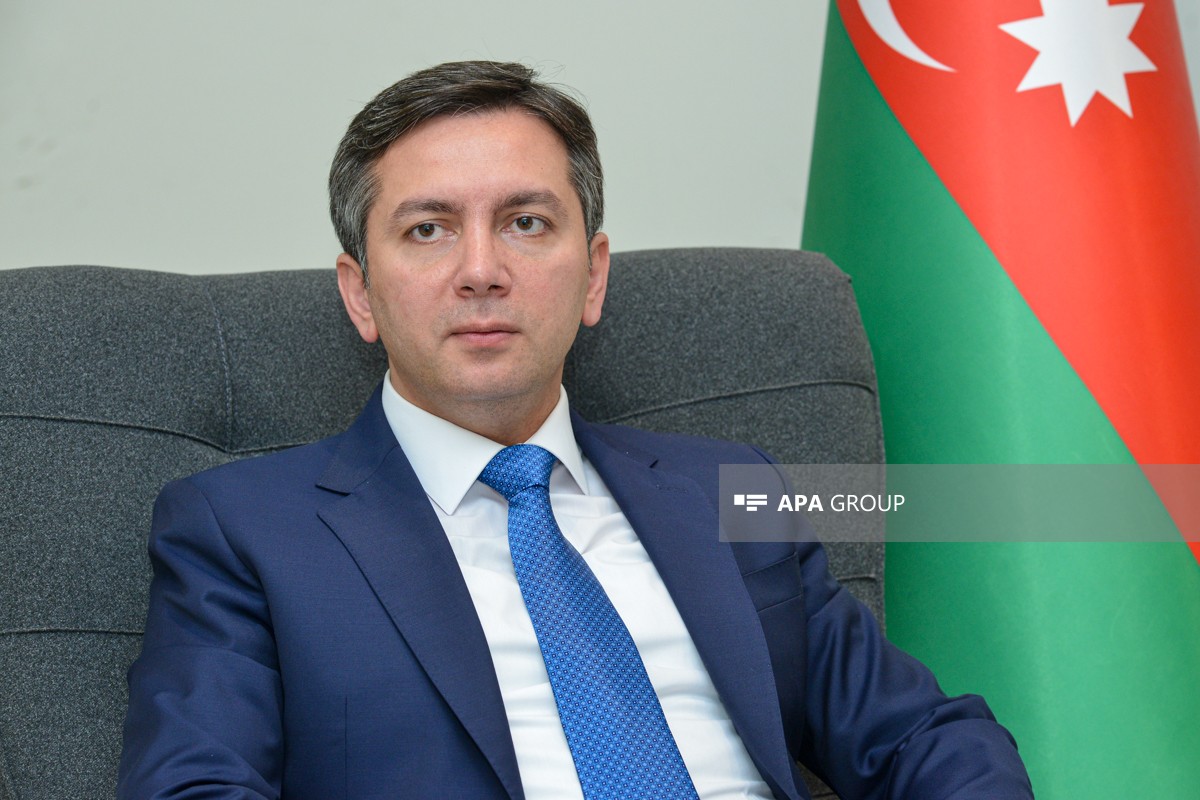
- Mr. Rafiyev, climate-related problems are observed not only in Azerbaijan but also in the South Caucasus countries. How active are the South Caucasus countries in the COP process?
- If we take the Central Asia and South Caucasus regions as a whole, COP was held in the region for the first time in Azerbaijan. This is significant in several respects. First, before COP29, no country in the region stood out for its active participation in the COP processes. However, the region has quite a number of climate and environmental problems: the declining level of the Caspian Sea, water-related issues, drought, and others. These problems are already becoming clearly visible. They make active participation in global climate action essential. Azerbaijan was the first to stand out by hosting COP29 and demonstrating particular activity in this regard. At the same time, in the South Caucasus, there are signs that Armenia is trying to follow Azerbaijan's example. After Azerbaijan hosted COP, Armenia submitted its candidacy to host the COP on biodiversity, and that event will be held in Armenia in October. However, what distinguishes Azerbaijan from the other countries in the region is that both the Global South, meaning developing countries, and developed countries have an equal level of trust in Azerbaijan, and Azerbaijan's ability to serve as a bridge between them. This is not merely an indicator limited to hosting one event and demonstrating activity through it. It is, in general, an indication of Azerbaijani diplomacy and of the trust in our country, in line with the foreign policy course determined under the leadership of our head of state.
- Important decisions were adopted at COP29. However, adopting decisions is one thing, implementing them is another. Overall, are you satisfied with the implementation of the decisions adopted within the COP framework? Are there any problems in implementing the decisions adopted at COP29, and what are the main reasons for these problems? How are countries fulfilling their commitments?
- As you know, one of the most important decisions adopted at Baku COP29 was the Baku Climate Finance Goal, which envisaged the provision of $300 billion annually in climate finance. This was a significant achievement at the time. However, implementing this decision is even more important. The processes we are observing regarding implementation show that changes in the geopolitical landscape, the increase in military security spending by some states, and the redirection of budget expenditures intended for climate-related purposes toward national security and defense mean that, for now, there is no optimistic picture regarding the achievement of this goal. When we speak of states that are not fulfilling their commitments, we mean the developed countries that, under the Paris Agreement, are expected to provide this funding. The budgetary changes taking place in those countries and the redirection of funds originally intended for climate-related purposes toward defense and security expenditures currently make it difficult to give an optimistic forecast in this regard.
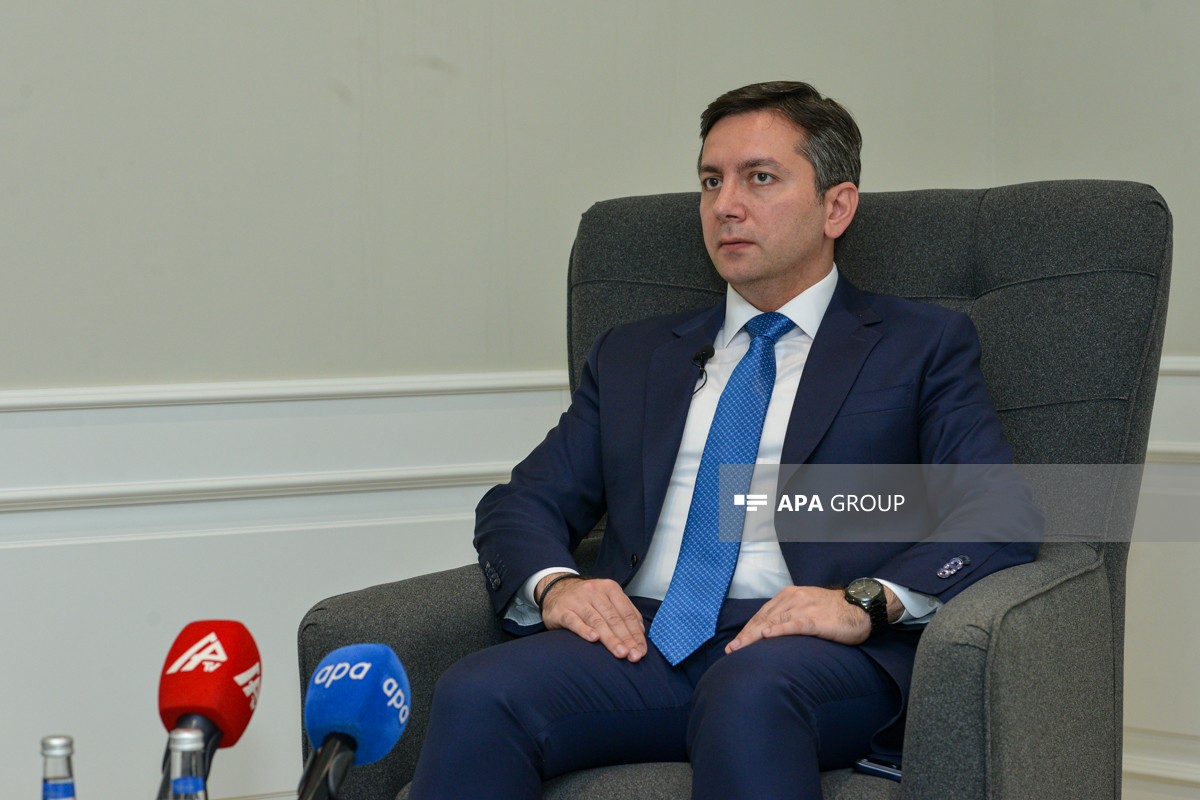
- How much funding has been secured so far?
- We will be able to see that in the report to be published toward the end of this year. For now, there is no reliable source that we can refer to on this matter. This is reflected in the reports of the Organisation for Economic Co-operation and Development, and we are expecting that report to be published at the end of the year.
- The "Shamakhi Meeting," now being held for the third time, has become one of the most prestigious informal platforms for climate diplomacy. What are this initiative's main contributions to the COP process?
- COP is held in a different country every year, and the process begins at the start of the year. Every year, from February onward, many events are held in different countries in preparation for that year's COP. These are standard events included in the established calendar. Within the COP process, the main preparatory events traditionally begin in February with the Japan-Brazil Climate Dialogue held in Tokyo. This is followed by the Petersberg Climate Dialogue in Berlin in March-April, and the Copenhagen Climate Ministers' Meeting in May. In June, the session of the subsidiary bodies is held in Bonn. We have now succeeded in including Shamakhi in the COP calendar in July. The Shamakhi Meeting is being held for the third time this year, and Ethiopia, which will host COP next year, asked us this year to organize the Shamakhi Meeting again next year. This already means that Shamakhi will have secured its place in the traditional COP calendar in July.
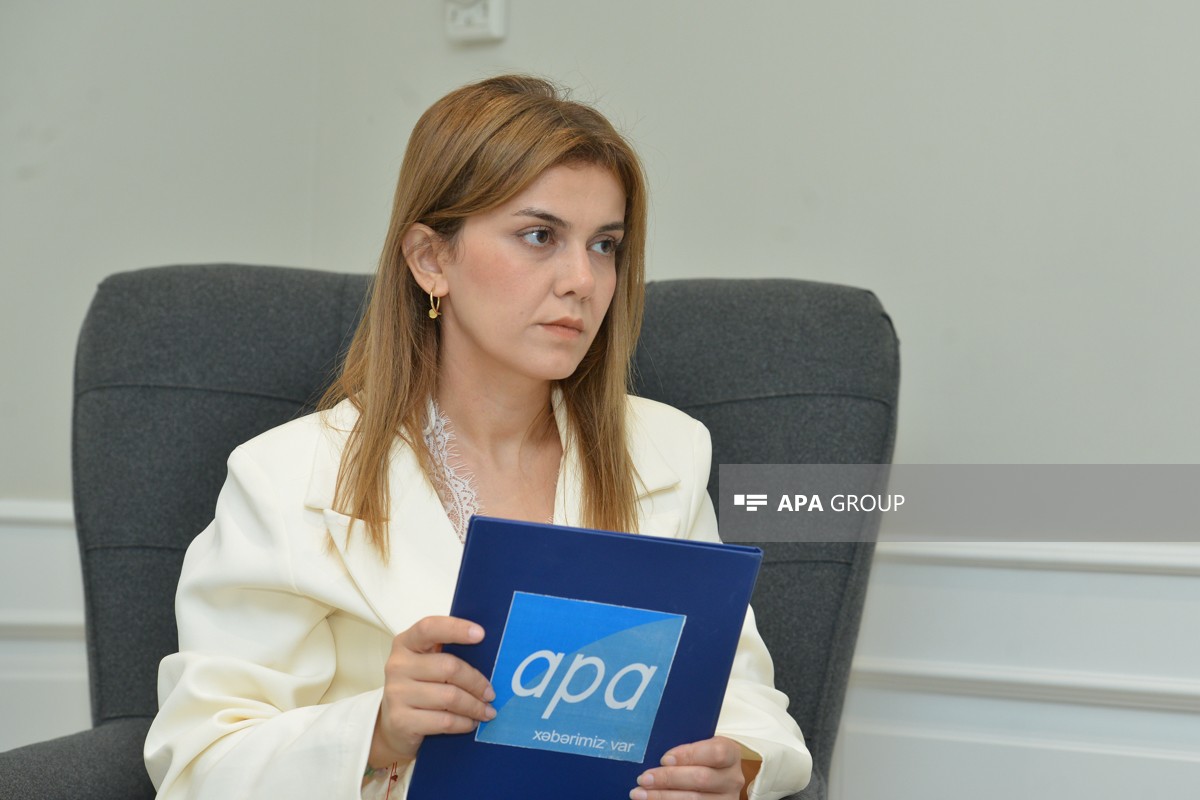
- Why is this important?
- The meeting held in Shamakhi is a unique format. Each of the other events I mentioned is an official event, and countries deliver their official statements there, often repeating the same positions. As a result, the outcome is not particularly effective in terms of influencing the COP negotiations. In Shamakhi, however, the meeting is held amid Azerbaijan's magnificent nature, in a single venue where participants stay together and interact with one another from morning until evening during various social events. This helps resolve many problematic issues. At the same time, as an innovative approach, we also divide the discussions into formats that we call climate laboratories, where developed and developing countries are represented on an equal basis and engage in open exchanges of views. This encourages them to have more open discussions instead of repeating their official statements.
- This year's Shamakhi Meeting was held in cooperation with the COP31 Presidency of Türkiye and Australia. From the perspective of preparations for COP31, what were the main messages and agreements that came to the forefront during this meeting?
- In general, there are certain expectations from every COP. There were expectations from the Baku COP regarding climate finance and from Brazil regarding adaptation. This year, decisions are also expected in several areas. In particular, there are several draft decisions on the just transition work programme and on adaptation. However, as a result of the Turkish side's active engagement and initiative, there is also a target for all countries to determine an electrification goal through 2035 at the COP in Türkiye. If this decision is adopted, the Antalya COP will be remembered as one of the landmark COPs in history. In this regard, preliminary discussions on these areas were held at the Shamakhi Meeting, and an exchange of views took place to develop common understandings.
- Azerbaijan is currently actively participating in the implementation of the "Belém 1.5 Mission," the "Baku to Belém Roadmap," as well as other Troika mandates. What is the practical significance of these initiatives for the global climate agenda?
- The essence and logic of the Troika mechanism is to ensure the continuity of initiatives. Every country that hosts or chairs a COP comes to the process with its own agenda, and sometimes the issues it raises are forgotten at the next COP. Therefore, the real purpose of the Troika is to keep those issues on the agenda for at least three years. The first Troika consisted of Azerbaijan, the UAE and Brazil, and its main objective was to support countries in preparing their reports on Nationally Determined Contributions (NDCs). Last year, in Belém, a new Troika mechanism was established. This time, Azerbaijan, Brazil and Türkiye, as the COP31 Presidency, together with Australia, were represented. Its main objective was again to support the preparation of Nationally Determined Contributions (NDCs), as well as National Adaptation Plans. Our participation in this Troika is one of the main mechanisms that will encourage Azerbaijan to remain actively engaged in the COP process for many years.
- Azerbaijan will host the UNFCCC Climate Week in September. What are the main expectations from this event, and what impact could it have on the COP31 negotiations?
- This is a UN-mandated event. Climate Week has been held in Azerbaijan before, but this time it is the UN Climate Week, and we expect nearly 1,500 participants from UN member states to attend. Around 30 events will be held from September 7 to 11. Some of these will be mandated events established under previous UN COP decisions, while others will be events organized by Brazil's COP30 Presidency and the COP31 Presidencies of Türkiye and Australia. Azerbaijan, as the host country, will also organize its own events. At the mandated events, issues related to the implementation of previous COP decisions will be discussed, and attention will also be devoted to the topics that will be brought to the agenda at COP31. Particularly ahead of the high-level week of the UN General Assembly in New York, this will serve as a major platform for discussions during the preparations for COP31.
- COP31 will be chaired by Türkiye and Australia. In what areas is Azerbaijan sharing its COP29 experience with Türkiye, and what support is it providing for the brotherly country's successful presidency? At what level will Azerbaijan be represented at COP31?
- COP31 will be held under Türkiye's hosting and presidency. Australia, together with Türkiye, will manage the negotiation process. Türkiye has been a sufficiently active country in the process in previous years as well. By not being represented in any negotiation group, it has maintained its neutral middle-ground position and has gained considerable credibility in that role. However, hosting and chairing a COP is a different experience and inevitably requires benefiting from the experience of previous presidencies. We ourselves benefited from the experience of COP28, COP27 and COP26 before COP29. Brotherly Türkiye has also approached Azerbaijan to benefit from our experience in this regard. Since the beginning of the year, we have held several coordination meetings. I, together with Mukhtar Babayev, the Representative of the President of the Republic of Azerbaijan on Climate Issues, am participating in the process as members of the COP31 Advisory Board at the invitation of the Turkish side. We are providing close support to Türkiye in this regard. Several more coordination meetings are planned before COP31 in the coming months. Türkiye is a country with substantial potential and resources in the fight against climate change. However, the specific nature of the negotiations also requires us to act together. As in other matters, we are demonstrating our brotherhood in this issue as well.
- At the Ministry of Foreign Affairs, you are responsible for international security, economic cooperation, climate diplomacy and multilateral cooperation. What are Azerbaijan's main foreign policy priorities in these areas at present?
- We have already spoken about climate diplomacy. Our most important priority is to remain active in this field, to safeguard Azerbaijan's interests while also helping the process develop in a positive direction by serving as a bridge between countries. At the same time, Azerbaijan has always been a country that has made valuable contributions to international peace and security. We have participated in international peacekeeping missions. Within the framework of the United Nations, we have actively participated in and contributed to discussions held both in the General Assembly and the Security Council.
There is also the issue of participation in peacekeeping missions. Azerbaijan is currently contributing to the UN peacekeeping mission in South Sudan with two officers. The coordination of this activity is carried out through the International Security Department.
As Chair of the Non-Aligned Movement, we also coordinated, for more than four years at the UN, the organization bringing together 120 member states. At the same time, in recent years, we have been developing a separate area aimed at supporting the election of Azerbaijani citizens to elected bodies of international organizations and their employment within the secretariats of those organizations. In the field of economic diplomacy, taking into account Azerbaijan's growing role and strategic position in the Middle Corridor, we are pursuing a policy of connectivity diplomacy and further promoting the Middle Corridor. Particularly in the current period, against the backdrop of instability in different parts of the world and the problems affecting transportation through transit routes, the growing importance of the Middle Corridor and the highlighting of Azerbaijan's role within it constitute a significant development. Our activities are not limited to global organizations; they also include actively following the agenda of regional organizations.
- In recent years, Azerbaijan has increasingly acted as a mediator and consensus-builder on international platforms. What do you see as the main reasons behind the formation of this trust?
- Azerbaijan is a country that has been subjected to injustice. For many years, our country was exposed to the gravest violations of international law, and as a result, taking into account the shortcomings in the implementation and enforcement of international law, Azerbaijan was compelled to restore its own territorial integrity and sovereignty. As a country that has experienced injustice, Azerbaijan has always raised its voice against injustice in all other parts of the world as well. It has promoted this not only at the national level but also within the organizations it has chaired. This creates sympathy and respect for Azerbaijan in many countries, because everyone can see the principled policy we pursue on a number of issues. Under the leadership of our head of state, we maintain our principled position on many issues, even when we face dilemmas involving matters that are on the agendas of countries that are our close partners. This has earned our country considerable respect. That respect enables Azerbaijan to serve as a bridge between many countries, gain their trust and play the role of a mediator. I also believe that one of the factors contributing to this is that, although Azerbaijan is a Muslim country, it also maintains close partnerships with Western civilization and, geographically situated between East and West, embodies the values of both. Each of these factors contributes to Azerbaijan increasingly acting as a mediator and consensus-builder on international platforms.
- At a time when the importance of the Middle Corridor, energy security and regional transport projects is increasing, what new opportunities does economic diplomacy open up for Azerbaijan's foreign policy?
- In general, during the period when our territories were under occupation, Azerbaijan's economic partnerships were shaped largely by other countries' approach to the injustice we faced. In other words, we pursued a policy of establishing closer economic cooperation with countries that openly supported our territorial integrity. However, Azerbaijan has now restored its territorial integrity and sovereignty, and today Azerbaijan is ready to develop close partnerships with any country that has economic interests. There are two main areas here: trade cooperation and investment cooperation. At present, there are extensive investment opportunities in Azerbaijan's liberated territories, and Azerbaijan's diplomatic missions are actively working to attract investment to those areas. In terms of trade opportunities, Azerbaijan is exploring new geographical markets. In particular, there is growing interest in the African continent, with frequent visits to African countries, as well as visits by the leaders of African countries to Azerbaijan. We are seeing more active efforts both to diversify our trade instruments and to promote investment abroad from Azerbaijan, as well as to attract investment into our country.
- In recent years, Azerbaijan's interest in and diplomatic engagement with the African continent has increased significantly. In which African countries is Azerbaijan planning to open embassies and expand its diplomatic network in the coming years? What new steps can be expected in this direction in the near future?
- Africa is currently the most dynamic region in the world in terms of both population growth and economic development and expanding economic opportunities. We expect to see significant economic growth across Africa in the coming years. The trust African countries place in Azerbaijan, particularly their consistent support for Azerbaijan's territorial integrity and sovereignty during elections to international organizations, demonstrates that there are good opportunities and a favorable political foundation for economic cooperation with these countries. Over the past two to three years, beginning with COP, government missions have visited many African countries. We are aware of the broad economic opportunities that exist there. This will also enable us to transform the close political relations that have existed until now into economic dividends. At the same time, by further strengthening our partnerships with these countries, we will secure their additional support for Azerbaijan, while Azerbaijan will also provide greater support to them. Such developing relations also require the expansion of the diplomatic network. At present, Azerbaijan has resident embassies in seven African countries, and those embassies are also accredited to a number of other countries. Taking into account our economic and political interests, as well as security and other environmental factors, we are preparing proposals for further expansion, and on that basis we may witness the expansion of our diplomatic missions in the near future.
- Against the backdrop of the geopolitical changes taking place in the Middle East and Africa, in which areas does Azerbaijan plan to further develop its relations with these regions?
- Many of the countries in the Middle East are Muslim states and have close ties with Azerbaijan. I would say that the process the Middle East is currently going through is quite complex, and we need to wait for it to run its course. However, we are united with those countries by shared values, a common history and the factor of Islamic solidarity. These are enduring and unshakable factors. We also have plans to diversify economic cooperation. I would particularly like to mention relations with Syria. Two years ago, major changes took place in Syria, and Azerbaijan was one of the first countries to visit. I personally took part in that mission. Afterward, a delegation led by the Deputy Prime Minister of Azerbaijan also visited Syria. Azerbaijan is currently exporting natural gas to Syria. Cooperation is under way between many state institutions and companies of Azerbaijan and Syria. Syria is of great importance to the region. By restoring the activities of our diplomatic mission there, the foundations of which we have strengthened, and by further advancing our cooperation, we believe this will begin to produce more positive results in the near future.
- What policy is the Ministry of Foreign Affairs pursuing to increase the representation of Azerbaijani specialists in the UN, the UNFCCC and other international organizations?
- In general, there are two directions for increasing the representation of Azerbaijanis in international organizations. The first is representation in elected bodies. In other words, our citizens or state institutions nominate their employees, while the Ministry of Foreign Affairs and our diplomatic missions carry out extensive work to secure support for those candidates. The second concerns recruitment to the secretariats of international organizations. In this case, a candidate applies for a position and enters a highly competitive recruitment process. In some cases, support from the state is needed for certain positions. We have a major project that we plan to implement in the future in this regard. It is aimed at informing our citizens about the recruitment process in international organizations in general. We are currently working on a project that envisages an awareness-raising process on this issue. This will bring significant innovation and give citizens greater confidence that the state will support them in this area as well.
- Against the backdrop of new international mandates following COP29, global climate negotiations and Azerbaijan's growing diplomatic engagement, what new role and position do you think our country will assume in the system of international relations in the coming years?
- In this regard, Mr. President stated at the Shusha Global Media Forum, as well as at various other events, that Azerbaijan has already become a middle power. Whereas we were previously a developing country that received assistance, we have now become a donor country. Today, Azerbaijan has provided international assistance to more than 140 countries. Azerbaijan has become politically stronger and is one of the most influential countries in the region. The leader of Azerbaijan is regarded as one of the global leaders at the international level. It can be said that Azerbaijan is invited to take part in discussions on virtually all major multilateral issues. I would say that, apart from the contribution of the international events hosted by Azerbaijan, it is Azerbaijan's fair position on the processes and developments taking place around the world that has made it such an influential country. Azerbaijan does not take a purely one-sided position on issues, nor does it consider only its own interests or the interests of its friends. Azerbaijan has earned its reputation as a country that gives priority to international law, the international order and the values shared by the entire world.
Photo - Rufat Mustafayev ©️APA GROUP


 Follow us on Telegram
 t.me/apanewsaz
 Follow us on Instagram
 Follow us on TikTok
 Follow us on Facebook
 Follow us on X