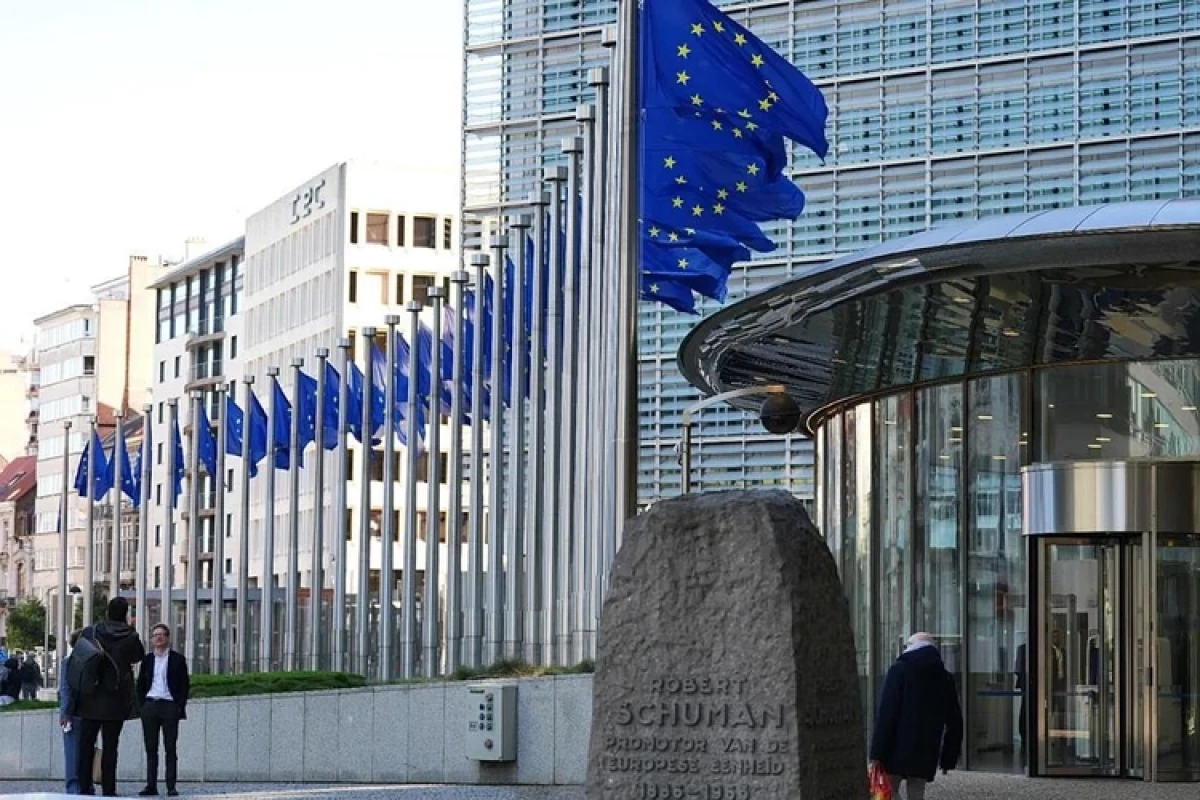


If approved by all EU member states, the measures would increase the number of EU-sanctioned entities by around 50% since Russia’s full-scale invasion of Ukraine began, Bloomberg reported, citing people familiar with the matter, TVP reports.
The targeted companies employ more than 265,000 people. The proposed sanctions, developed by the European External Action Service (EEAS), focus on individual companies rather than broad industries. According to Bloomberg, officials have spent months identifying previously unsanctioned parts of Russia’s military-industrial network. The move is part of wider European efforts to pressure Russian President Vladimir Putin and encourage negotiations over the war.
European leaders believe Ukraine’s improved battlefield position and growing pressure on Russia’s economy could create an opening for peace talks. US President Donald Trump has also renewed engagement on the conflict, pledging support for Ukraine’s air defenses and meeting President Volodymyr Zelenskyy in Washington. However, securing agreement on new sanctions has become increasingly difficult within the EU, with some member states seeking exemptions to limit economic harm.
Recent sanctions discussions have seen proposals weakened, including measures affecting Russian liquefied natural gas exports.
EU officials are expected to circulate the new package among member states in the coming weeks, with the aim of securing approval when foreign ministers meet in October. Additional sanctions linked to the forced deportation of Ukrainian children are also being prepared, Bloomberg reported.
European powers including Germany, France and the UK are pushing renewed diplomatic efforts. However, Putin has rejected calls for a ceasefire and continues to demand territorial concessions from Kyiv — a condition Ukraine has ruled out.


 Follow us on Telegram
 t.me/apanewsaz
 Follow us on Instagram
 Follow us on TikTok
 Follow us on Facebook
 Follow us on X