



Joachim Rukwied, head of the German Farmers' Union, expects significant crop losses, including complete destruction, due to a prolonged drought in 2026, APA reports.
"We predict a below-average grain harvest, especially for wheat and rapeseed," Rukwid said in an interview with the RND editorial association. "As for autumn crops, a significant decline in yield is also emerging," he said. This, he explained, applies to potatoes, vegetables, and sugar beets, as well as corn and soybeans. "In southern Germany, the harvest could be completely lost," Rukwid stated.
The situation is somewhat better in the northern regions, where rainfall has been intermittent. There, Rukvid noted, crop conditions remain acceptable. However, even there, harvest volumes are likely to be below average. "The general and main problem, especially in southern Germany, is that forage crops are no longer growing," said the head of the farmers' union.
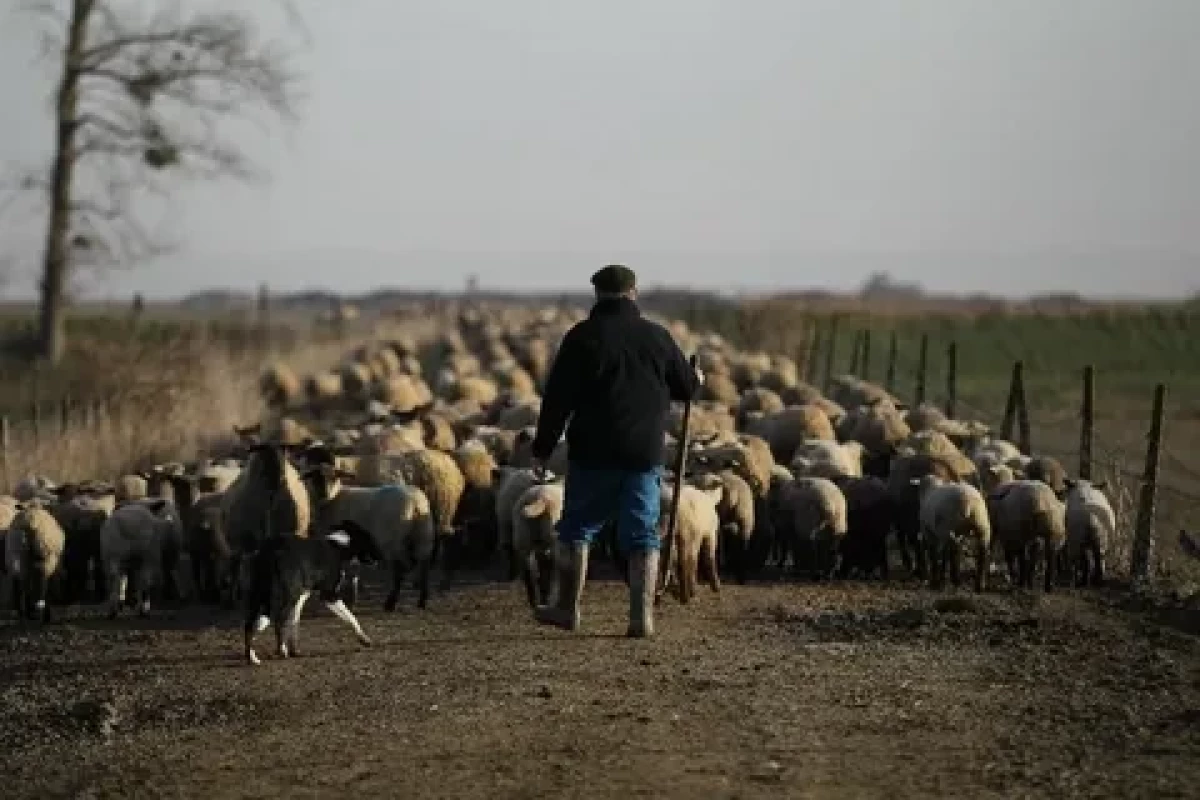
Prolonged heat and drought have led to a sharp decline in feed reserves in several federal states, particularly in the south of the country. This is forcing some farmers to slaughter livestock ahead of schedule. The financial burden, according to Rukwid, is enormous. "I know colleagues who can no longer pay their crop protection and fertilizer bills and are forced to turn to the bank," he noted. Demand for liquidity loans and bridge loans is currently extremely high. "The economic situation in agriculture is critically strained – high input costs, low prices for agricultural products," the association's head emphasized.
According to him, government support is needed, such as increasing EU aid for fertilizer purchases from €60 million to €180 million, as well as postponing the payment of 80% of direct EU subsidies to farmers until October. "The third urgent measure should be a significant reduction in diesel taxes at least until the end of November. This will help farmers in the short term and reduce the financial burden," he said on the Phoenix television channel. Agriculture has been adapting to climate change for many years. Now, farmers urgently need more heat-resistant and resilient crop varieties, Rukvid concluded.


 Follow us on Telegram
 t.me/apanewsaz
 Follow us on Instagram
 Follow us on TikTok
 Follow us on Facebook
 Follow us on X