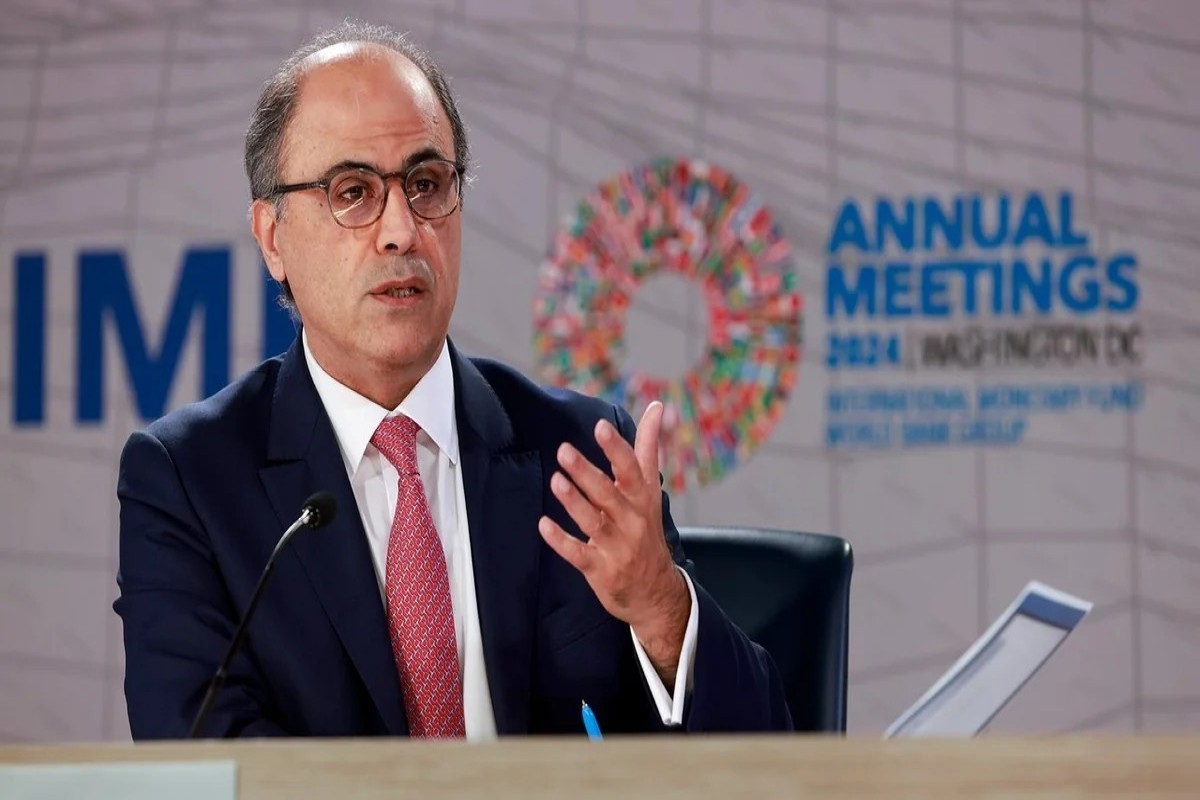










The economies of the countries belonging to the Gulf Cooperation Council (GCC) will contract by 4.8% in 2026 amid the biggest crisis in the oil market in decades, Jihad Azour, Director of the Middle East and Central Asia Department at the International Monetary Fund (IMF), said at a briefing held on the sidelines of the annual meetings of the IMF and the World Bank in Bangkok, TASS said, APA reports.
“This year, preparing forecasts is particularly difficult because the countries of the region are moving in different directions. Undoubtedly, the economies of oil-exporting countries directly exposed to the impact of this shock have suffered the most in 2026. Therefore, we have downgraded their economic forecasts. For example, our forecast for GCC countries this year envisages negative growth of 4.8%. However, this will be followed by a strong recovery, and economic growth next year will amount to 9.1%,” he said.
According to Jihad Azour, the Gulf countries are divided into three groups depending on whether they have the infrastructure to redirect trade flows to alternative routes.
“The first group includes countries such as Iraq, Iran, Qatar and Kuwait, which have been most affected by the crisis. This is due to their limited ability to bypass the Strait of Hormuz, as well as their limited fiscal capacity. Other countries, such as Saudi Arabia and the UAE, have access to alternative supply routes and possess reserves that allow them to withstand this shock. The third example is Oman. Because this country is geographically located outside the Strait of Hormuz, it has been less affected by the crisis,” the department director explained.


 Follow us on Telegram
 t.me/apanewsaz
 Follow us on Instagram
 Follow us on TikTok
 Follow us on Facebook
 Follow us on X