

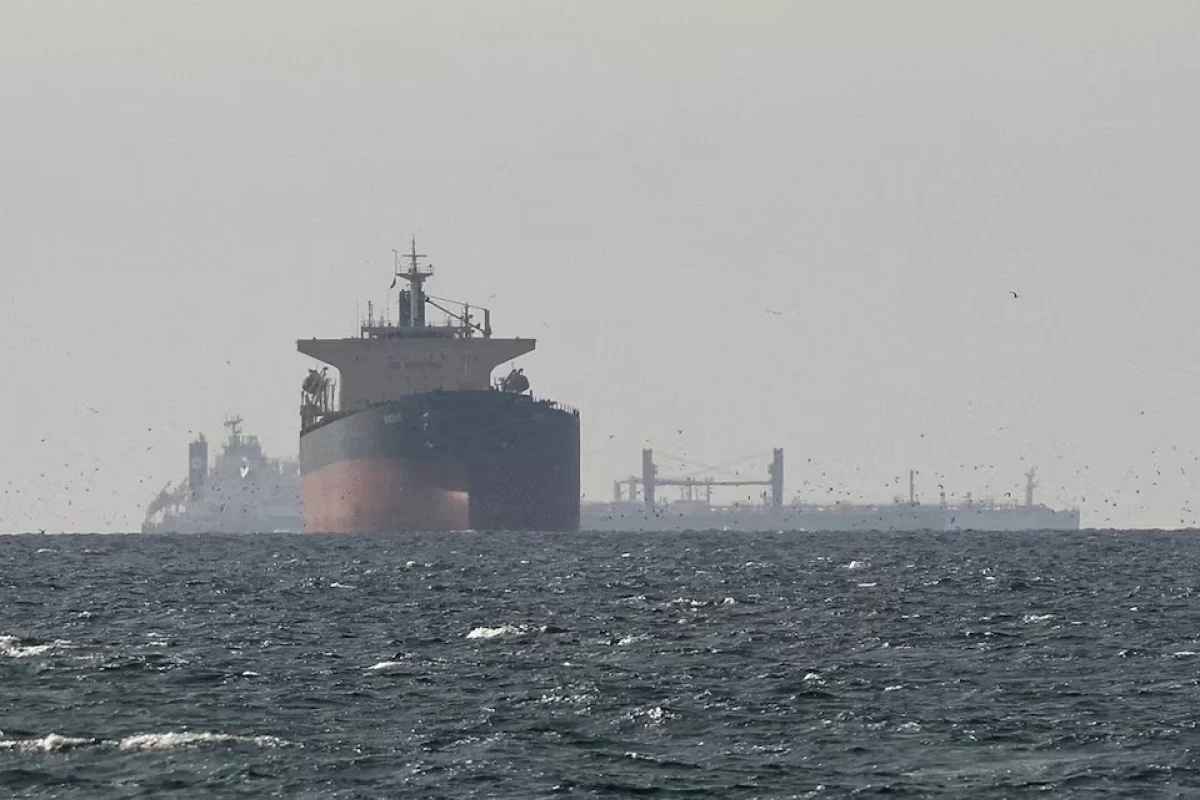


The Iraqi Oil Ministry has clarified that it is not responsible for the movement of crude oil tankers after they leave Iraqi export terminals, emphasizing that buyers assume full responsibility for transporting shipments through the Strait of Hormuz, Iraqi News reports.
The statement comes as Iraq continues to navigate regional security challenges affecting energy exports, while officials report gradual improvements in crude oil sales in recent months. Oil Ministry spokesperson Salim Al-Rikabi said Iraq continues to sell crude oil under the Free on Board (FOB) system, meaning ownership and responsibility for the cargo transfer to the buyer once the shipment is loaded at Iraqi ports.
According to Al-Rikabi, tankers carrying Iraqi crude continue to transit the Strait of Hormuz after departing export terminals. However, he stressed that the ministry is not responsible for the vessels’ navigation routes or for securing the necessary transit approvals. “The ministry sells crude oil at the port, after which the buyer assumes responsibility for transporting and managing the shipment,” Al-Rikabi said.
He added that the ministry neither owns the tankers nor oversees their operations once they leave Iraqi waters.
Despite transferring responsibility to buyers, Al-Rikabi said the Oil Ministry continues monitoring tanker movements through international vessel-tracking systems. He noted that Iraq’s State Organization for Marketing of Oil (SOMO) follows shipments until they reach their destination refineries, allowing authorities to track export deliveries without directly managing vessel operations.
Some tankers transporting Iraqi crude carry cargoes of up to 2 million barrels, according to the ministry. Al-Rikabi also indicated that Iraq’s oil export performance has improved steadily in recent months despite disruptions linked to the regional security situation and shipping through the Strait of Hormuz.
He said sales last month exceeded those recorded in the previous month, continuing a gradual recovery following earlier export challenges caused by tensions affecting maritime traffic through the strategic waterway. The Strait of Hormuz remains one of the world’s most important oil shipping routes, carrying a significant share of global crude exports, making uninterrupted transit critical for Iraq’s energy sector and international oil markets.


 Follow us on Telegram
 t.me/apanewsaz
 Follow us on Instagram
 Follow us on TikTok
 Follow us on Facebook
 Follow us on X