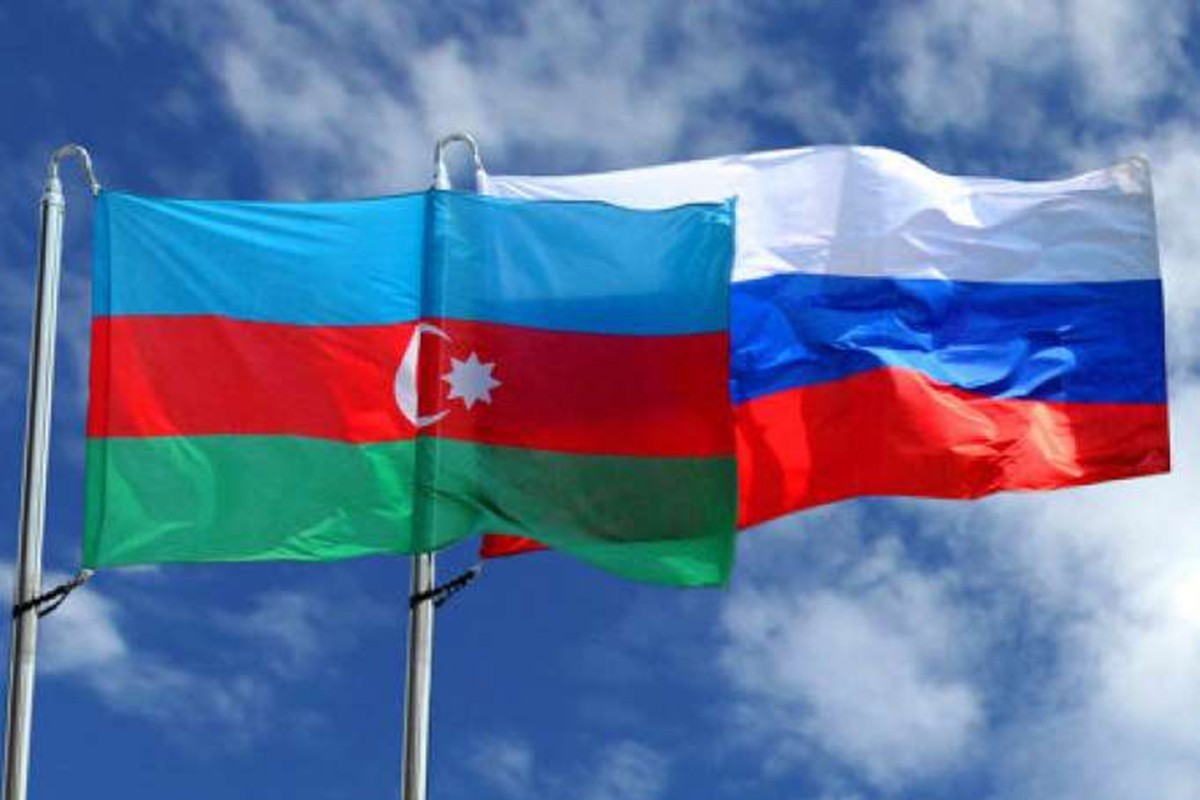


The renewed intensification of negative information targeting Azerbaijan in the Russian media, social networks, and especially Telegram channels, has drawn attention. The simultaneous dissemination of similar narratives and rhetoric across various platforms reinforces the view that this process is not accidental but rather systematic.
It is noteworthy that this campaign coincides with a period when messages about the normalization of Azerbaijan–Russia relations are being voiced.

Information warfare is one of the main tools of modern geopolitics
In contemporary international relations, information warfare is now regarded as a tool as significant as conventional military confrontation. States compete not only through economic and military resources but also through the use of media, social networks, and digital platforms. From this perspective, the creation of negative narratives about a particular country and their dissemination to a broad audience serves as part of a geopolitical influence mechanism.
It appears that the strengthening of the negative narrative about Azerbaijan in the Russian media is not chaotic in nature but is being carried out in a centralized manner, based on coordinated guiding narratives. The synchronized promotion of similar topics across various platforms demonstrates the coordinated nature of this information policy.
Social networks and Telegram channels play a particularly important role in this process. Compared with traditional media, these platforms enable information to spread much more rapidly, while emotionally charged content reaches and influences audiences more quickly. For this reason, many countries in recent years have begun to regard information security as an integral part of national security.
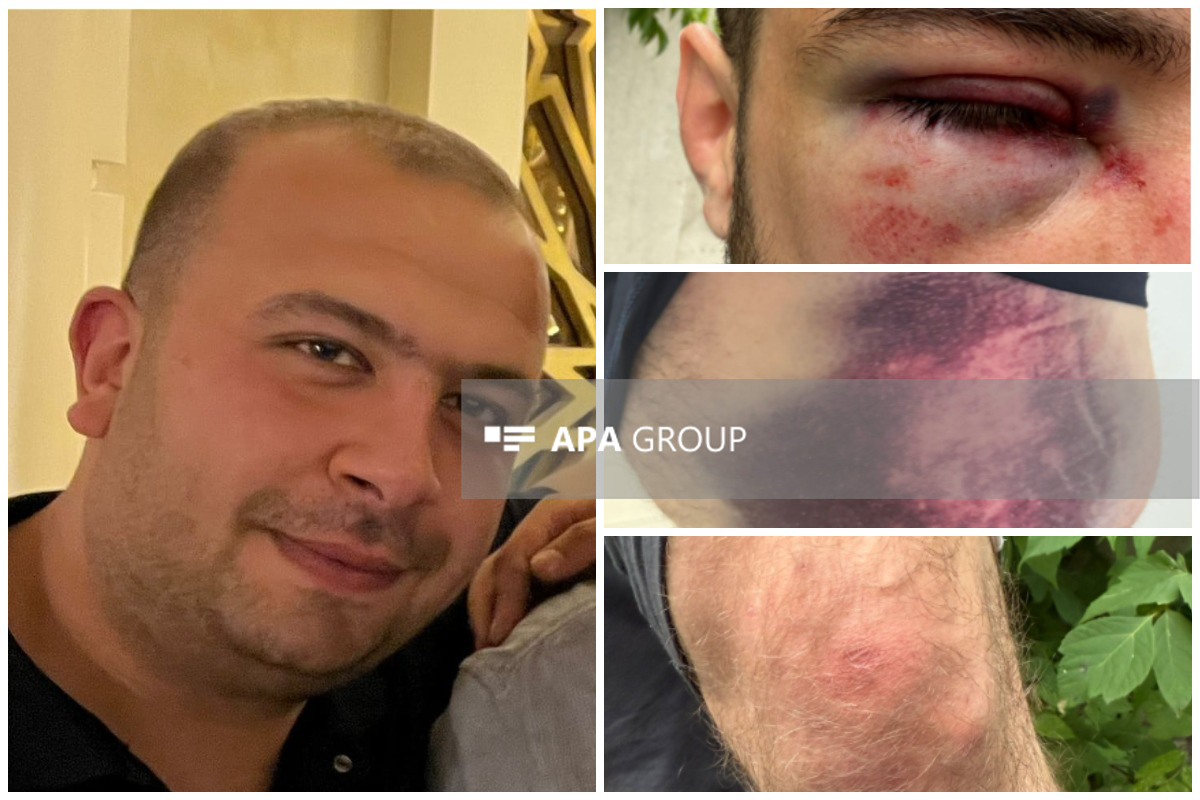
Xenophobia against the Azerbaijani community
Millions of migrants and representatives of various ethnic communities live in Russia. Citizens of Azerbaijani origin have also been actively contributing to Russia's economy, trade, and service sector for many years. In recent days, however, the generalized portrayal of Azerbaijanis in a negative context by certain media outlets and social media platforms has become a matter of particular concern. In reality, given the widespread presence of chauvinism, xenophobia, and ethnic discrimination in Russia, such an approach should not come as a surprise. In recent days, Russian media and social media have portrayed Azerbaijanis living in the country, who are Russian citizens and contribute to its development, as an "organized criminal group" and have used insulting language against them. This is an expression of the fascist mindset that has become deeply rooted in Russian society. It is evident that Russian society is being shaped by an atmosphere of ethnic and religious discrimination.
The raid carried out by officers of Russia's Federal Security Service on the home of the Safarov brothers in Yekaterinburg on June 27 last year, the brutal killing of brothers Ziyaddin and Huseyn Safarov, the detention of several individuals, as well as the detention of the head of the Azerbaijani diaspora in Yekaterinburg, Shahin Shikhlinski, and his son in July of the same year, the opening of criminal proceedings against them, and their long-term imprisonment under a court ruling, can all be regarded as clear examples of xenophobia and discrimination within both Russia's official institutions and Russian society as a whole. The troubling aspect is that this process has now become systematic. In recent years, Azerbaijani diaspora activists in Russia, as well as various businessmen and other individuals, have been subjected to unfounded arrests, while several people have been stripped of their Russian citizenship and deported.
An analysis of these events and the available facts leads to the conclusion that these actions taken by the Russian side are often not based on legal grounds, and that those affected face such treatment solely because of their ethnic background.
In general, it should be recognized that conducting investigations into specific legal violations is a normal legal process. However, portraying an entire ethnic community collectively as criminal can seriously damage relations both between states and between peoples.
Considering the historical and social scale of Azerbaijan–Russia relations, the long-term consequences of such rhetoric should be assessed with particular care. The two countries are connected not only through political and economic ties but also by extensive humanitarian and family links. Therefore, the negative stereotypes created in the information space can affect not only diplomatic relations but also relations between ordinary people.
In this context, the anti-Azerbaijani campaigns, slander, and insults spread through Russian media, social networks, and statements by certain individuals have not been forgotten. The re-emergence of the same process in recent days provides grounds to conclude that both the media and certain individuals are receiving instructions from the same center.
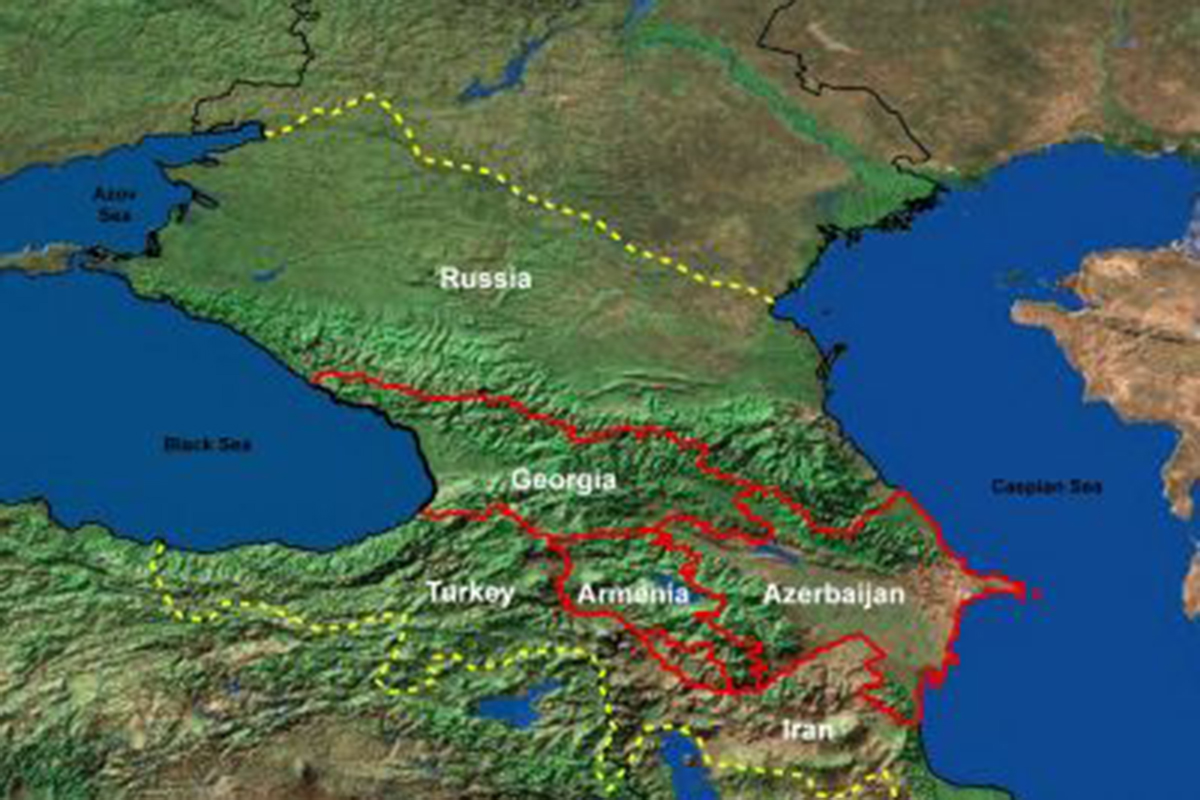
Geopolitical competition and the information agenda
One of the widely accepted approaches in the theory of international relations is that the information space often serves as a continuation of geopolitical processes. Differences between states, regional competition, or clashes of strategic interests are reflected not only in diplomatic statements but also in the media agenda. From this perspective, the increase in negative content about Azerbaijan in Russian media and on social platforms can be viewed not as an isolated phenomenon but within a broader regional context.
The new political reality that has emerged in the South Caucasus in recent years has enabled the countries of the region to make more independent decisions, expand multilateral cooperation formats, and increase the importance of transport and communication projects. As Azerbaijan continues to strengthen its role in energy security, international transport corridors, and regional diplomacy, an intensification of the information struggle surrounding the country has also become evident. This is not a phenomenon limited to Russia but rather one of the defining characteristics of modern geopolitical competition as a whole.
Diplomatic rhetoric and double standards
In fact, the remarks made by President Ilham Aliyev at the 4th Shusha Global Media Forum conveyed a message of normalization in relations with Russia. Responding to a question about ties with Russia, President Ilham Aliyev said that Azerbaijan values its relations with Russia.
"We value our relations with Russia. We have also taken note of the statements made by Russian officials, including President Putin, that relations between our countries are developing very positively. You mentioned the difficulties. Yes, we all know about them. But what is important is that this period is now behind us. I would say that our relations have been fully normalized. Contacts are maintained at various levels—between governments, through members of government, the co-chairs of the intergovernmental commissions, the ministries of foreign affairs, and the Presidential Administration. So, in this regard, I believe everything is progressing well, and we are pleased about that.
Relations between Russia and Azerbaijan are important both in the bilateral format and in a broader geographical context. They encompass traditional areas of cooperation as well as new ones that may emerge. Transport, of course, plays a very important role, as do trade and humanitarian cooperation," the head of state emphasized.
In addition, Foreign Minister Jeyhun Bayramov departed for Russia on July 16. It is worth noting that such a visit would not have been possible against the backdrop of tensions that had existed between the two countries.
Both the statements made by the President of Azerbaijan and Foreign Minister Jeyhun Bayramov's visit to Russia demonstrate Azerbaijan's goodwill toward bilateral relations with Russia.
Unfortunately, the Russian side is not appreciating Azerbaijan's goodwill and has instead chosen the path of escalating tensions once again.
Although certain positive statements and signals are being voiced by Russian official circles, the renewed intensification of anti-Azerbaijani rhetoric on social networks and Telegram channels is having a sharply negative impact on relations between the two countries. This is particularly the case when it is evident that the instructions originate from the same center and official structures. In this context, the double standards pursued by the Russian side are also regrettable.
Information disseminated on these platforms reaches millions of users within a short period, while emotionally charged content spreads more rapidly than factual information. For this reason, disinformation, manipulative content, and coordinated information campaigns have in recent years been identified by many countries as separate risks in their national security strategies.
The primary objective of modern information warfare is not merely to spread a particular news story. Rather, it is to build long-term narratives, reshape the audience's perception of a particular country or nation, and influence public opinion. Therefore, analysts focus not so much on individual reports as on their overall direction and frequency of repetition.
Thus, this is also a manifestation of double standards—saying one thing while acting differently. On the one hand, positive statements are made about bilateral relations, while on the other, talking points are provided to individuals whose ties to the center are beyond doubt and who are known to be directly controlled from the Kremlin, and insulting, xenophobic attacks against Azerbaijan based on fascist ideology are organized through them. It appears that, ahead of the State Duma elections, growing public discontent, as well as the serious setbacks in the war with Ukraine in recent times and the devastating strikes carried out by the Ukrainian Army, are forcing the Russian authorities to create a new enemy image and use it to cover up existing problems. The facts also show that the situation in Russia is becoming increasingly tense. Western sanctions are crippling the country's economy, while Ukraine's continued strikes have caused a fuel crisis in the country.
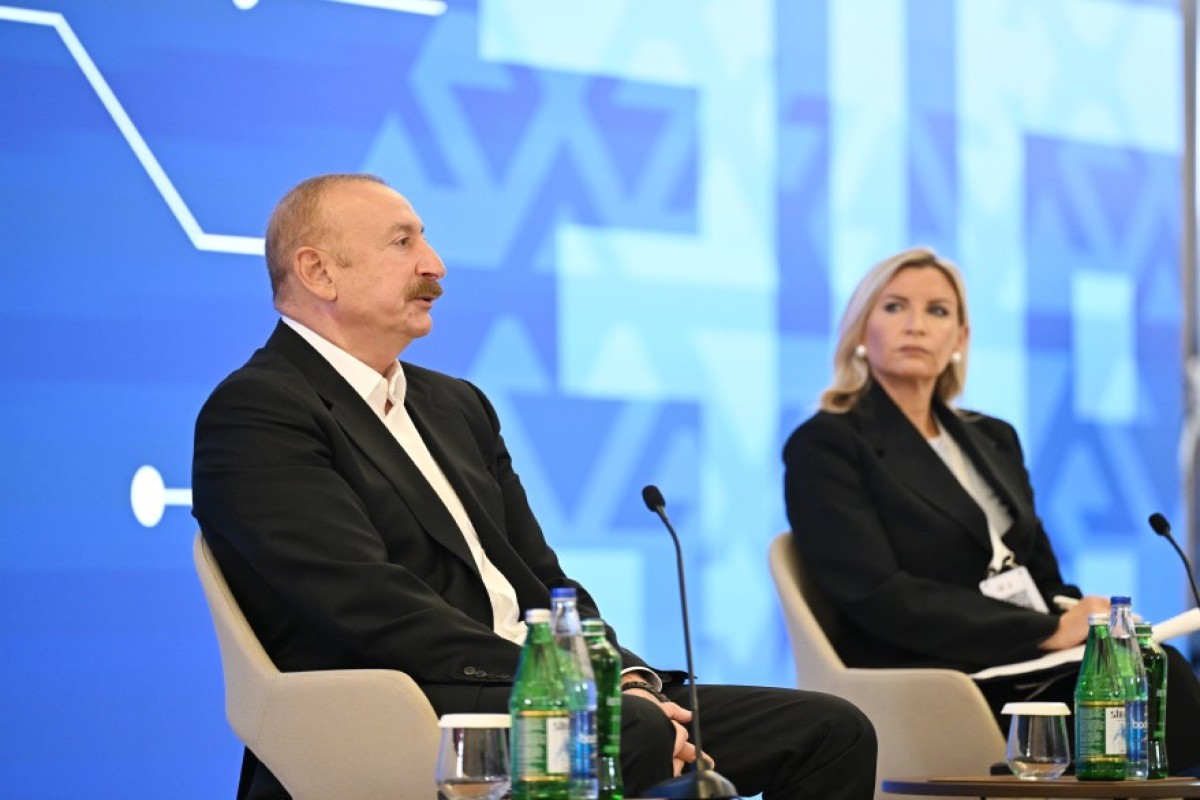
The South Caucasus is no longer what it used to be
President Ilham Aliyev's statement at the Shusha Global Media Forum that "the old approaches to perceiving the South Caucasus have become completely outdated" can be regarded as one of the key theses reflecting the essence of the changes taking place in the region.
In recent years, the region's political landscape, formats of economic cooperation, and security architecture have undergone significant transformation. Azerbaijan is now emerging not only as a regional player but also as one of the key energy and logistics partners linking Europe and Asia. The development of the Middle Corridor, the expansion of energy export routes, and major international economic projects have strengthened the country's geopolitical significance.
Under these circumstances, it is becoming increasingly difficult to build relations with the countries of the region based on previous approaches. The new reality requires policies founded on mutual respect, respect for sovereignty, and equal partnership.
Russia either does not see the new reality that has emerged in the South Caucasus, or it sees it but does not want to accept it. Moscow should now abandon its old methods and seek to build relations with the countries of the region based on equality and mutual respect. By trying to dictate its own will, pursuing policies solely within the framework of its own interests, and fostering hatred, discrimination, and intolerance toward other peoples within the country, Russia will only harm itself.


 Follow us on Telegram
 t.me/apanewsaz
 Follow us on Instagram
 Follow us on TikTok
 Follow us on Facebook
 Follow us on X