

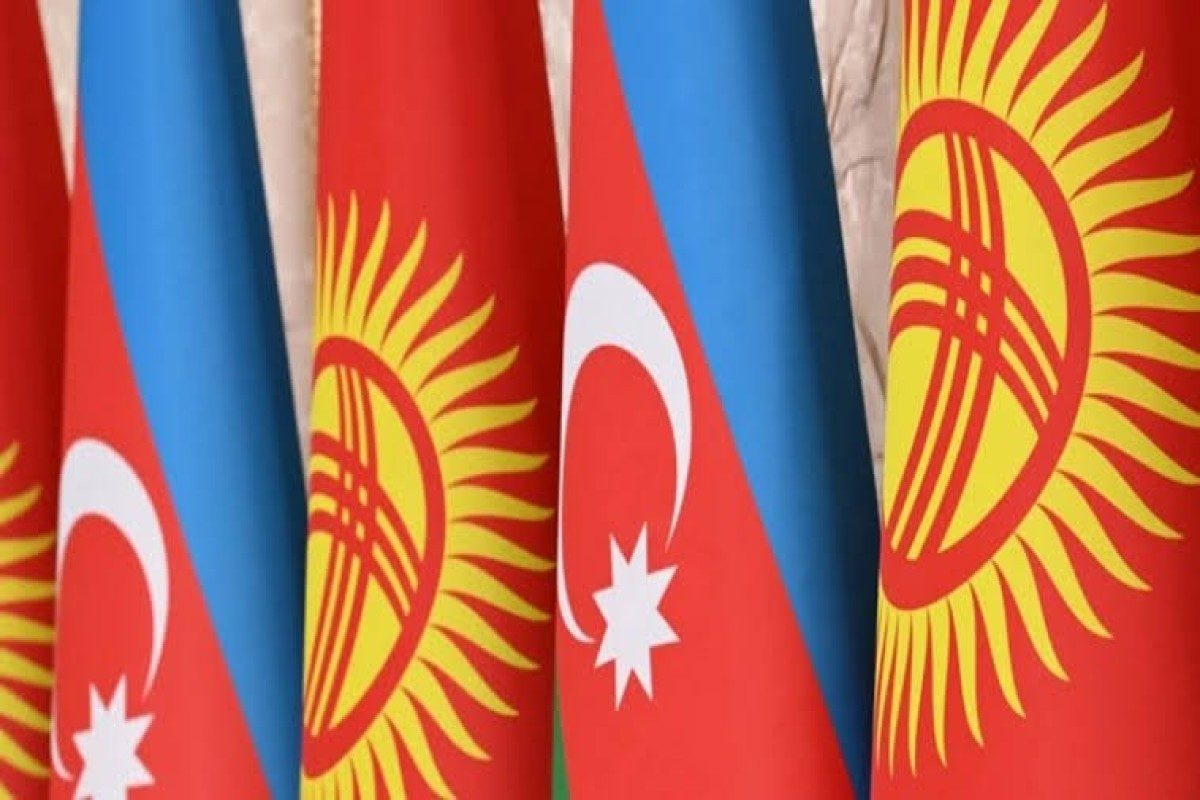


Azerbaijan's foreign policy towards Central Asia has entered a qualitatively new stage in recent years. On the background of deepening integration within the Organization of ya Turkic States , the increasing geostrategic importance of the Middle Corridor and global geopolitical processes, relations between Azerbaijan and Kyrgyzstan are also gaining new content. The decisions made and documents signed during President Ilham Aliyev's state visit to the Kyrgyz Republic are assessed as an important political event indicating that relations between the two countries have moved beyond the framework of strategic partnership and have risen to the stage of alliance. From this perspective, the visit is of particular importance not only in terms of the development of bilateral relations, but also in terms of deepening political, economic and humanitarian integration in the Turkic world.
Azer Allahveranov, a deputy of the Azerbaijani Milli Majlis, a member of the working group on Azerbaijan-Kyrgyz interparliamentary relations, told APA that President Ilham Aliyev's state visit to the Kyrgyz Republic is an important geopolitical event that formalizes the transition of Azerbaijan-Kyrgyz relations from strategic partnership to the stage of alliance.
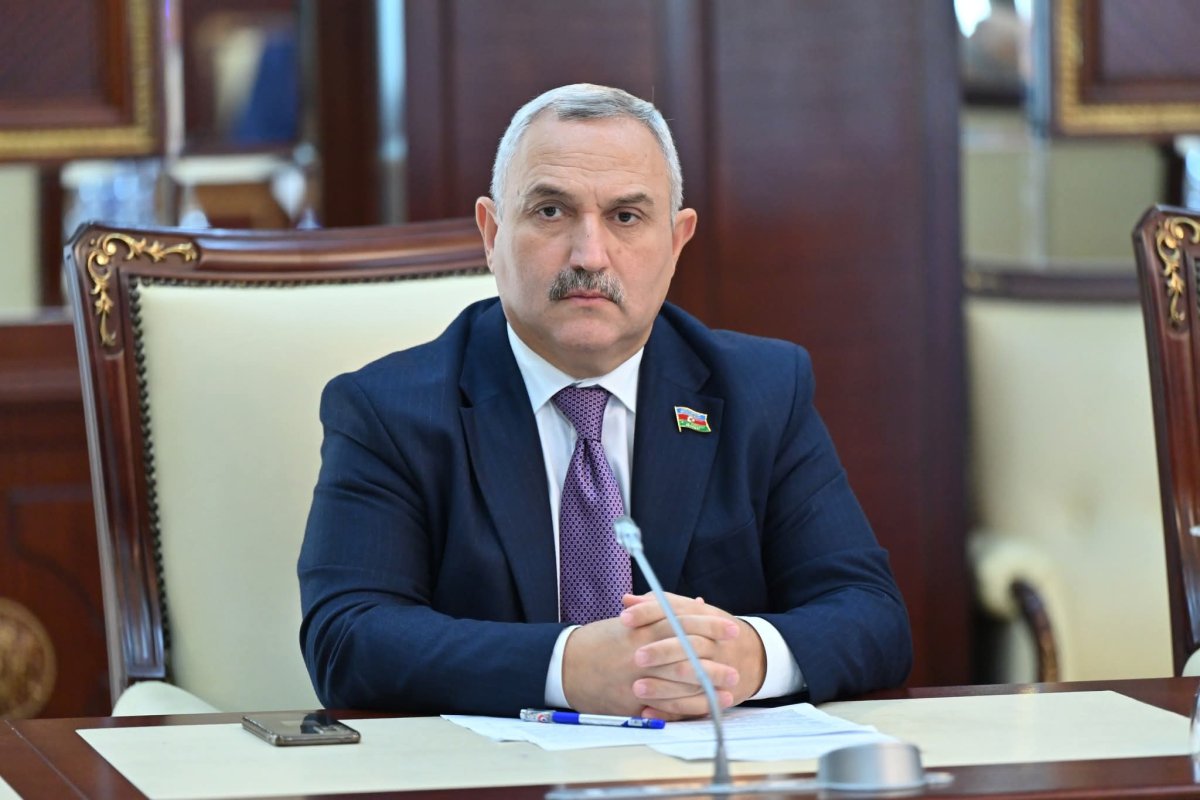
According to the deputy, it is clear that joint efforts were made to bring relations between the two brotherly republics to the highest level during the visit, and at the same time, significant political will was demonstrated to elevate relations to a new stage.
"In this regard, we can say with full confidence that Azerbaijan-Kyrgyzstan relations are entering a new stage. The transition from strategic partnership to alliance is already clearly evident, and as a result, strategic partnership relations between the two countries are at the alliance level. This is reflected primarily in concrete activities that serve to further deepen cooperation in the economic, trade, transport, energy, agriculture, culture and humanitarian spheres," the deputy said.
Azer Allahveranov noted that the deep historical connection between the Azerbaijani and Kyrgyz peoples, a common Turkic identity, a common history, language and culture form a solid foundation for the development of relations between the two countries. According to him, it is this foundation that makes it possible to establish strategic partnership at the highest level. The deputy said that in recent years, the activities carried out to strengthen cooperation between the two states have brought the friendly and brotherly countries even closer, and this partnership is now being systematically developed through various institutional mechanisms.
"Important agreements such as the holding of the third meeting of the Interstate Council of the Republic of Azerbaijan and the Kyrgyz Republic, raising political dialogue to a higher level, defining a specific roadmap for expanding economic cooperation, and developing humanitarian cooperation in new directions have further strengthened the institutional foundations of these relations. The activities of the Interstate Council and the intensive contacts formed between other state bodies show that relations have truly risen to the level of alliance and its real results are visible," he emphasized.
The deputy said that one of the most important issues here is the coordination of political dialogue with strategic partnership and the creation of favorable conditions for the effective use of the economic potential of both countries.
"Currently, the implementation of energy projects and the development of transport and logistics infrastructure are one of the priority directions. In particular, the delivery of international cargo transported from China to Europe via the Central Corridor through Kyrgyzstan, Uzbekistan, Kazakhstan and Azerbaijan to Europe increases the strategic importance of this cooperation. This process shows that energy security and transport and logistics projects, which are two important elements of the system of international relations, are being successfully implemented. Kazakhstan's participation in this process is one of the important indicators showing the level at which the partnership is being formed," Azer Allahveranov noted.


 Follow us on Telegram
 t.me/apanewsaz
 Follow us on Instagram
 Follow us on TikTok
 Follow us on Facebook
 Follow us on X