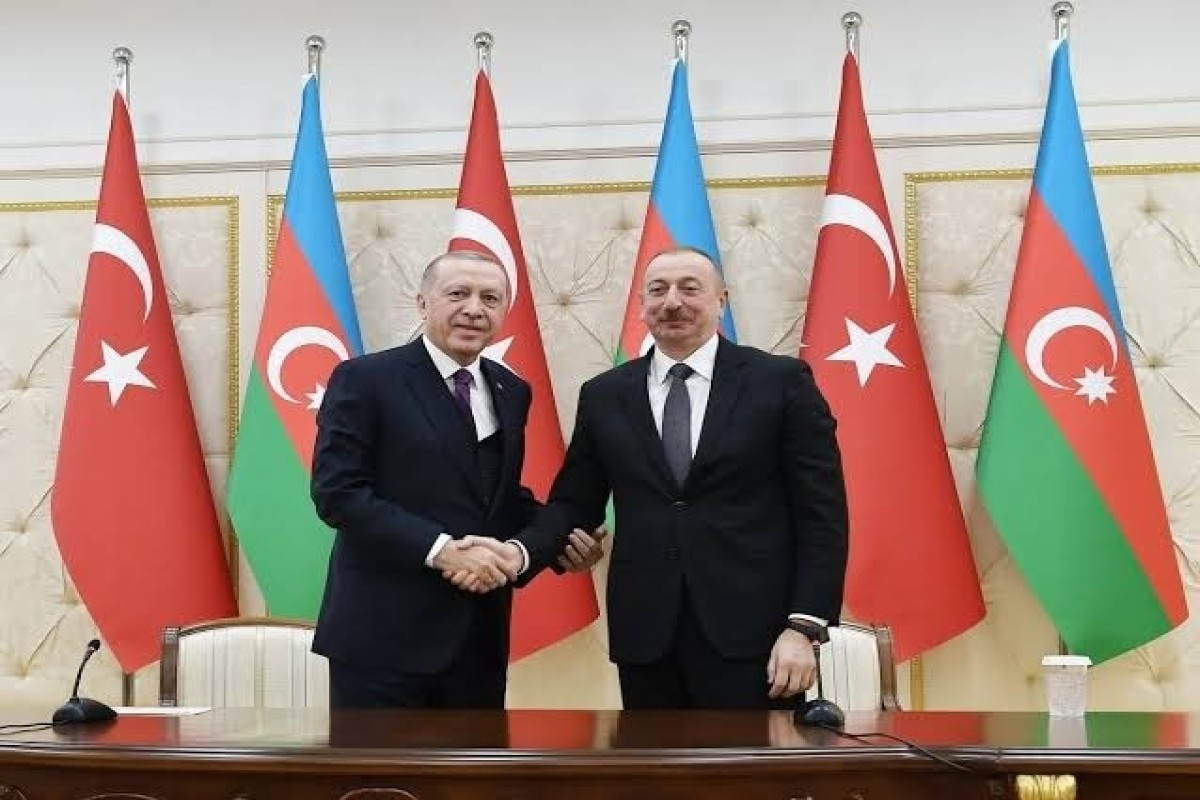
Since gaining independence, our statehood has faced threats repeatedly from both inside and outside. Over the past 34 years there have been attempts to stage coups, to create chaos, and to provoke civil war in the country.
The early years of Azerbaijan’s independence were among the most difficult in terms of both domestic stability and external pressure. The attempted coup on October 3–4, 1994 is a clear example of those pressures. At that time, against the backdrop of the ongoing war with Armenia, economic decline and internal political fragmentation, the people of Azerbaijan rallied once again around the Great Leader Heydar Aliyev and defended statehood. The unity, solidarity and patriotism of the people decisively stopped the uprising.
Nevertheless, some anti-national forces inside the country and political circles directed from abroad could not accept Azerbaijan’s independent course. An independent energy policy, cooperation with foreign companies and economic reforms ran counter to their interests. For that reason, after a short interval of roughly six months, another attempt was made to stage a coup in Azerbaijan. Once again, thanks to the will of the people and the strength of the state, that plan failed.
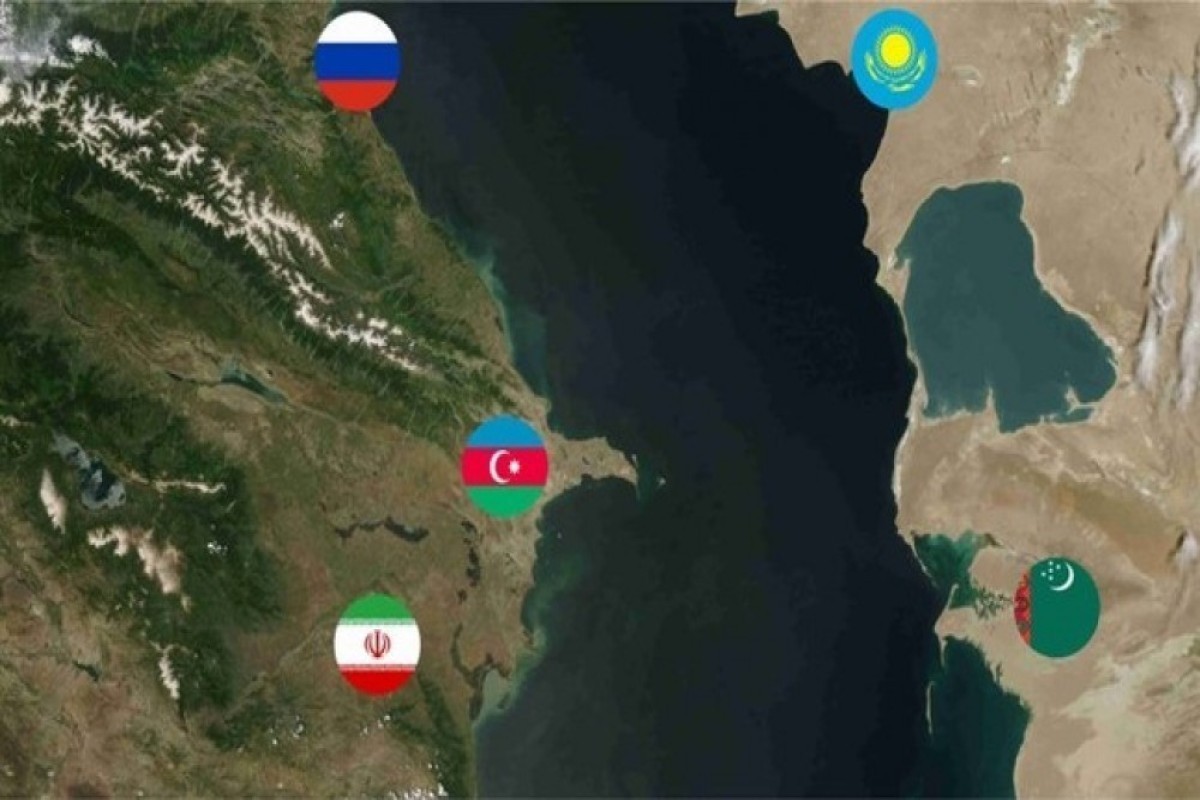
The main factor behind these attempts was the intense competition among global centers of power over Azerbaijan’s oil wealth and these resources.
Historically, the Great Silk Road has not only been an artery of trade and culture but also an important channel through which spheres of political influence were formed. By tightly linking Central Asia, the South Caucasus and Türkie, this route laid the foundation for economic integration, mutual trust and strategic cooperation among regional peoples. From this standpoint, the revival of the Great Silk Road in a modern format is of great economic and political importance for each of these countries.
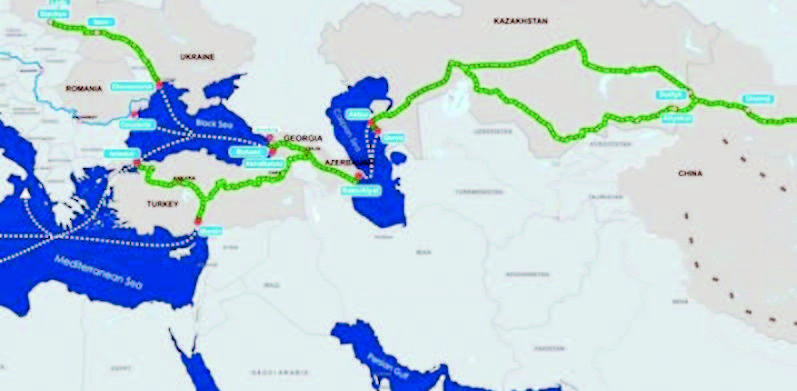
However, it should be noted that both in the early 1990s and in later decades there were always external forces opposed to the implementation of such regional projects and unwilling to see the region develop independently. These circles have resorted to various provocations in order to prevent the South Caucasus from pursuing an independent economic and political line and, in particular, to block the strengthening of strategically located countries like Azerbaijan.
After gaining independence, Azerbaijan took important steps to integrate the Caspian Sea’s rich energy resources–oil and natural gas–into the global economy. Through historic projects such as the “Contract of the Century,” the country solidified its place in the international energy market and built partnerships with the world’s largest oil companies. This laid the foundation of Azerbaijan’s economic independence. Naturally, such an independent policy displeased some regional and global centers.
Until 1994, Russia pursued a “divide and rule” policy in the South Caucasus, aiming to preserve and expand its influence in Armenia, Georgia and Azerbaijan. As a result, the region’s countries were set against one another and ethnic and political confrontations were artificially deepened. In particular, the Nagorno-Karabakh conflict served Moscow as a strategic instrument. A settlement of the Karabakh issue could have led to Russia’s retreat from the region, and therefore this matter was of vital importance to Russia.
After the signing of the “Contract of the Century,” Azerbaijan became a new energy hub in the region. While this increased our strategic importance, it also made us a target for political pressure.

President of the Republic of Azerbaijan Ilham Aliyev, speaking at the opening of the Military Trophies Park in Baku on April 12, 2021, drew attention to the coup attempts against him: “When I came to power in 2003 and assumed the office of President, I promised that I would preserve territorial integrity, and I have kept that promise. Azerbaijan’s territorial integrity was preserved for 17 years. Despite all the enemy’s attempts, no concessions were made. There were pressures, there were threats. There were attempts to stage a coup against me.”
As the Head of State noted, the “preface” of any scenario drawn up against our country always placed special emphasis on Azerbaijan’s territorial integrity.
This statement shows that the struggle for Azerbaijan’s independence did not end with the events of the 1990s – it continues to be the central line of ongoing political processes.
The Patriotic War marked a turning point in Azerbaijan’s history. President Ilham Aliyev made important decisions in domestic policy during and before the war. Since 2019, a process of removing pro-Russian and corrupt officials from office has been under way within the country. This served to restructure the state on the basis of its national interests.
Aliyev managed the war skillfully both as a military strategist and as a political leader. The victory achieved in the 44-day Patriotic War was not only the restoration of territorial integrity but also the end of the international pressures and manipulations that had cast a shadow over Azerbaijan for years. This victory created new geopolitical realities in the region and significantly increased Azerbaijan’s international standing.
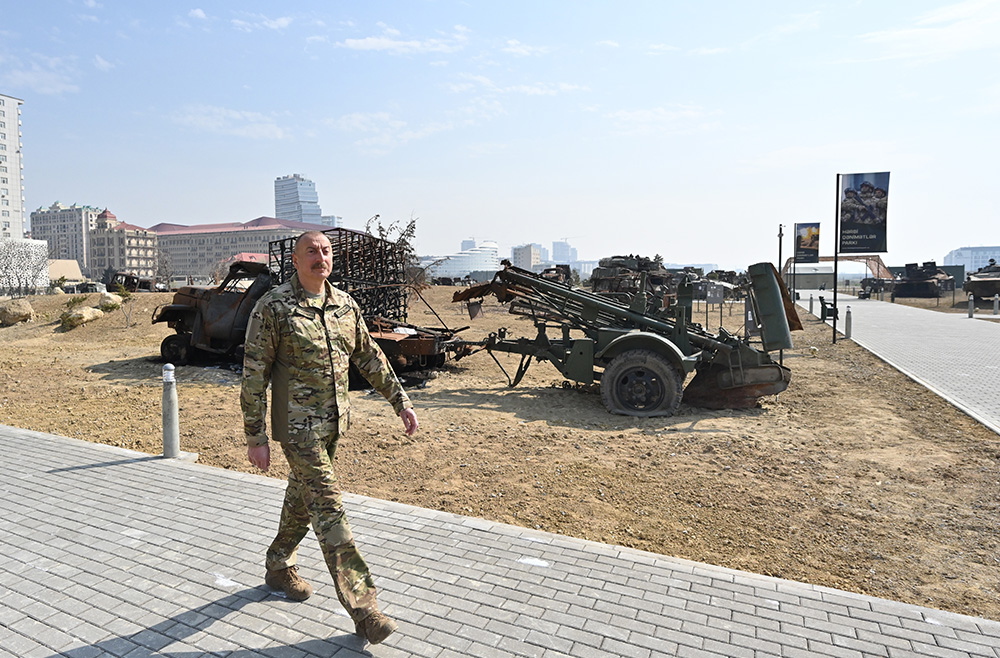
However, this success unsettled many foreign circles. Azerbaijan was no longer a country vulnerable to military or political pressure. Those who promoted the “No war” idea and sought to pressure Azerbaijan under the guise of peace were discredited. No one can speak to a state that has won a war and fully restored its sovereignty in a threatening tone.
After the Patriotic War, Azerbaijan began a deep and systematic purification not only in military matters but also in information, ideology and national security. Although the Victory restored state sovereignty, new types of threats emerged after the victory–foreign influence attempts carried out through “soft power.”
At this stage, protecting national security was no longer limited to defending borders. Information security, ideological independence and the preservation of social stability also became national priorities. Because Azerbaijan’s independent foreign policy, balanced diplomacy and status as a victorious state disrupted the plans of some foreign powers.
One of the most notable directions was the activity of the U.S. and Western donor organizations. For many years, programs presented under slogans such as “promoting democracy,” “supporting civil society,” and “free media” – by USAID, the National Endowment for Democracy (NED) and similar organizations – have in many countries served as key instruments of “color revolution” scenarios. Presented formally as humanitarian and educational projects, these programs, in fact, aimed to interfere in domestic affairs, change political systems and weaken state structures.
In Azerbaijan these mechanisms operated over the years through media and NGO networks financed by foreign grants. Projects such as “Toplum TV,” “Abzas Media,” “Meydan TV” and “Fakt Yoxla” were funded by foreign grants and used to create a climate of social discontent, undermine the state’s reputation and manipulate public opinion. These platforms created artificial agendas in the information space to damage the state’s legitimacy and to foster distrust and division among the younger generation.
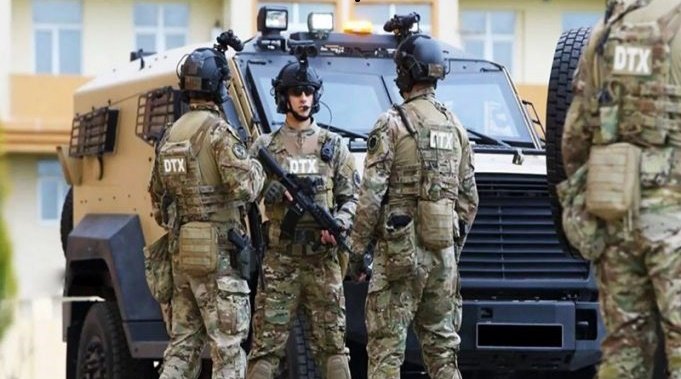
Azerbaijan’s law enforcement and special services assessed the scale of this threat in a timely manner. As a result of special operations and court investigations, the covert financial ties of these networks, their correspondence with foreign curators and their assignments were exposed. Court materials now contain concrete evidence about funds these projects received from Western foundations, their information provocations and coordinated campaigns carried out via social media.
This cleansing process actually serves to protect the state’s information sovereignty and strengthen national ideological immunity. The Azerbaijani state has once again demonstrated that the country’s independence and stability cannot be held hostage by any political plan cloaked in foreign “humanitarian aid.”
The exposure on December 21, 2023, of a French intelligence network operating on our territory is assessed as another important achievement of Azerbaijan’s security system. This once again showed that the Azerbaijani state has the power to detect and neutralize all covert plans directed against its national security in a timely manner.
The threats Azerbaijan has faced in the security sphere have not only come from the West. Particularly in 2021–2023, hybrid threats originating from Iran took on a more overt character. Certain circles in official Tehran, religious-political influence mechanisms and spy networks tried to create ideological discord, inflame religious radicalism and target the state’s sovereignty within Azerbaijan.
The network Iran built in Azerbaijan through religious communities, unofficial religious schools and “cultural centers” was in fact part of a long-term influence operation. Promotion of radical calls in mosques, anti-Azerbaijan propaganda on social networks and slander campaigns about our country in the Iranian press were components of this strategy. As a result of operations by the security services, many members of this network were exposed, spy groups were neutralized and Iran’s influence agents were dismantled.
These events once again demonstrated that Azerbaijan’s independence is an unwelcome factor not only for the West but also for certain circles within regional states. A sovereign, independent and victorious Azerbaijan has become one of the principal driving forces of the new political reality in the region.
By the end of 2023, operations carried out had effectively eliminated these parallel channels of influence coming from both the West and Iran. The country’s law-enforcement and security structures neutralized all foreign elements that sought to destabilize internal stability, inflame the socio-political situation and create “internal opposition resources.”
This “de-mining” stage defined Azerbaijan’s new security philosophy: the state now protects not only its borders but also its ideological, informational and political space. By cleansing its independent thinking, national values and political stability of foreign influence, Azerbaijan further strengthened the foundations of its sovereignty.
Thus, the exposure of both Western and Iranian networks opened a new page in Azerbaijan’s national security history. This is not only a victory for internal stability but also for the idea of independent statehood. Neither the “color revolution” scenario nor influence politics under the name of “ideological kinship” will succeed against Azerbaijan.
Current court proceedings are clarifying the tasks with which these projects were charged and the sources of their funding. The objective was the same: to undermine Azerbaijan’s internal stability and obstruct the state’s path of development.
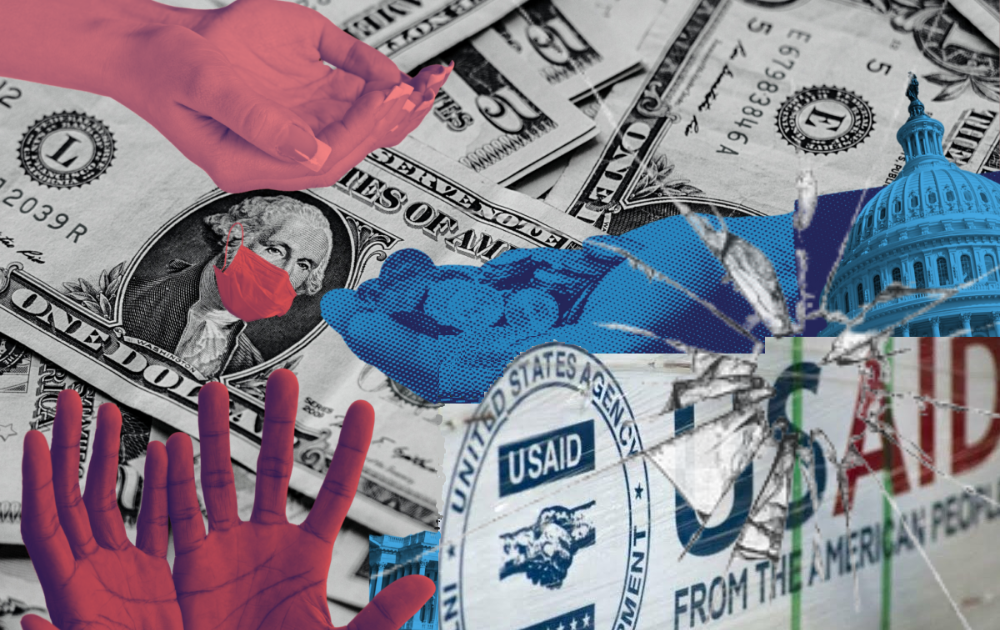
After 2019, Azerbaijan further consolidated its independent policy course. There was no longer a need for the activities of either USAID or the so-called “Russian House.” The “Russian House,” which supposedly served cultural and humanitarian cooperation, had in reality become a vehicle for propaganda and influence. Its closure was another indicator of Azerbaijan’s political independence.
Restrictions on the operations of local offices of Russian media also served the same goal: ensuring the security of the country’s information space. Although relations between Azerbaijan and Russia continue on the basis of mutual respect and compromise, Baku is no longer open to Moscow’s pressures. The resolution of the Karabakh issue has also reduced Russia’s military-political influence in the region.

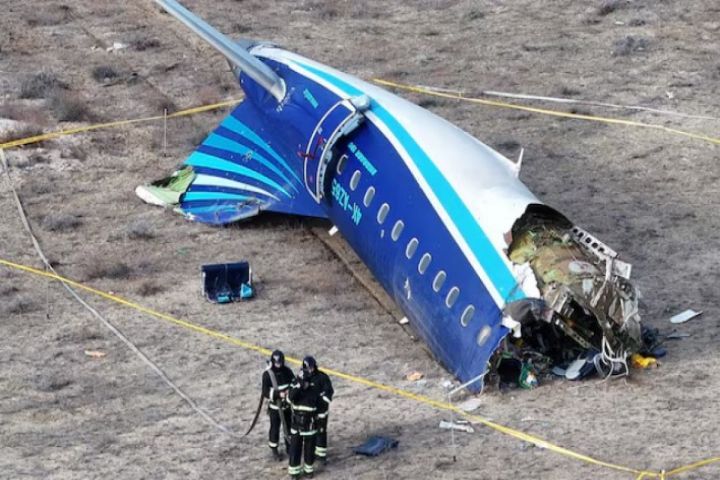
By exercising restraint in incidents such as the AZAL plane and the Yekaterinburg events, official Baku avoided escalating tensions with Russia while demonstrating to the public that it pursues a principled, balanced policy based on national interests.
Today Azerbaijan cooperates with both the West and Russia on an equal footing, but does not fall under the influence of either. Projects such as the Southern Gas Corridor, Baku-Tbilisi-Ceyhan and TAP have increased our geopolitical strength and made us a reliable partner in the region.
Having overcome all these threats, coup attempts and ideological attacks, the Azerbaijani state achieved internal stability and global influence. This is the result of President Ilham Aliyev’s decisive and farsighted policy.
Today Azerbaijan is experiencing the strongest stage in its history. Under President Ilham Aliyev, from Shusha to Washington, from Dushanbe to Beijing, he is recognized as the Leader of Victory. Azerbaijan has become a power center that does not bow to pressure, takes independent decisions and shapes the direction of regional processes.
Everyone must accept this reality and recognize that Azerbaijan is forming as a sovereign power in its new historical stage.
Under President Ilham Aliyev’s leadership, a concept of a strong state has been realized. Large-scale energy projects have been implemented, the economy has been revitalized, and the transition period concluded. The country has secured socio-political stability, state and societal security, food security and energy security. A strong army has been built. Networks that had taken root in Azerbaijan have been dismantled. The “fifth column” of Russia that had been represented in power before the war was neutralized. After the war, Iran’s network and later the Western network were neutralized.
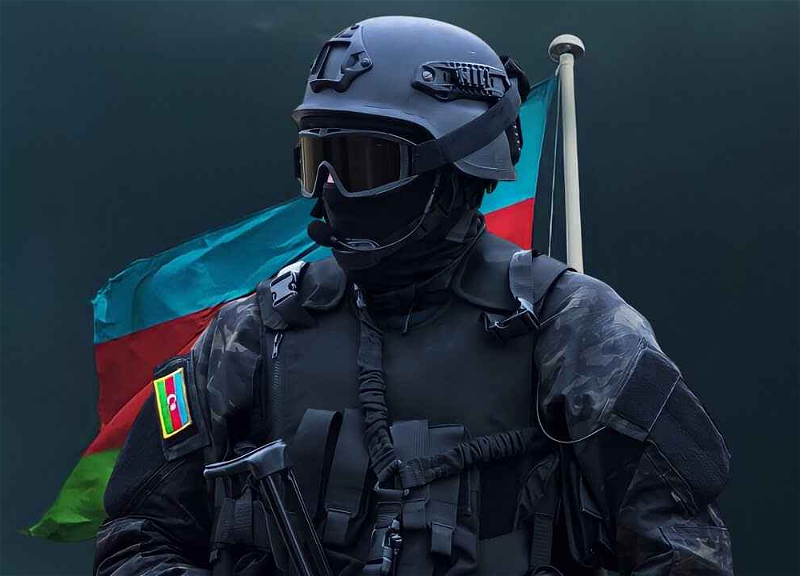
Now the remnants–removed from power but still attempting acts of treachery and ingratitude–are being fully exposed.
They cannot carry out a coup; they do not have the strength. Yet they do not stop their foolishness and attempts to muddy the waters. In such cases, they receive their deserved responses.
At the root of all this stands the factor of a strong state. If there were no strong state, it would not have been possible to withstand the pressures of various centers of power and to dismantle the networks they had built over years.
The powerful Azerbaijan created by Ilham Aliyev will disappoint the hopes of both the ungrateful at home and the enemies abroad


 Follow us on Telegram
 t.me/apanewsaz
 Follow us on Instagram
 Follow us on TikTok
 Follow us on Facebook
 Follow us on X