




The Washington meeting marked an important milestone in US policy toward the South Caucasus, while elevating Washington’s role in the region from that of a mediator to one of the key actors shaping the future regional architecture, American academic and geopolitical analyst Professor David Felsen told APA.
According to him, the broader geopolitical significance of the Washington meeting lies in linking the peace negotiations with economic development, regional connectivity, as well as US strategic, diplomatic and energy interests.
“The Washington meeting can be regarded as an important milestone in US policy toward the South Caucasus. The meeting elevated the US role in the region from that of an important mediator to one of the key actors shaping the future of the South Caucasus. Its broader significance lies in bringing peace negotiations, economic development, as well as US strategic, diplomatic and energy interests into a single framework,” the professor said.
David Felsen believes that the agreements reached in Washington gave significant political impetus to the Azerbaijan-Armenia peace process and brought the sides closer to achieving a comprehensive peace.
The expert emphasized that US diplomacy played an important role in bringing the leaders of Azerbaijan and Armenia together, as well as in creating a political framework for the implementation of the agreements. Nevertheless, the ultimate outcome of the process will depend on Baku and Yerevan maintaining a sustained commitment to the obligations they have undertaken.
The American professor believes that the Washington agreements also marked the beginning of a new stage in US-Azerbaijan relations.
According to him, relations between the two countries have already begun to move beyond the traditional framework of energy cooperation to encompass areas such as regional connectivity, technology, investment, security and economic development.
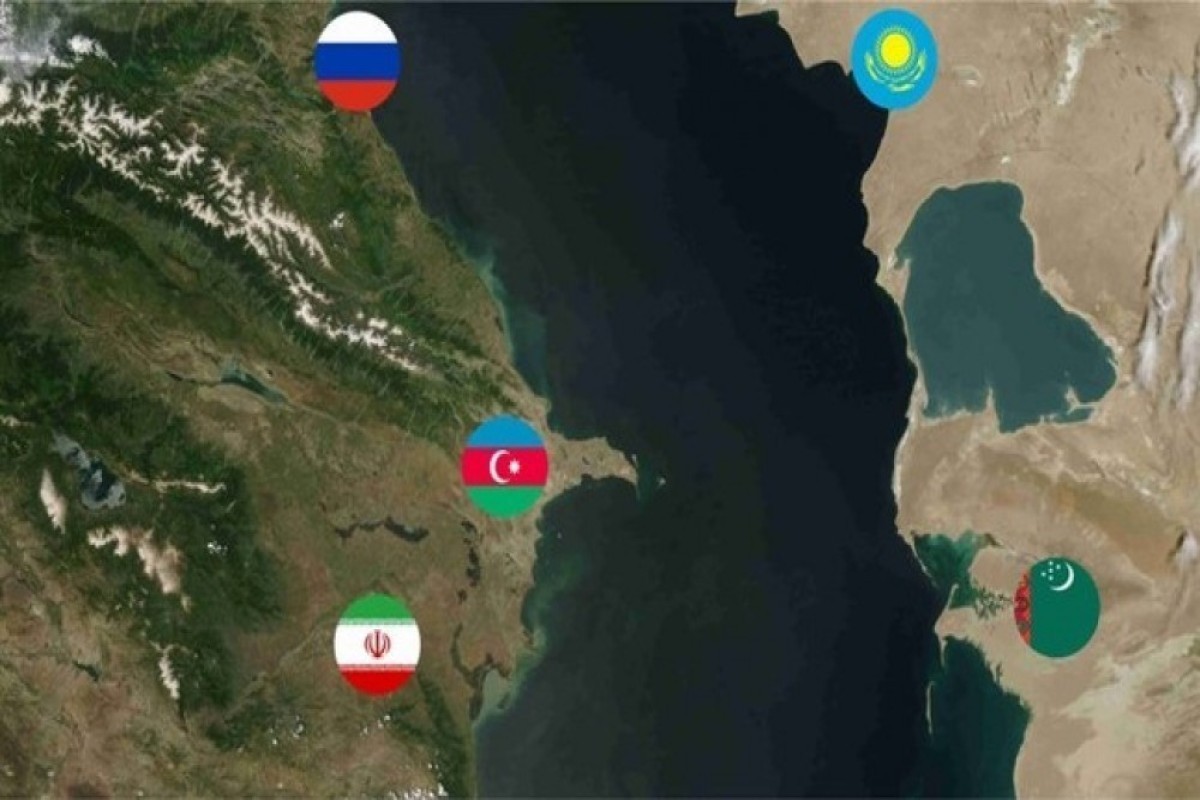
“The expansion of the Middle Corridor and connectivity across the Caspian has particularly significant long-term potential. Azerbaijan has become a more valuable strategic partner for Washington. Azerbaijan’s geographical position makes the country an important actor in energy diversification, Caspian connectivity and transportation between Central Asia and Europe. The Middle Corridor, in particular, extends Azerbaijan’s importance far beyond its traditional role as an energy supplier,” Felsen said.
According to the professor, achieving a comprehensive peace agreement between Azerbaijan and Armenia is also of major importance for the United States’ long-term strategic interests in the South Caucasus.
Such an agreement could reduce the risk of renewed military confrontation and create a more predictable environment for US trade, investment and regional partnerships. At the same time, it could help strengthen sovereignty and stability in the South Caucasus, which lies at the crossroads of Europe and Asia.
David Felsen also did not rule out the possibility that the Washington agreements could affect the overall geopolitical balance of power in the region.
In his view, the process could reduce Russia’s traditional influence in the South Caucasus and expand Western economic engagement in the region. Türkiye and the European Union could benefit from stronger transport and energy links, while Iran could face growing competition over regional transit routes.
The professor added that China, rather than opposing the expanding Middle Corridor, would likely seek to participate in the economic opportunities created by the transport route.
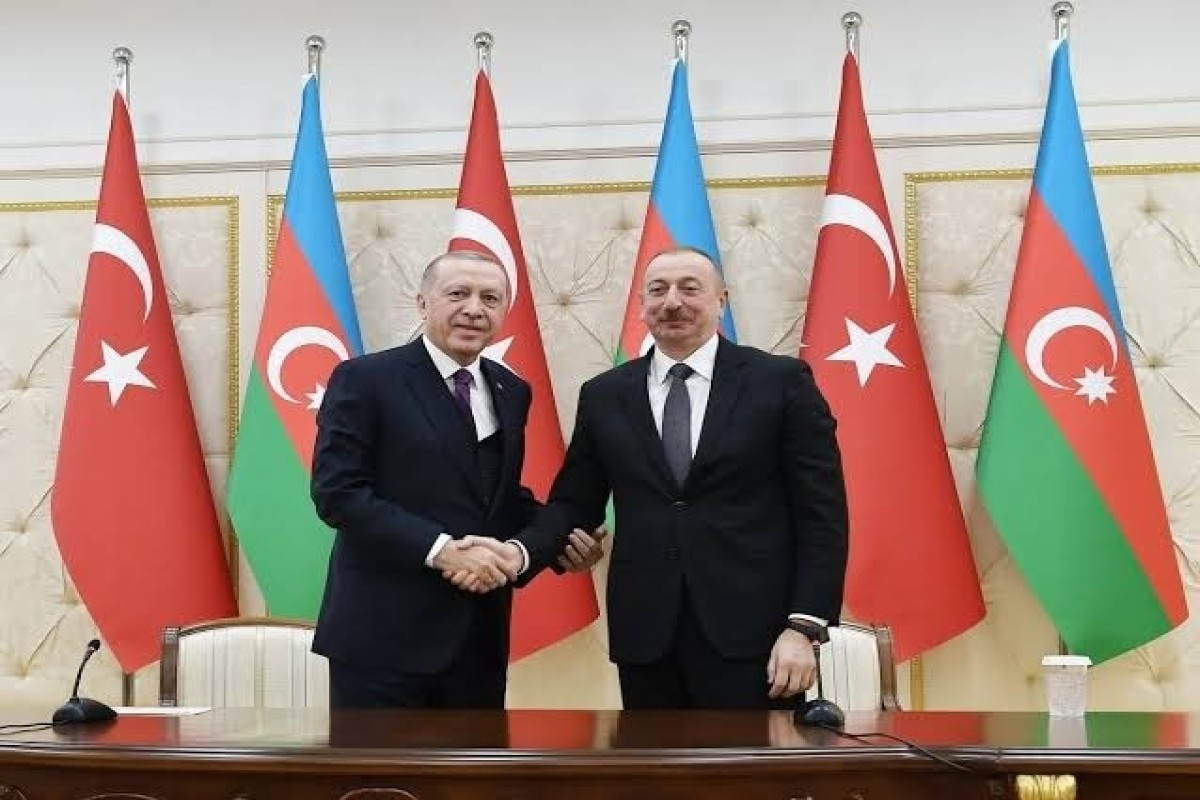
The American analyst also specifically highlighted the role played by President Ilham Aliyev in bringing the Azerbaijan-Armenia normalization process to its current stage.
“President Ilham Aliyev has played a decisive role in bringing the process to its current stage. His willingness to engage in negotiations and his support for shaping a new framework for regional connectivity have been important in creating the current opportunity for peace. His leadership has therefore made a significant contribution to the emergence of a new reality in the region,” the professor emphasized.
Felsen believes that the Washington process aimed at achieving peace between Azerbaijan and Armenia could become one of US President Donald Trump’s major foreign policy achievements in Eurasia.
“Bringing the leaderships of Azerbaijan and Armenia together and linking the peace process with regional economic integration is an important diplomatic achievement. However, its historic significance will ultimately depend on whether the agreements reached lead to lasting peace,” he said.
According to the professor, the main priority for the United States in the next stage should be the successful completion of the Azerbaijan-Armenia peace process and ensuring the full implementation of the agreements already reached.
Washington should support the conclusion of a final peace agreement, the maintenance of stability along the border, the implementation of transport projects and the establishment of mechanisms for resolving potential disputes.
The expert noted that the United States should also deepen cooperation with Azerbaijan and Armenia in energy, technology, investment and security, while encouraging peace to generate tangible economic dividends for both countries.
“The United States should work together with Türkiye, the European Union and its partners in Central Asia to transform the South Caucasus into a stable and prosperous regional corridor,” David Felsen concluded.



 Follow us on Telegram
 t.me/apanewsaz
 Follow us on Instagram
 Follow us on TikTok
 Follow us on Facebook
 Follow us on X