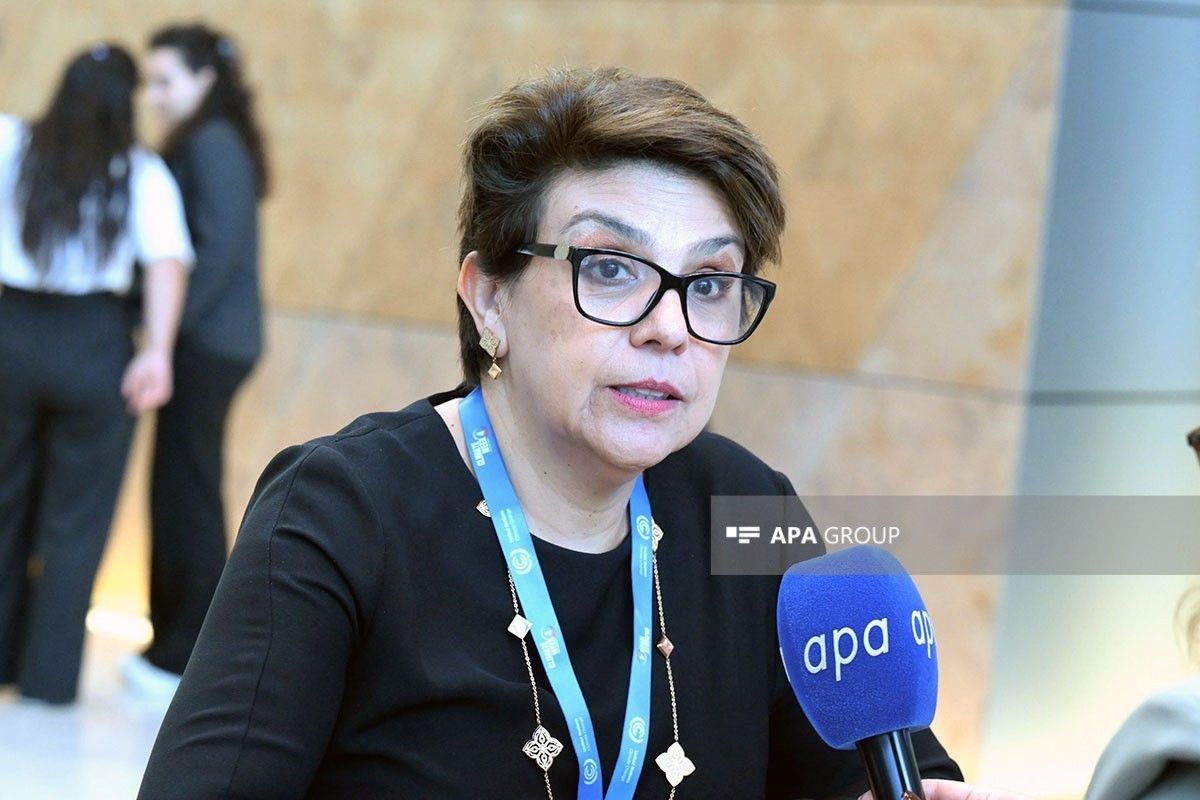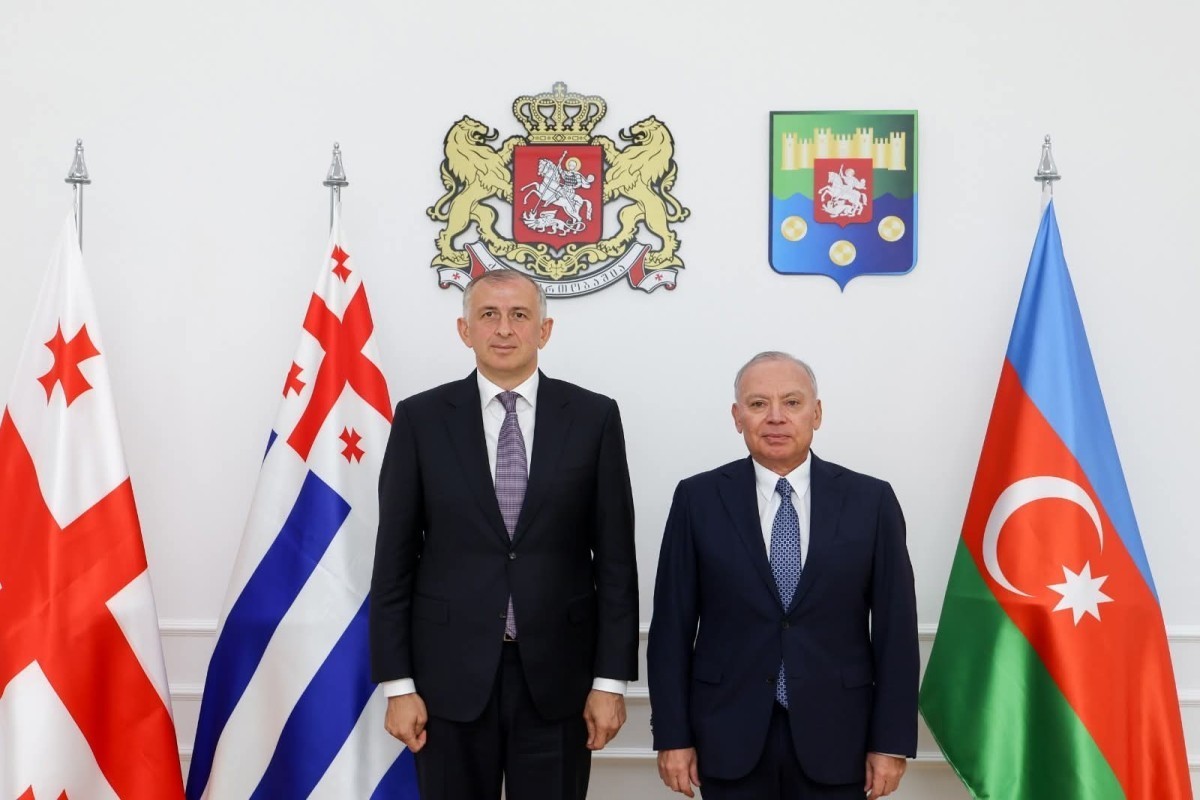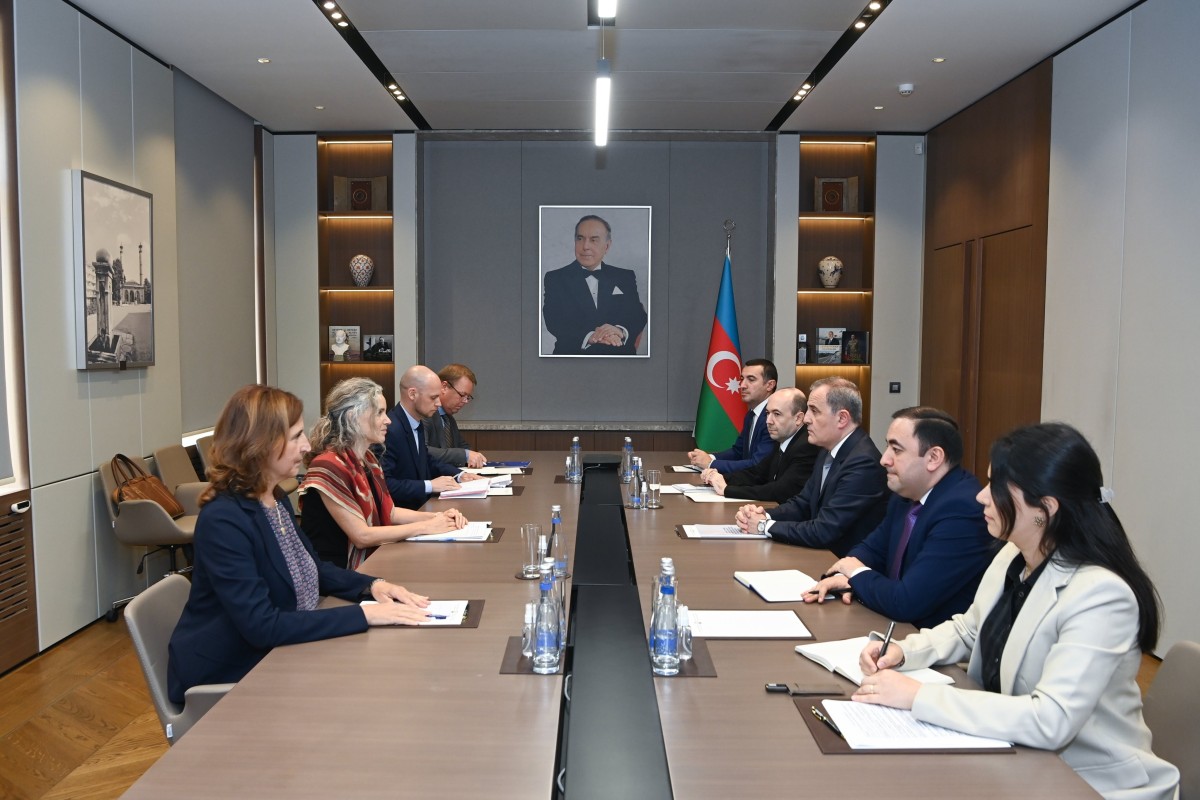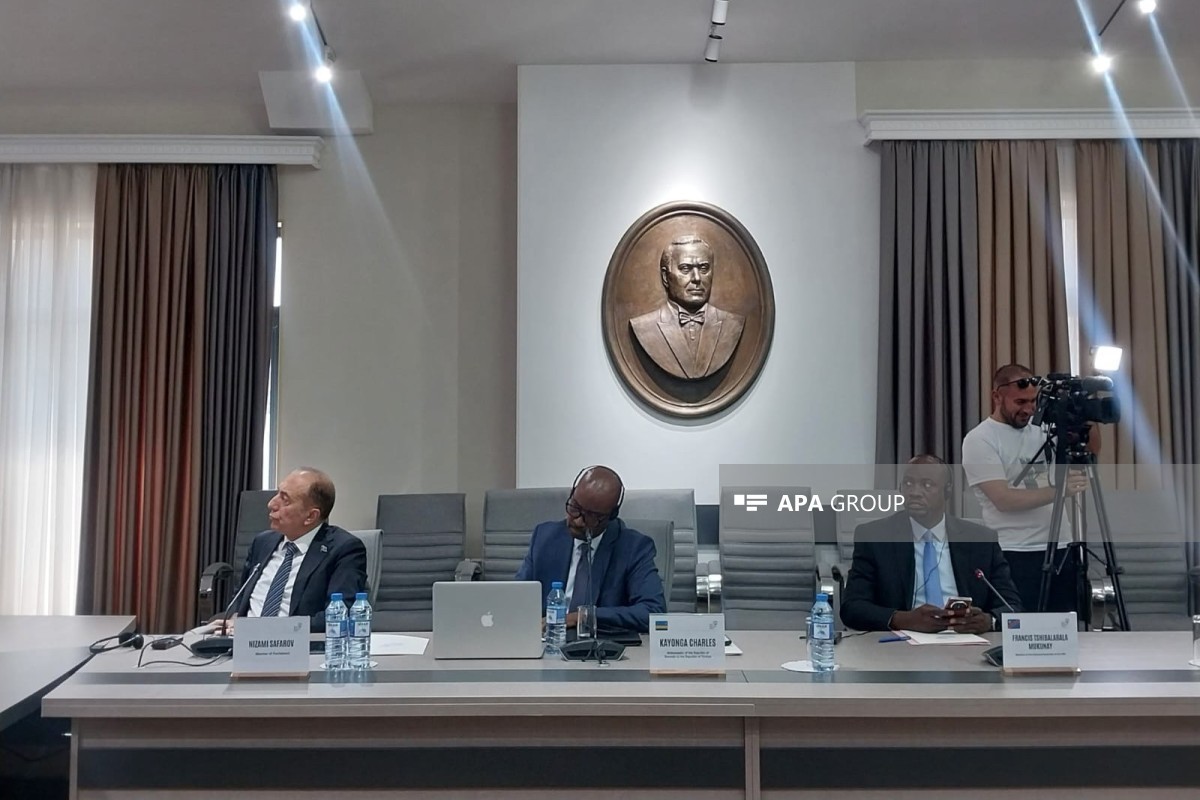

An international conference titled “Injustices of Belgian Colonialism and 101 Years of Struggle for Reparations” was held in Baku, organized by the Baku Initiative Group, APA reports.
The event was attended by officials from Belgium’s former colonies — the Democratic Republic of the Congo (DRC), Rwanda and Burundi — as well as from Morocco and South Africa, and representatives of the UN.
Abbas Abbasov, Executive Director of the Baku Initiative Group, noted that reparations should not be limited solely to financial compensation for the suffering experienced in the past. According to him, reparations should also serve to address the long-term legacy of colonialism and the problems created by those policies that persist to this day.
Paul Nsapu Mukulu, President of Congo’s National Human Rights Commission, stated that the Congolese people are among the peoples who have faced the greatest oppression throughout history and that one of the main tasks today is to address the consequences of past injustices.
The conference participants discussed advancing on the agenda of the UN, including the Human Rights Council, the issue of Belgium formally apologizing and paying reparations for crimes committed against the peoples of the Democratic Republic of the Congo (DRC), Rwanda and Burundi during the colonial period.
In addition, the development of an international binding mechanism to monitor the implementation of Belgium’s reparation and restitution obligations, in accordance with the principles enshrined in UN General Assembly Resolution 60/147, was also discussed.
The event also focused on ensuring full and unhindered access to Belgium’s colonial archives, involving experts from former colonial territories in the processes on an equal footing with international experts, and returning human remains and other historical materials to their countries of origin.


 Follow us on Telegram
 t.me/apanewsaz
 Follow us on Instagram
 Follow us on TikTok
 Follow us on Facebook
 Follow us on X