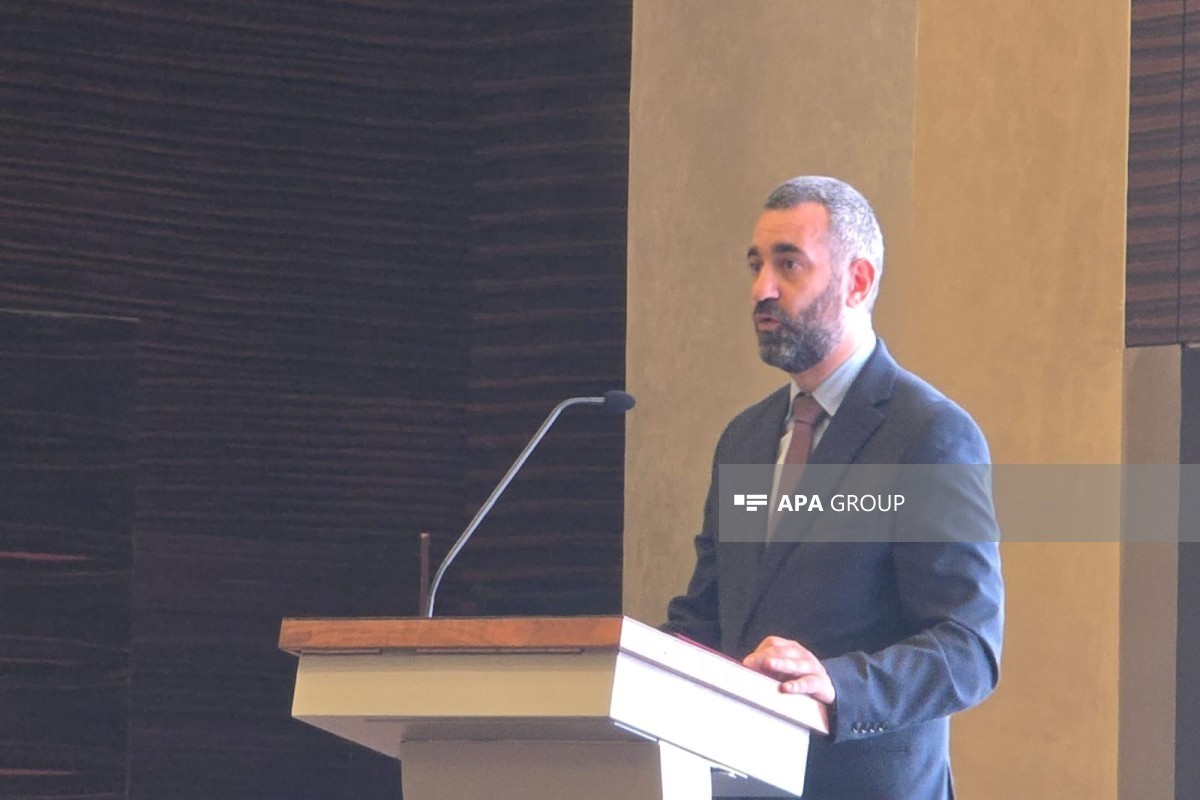

In 2025, employment growth in Azerbaijan was mainly driven by the private sector, with 75,000–80,000 new jobs created during the year, Wael Mansour, the World Bank's Lead Economist for the South Caucasus, said during the presentation of the "Azerbaijan Country Economic Memorandum – Spring 2026" report in Baku, APA-Economics reports.
According to him, positive dynamics in the labor market were maintained. The private sector played the leading role in job creation. As a result, the unemployment rate declined from 5.3% in 2024 to 5.2% in 2025.
Wael Mansour stated that the main reasons for the weakening of domestic demand in Azerbaijan in 2025 were the decline in public investment and weaker private consumption.
He noted that although government spending had for many years been the main driver of economic activity in the non-oil sector, a significant reduction in public investment as a result of fiscal consolidation had a negative impact on economic activity in construction and related sectors.
According to the chief economist, the slowdown in private consumption was due to slower wage growth and tighter conditions for consumer lending compared to 2024. As a result, households became more cautious in their spending.
Wael Mansour stressed that Azerbaijan's economic growth slowed to 1.4% in 2025. The main reasons were the decline in hydrocarbon production and weaker domestic demand. Nevertheless, macroeconomic stability was maintained, public debt remained low, strategic reserves stayed at a high level, and the banking sector preserved its resilience.
He added that although the current account surplus and the budget surplus declined amid falling hydrocarbon revenues, both remained positive. With public debt standing at around 20% of GDP, the government has ample fiscal space to respond flexibly to future external shocks and increase investments aimed at diversifying the economy.


 Follow us on Telegram
 t.me/apanewsaz
 Follow us on Instagram
 Follow us on TikTok
 Follow us on Facebook
 Follow us on X