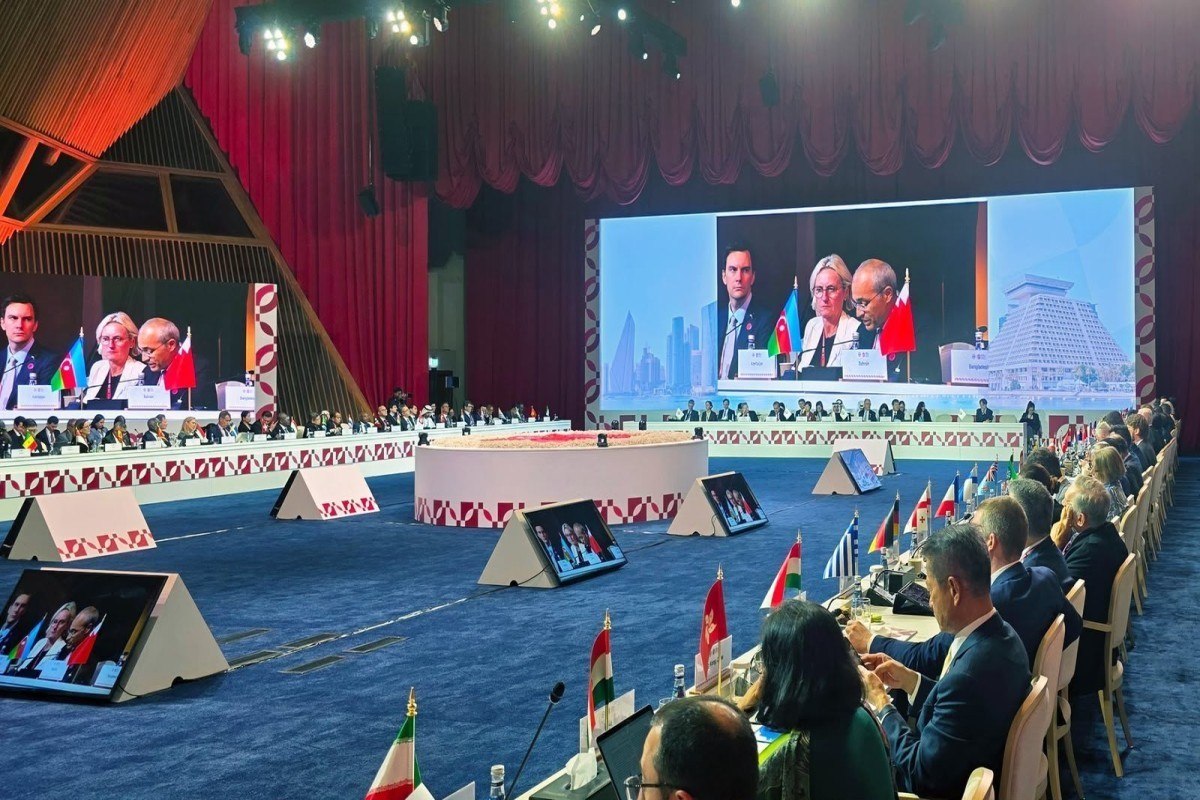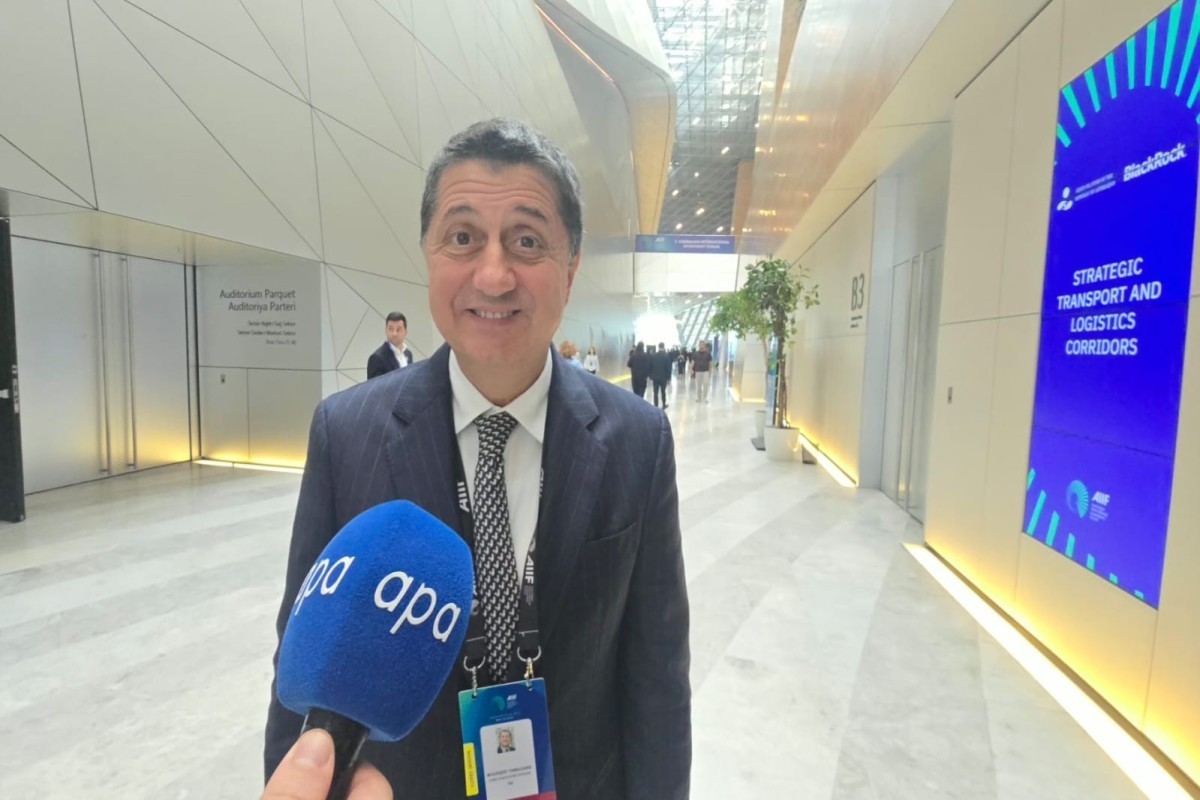


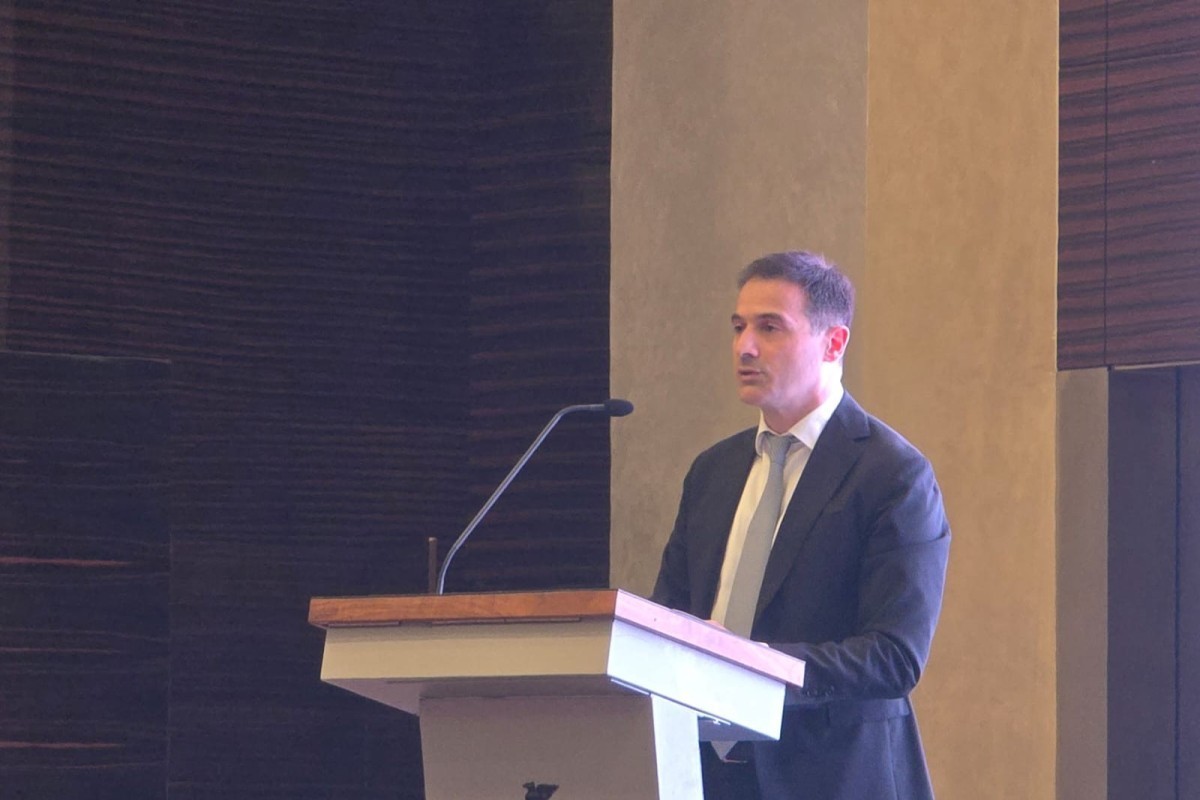

Despite geopolitical tensions, supply chain disruptions, and climate risks, Azerbaijan's external position remains favorable, Aliyar Mammadyarov, First Deputy Chairman of the Central Bank of Azerbaijan, said during the presentation of the World Bank's "Azerbaijan Country Economic Memorandum – Spring 2026" report, APA-Economics reports.
He stated that cooperation between Azerbaijan and the World Bank has developed steadily over the past 30 years, and the parties are currently jointly implementing the Country Partnership Framework covering 2025–2029.
Aliyar Mammadyarov noted that in the first quarter of 2026, the current account surplus amounted to USD 1.7 billion, or 9.5% of GDP. According to him, this figure is expected to reach 5.5% of GDP by the end of the year.
The First Deputy Chairman of the Central Bank stated that annual inflation stood at 5.6% in May, which is within the Central Bank's target range of 4±2%. According to him, inflation is mainly driven by external supply factors. Based on the Central Bank's May forecast, inflation is expected to reach 5.9% by the end of 2026 and 4.5% by the end of 2027.
Aliyar Mammadyarov noted that the capital adequacy ratio in the banking sector stands at 17%, the liquidity coverage ratio at 155%, and the share of non-performing loans at 2.9%, indicating the resilience of the financial sector.
According to him, three major structural changes are currently being observed in Azerbaijan's economy. These include the growing role of the non-oil sector in economic growth, the shift from non-tradable sectors such as construction to trade-oriented sectors such as transport and logistics, information technology, and the non-oil industry, as well as the gradual reduction of the economy's dependence on government spending for growth.
Aliyar Mammadyarov added that, according to the Central Bank's May forecast, Azerbaijan's GDP will grow by 1.1% in 2026. He stressed that economic diversification will be the main priority at the next stage of development, and tourism is one of the sectors with significant potential in this regard. The World Bank's report also includes practical recommendations on the development of tourism infrastructure, regional tourism destinations, and transport connectivity.


 Follow us on Telegram
 t.me/apanewsaz
 Follow us on Instagram
 Follow us on TikTok
 Follow us on Facebook
 Follow us on X