The European Union is intensifying discussions on how to seize Russia’s frozen central bank assets to provide financial and military aid to Ukraine, as concerns grow that the United States may scale back its support.
EU officials are considering using these assets as collateral for a proposed International Claims Commission, which would assess damages owed to Ukraine, people familiar with the talks told Bloomberg.
If Russia refuses to pay, the assets could be confiscated. The initiative follows signals from Washington that Ukraine may receive less assistance moving forward.
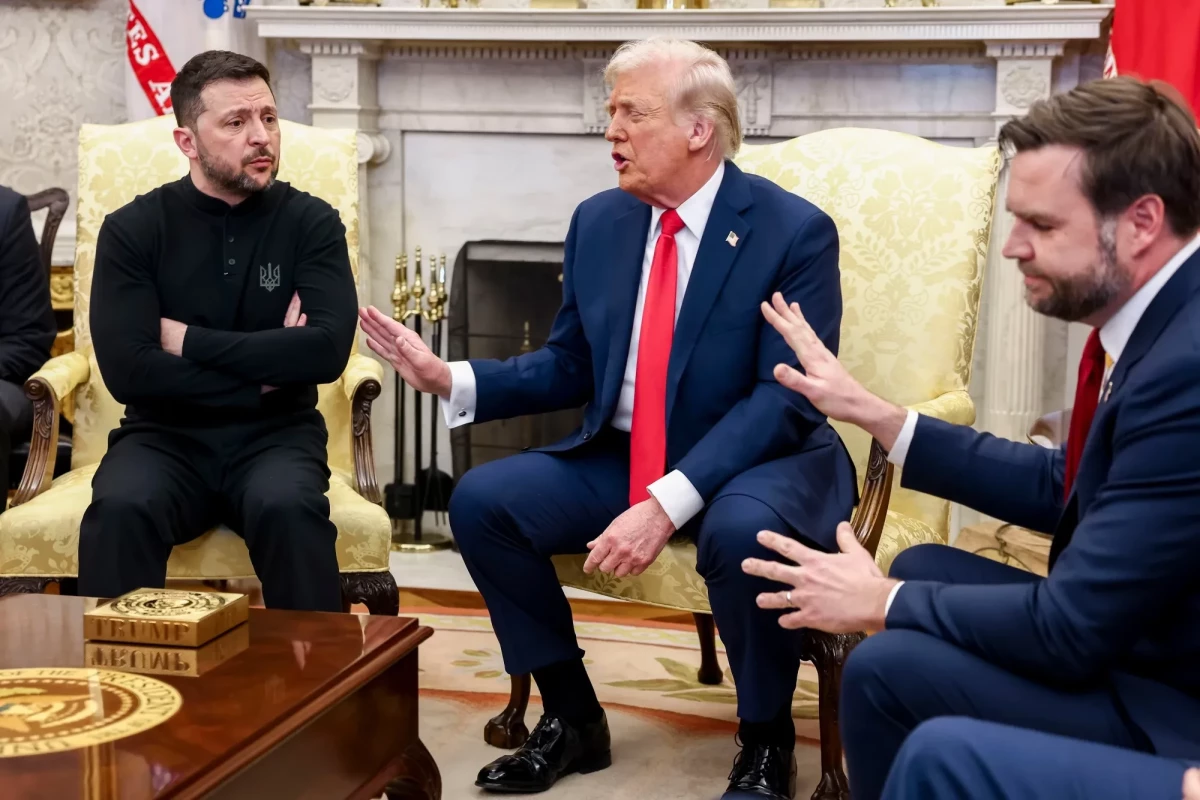
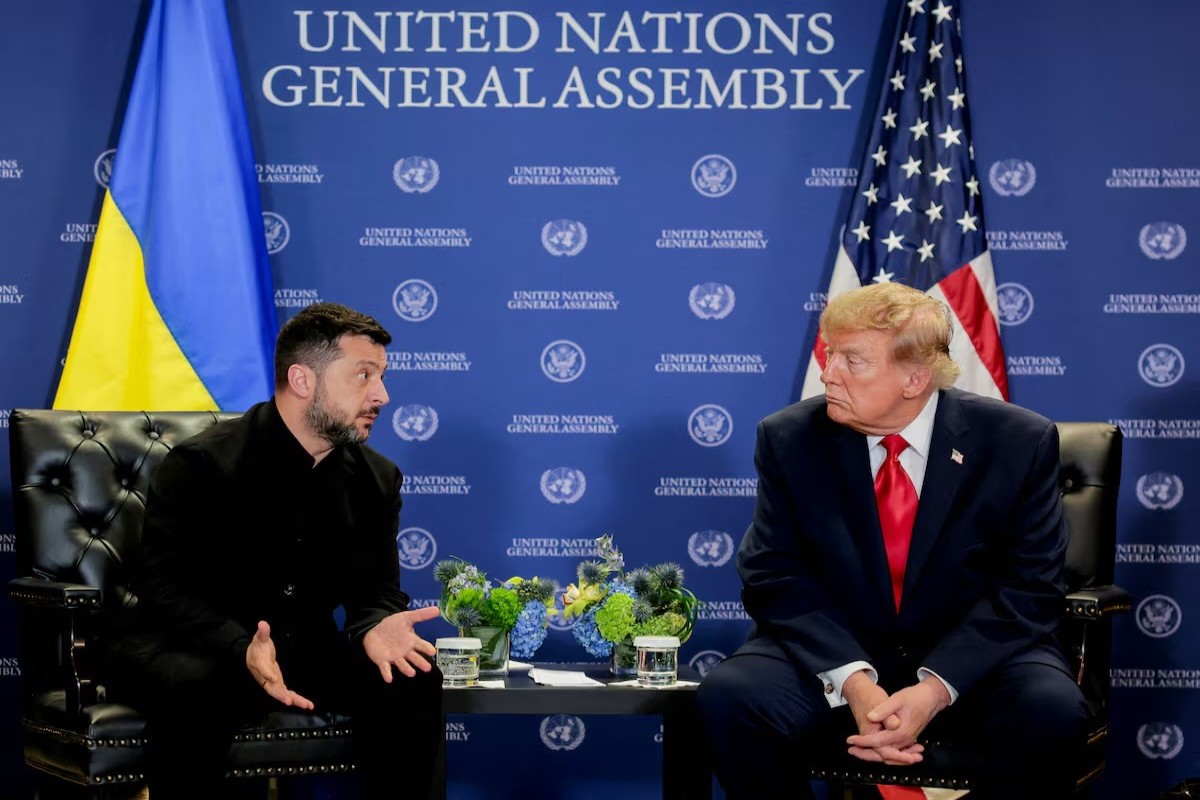
Discussions on asset seizure come amid escalating tensions between U.S. President Donald Trump and President Volodymyr Zelensky. Trump recently criticized Zelensky, calling him a "dictator" and falsely blaming Ukraine for Russia’s full-scale invasion.
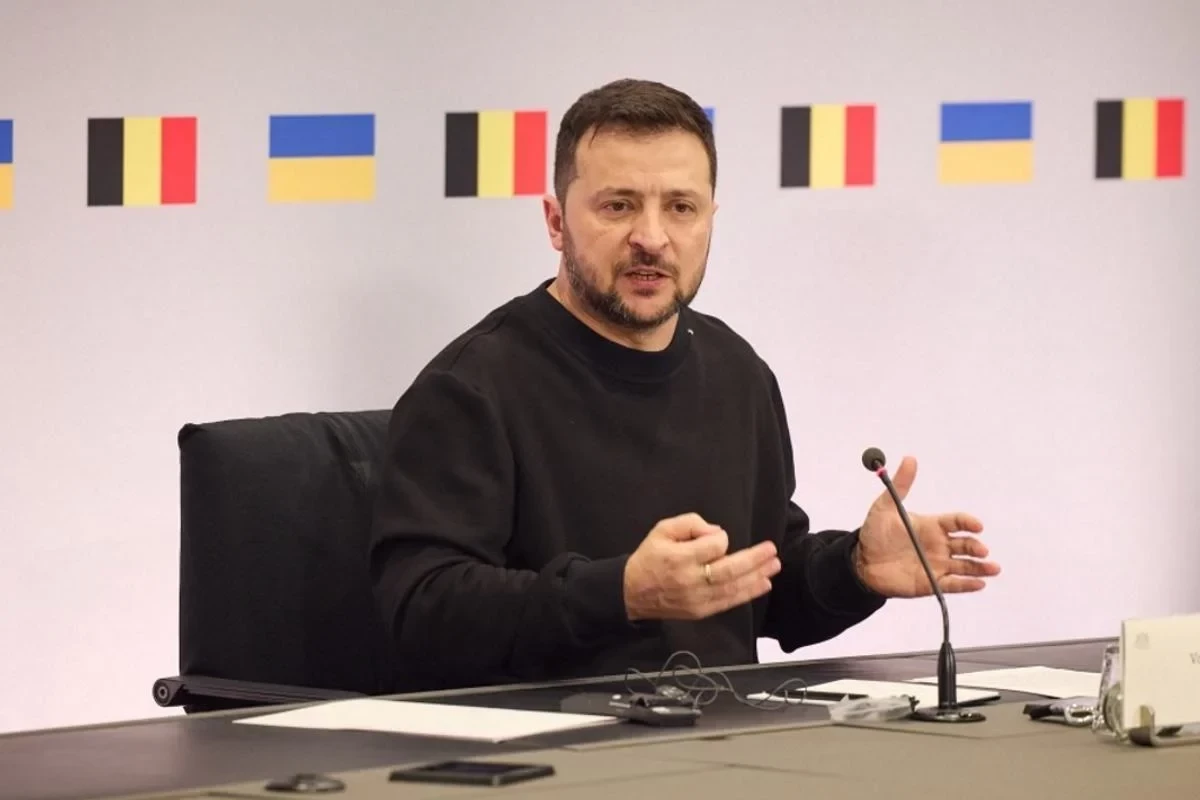
As a result, Zelensky has urged European leaders to take greater responsibility in ensuring Ukraine receives sustained financial and military backing. The EU, along with the Group of Seven and Australia, has already frozen approximately $280 billion in Russian central bank assets, primarily held by the Belgium-based clearing house Euroclear. An additional $58 billion in private Russian assets, including luxury properties and yachts, has been frozen under sanctions.


 Follow us on Telegram
 t.me/apanewsaz
 Follow us on Instagram
 Follow us on TikTok
 Follow us on Facebook
 Follow us on X