

After the issue of ratifying the Convention on the Legal Status of the Caspian Sea was put on the agenda, certain circles in Iran sprang into action. These circles began making statements claiming that the ratification of the document would be against the country’s interests. Interestingly, media outlets affiliated with Iran’s Islamic Revolutionary Guard Corps (IRGC), as well as other organizations representing the conservative-radical wing, predominate among those providing them with a platform and campaigning against the document.
Iran has not ratified the Convention for eight years
Note that the Convention on the Legal Status of the Caspian Sea was signed on August 12, 2018, at the Fifth Summit of the Heads of State of the Caspian littoral states in Aktau, Kazakhstan. Along with the Convention, the heads of state also signed other important documents arising from the Convention at the summit. These are the Protocol on Cooperation in Combating Organized Crime in the Caspian Sea, the Agreement on Trade and Economic Cooperation between the Governments of the Caspian Littoral States, the Agreement on Cooperation in the Field of Transport between the Governments of the Caspian Littoral States, the Agreement on the Prevention of Incidents in the Caspian Sea, and the Protocol on Cooperation and Interaction between Border Service Agencies.
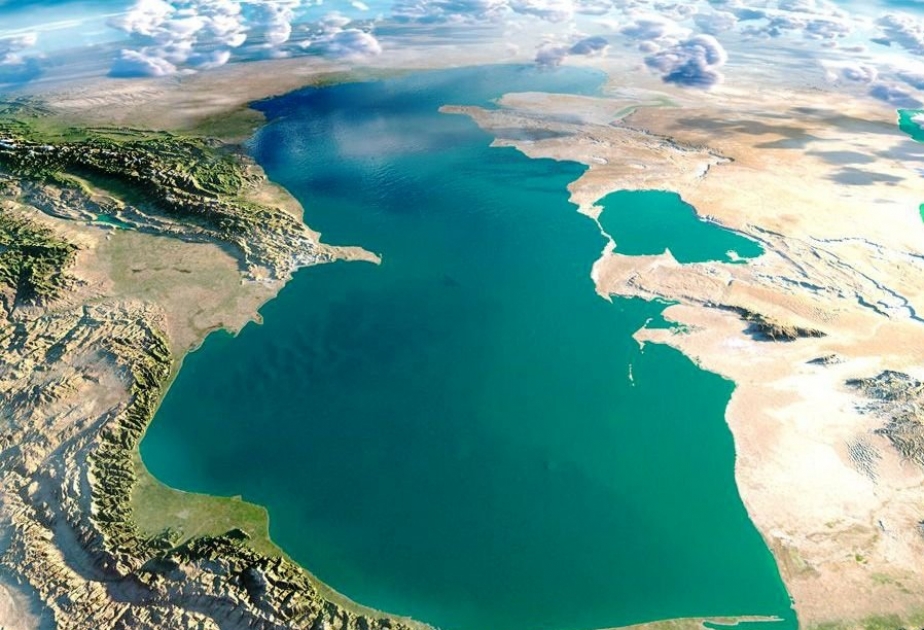
Interestingly, the Convention has already been ratified by four Caspian littoral states. The Azerbaijani Parliament approved the Convention on the Legal Status of the Caspian Sea on February 12, 2019.
Among the Caspian littoral countries, only Iran has taken no steps for the Convention to enter into force and has not ratified the document. Despite eight years having passed since the signing of the Convention, Iran’s failure to take any steps in this direction is, naturally, one of the main obstacles to the effective use of the sea. This is because, for any document to become operational, it is important for all the signatory parties to complete the legal procedure. Therefore, the fact that the Iranian side has begun taking legal steps regarding the Convention, albeit belatedly, should be welcomed as a positive development.
Iranian government sends document to parliament
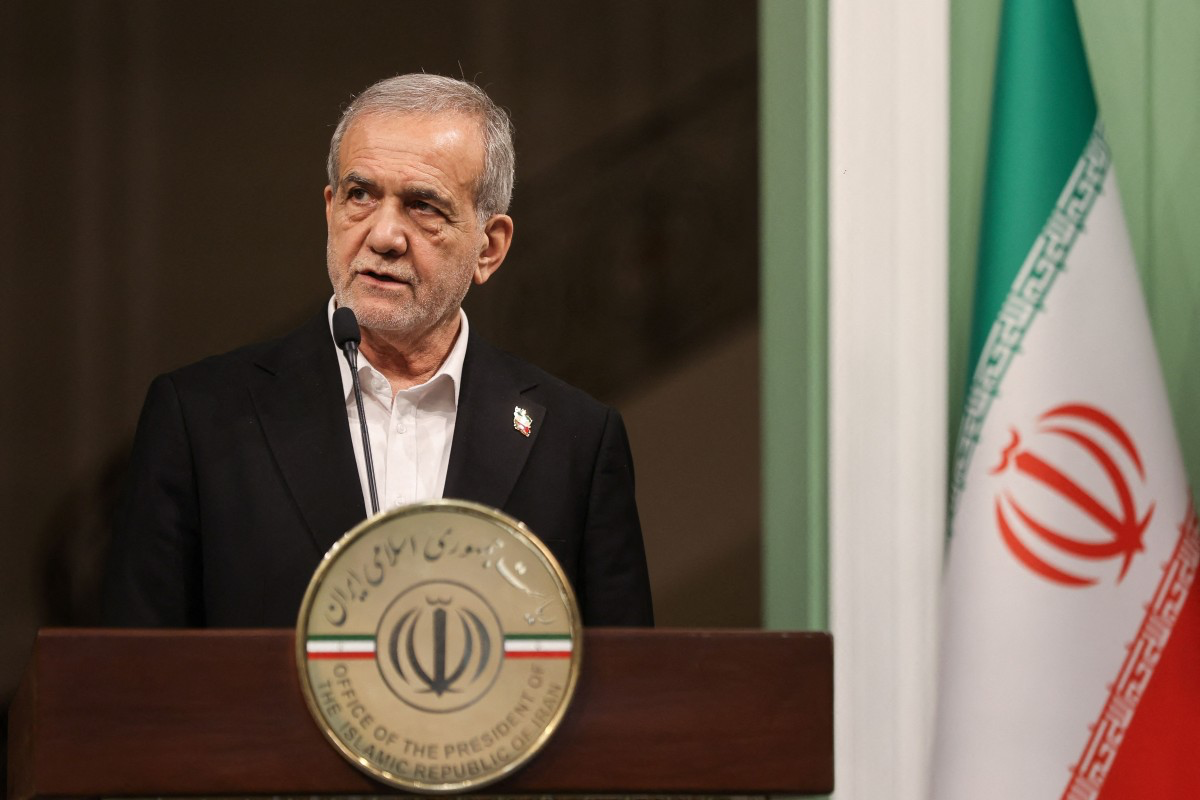
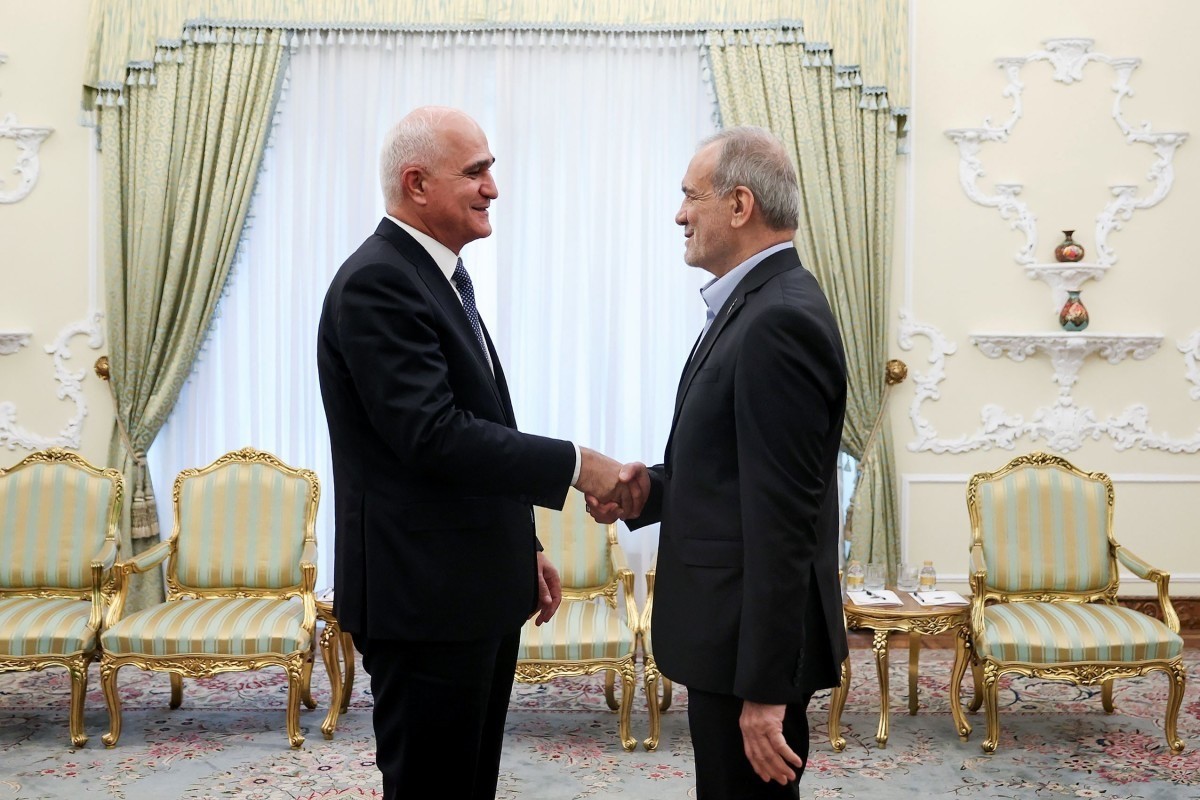
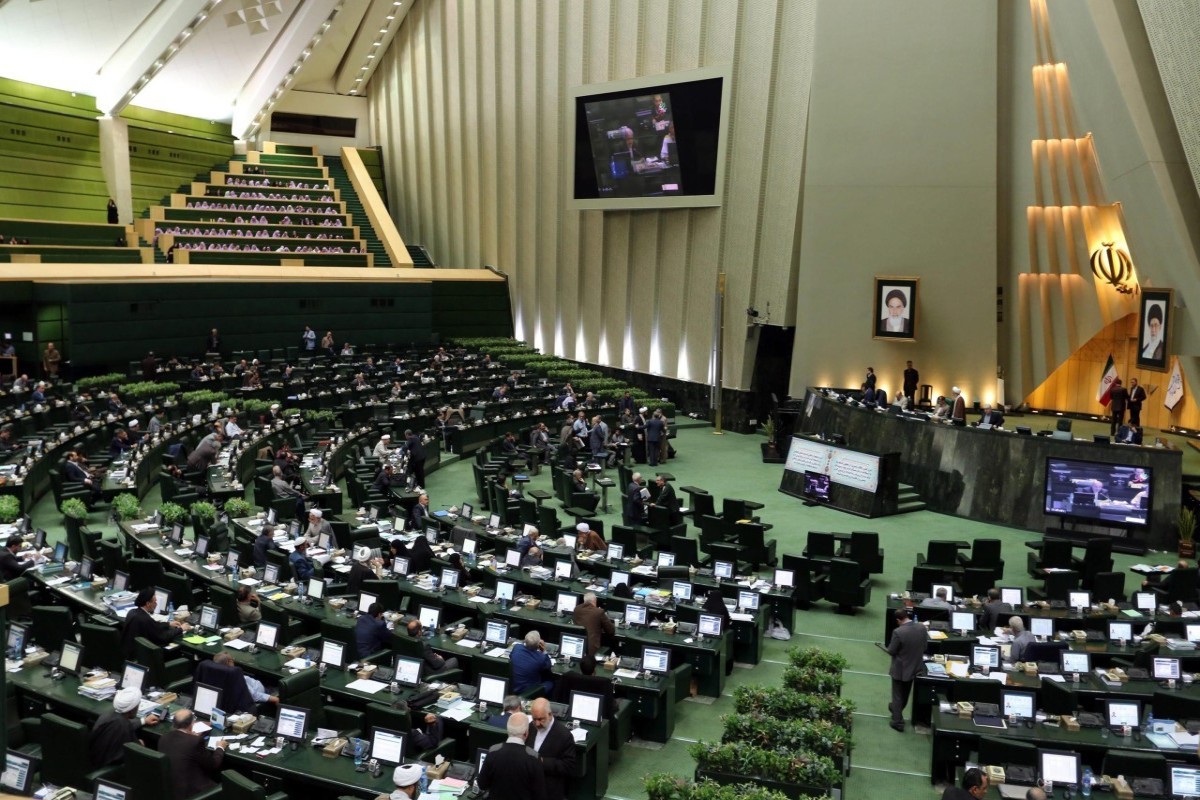
At a meeting of the Iranian Cabinet of Ministers chaired by President Masoud Pezeshkian on July 22 this year, a draft on Iran’s signing of the Convention on the Legal Status of the Caspian Sea was adopted and sent to the Islamic Consultative Assembly for discussion and approval or rejection. The draft was adopted with an “urgent” status, in Iranian political terminology. However, there is one noteworthy point: the government removed the provision concerning the boundaries of the sea and its seabed from the document submitted to parliament.
Note that the next summit of the Caspian littoral states is planned to be held in Tehran. This decision, adopted ahead of the summit, has become one of the main issues on Iran’s socio-political agenda.
What are anti-Azerbaijani experts concerned about?
Following reports that the Iranian government had submitted the Convention on the Legal Status of the Caspian Sea for ratification, Ahmad Kazemi, Ehsan Movahedian, Shoaib Bahman and other experts in Iran, particularly known for their anti-Azerbaijani stance, began openly campaigning against the Convention.
In addition, some media outlets, as well as social media platforms, are campaigning against Iran’s signing of the Convention. Some of the arguments put forward include claims that, as a result of ratification, the 20 percent share Iran seeks to obtain from the Caspian Sea would be reduced several times over and that the Convention would facilitate the implementation of the Zangezur Corridor.
On the other hand, experts and the media have presented the Convention’s failure to define the sea’s subsoil, seabed and airspace, as well as the non-adoption of four additional complementary documents and other similar issues, as factors that would weaken Iran’s position in future negotiations, and have called on parliament to refrain from ratification.
They particularly note that ratification of the Convention would allow neighboring countries to lay gas and oil pipelines along the seabed, which would undermine Iran’s geopolitical and transit significance.
Among those opposing the Convention are also those seeking to turn this process into a campaign against Azerbaijan. They believe that those who have brought this issue back onto the agenda amid the country’s current war and critical situation are members of a “lobby” and “spy network” linked to the Republic of Azerbaijan within the Iranian government. Following such absurd claims, these circles also argue that, by ratifying the Convention, Iran would go down in history as a government that “lost territories,” like the Qajar and Pahlavi governments.
Unfounded arguments of Convention opponents: Zangezur Corridor
On July 25, the Mehr News Agency of the Islamic Development Organization, which is subordinate to Iran’s Supreme Leader, interviewed Ahmad Kazemi on the issue. In the interview titled “Ratification of the Caspian Convention is a threat to Iran’s strategic interests,” he warned that the adoption of the Convention would have negative consequences for the country’s national security and territorial integrity.
Kazemi justified his claims by arguing that the passage of states from outside the region through the sea is not prohibited, that Iran’s share is small, and that ratification would lift the ban on laying oil pipelines along the seabed. In particular, he repeated disinformation against the Zangezur Corridor, stating that the latter provision would facilitate the opening of the corridor. Kazemi described this as granting Trump a “critical and strategic concession” at a time when the country is in a state of war and is engaged in a conflict over the Strait of Hormuz.
Another absurdity: Not Caspian, but “Kaspian,” “Mazandaran”...
In his remarks, the expert also made unfounded accusations against the Turkic states. He accused the Turkic states, which he referred to as the so-called Turkic world, of “siding with Israel” during the “Gaza genocide,” the war in Ukraine, as well as the US and Israeli military operations against Iran, claiming that there was “ample evidence” to prove this.
Kazemi also reiterated his disinformation accusing the Turkic world, in an unpleasant manner, of serving the “Anglo-Saxons and the Zionist front.” He also opposed calling the sea the Caspian Sea due to its association with the Jewish-origin Khazar tribes, considering it “appropriate” to use names such as “Kaspian,” “Mazandaran” and others.
Another expert, Ehsan Movahedian, in turn, voiced similar views against the ratification of the Convention in interviews with the IRGC-affiliated Fars and Fararu news agencies, as well as on his social media accounts.
Members of the Iranian parliament have also joined the campaign. Ahmad Bakhshayesh Ardestani, a member of the Iranian Parliament’s National Security and Foreign Policy Commission, said in an interview with the IRGC-affiliated Tabnak news agency on July 27 that the government should first secure a 20 percent share of the Caspian Sea for Iran in negotiations with the other littoral states, and only then could the Convention be ratified by parliament. The MP added that this issue could face objections from the littoral countries, particularly the Republic of Azerbaijan.
“Tabnak” calls for action against politicians who put ratification on the agenda
In an article published on July 25, the Tabnak news agency criticized the government’s decision on ratification, stating that amid the country’s current state of war, it could be regarded as “granting a strategic concession” to some neighboring countries, more specifically, the Republic of Azerbaijan. In addition, the article called on the security agencies to intervene in the process and take action against politicians who have brought the issue onto the agenda under the current circumstances.
The IRGC-affiliated Fars news agency also conducted separate interviews on the issue with experts such as Mohsen Mohammadi Alamouti and Dariush Safarnejad. The experts listed the determination of coastlines, as well as the boundaries of the subsoil and seabed, and other similar aspects as essential conditions before the ratification of the Convention.
Citing “the relations of some countries in the region with trans-regional countries,” Safarnejad called on MPs to take into account such aspects as national interests, historical rights and security before ratifying the Convention. At the same time, he called on the government to formally demand that supplementary agreements related to the Convention be prepared and signed at the next meeting of the Caspian littoral states.
Other articles and expert opinions published in the media have also called for the Convention not to be ratified, citing the arguments listed above. At the same time, many provisions of the text of the Convention have been described as legally and politically contradictory and ambiguous.
IRNA and former ambassador consider ratification important
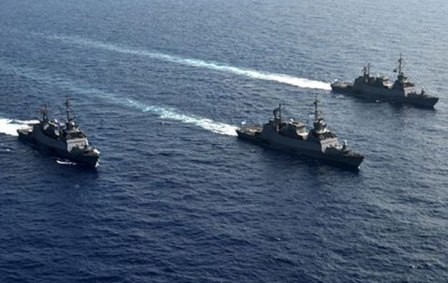
Despite the hardline stance taken by the conservative-radical wing, the official IRNA news agency rejected all the claims in an article published on August 3. The article indirectly referred to Azerbaijan’s exercises with Türkiye and Pakistan in the Caspian Sea. The government’s efforts to secure the ratification of the Convention under the current circumstances were primarily linked to security issues, such as preventing trans-regional countries from using the Caspian Sea for military purposes. The article was later republished in its entirety by the Khabar Online news agency.
IRNA also cited the views of political expert Mohsen Pakayin, Iran’s former ambassador to Azerbaijan, on the issue. In his remarks, Pakayin emphasized the importance of ratifying the Convention on the Legal Status of the Caspian Sea. The former ambassador noted that delaying the ratification of the Convention could weaken Tehran’s position in fishing, shipping, environmental issues and other areas.
Pakayin also commented on claims periodically raised by Iranian society and some political circles that Iran should, in fact, claim 50% of the Caspian Sea. He stressed that there is no legal document supporting such claims. “There is no historical treaty or legal document confirming that Iran owns 50% of the Caspian Sea. Such a share was not determined even when the USSR existed,” the former diplomat said.
Government’s position
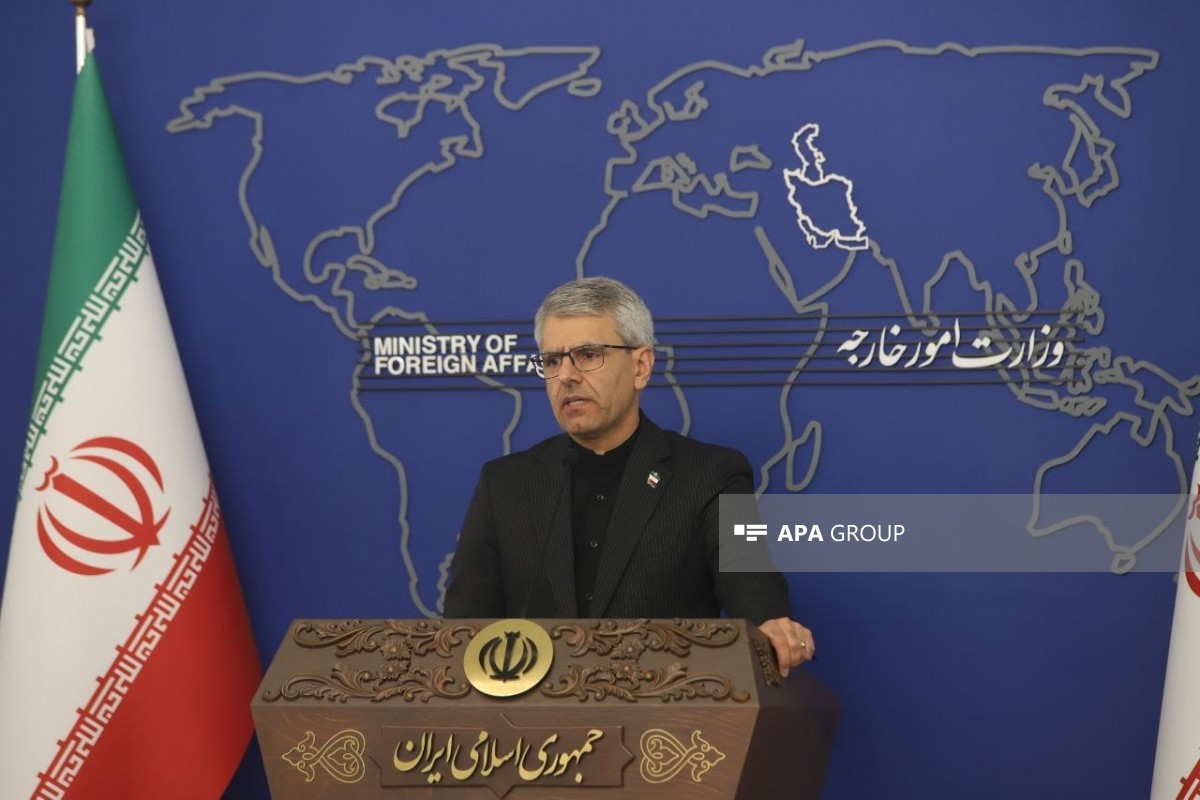
Despite the large-scale campaign against the approval of the Convention, Iranian Foreign Ministry spokesperson Esmail Baghaei expressed support for the ratification of the document at a press conference held on August 1. He said that this would create a clear legal framework among the littoral states, thereby preventing possible misuse of the sea by trans-regional countries. The diplomat also expressed hope that parliament would approve the document soon.
“Monarchists” also oppose ratification of the Convention
The issue of ratifying the Convention has also drawn the attention of Iranian politicians living abroad. The issue has become a topic of discussion on international Persian-language information resources run by Iranian political dissidents. Both opposing and supportive positions on the ratification of the document have been expressed in discussions and published articles.
Reza Pahlavi, the leader of the dissident “monarchist” political movement and supporters of the Shah’s regime, also commented on the issue on his official X account on August 6. He, too, expressed a position close to that of the opponents of the Convention. Referring to the agreements on the Caspian Sea signed between the USSR and Iran in 1921 and 1940, Reza Pahlavi stated that the legal status of the “Kaspian Sea” had been formed on the basis of the principles of common rights, as well as agreement and mutual interests. Emphasizing that, under the Alma-Ata Declaration signed in 1991, the newly independent states remained committed to the international documents signed by the USSR, Reza Pahlavi said that any change to the legal status of the sea should therefore be made with the common consent of all littoral states and with full respect for the rights of the Iranian people.
He noted that the Islamic Republic is currently in a weak position and is seeking to ratify the Convention in order to preserve its own existence. Reza Pahlavi said that the process was being carried out without the will of the Iranian people and without transparently and fully guaranteeing the country’s “historical rights,” calling it a “worrying step” and a “serious threat to Iran’s national interests.”
Will the government be able to overcome the IRGC obstacle?
The discussions surrounding the ratification of the Convention on the Legal Status of the Caspian Sea in Iran suggest that the process will not be so easy to finalize. In particular, the strong opposition from the IRGC, which holds significant influence in the country, and other members of the conservative-radical wing is considered one of the main obstacles facing the Iranian government.
Will the government be able to overcome this obstacle and secure the approval of the Convention? Time will tell.


 Follow us on Telegram
 t.me/apanewsaz
 Follow us on Instagram
 Follow us on TikTok
 Follow us on Facebook
 Follow us on X