

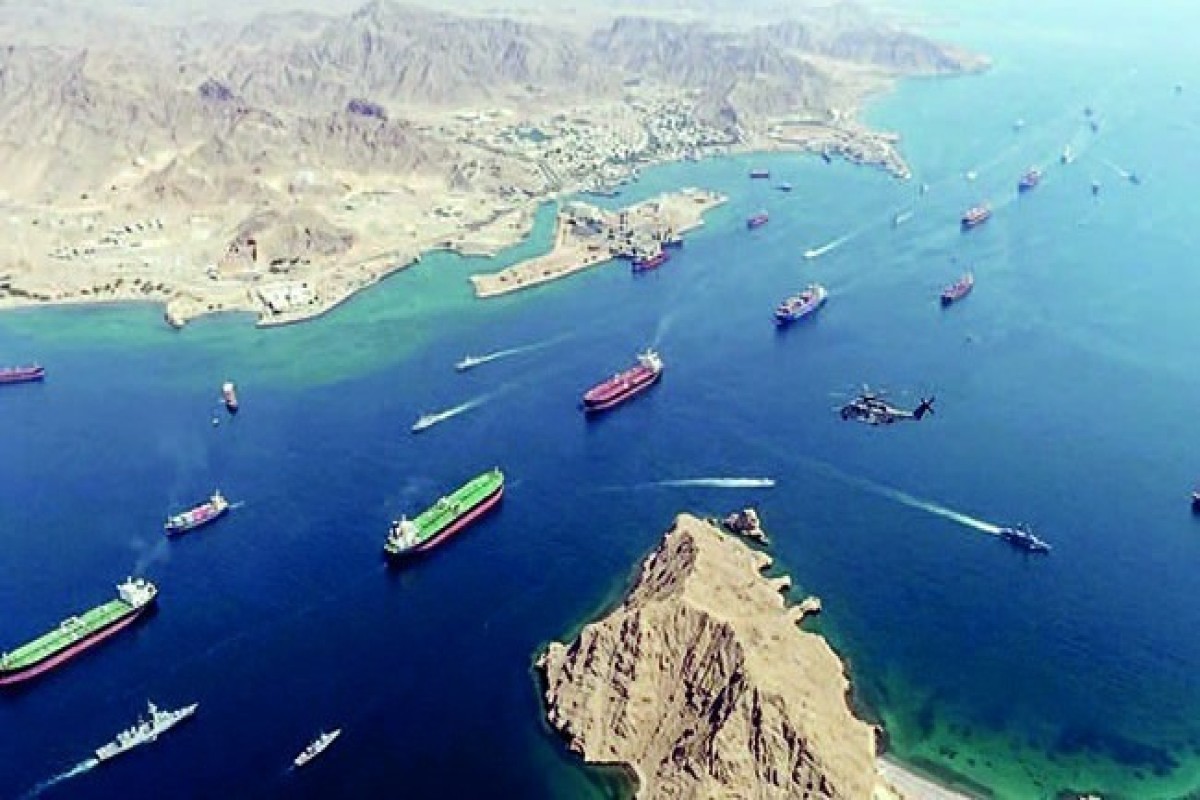


The number of daily ship transits through the Strait of Hormuz has declined sharply, stated in a report by the United Nations Department of Economic and Social Affairs (UN DESA), APA-Economics reports.
According to the report, an average of 85 ships passed through the Strait of Hormuz per day in 2025, but this figure fell to single digits in April and May 2026. Although the number of daily transits increased to approximately 25 in late June and early July, the recovery was short-lived.
By mid-July, the number of ships passing through the strait had fallen again to around 10 per day, dropping to just five in early September.
The UN notes that restrictions on passage through the Strait of Hormuz have had a significant impact on the global energy market. According to estimates by the International Energy Agency (IEA), energy supply losses from the Middle East averaged 10.7 million barrels per day between March and July 2026. Global oil inventories declined by 410 million barrels between the start of the conflict and the end of July.
The report also states that shortages in crude oil supplies have led to a sharp decline in global oil refining. In July, refining volumes were approximately 5 million barrels per day lower than in the same period of the previous year.
The UN notes that prices of fuel products, particularly diesel, remain near historical highs and are expected to stay elevated until the end of 2026.


 Follow us on Telegram
 t.me/apanewsaz
 Follow us on Instagram
 Follow us on TikTok
 Follow us on Facebook
 Follow us on X