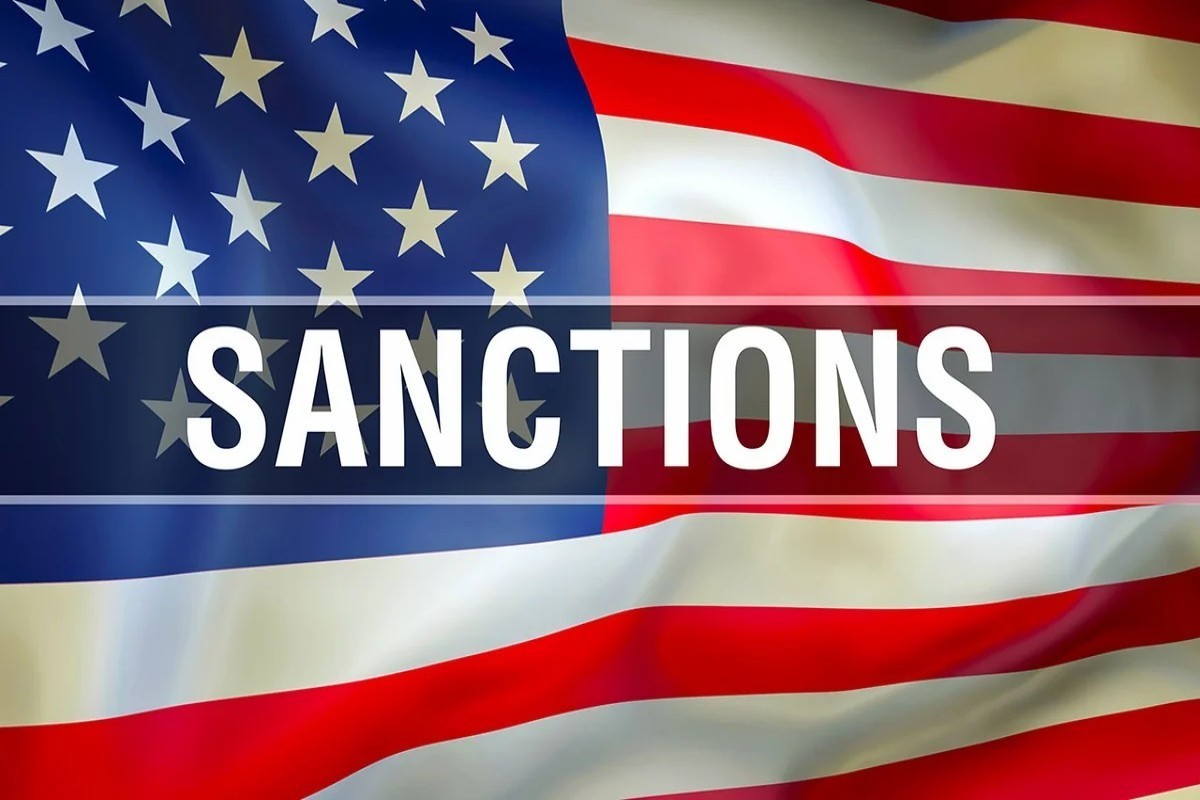

US President Donald Trump’s administration imposed sanctions on the International Criminal Court on Friday, hours after one of its former judges won the Nobel Peace Prize, putting Washington on a diplomatic collision course with European allies, Reuters reports.
The Trump administration has long been hostile to the court and has previously imposed sanctions on its prosecutors and judges. Friday’s move would go far further, by potentially punishing companies that provide services to the court itself.
“President Trump will never allow the International Criminal Court to prosecute Americans,” Secretary of State Marco Rubio said in a statement reviewed by Reuters ahead of the official announcement.
“That is why, today, the United States is sanctioning the International Criminal Court. We will ban transactions with this rogue court, cutting off their resources and crippling its ability to operate.”
Washington has long been angry over ICC arrest warrants issued for Israeli officials including Prime Minister Benjamin Netanyahu, and over a past investigation into actions of US soldiers in Afghanistan which the ICC has since closed.
The court, founded in 2002 to prosecute war crimes, crimes against humanity and genocide, counts 125 countries as member states, including all EU countries and all members of the NATO alliance apart from the United States and Türkiye.
It has received strong public backing in the past from member countries including major US allies, and is based in the Netherlands, an EU and NATO member.
Navi Pillay, the South African jurist who won the Nobel Peace Prize on Friday for her work in international criminal justice, served as a judge on the ICC’s Appeals Chamber from 2003-2008. In its citation, the prize committee said it had sought to “issue a reminder” at a time when “judges and institutions of international law are under political attack”.
“An international legal system in which war criminals are held to account and the victims of abuse see justice served is a precondition for a peaceful world,” the committee said.
Rubio said the sanctions had been structured to give the court and its member states an opportunity to address US concerns.
He did not provide further details, but a senior State Department official said the US Treasury would issue a set of licenses “to protect American interests”, an apparent reference to temporary exemptions to some sanctions.


 Follow us on Telegram
 t.me/apanewsaz
 Follow us on Instagram
 Follow us on TikTok
 Follow us on Facebook
 Follow us on X