










Baku – APA. Chinchilla has consistently led in the polls and a victory in Sunday’s elections would make her the country’s first female president. She’s currently teetering near the 40 percent mark — anything below that and a runoff is in order, APA reports citing “Global Postâ€.
The former vice president falls somewhere around the center or center-right on the political spectrum, and was groomed within the social democratic tradition of the National Liberation Party (PLN). She’s like the Democrats’ Clinton or Labour’s Blair, explained Constantino Urcuyo, a leading Costa Rican political analyst and professor at University of Costa Rica. In other words, she can reach out to both sides of the aisle if she needs to.
Chinchilla’s mind matured in left-wing college halls at a time when Costa Rica’s neighbors were crumbling into civil war. During her years in the early 1980s at the University of Costa Rica, Chinchilla wore clothes with indigenous patterns and colors common to the university’s leftist student body, recalled Urcuyo, with whom she studied and later worked as a professor’s assistant.
Alvarez 50, an adviser at the World Bank in Washington, D.C., said Georgetown was wowed by her intellect. “She’s a lightning rod.â€
Today, bearing the PLN’s green and white, the 50-year-old politician is confident she will become Latin America’s newest female president, a growing list recently graced by outgoing Chilean President Michelle Bachelet and Argentine President Cristina Fernandez de Kirchner. Costa Rica’s closest neighbors, Panama and Nicaragua, both have achieved that milestone.
Chinchilla isn’t the first female presidential candidate. But given Costa Rica’s progressive legislation on women in politics, it’s a wonder it has taken so long for a woman to get this far.
By law, women must make up 40 percent of a party’s seats in the Legislative Assembly, and by 2014, the law mandates a 50-50 split. That’s well above the world average. As of 2008, women occupied 18 percent of parliamentary seats worldwide, according to the International Women’s Democracy Center.
Parties also are obligated to include at least one woman on the ballot for their executive branch bids, whether for one of the two vice presidencies or the presidency.


 Follow us on Telegram
 t.me/apanewsaz
 Follow us on Instagram
 Follow us on TikTok
 Follow us on Facebook
 Follow us on X
Americas
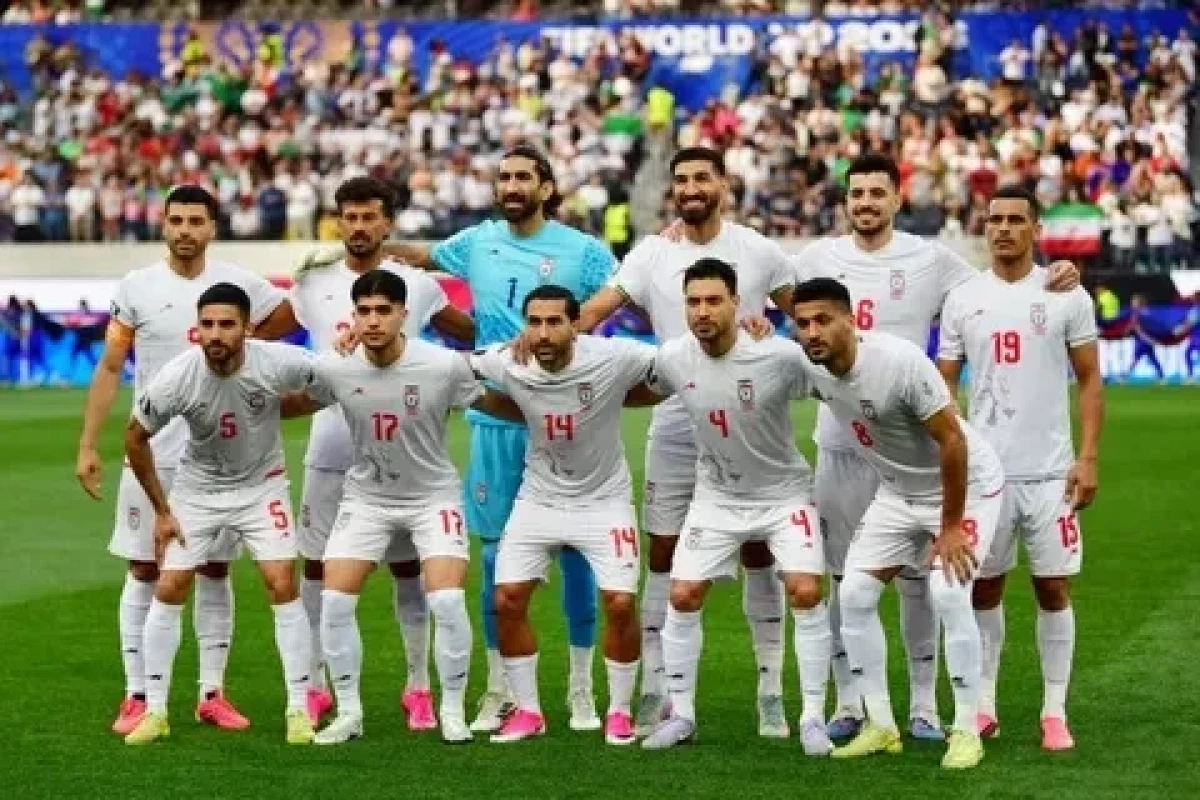
US government softens stance on Iran’s World Cup team entering country ahead of showdown against Egypt
 09:24
09:24
 24 June 2026

Trump: US needs less than a week to finish job in resuming war with Iran
01:49
24 June 2026
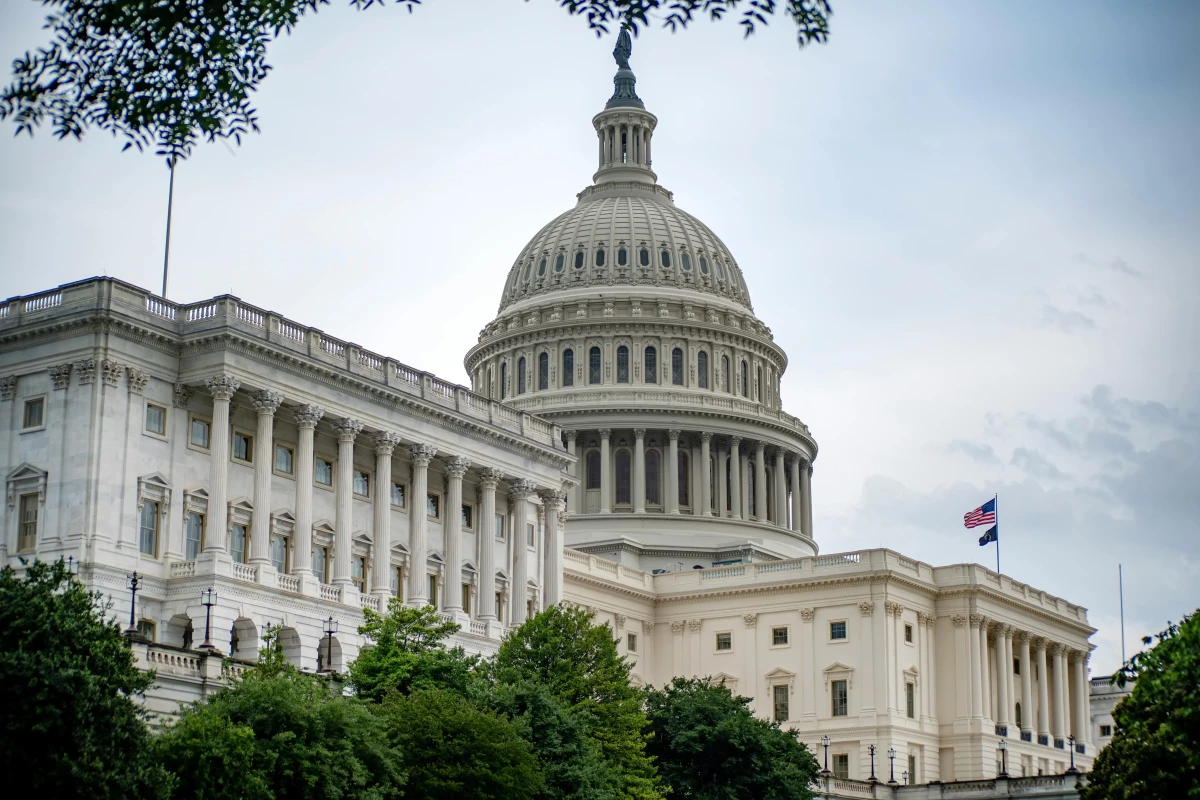
US Senate votes to halt Iran war in latest rebuke of Trump
01:20
24 June 2026

Trump believes ceasefire in Lebanon will become reality
23:18
23 June 2026

NEWS FEED
Azerbaijan assumes chairmanship of the Parliamentary Union of OIC member states - UPDATED
15:24
24 June 2026
AZAL’s first Airbus A321neo delivered in Hamburg - PHOTO
15:23
24 June 2026
AZAL: New Airbus A321neo can be safely operated on any route - VIDEO
15:20
24 June 2026
Iran says access to attacked nuclear sites depends on final US deal
15:14
24 June 2026
Katz vows IDF won’t withdraw from south Lebanon ‘even if there’s an American demand’
15:02
24 June 2026
Media representatives visit Airbus production facility in Hamburg - PHOTO
14:50
24 June 2026
President Ilham Aliyev received delegation led by Speaker of Grand National Assembly of Türkiye
14:49
24 June 2026
Azerbaijan's insurance market grows by nearly 2% this year
14:39
24 June 2026
Erdoğan: Israel has been doing everything it can for 10 days to undermine a US-Iran agreement
14:39
24 June 2026
Lavrov: Diplomatic solution to Ukraine crisis remains possible
14:37
24 June 2026
France confirms first Ebola case in doctor returning from DR Congo mission
14:04
24 June 2026
Tehran's Mehrabad Airport to close due to Ali Khamenei's funeral ceremonies
13:52
24 June 2026
Ukraine hits two airfields and air defence systems in Crimea, including Pantsir-S1 units
13:51
24 June 2026
Drones strike major Russian gas processing plant 1,500 km from Ukraine
13:40
24 June 2026
Azercell and Samsung launch a new campaign
13:29
24 June 2026
Presidential aide: Main goal in cotton farming by 2030 is to increase average yield to 50 centners per hectare
13:27
24 June 2026
Peskov: Armenia is currently choosing its path of development
13:20
24 June 2026
AZAL: Today's Baku-Nakhchivan-Baku flights cancelled
13:09
24 June 2026
Central Bank of Azerbaijan preparing amendments to compulsory insurance regulations
13:02
24 June 2026
Azerbaijan extends special quarantine regime until October 1, 2026
12:57
24 June 2026
Sabirabad executive authority head: State Program will strengthen food security and non-oil sector growth
12:53
24 June 2026
Conference dedicated to Azerbaijan's position as a middle power held - PHOTO
12:45
24 June 2026
Azerbaijan's social reform achievements presented at UN Forum
12:43
24 June 2026
Numan Kurtulmuş: PUIC chairmanship passing to Azerbaijan is extremely important for us
12:43
24 June 2026
Azerbaijani President: We have always felt the consistent support of the OIC
12:20
24 June 2026
President Ilham Aliyev addressed participants of 20th Session of OIC Parliamentary Union Conference - UPDATED
12:15
24 June 2026
Presidential aide: Investment under the State Program will amount to approximately 700 million manats
12:11
24 June 2026
Airbus: Azerbaijan is a strategically important country for aviation
12:09
24 June 2026
Turkish Parliament to ratify memorandum on strengthening military security cooperation with Azerbaijan
12:07
24 June 2026
Numan Kurtulmuş: International platforms such as the OIC need reforms
12:04
24 June 2026
Eurasian Development Bank: Transport sector among key priorities for future cooperation with Azerbaijan
12:02
24 June 2026
First A321neo aircraft for AZAL to be delivered today - PHOTO
12:01
24 June 2026
Azerbaijan's insurance market doubles over past four years
11:59
24 June 2026
Central Bank of Azerbaijan preparing new development strategy for insurance sector
11:58
24 June 2026
Crimea and Sevastopol left without electricity-UPDATED
11:57
24 June 2026
GNAT Speaker comments on Azerbaijan-Armenia normalization process
11:56
24 June 2026
Ghalibaf: Islamabad memorandum reached with the US is a defeat for Washington
11:52
24 June 2026
Azer Amiraslanov: Business reforms may remain incomplete without a modern insurance sys
11:46
24 June 2026
Embassy: Kazakhstan-Azerbaijan logistics cooperation is developing rapidly
11:45
24 June 2026
Speaker of Parliament: Azerbaijan remains fully committed to advancing the goals of the PUIC Conference
11:44
24 June 2026
President Ilham Aliyev: Azerbaijan has always attached great importance to the protection of Islamic values
11:34
24 June 2026
President: Crimes committed against Islamic cultural heritage on our lands are a clear manifestation of Islamophobia
11:24
24 June 2026
Cash foreign currency purchases in Azerbaijan exceed sales by $311 million
11:15
24 June 2026
CBA: Risk-based supervision to be fully implemented in the insurance sector in the next phase
11:13
24 June 2026
Azerbaijan and Israel discuss prospects for startup cooperation - PHOTO
11:08
24 June 2026
Two killed in drone attack in Russia's Nizhny Novgorod region
11:01
24 June 2026
Eldar Namazov: Azerbaijan is expanding its influence beyond the region
10:53
24 June 2026
Azerbaijan and Israel discuss cooperation opportunities in water technologies - PHOTO
10:53
24 June 2026
11th Azerbaijan International Insurance Forum kicks off in Baku - PHOTO
10:48
24 June 2026
Belarusian Ambassador: Development of transport and logistics ties with Azerbaijan is of great importance
10:44
24 June 2026


