

Just a week ago, Jessika Roswall, a centre-right European commissioner, painted an idyllic image of the Schengen area, praising the “seamless journeys” made possible by “decades of European cooperation,” Euractiv reports.
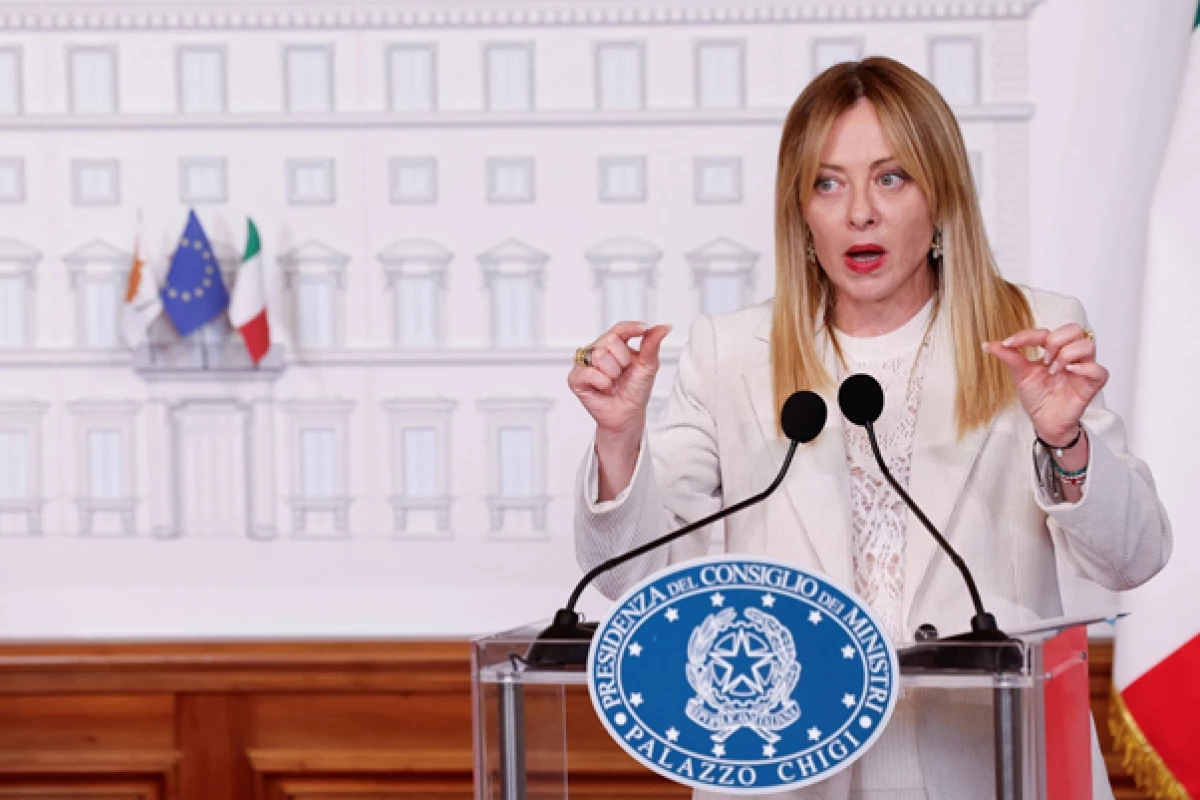
That Brussels fantasy has now been smashed apart. Giorgia Meloni’s Italian government has threatened to suspend Schengen cooperation with Spain, exploiting Madrid’s migration crisis in Ceuta to attack Pedro Sánchez. Thousands of migrants crossed illegally into the North African exclave from Morocco this week. Arrivals, many of them minors, peaked on Thursday, with more than a dozen deaths reported amid Spanish media accusations that Moroccan authorities had taken a lax approach to border controls.
Much of Europe’s right seized on the crisis, from Manfred Weber to Jordan Bardella. Sánchez, who leads a far-left coalition, has long been their favourite political target. Meloni, though, has particular form for exploiting his woes while boosting his far-right adversaries. As we revealed, she challenged him at the last EU leaders’ summit over his move to regularise hundreds of thousands of undocumented migrants. Last night, Antonio Tajani, Italy’s foreign minister, alleged the policy itself was a pull factor.
Meloni’s Italy has always been quick to clamour for EU solidarity when faced with inflows of migrants at its own borders. But that did not stop her from escalating the row with Madrid, apparently calculating she could use the crisis to burnish her right-wing credentials. The two countries’ foreign ministers sparred publicly online, and Madrid has summoned the Italian ambassador today. Spain deployed the army to Ceuta on Thursday after thousands of migrants arriving by land and sea overwhelmed the small city of just over 80,000, my colleague Inés Fernández-Pontes told me from Madrid.
The interior ministry has not released official figures, but local media estimate that between 1,500 and 2,000 people stormed the Spanish border in recent days. The causes of the surge – Spain’s most serious migration crisis in years – are being contested. In 2021, Morocco eased border controls around Ceuta after Spain hosted Polisario Front leader Brahim Ghali, a representative of Western Sahara (a disputed territory largely controlled by Morocco).
Some point to Sánchez’s recent visit to Morocco’s regional rival, and Polisario-backer, Algeria. Others argue that a June Supreme Court ruling barring the immediate return of migrants arriving by sea has made crossings more attractive. Spanish MP Tesh Sidi argued Morocco created the crisis to distract from its own domestic unrest, especially as Thursday marked King Mohammed VI’s 27th anniversary on the throne. Sánchez and Interior Minister Fernando Grande-Marlaska will travel to Ceuta today to evaluate the situation. Magnus Brunner, the EU’s migration commissioner, offered Frontex support to help Spain “control the situation”.


 Follow us on Telegram
 t.me/apanewsaz
 Follow us on Instagram
 Follow us on TikTok
 Follow us on Facebook
 Follow us on X