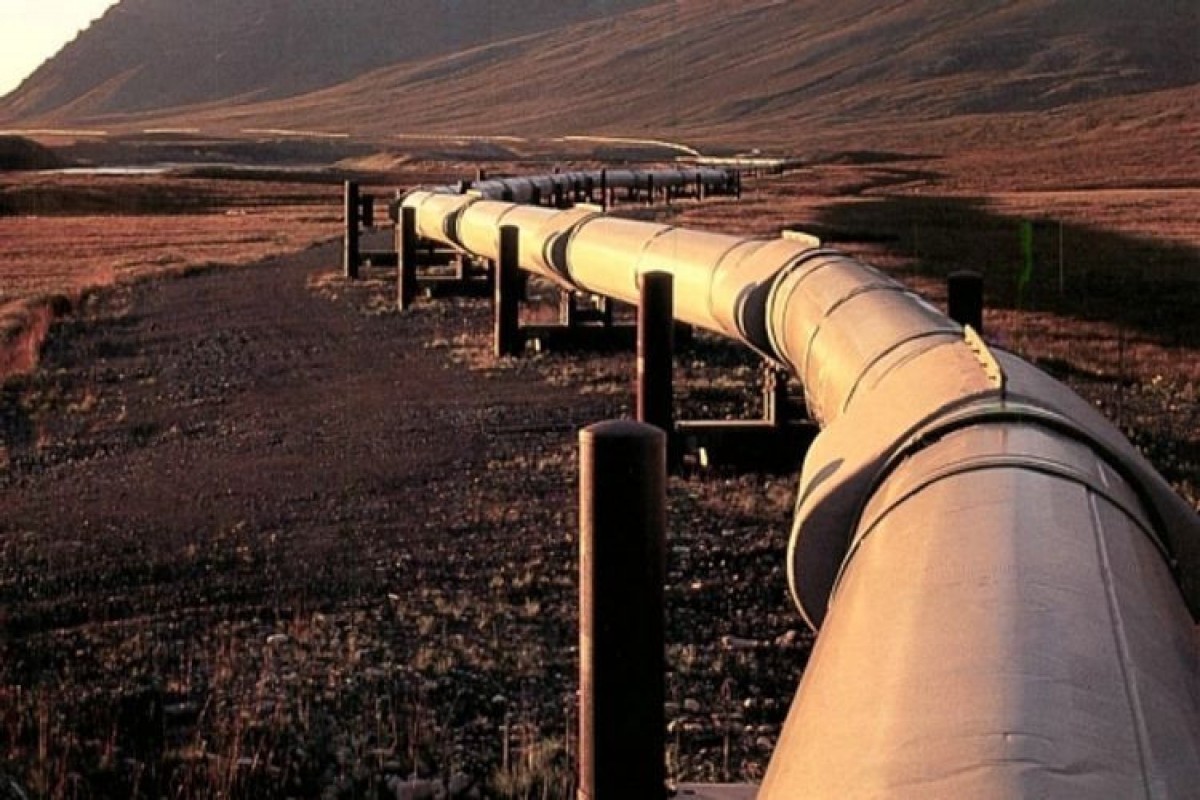


Around 250,000 tons of oil produced at Kazakhstan’s Kashagan field are expected to be transported this year via the Baku-Tbilisi-Ceyhan pipeline, Kuanish Keskinbayev, Deputy General Director for Commercial Affairs of KMG Kashagan B.V. (National Company of Kazakhstan KazMunayGaz), said in a statement to APA-Economics.
“There is a production sharing agreement within the framework of the Kashagan project, and as shareholders representing KazMunayGas, we plan to transport approximately 250,000 tons of oil via BTC this year,” Kuanish Keskinbayev said.
According to him, the BTC oil pipeline is more favorable for the Kazakh side as it provides access to the Mediterranean Sea, and this advantage is more evident compared to the Baku-Supsa pipeline, which provides access to the Black Sea.
“The Baku-Supsa oil pipeline leads to the Black Sea. We already have access to the Black Sea through other routes. And there is no point in obtaining access to the Black Sea again at a high tariff. BTC, on the other hand, leads to the Mediterranean Sea, which makes it more favorable,” said Kuanish Keskinbayev.
Recall that in 2022, an agreement on the transit of Kazakh oil was signed between KazMunayGas and SOCAR.
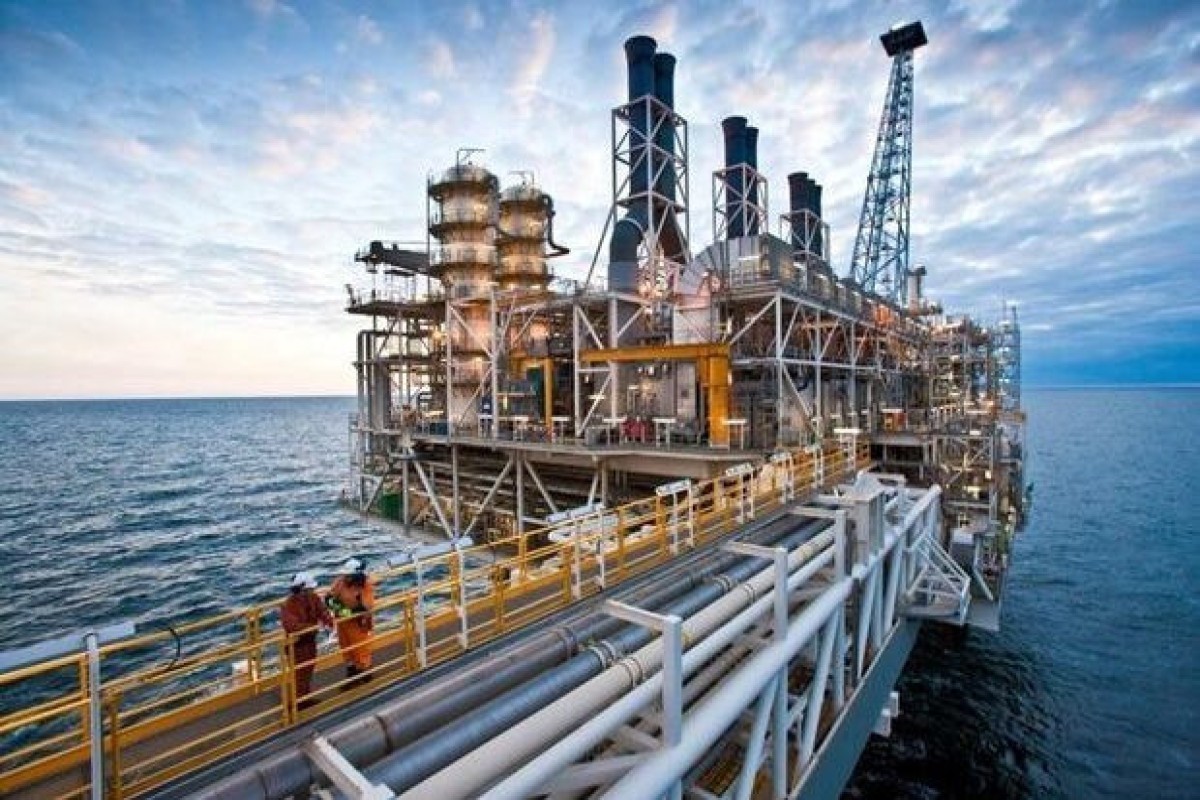
Note that 18.2 million tons of oil were produced at the Kashagan field last year.
According to Kuanish Keskinbayev, a temporary decrease in production at the field is expected in 2026 due to planned major maintenance scheduled to last about one and a half months in June.


 Follow us on Telegram
 t.me/apanewsaz
 Follow us on Instagram
 Follow us on TikTok
 Follow us on Facebook
 Follow us on X