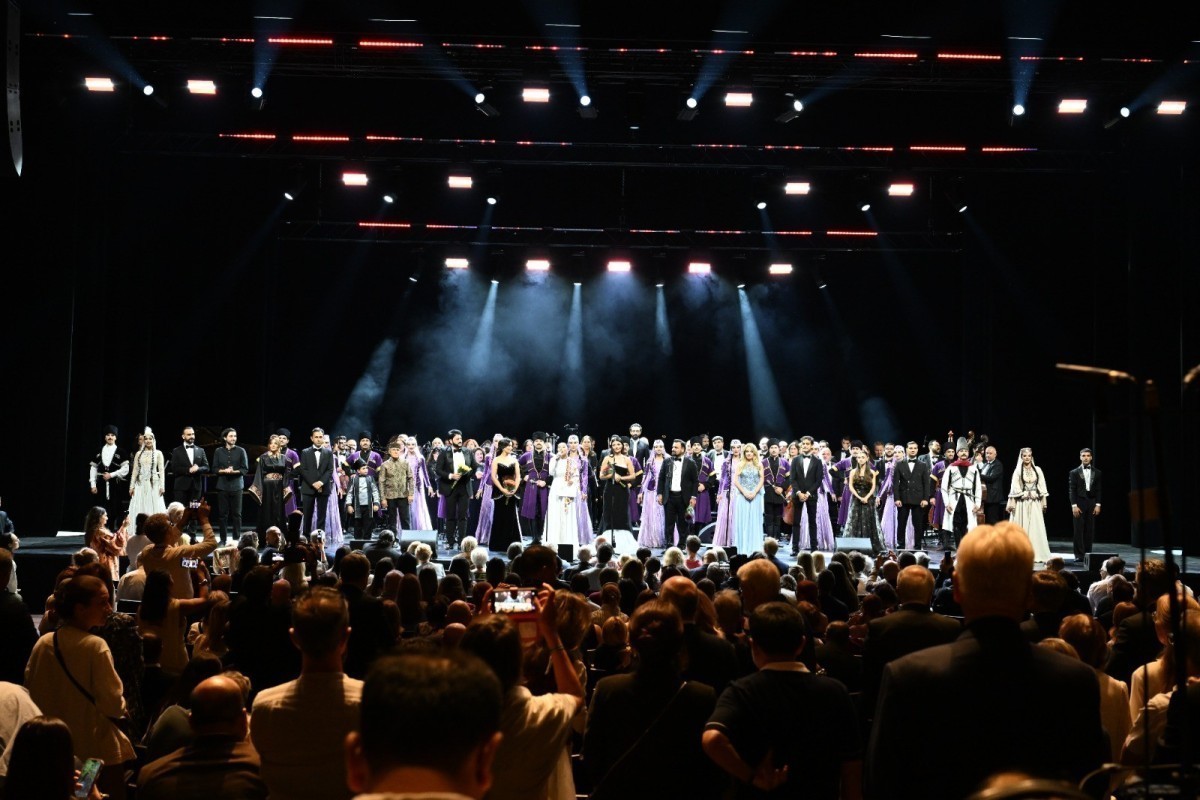


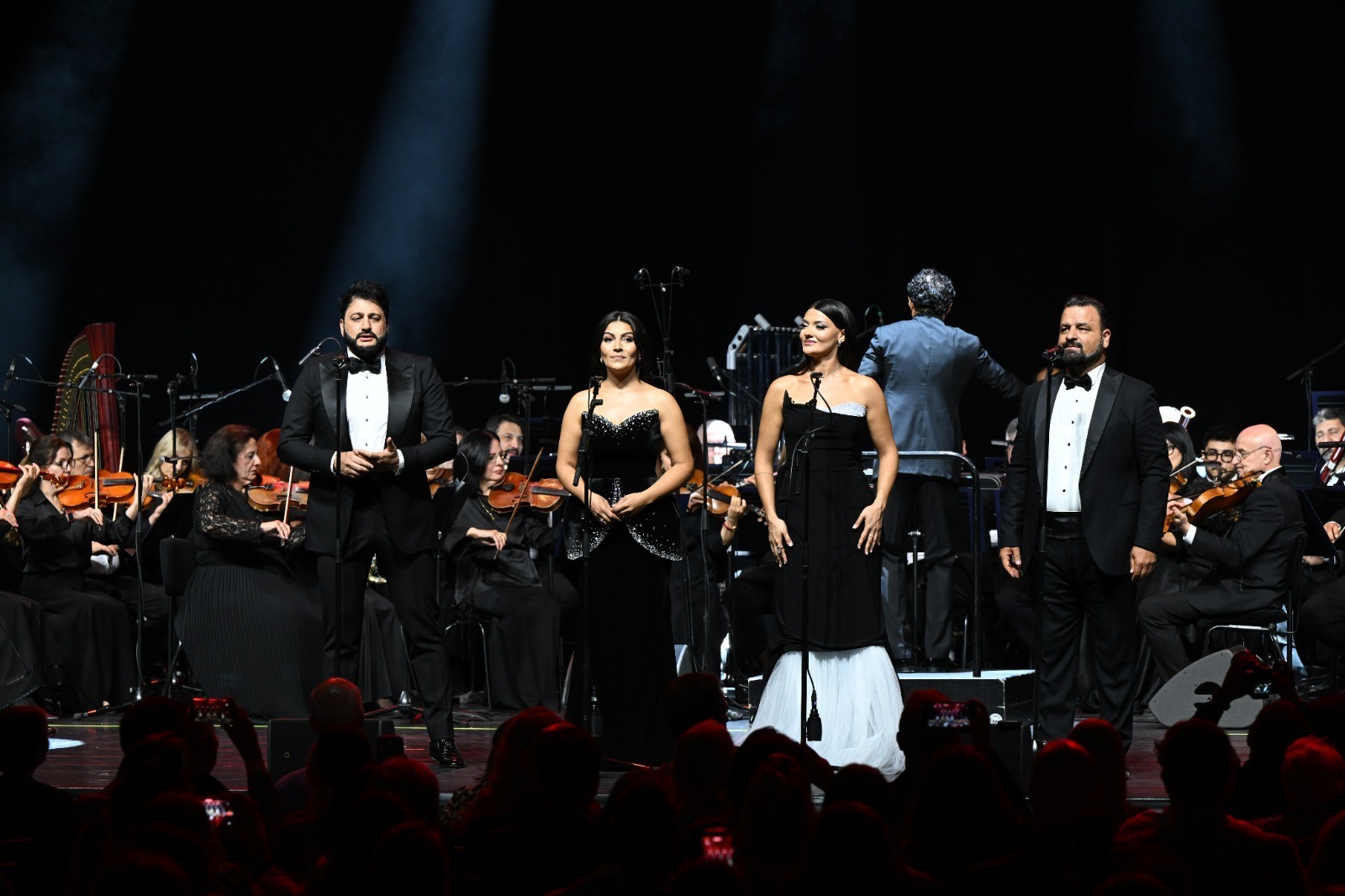
...Maestro Fuad Ibrahimov begins with Uzeyir Hajibeyli’s “Overture,” moves on to compositions by Gara Garayev and Fikrat Amirov, and continues with “Sari Gelin”... Then Alim Gasimov takes the stage with “Garagile,” followed by Yusif Eyvazov, Murad Huseynov, Isfar Sarabski, Sevda Alakbarzade and Samir Jafarov...
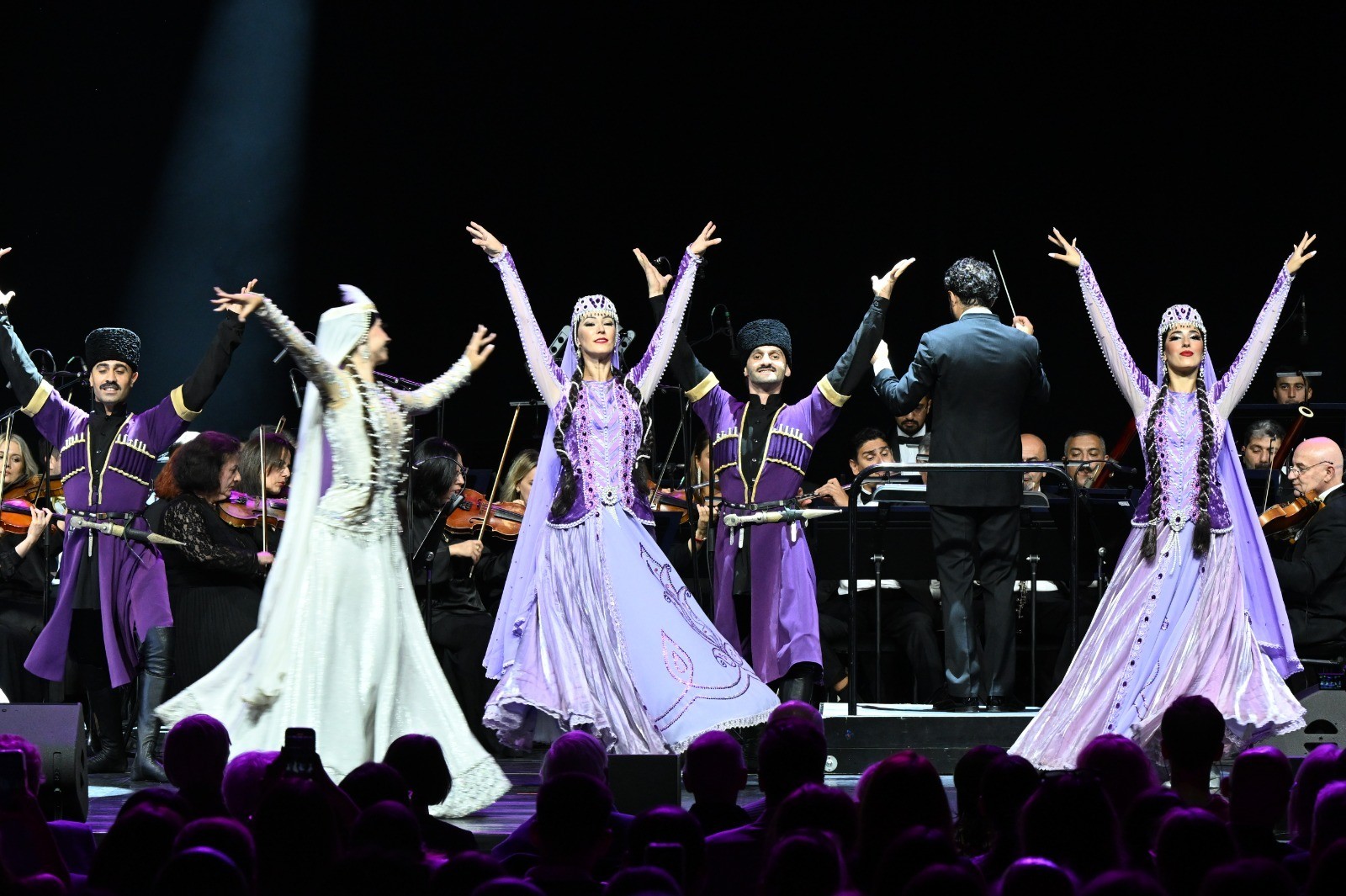
The maestro performs Niyazi’s “Rast” with the symphony orchestra, while the students of Rufat Khalilzade perform live dances on the same stage.
For two days, Montreux, the unique cultural city of Switzerland’s French-speaking region, lives and breathes Azerbaijani music. The maestro from the East, with his magic baton, brings to their feet those in the West who speak the language of poetry. The audience holds its breath whenever the maestro raises his magic baton; as the music comes to an end, the hall awakens, bursts into applause and longs for more magic...
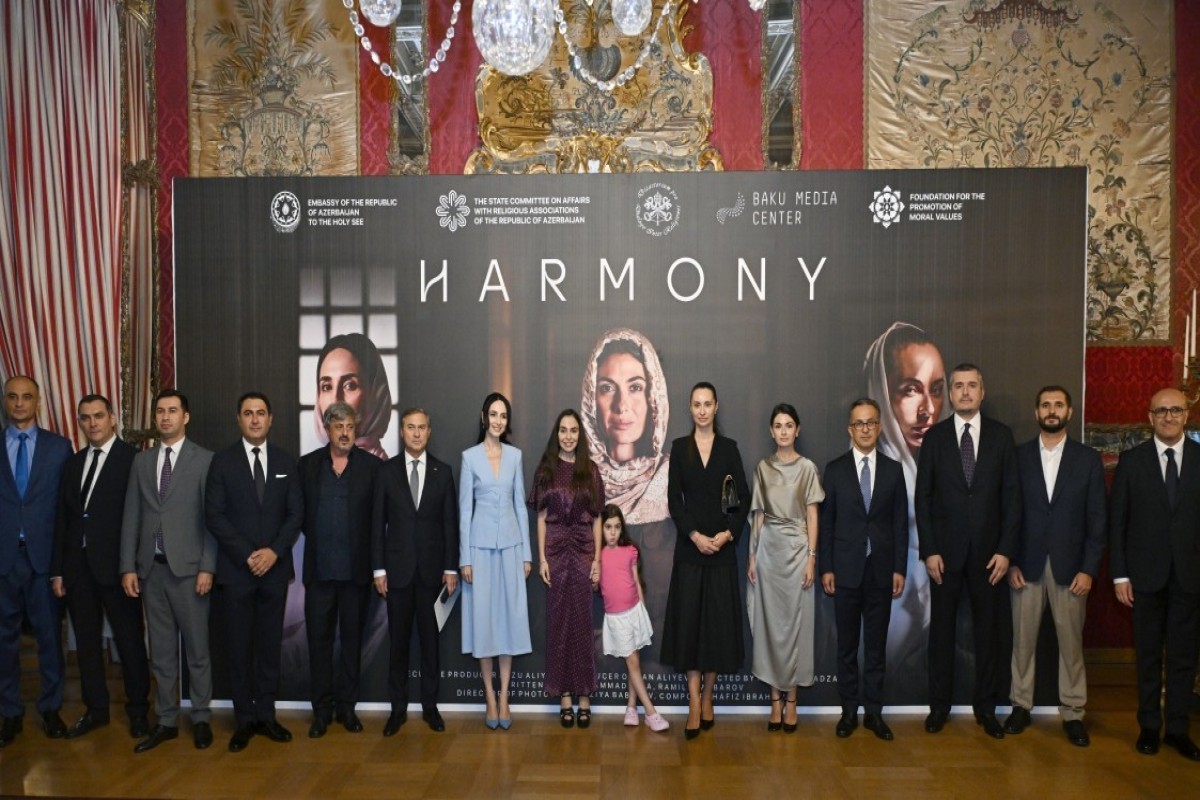
I am part of the delegation attending the Days of Azerbaijani Culture, organized as part of the 80th anniversary of the Montreux Classical Music Festival. This city, itself a work of art by creation, welcomes us with sunny weather.
The day after the concert by the Azerbaijan State Song and Dance Ensemble, the hall at the Auditorium Stravinski fills for the performance of our symphony orchestra at the gala evening.
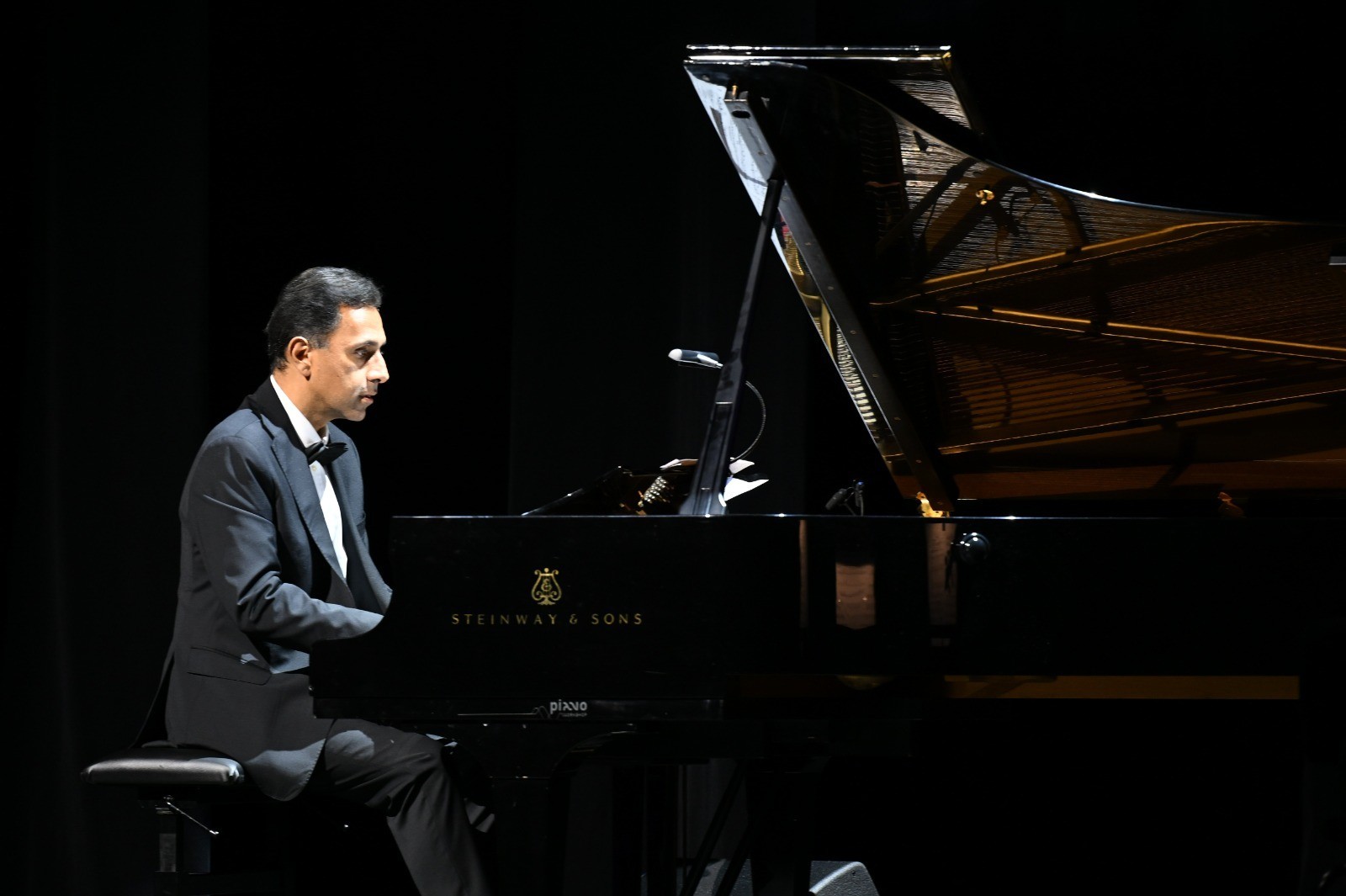
Isfar Sarabski, Shahriyar Imanov and Sevda Alakbarzade — artists who introduced themselves to this city through Isfar Sarabski’s triumph at the Montreux Jazz Festival in 2009 — offer the Swiss audience a musical feast. And then there is the stage performance by the trio of Isfar Sarabski, Ilkin Dovlatov and Shahriyar Imanov... Piano, tar, mugham...
As I listen, I find myself thinking.
Wars are not waged merely to seize land from nations or to kill people. Wars are also waged to break traditions, destroy culture and erase values. When an enemy breaks traditions, destroys culture and erases values, the land itself is eventually forgotten forever, and occupation becomes permanent...
We did not forget, because we did not allow our traditions to be broken; we preserved our values and safeguarded our culture. Fuad Ibrahimov, who brings the Auditorium Stravinski to rapture with his magic baton; Samir Jafarov and Yusif Eyvazov, whose voices roll in waves across the shores of Montreux; Ceyla Seyidova, Elvin Hoca and Murad Huseynov, who captivate with their performances — they are among dozens of musicians and artists who were nurtured and educated during the years of occupation and, with the support of the Heydar Aliyev Foundation, brought to the world’s great stages. We did not leave Niyazi, Bulbul, Soltan Hajibeyli or Fikrat Amirov behind in Shusha.
We did not allow our values to disappear; we did not let our traditions be broken. Because land is people, the state is a value, and culture is tradition.
That is why we prevailed, and that is why we were able to return: because the Architect of this Victory did not allow tradition to be broken or values to disappear. The Architect of this Victory never allowed culture to be defeated...
These are my thoughts as Murad Huseynov performs a work by Fikrat Amirov. It seems to me that there, on the stage of the Auditorium Stravinski, gathered around his piano, stand the great Uzeyir Hajibeyli, Soltan Hajibeyli, Niyazi, Bulbul, Fikrat Amirov... and so many others. This is where Murad’s greatness lies: as national as he is modern, as great as he is modest...
The concert ends, and we step out onto the cool streets of Montreux. Alim Gasimov’s voice is still ringing in my ears:
“The streets of Tabriz wind and turn...”
Vusala Mahirgizi
Baku–Montreux–Baku


 Follow us on Telegram
 t.me/apanewsaz
 Follow us on Instagram
 Follow us on TikTok
 Follow us on Facebook
 Follow us on X