

The ancient settlement of “Oglantapa” has been discovered in Jalilabad, APA’s southern bureau reports.
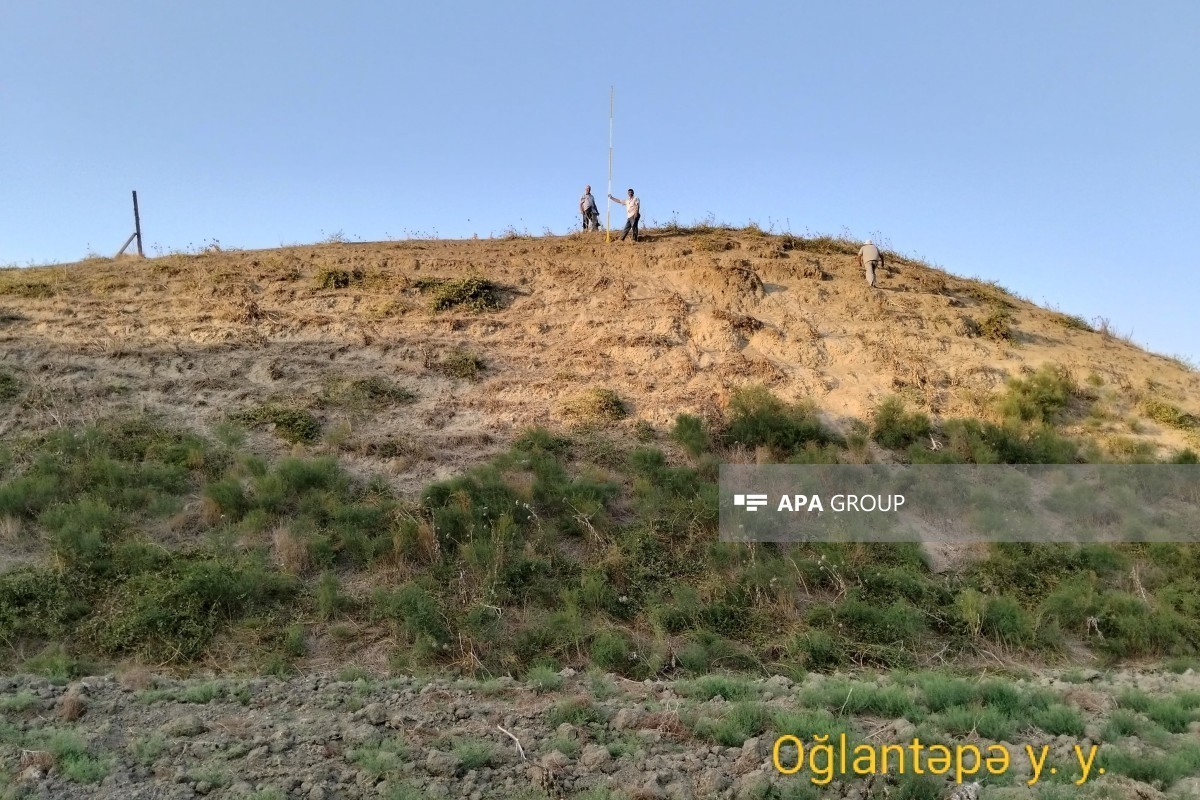
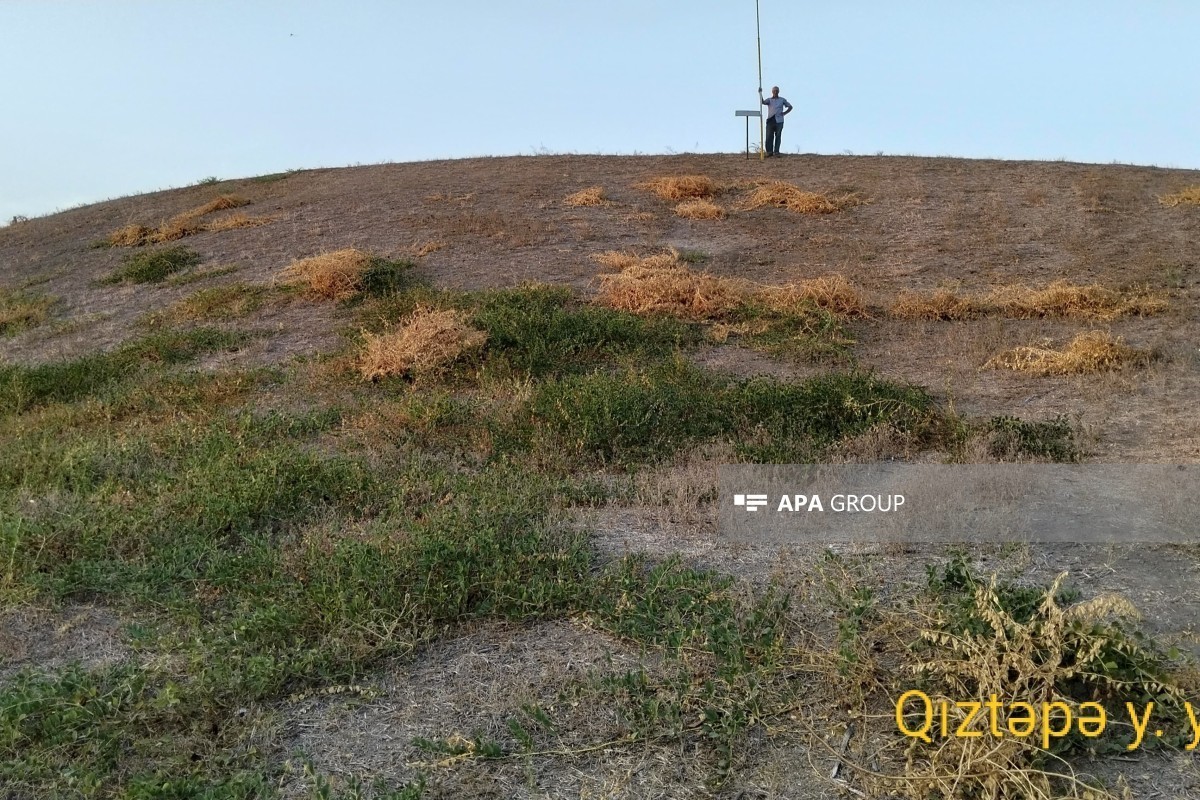
A new settlement previously unknown to science, “Oglantapa,” has been discovered for the first time in the territory of Takla village in Jalilabad district.
Exploratory research was conducted in the area under the leadership of Anar Aghalarzade, a leading researcher at the Institute of Archaeology and Anthropology of ANAS, head of the Mughan Bronze–Early Iron Age Archaeological Expedition, PhD in History and associate professor.
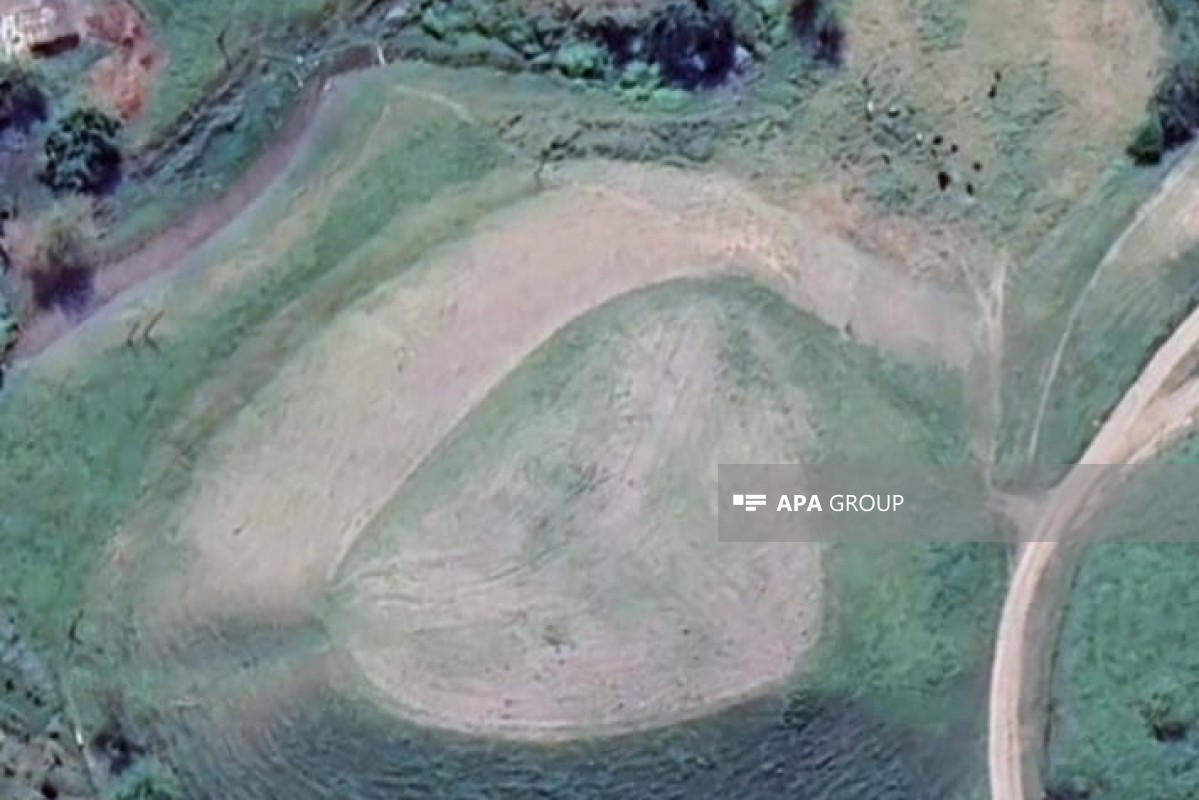
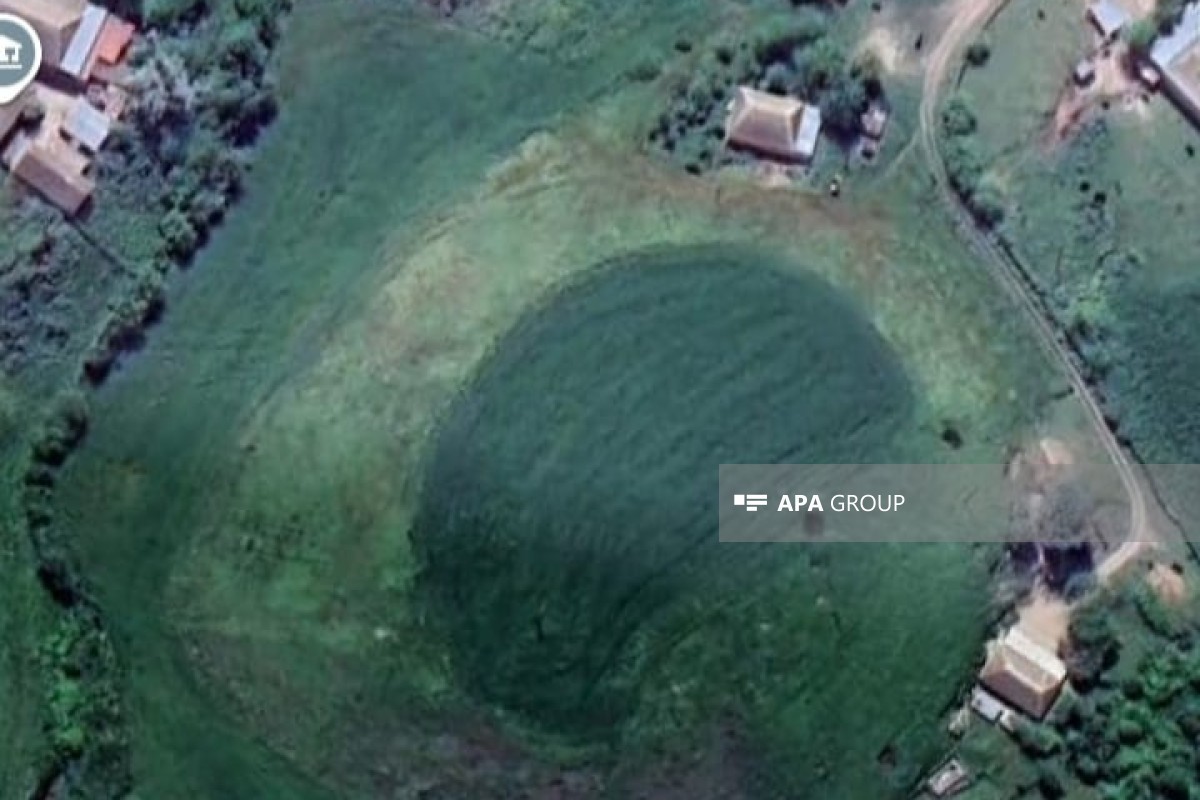
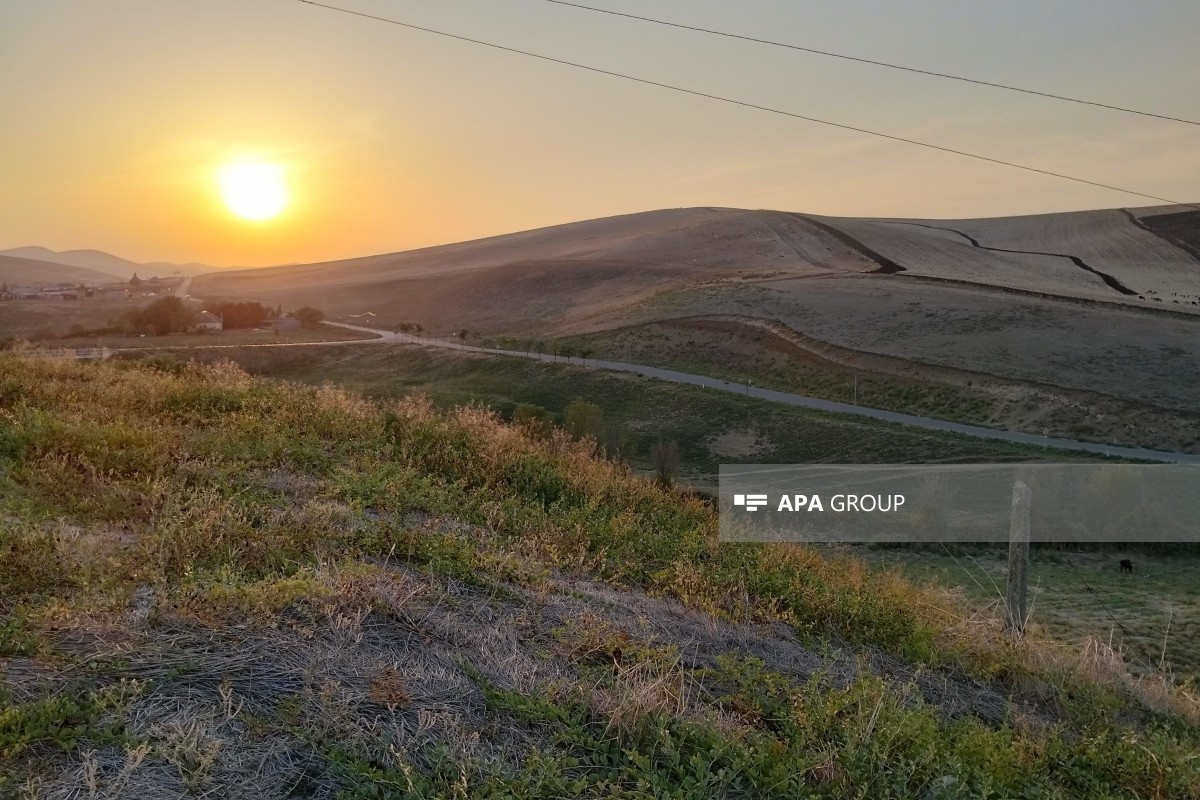
Located on the right side of the Jafarli road, 130 meters northwest of the road, “Oglantapa” was established on a natural hill. The hill has a diameter of 100 meters and a height of approximately 20 meters. Ancient river valleys run along the right and left sides of the site. As a result of long-term habitation, a thick cultural layer has formed here.
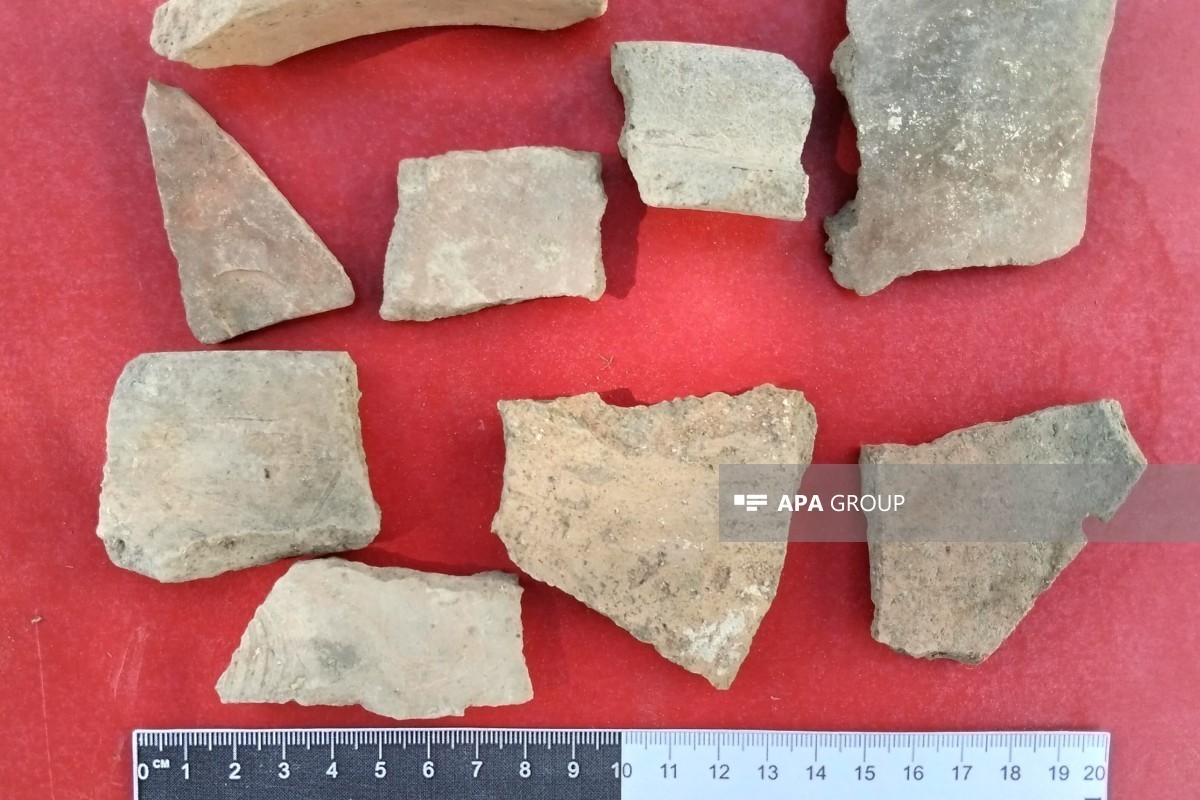
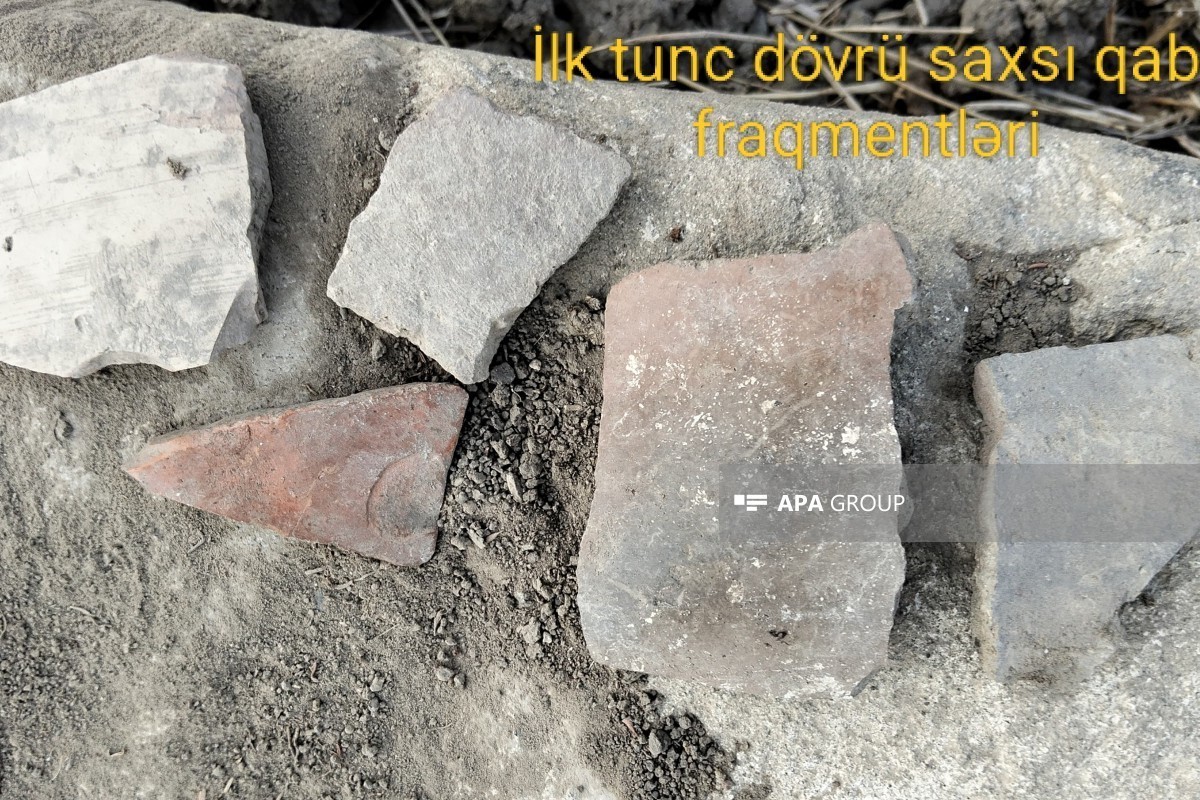
Although initial surveys uncovered glazed and unglazed pottery samples dating to the Middle Ages in the upper layer of the site, material culture remains dating mainly to the Early Bronze Age were revealed in the exposed section of the cultural layer.
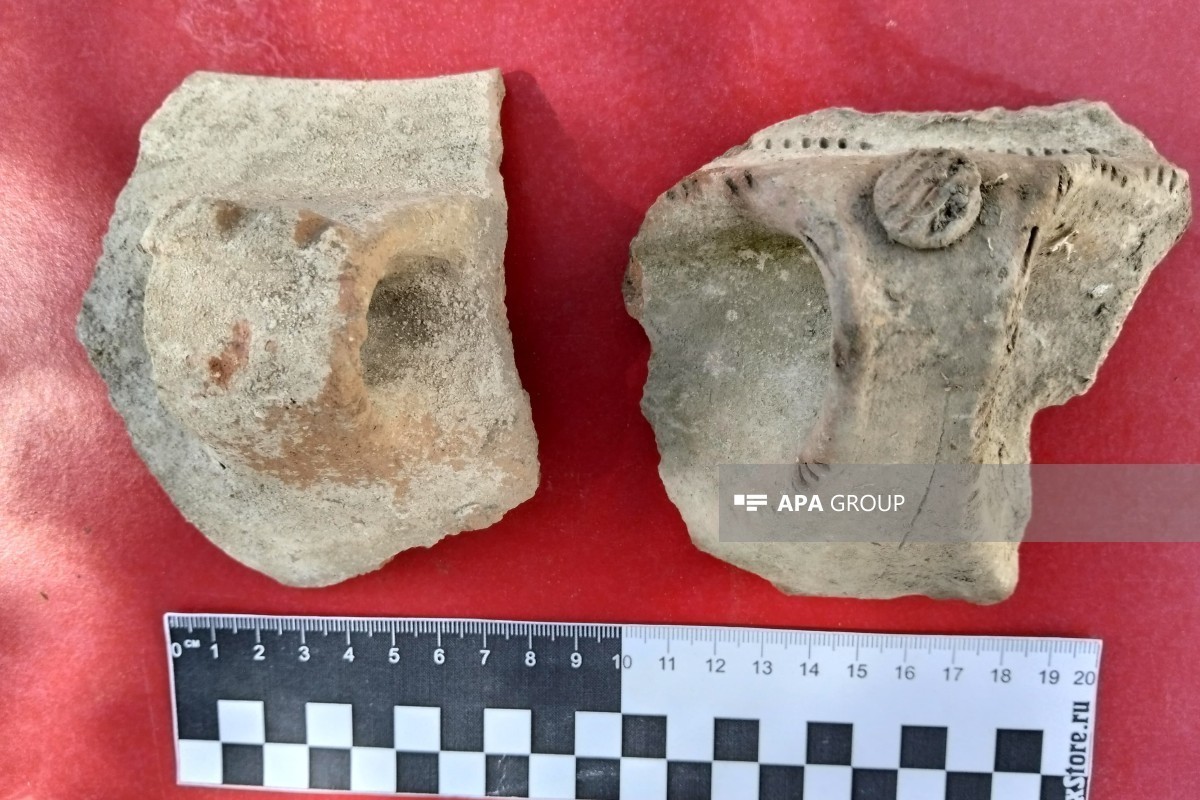
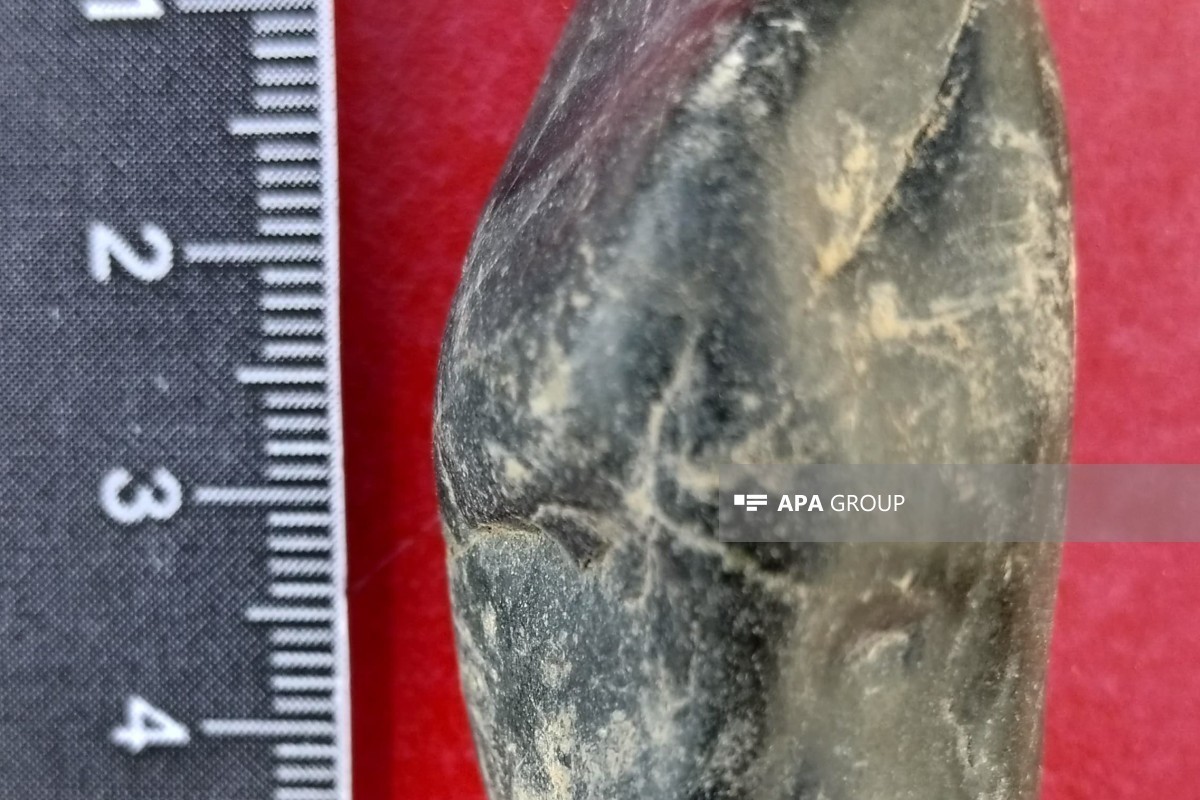
The finds are dominated by fragments of brown and gray pottery vessels with hemispherical handles, fragments belonging to plate-type vessels, and objects made of stone.
According to archaeologists, the systematic recording of such sites in the future will make it possible to determine the distribution area of Early Bronze Age settlements in the Mughan region and prepare a new archaeological map.


 Follow us on Telegram
 t.me/apanewsaz
 Follow us on Instagram
 Follow us on TikTok
 Follow us on Facebook
 Follow us on X