













Baku – APA. A coalition of opposition groups called for a million people to take to Cairo’s streets Tuesday to demand the removal of President Hosni Mubarak, the clearest sign yet that a unified leadership was trying to emerge for Egypt’s powerful but disparate protest movement, APA reports quoting “Associated Pressâ€.
In an apparent attempt to defuse the weeklong political upheaval, Mubarak named a new government Monday — dropping the interior minister, who is in charge of security forces and whom protesters have denounced for the brutality of police. But the lineup was greeted with scorn in Tahrir Square, the central Cairo plaza that has become the protests’ epicenter, with crowds of more than 10,000 chanting for Mubarak’s ouster.
"We don’t want life to go back to normal until Mubarak leaves," said Israa Abdel-Fattah, a founder of the April 6 Group, a movement of young people pushing for democratic reform.
In what appeared to be a reaction to the call for escalated protests, a military spokesman appeared on state TV and warned against "any act that destabilizes security of the country." But the spokesman, Ismail Etman, also underlined that the military "has not and will not use force against the public" and is "conscious of the legitimate demands by honorable citizens" — though he did not specify whether the military considers the demands for Mubarak’s removal legitimate or just calls for reform.
The mood in Tahrir — or Liberation — Square, surrounded by army tanks and barbed wire, was celebratory and determined as more protesters filtered in to join what has turned into a continual encampment despite a curfew, moved up an hour to 3 p.m. on its fourth day in effect. Some protesters played music, others distributed dates and other food to their colleagues or watched the latest news on TVs set up on sidewalks.
Young men climbed lampposts to hang Egyptian flags and signs proclaiming "Leave, Mubarak!" One poster featured Mubarak’s face plastered with a Hitler mustache, a sign of the deep resentment toward the 82-year-old leader they blame for widespread poverty, inflation and official indifference and brutality during his 30 years in power.
Looting that erupted over the weekend across the city of around 18 million eased — but Egyptians endured another day of the virtual halt to normal life that the crisis has caused. Trains stopped running Monday, raising the possibility authorities were trying to prevent residents of the provinces from joining protests in the capital.
Banks, schools and the stock market in Cairo were closed for the second working day, making cash tight. An unprecedented complete shutdown of the Internet was in its fourth day. Long lines formed outside bakeries as people tried to replenish their stores of bread.
Cairo’s international airport was a scene of chaos and confusion as thousands of foreigners sought to flee the unrest, and countries around the world scrambled to send in planes to fly their citizens out.
The official death toll from the crisis stood at 97, with thousands injured, but reports from witnesses across the country indicated the actual toll was far higher.
The White House said President Barack Obama called Britain, Turkey, Israel and Saudi Arabia over the weekend in the U.S. to convey his administration’s desire for restraint and an orderly transition to a more responsive government.
European Union foreign ministers urged a peaceful transition to democracy and warned against a takeover by religious militants.
Mubarak’s naming of a new Cabinet appeared to be aimed at showing the regime is willing to an extent to listen to the popular anger. The most significant change was the replacement of the interior minister, Habib el-Adly, who heads internal security forces and is widely despised by protesters for the brutality some officers have shown. A retired police general, Mahmoud Wagdi, will replace him.
Of the 29-member Cabinet, 14 were new faces, most of them not members of the ruling National Democratic Party. Among those purged were several of the prominent businessmen who held economic posts and have engineered the country’s economic liberalization policies the past decades. Many Egyptians resented the influence of millionaire politician-moguls, who were close allies of the president’s son, Gamal Mubarak, long thought to be the heir apparent.
Mubarak retained his long-serving defense minister, Field Marshal Hussein Tantawi, and Foreign Minister Ahmed Aboul Gheit.
State newspapers on Monday published a sternly worded letter from Mubarak to his new prime minister, Ahmed Shafiq, ordering him to move swiftly to introduce political, legislative and constitutional reforms and pursue economic policies that will improve people’s lives.
But as news of the new government was heard in Tahrir Square, many of the protesters renewed chants of "We want the fall of this regime."
Mostafa el-Naggar, a member of the ElBaradei-backing Association for Change, said he recognized no decision Mubarak took after Jan. 25, the first day of Egyptian protests emboldened by Tunisians’ expulsion of their longtime president earlier in the month.
"This is a failed attempt," said el-Naggar of the new government. "He is done with."
If Egypt’s opposition groups are able to truly coalesce, it could sustain and amplify the momentum of the week-old protests.
But unity is far from certain among the array of movements involved in the protests, with sometimes conflicting agendas — including students, online activists, grassroots organizers, old-school opposition politicians and the fundamentalist Muslim Brotherhood, along with everyday citizens drawn by the exhilaration of marching against the government.
It was not clear how much the groups that met Monday represent everyone. The gathering of around 30 representatives, meeting in the Cairo district of Dokki, agreed to work as a united coalition and supported a call for a million people to turn out for a march Tuesday, said Abu’l-Ela Madi , the spokesman of one of the participating groups, al-Wasat, a moderate breakaway faction from the Muslim Brotherhood.
But they disagreed on other key points. The representatives decided to meet again Tuesday morning at the downtown Cairo headquarters of Wafd, the oldest legal opposition party, to finalize and announce a list of demands. They will also decide whether to make prominent reform advocate Mohamed ElBaradei spokesman for the protesters, Madi said.
Then, he said, they will march to Tahrir Square to demand the ouster of the 82-year-old Mubarak. The coalition also called for a general strike Monday, although much of Cairo remained shut down anyway, with government officers and private businesses closed.
The various protesters are united by little, however, except the demand that Mubarak go. Perhaps the most significant tensions among them is between young secular activists and the Muslim Brotherhood, which wants to form an Islamist state in the Arab world’s largest nation. The more secular are deeply suspicious the Brotherhood aims to co-opt what they contend is a spontaneous, popular movement.
ElBaradei, a pro-democracy advocate and former head of the U.N. nuclear watchdog, invigorated anti-Mubarak feeling with his return to Egypt last year, but the outlawed Muslim Brotherhood remains Egypt’s largest opposition movement.
In a nod to the suspicions, Brotherhood figures insist they are not seeking a leadership role.
"We don’t want to harm this revolution," Mohamed Mahdi Akef, a former leader of the group.
Still, Brotherhood members appeared to be joining the protest in greater numbers and more openly. During the first few days of protests, the crowd in Tahrir Square was composed of mostly young men in jeans and t-shirts. Today, many of the volunteers handing out food and water to protesters are men in long traditional dress with the trademark Brotherhood appearance -- a closely cropped haircut and bushy beards.
A wave of looting, armed robbery and arson that erupted Friday night and Saturday — after police disappeared from the streets — appeared to ease as police reappeared in many districts. Neighborhood watch groups armed with clubs and machetes kept the peace in many districts overnight.
Still some incidents continued. One watch group fended off a band of robbers who tried to break in and steal antiquities from the warehouse of the famed Karnak Temple on the east bank of the Nile in the ancient southern city of Luxor. The locals clashed with the attackers who arrived at the temple carrying guns and knives in two cars around 3 a.m, and seized five of them, handing them over to the military, said neighborhood protection committee member Ezz el-Shafei.
In Cairo, soldiers detained about 50 men trying to break into the Egyptian National Museum in a fresh attempt to loot some of the country’s archaeological treasures, the military said.


 Follow us on Telegram
 t.me/apanewsaz
 Follow us on Instagram
 Follow us on TikTok
 Follow us on Facebook
 Follow us on X
Africa
Two killed, five injured in shooting in S. Africa
 16:09
16:09
 14 October 2026
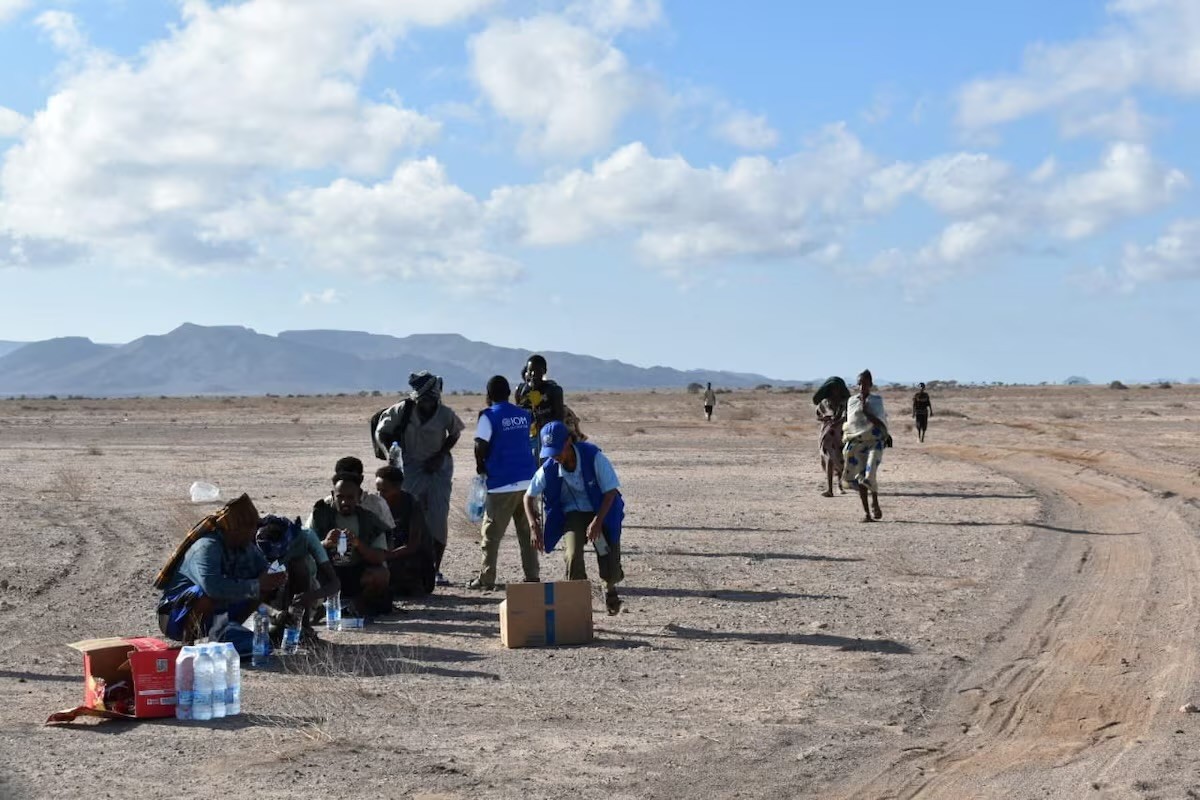
At least 139 migrants dead, including some children, after boat from Djibouti to Yemen capsizes, UN agency says
21:17
11 October 2026
Central African Republic foils planned large-scale militant attack
07:04
11 October 2026
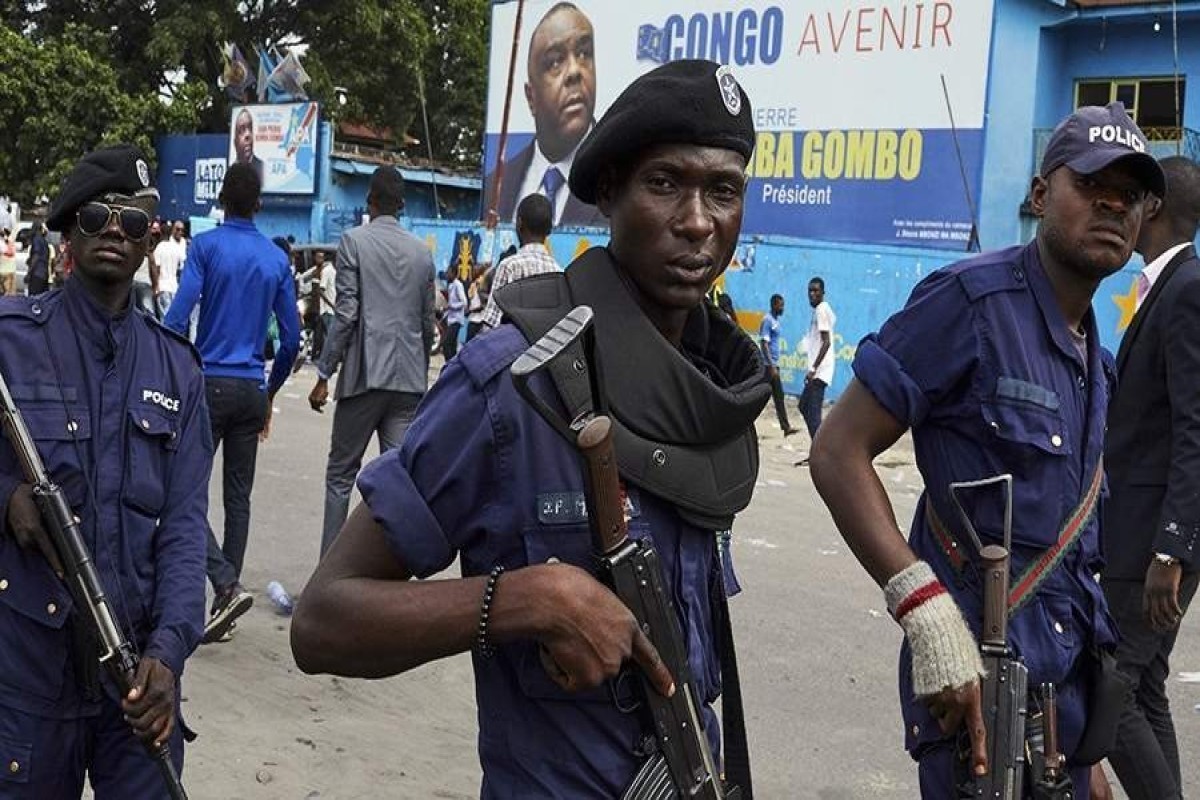
Rebel attack kills 11 civilians in DR Congo
05:16
11 October 2026

NEWS FEED
Video on 7th CICA Summit shared on President’s social media accounts
18:28
15 October 2026
President Ilham Aliyev met with Amir of Qatar - UPDATED
18:12
15 October 2026
Armenian and Turkish businesspeople discuss joint cooperation
17:56
15 October 2026
Journalist Alexander Nevzorov added to Russia’s list of terrorists and extremists
17:53
15 October 2026
New head of Republic of Dagestan elected
17:46
15 October 2026
Kobakhidze visits Armenia
17:17
15 October 2026
Georgian opposition announces protest rallies
17:05
15 October 2026
Pashinyan establishes working group to resolve railway issues with Russia
17:02
15 October 2026
Pope Leo recovering as planned after lung cancer surgery, doctors say
16:58
15 October 2026
Papuashvili: EU takes disruptive stance in relations with Georgia
16:40
15 October 2026
Baku hosted 7th CICA Summit, President Ilham Aliyev addressed the event - UPDATED - 4
16:34
15 October 2026
Azerbaijan to chair CICA in 2026–2028
16:27
15 October 2026
UN considers CICA's role more important now than ever
16:26
15 October 2026
Meeting held with delegation of international and foreign national Paralympic committees
16:23
15 October 2026
President Ilham Aliyev received Türkiye’s Minister of Foreign Affairs
16:16
15 October 2026
7th CICA Summit concludes
16:12
15 October 2026
CICA Secretary General replaced
16:11
15 October 2026
Lavrov considers it appropriate to hold next "3+3" meeting in Azerbaijan
16:08
15 October 2026
Baku Declaration adopted following 7th CICA Summit
16:05
15 October 2026
Large amount of drugs prevented from being smuggled from Iran into Azerbaijan - PHOTO
16:02
15 October 2026
Signed documents exchanged between Azerbaijan and Kazakhstan
16:00
15 October 2026
Lavrov: Russia ready to participate in TRIPP, but has not yet received invitation
15:50
15 October 2026
Lavrov: Zelenskyy is challenging Trump, not interested in elections
15:47
15 October 2026
Presidents of Azerbaijan and Kazakhstan met in Baku and inaugurated Trans-Caspian Fiber-Optic Cable Line
15:44
15 October 2026
9th Congress of Azerbaijani Journalists to be held tomorrow, candidates for Press Council Board announced
15:43
15 October 2026
Gharibabadi: Current difficulties in Strait of Hormuz caused by military aggression and naval blockade against Iran
15:42
15 October 2026
ING: $10 rise in oil prices could increase Azerbaijan’s exports by 2–4% of GDP
15:39
15 October 2026
UAE Minister: Priorities set during Azerbaijan’s CICA chairmanship align with UAE’s vision
15:33
15 October 2026
Palestinian issue raised at CICA Summit
15:31
15 October 2026
Indian FM: Changing geopolitical landscape necessitates more active participation of Global South countries
15:15
15 October 2026
Azerbaijan takes over chairmanship of CIS Advisory Council on Labor, Employment and Social Protection
15:14
15 October 2026
Death toll from Istanbul floods reaches 3, four people missing
15:12
15 October 2026
Azerbaijani Special Forces conduct training sessions for reservists
15:07
15 October 2026
Home of Novaya Gazeta editor-in-chief searched
15:04
15 October 2026
Lavrov: Russia has always supported CICA's development through practical cooperation
14:58
15 October 2026
Foreign ministers of Azerbaijan, Uzbekistan and Turkmenistan hold trilateral meeting
14:55
15 October 2026
Turkish and Russian FMs meet in Baku
14:53
15 October 2026
Türkiye committed to strengthening CICA as Asia's most comprehensive security platform - Turkish FM
14:51
15 October 2026
Bahrain calls for ensuring safety of maritime and air navigation
14:44
15 October 2026
Pezeshkian to visit Armenia for biodiversity summit
14:40
15 October 2026
Pashinyan: Armenia has never had strained relations with Russia
14:40
15 October 2026
FM Hakan Fidan: We want COP31 to become an opportunity to strengthen climate justice
14:38
15 October 2026
Turkish FM: We support CICA's transformation into a full-fledged international organization
14:33
15 October 2026
Peskov: Moscow unaware of US proposals to Europe on unfreezing Russian assets
14:31
15 October 2026
Azerbaijani Parliament Speaker meets with Chairman of House of Representatives of Belarusian National Assembly
14:29
15 October 2026
Kremlin: Russian diesel has begun entering global markets
14:22
15 October 2026
FM: China highly appreciates Azerbaijan's efforts to strengthen CICA
14:18
15 October 2026
Chairman: Azerbaijan is effectively chairing CICA
14:14
15 October 2026
Kremlin: Ukraine's strikes on Russian oil refineries contradict US peace initiatives
14:06
15 October 2026
Belarusian representative: We are united by commitment to international law and UN Charter
13:59
15 October 2026


