










Baku – APA. Egyptian President Hosni Mubarak overhauled his government on Monday to try to defuse a popular uprising against his 30-year rule but angry protesters rejected the changes and said he must surrender power, APA reports quoting “Reutersâ€.
On the seventh consecutive day of unrest in the Arab world’s most populous nation, tens of thousands rallied in Cairo’s central Tahrir Square chanting "Get out ... We want you out" and singing Egypt’s national anthem.
Troops backed by American-built tanks paid for with U.S. aid made no effort to disperse the crowd well after dark, hours after a curfew started. Military helicopters flew overhead.
"I’ll go home when Mubarak leaves," read one banner.
Some worked mobile telephones, urging friends and family to join them through the night, hoping for mass rallies on Tuesday.
Street vendors sold snacks and protesters shared them round, mingling with rich and poor. Soldiers joined protesters for prayers and teenagers collected rubbish in garbage bags.
Mubarak’s new government did not impress them: "This is all nonsense," said protester Omar el-Demerdash, 24, a research executive. "The demand is clear: We want Mubarak and his men to get out. Anything other than that is just not enough."
Egypt’s powerful army now appears to hold the key to Mubarak’s fate. Although the generals have held back from crushing the revolt, they have not withdrawn support for him.
"CRITICAL TIME"
The uprising, unprecedented in scale and intensity in this once tightly-controlled country, erupted last week when frustration over repression, corruption, poverty and the lack of democracy under Mubarak boiled over.
About 140 people were killed in clashes with security forces in scenes that overturned Egypt’s standing as a stable country, promising emerging market and attractive tourist destination.
Mubarak, a close U.S. ally and a stalwart in Western policy toward the Middle East, responded by offering economic reform to address public anger over hardships. New Finance Minister Samir Radwan told Reuters: "It is a national mission at a very critical time." But he added he had no new policies just yet.
Echoing the protesters on the streets, the European Union, a major aid donor, told Mubarak to change not just his economic program but his entire autocratic system of government.
EU foreign ministers meeting in Brussels called for "an orderly transition to a broad-based government, leading to a genuine process of essential democratic reforms."
U.S. President Barack Obama said much the same on Sunday.
NEW CABINET
On Monday, Mubarak named General Mahmoud Wagdy, previously head of Cairo criminal investigations department, as the new interior minister. Wagdy’s predecessor was reviled by many Egyptians because of the repressive tactics used by the police force to quash the opposition and criticism of the president.
Clinging to power as his legitimacy vaporizes, the president on Saturday named intelligence chief Omar Suleiman, a former military man, as vice president, a post vacant for 30 years. It was a move seen by some as a prelude to a transition in power.
He also appointed former air force commander Ahmed Shafiq as prime minister after sacking the entire cabinet on Friday, a day when police and demonstrators battled in the streets of Cairo.
But it appeared the moves would do little to turn back the groundswell against the 82-year-old ruler.
"This new cabinet is too little, too late. I think Mubarak will probably be gone well before 30 days is up," Zaineb Al-Assam of London-based Exclusive Analysis told Reuters.
"There are some figures in the cabinet who are deeply unpopular. An example is General Wagdy. That’s going to add to the protests. Mubarak will be seen by the army as a liability."
Dave Hartwell, Middle East analyst at IHS Jane’s, said the government changes ruled out the possibility that Mubarak’s son Gamal -- once a favorite to succeed him -- would take over.
"The speculation is these changes are being forced on Mubarak by the army and the conclusion is the army is now wielding influence behind the scenes."
Although the movement started with no clear leaders or organization, the opposition is taking steps to organize.
The Muslim Brotherhood, an Islamist group, said it was seeking to form a broad political committee with retired U.N. diplomat Mohamed ElBaradei to talk to the army.
ElBaradei has urged Mubarak to go and has lent his international stature to a movement that has lacked a leader.
The Brotherhood, with wide support among poor Egyptians, has until now kept in the background of an uprising spearheaded by the young urban poor and students. It fears a harsh crackdown.
WEST WAIT-AND-SEE
World leaders were trying to figure out how to respond to a crisis that threatens to tear up the Middle East political map.
Most have urged Mubarak to introduce reforms but stopped short of calling for him step down, preferring to emphasize their desire for stability and democratic elections.
Washington has long seen Mubarak as a bulwark in the Middle East, first against communism then against militant Islam.
As the first Arab nation to sign a peace treaty with Israel, Egypt plays a key part in the peace process, and a change in leadership could have big implications for these efforts.
"We certainly don’t want Egypt to fall into the hands of extremists," British Foreign Minister William Hague said. "We want an orderly transition to free and fair elections."
In Israel, some commentators voiced shock at Obama’s move to abandon Mubarak -- "a stab in the back from Uncle Sam," said one. Prime Minister Benjamin Netanyahu said he feared a radical Islamist takeover in Cairo like that in Iran in 1979.
The crisis in Egypt follows a revolt that toppled the leader of Tunisia earlier this month and the wave of popular anger is also sweeping other countries in North Africa and the Middle East. It was the generals who persuaded Tunisia’s leader to go.
Exclusive Analysis’ Assam said Yemen, Sudan, Jordan and Syria looked vulnerable to "contagion" but the greatest risk was in Saudi Arabia: "U.S. allies in the region will be alarmed at the rapid drain of U.S. public support for an erstwhile ally."
Syria’s President Bashar al-Assad said there was no chance the upheaval might spread to Syria, which has been controlled by his Baath Party for the last five decades.
In an interview with the Wall Street Journal, Assad said Syria’s ruling hierarchy was "very closely linked to the beliefs of the people" and insisted there was no mass discontent. Many Syrians would disagree -- though not if speaking in public.
TUMULT HITS TOURISM
Foreign governments scrambled to ensure the safety of their nationals trapped by the unrest in Egypt. One group of tourists was hunkered down in Cairo’s Marriott Hotel:
"I had heard a lot about Egypt’s history and the pyramids so I am very disappointed I cannot see all that, but I just want to get out," said Albert So, an accountant from Hong Kong.
Companies, from gas drillers to supermarkets, also pulled out staff as confrontation brought economic life to a halt. Financial markets and banks were closed for a second day.
Internationally, global stocks flattened out after opening down on concerns about oil and developed market stocks were up. Europe’s benchmark Brent crude was just short of $100 a barrel on fears the unrest could spread to regional oil producers.
Moody’s downgraded Egypt to Ba2 with a negative outlook from Ba1, saying the government might damage its already weak finances by increasing social spending to calm the protests.


 Follow us on Telegram
 t.me/apanewsaz
 Follow us on Instagram
 Follow us on TikTok
 Follow us on Facebook
 Follow us on X
Africa
Two killed, five injured in shooting in S. Africa
 16:09
16:09
 14 October 2026
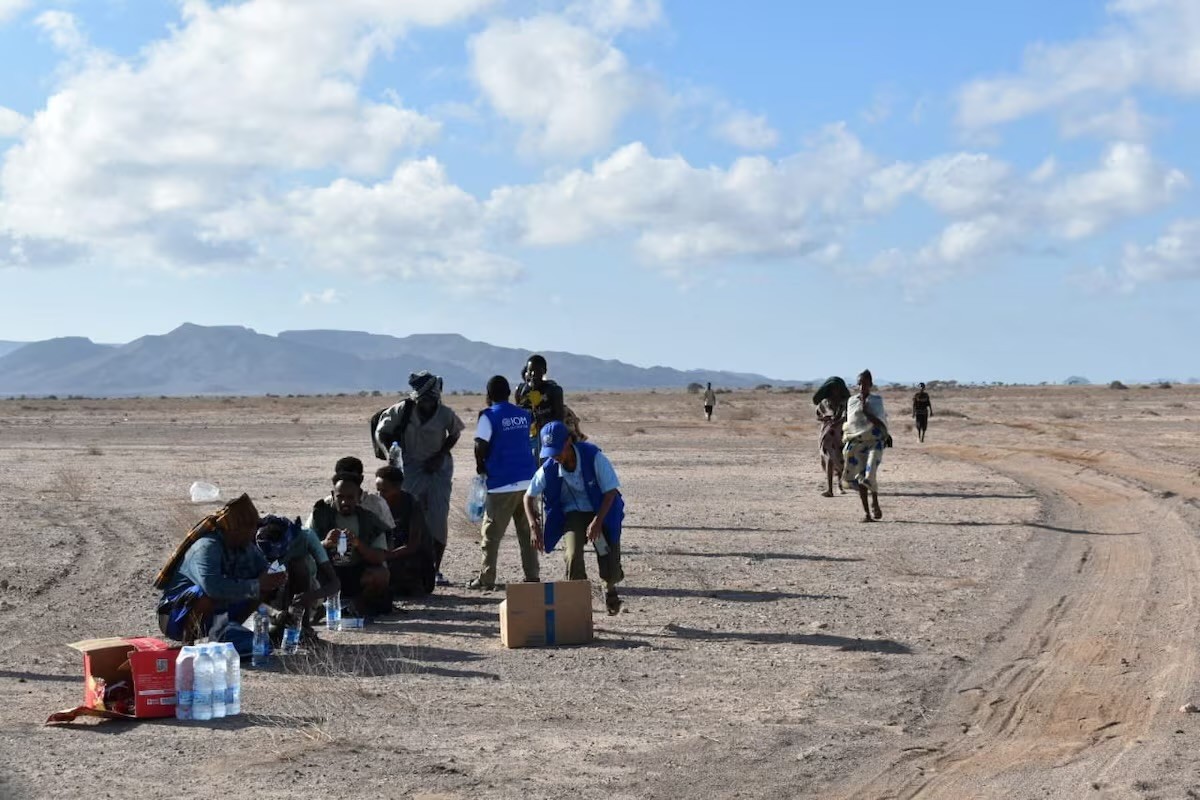
At least 139 migrants dead, including some children, after boat from Djibouti to Yemen capsizes, UN agency says
21:17
11 October 2026
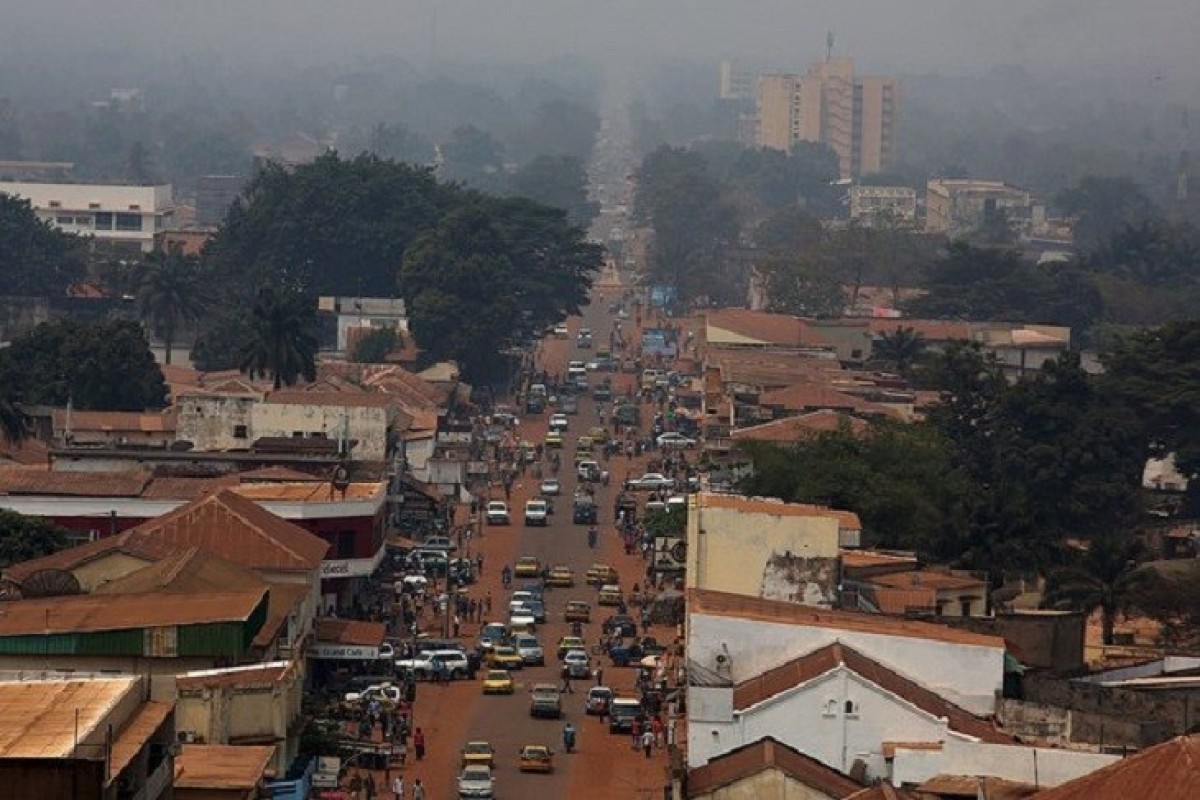
Central African Republic foils planned large-scale militant attack
07:04
11 October 2026
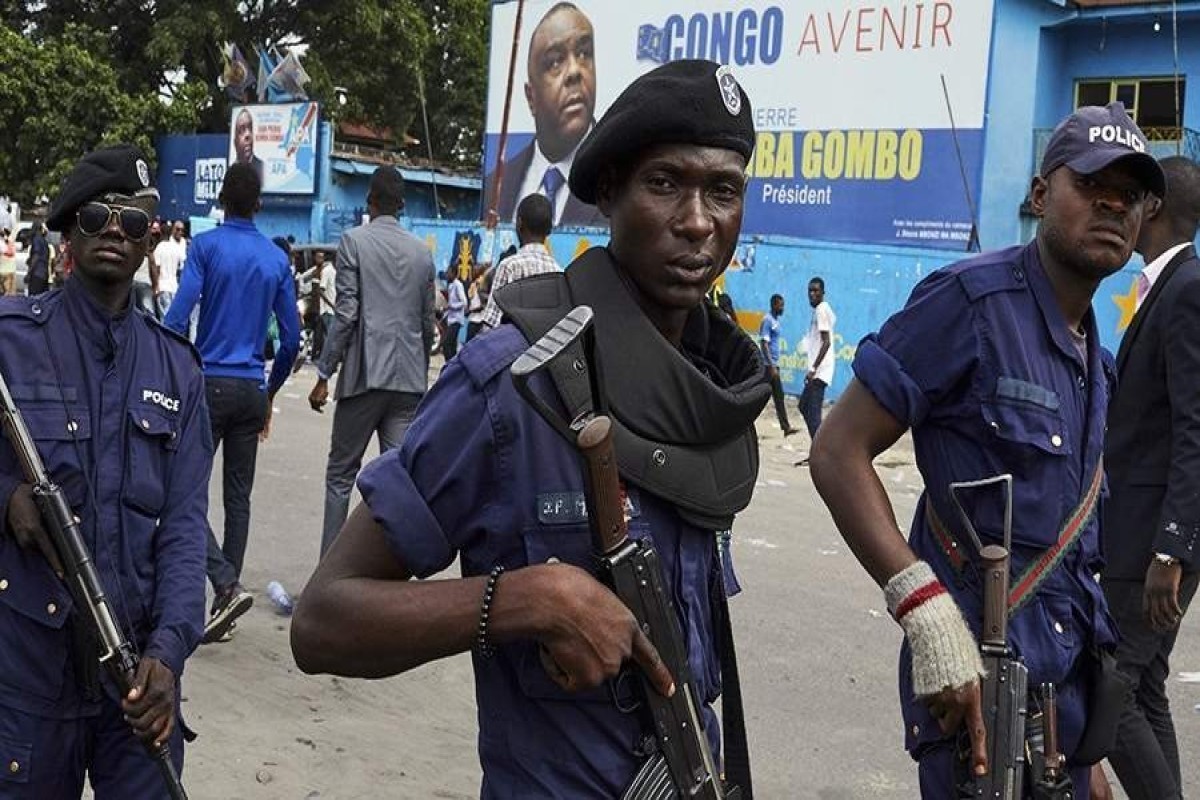
Rebel attack kills 11 civilians in DR Congo
05:16
11 October 2026

NEWS FEED
Video on 7th CICA Summit shared on President’s social media accounts
18:28
15 October 2026
President Ilham Aliyev met with Amir of Qatar - UPDATED
18:12
15 October 2026
Armenian and Turkish businesspeople discuss joint cooperation
17:56
15 October 2026
Journalist Alexander Nevzorov added to Russia’s list of terrorists and extremists
17:53
15 October 2026
New head of Republic of Dagestan elected
17:46
15 October 2026
Kobakhidze visits Armenia
17:17
15 October 2026
Georgian opposition announces protest rallies
17:05
15 October 2026
Pashinyan establishes working group to resolve railway issues with Russia
17:02
15 October 2026
Pope Leo recovering as planned after lung cancer surgery, doctors say
16:58
15 October 2026
Papuashvili: EU takes disruptive stance in relations with Georgia
16:40
15 October 2026
Baku hosted 7th CICA Summit, President Ilham Aliyev addressed the event - UPDATED - 4
16:34
15 October 2026
Azerbaijan to chair CICA in 2026–2028
16:27
15 October 2026
UN considers CICA's role more important now than ever
16:26
15 October 2026
Meeting held with delegation of international and foreign national Paralympic committees
16:23
15 October 2026
President Ilham Aliyev received Türkiye’s Minister of Foreign Affairs
16:16
15 October 2026
7th CICA Summit concludes
16:12
15 October 2026
CICA Secretary General replaced
16:11
15 October 2026
Lavrov considers it appropriate to hold next "3+3" meeting in Azerbaijan
16:08
15 October 2026
Baku Declaration adopted following 7th CICA Summit
16:05
15 October 2026
Large amount of drugs prevented from being smuggled from Iran into Azerbaijan - PHOTO
16:02
15 October 2026
Signed documents exchanged between Azerbaijan and Kazakhstan
16:00
15 October 2026
Lavrov: Russia ready to participate in TRIPP, but has not yet received invitation
15:50
15 October 2026
Lavrov: Zelenskyy is challenging Trump, not interested in elections
15:47
15 October 2026
Presidents of Azerbaijan and Kazakhstan met in Baku and inaugurated Trans-Caspian Fiber-Optic Cable Line
15:44
15 October 2026
9th Congress of Azerbaijani Journalists to be held tomorrow, candidates for Press Council Board announced
15:43
15 October 2026
Gharibabadi: Current difficulties in Strait of Hormuz caused by military aggression and naval blockade against Iran
15:42
15 October 2026
ING: $10 rise in oil prices could increase Azerbaijan’s exports by 2–4% of GDP
15:39
15 October 2026
UAE Minister: Priorities set during Azerbaijan’s CICA chairmanship align with UAE’s vision
15:33
15 October 2026
Palestinian issue raised at CICA Summit
15:31
15 October 2026
Indian FM: Changing geopolitical landscape necessitates more active participation of Global South countries
15:15
15 October 2026
Azerbaijan takes over chairmanship of CIS Advisory Council on Labor, Employment and Social Protection
15:14
15 October 2026
Death toll from Istanbul floods reaches 3, four people missing
15:12
15 October 2026
Azerbaijani Special Forces conduct training sessions for reservists
15:07
15 October 2026
Home of Novaya Gazeta editor-in-chief searched
15:04
15 October 2026
Lavrov: Russia has always supported CICA's development through practical cooperation
14:58
15 October 2026
Foreign ministers of Azerbaijan, Uzbekistan and Turkmenistan hold trilateral meeting
14:55
15 October 2026
Turkish and Russian FMs meet in Baku
14:53
15 October 2026
Türkiye committed to strengthening CICA as Asia's most comprehensive security platform - Turkish FM
14:51
15 October 2026
Bahrain calls for ensuring safety of maritime and air navigation
14:44
15 October 2026
Pezeshkian to visit Armenia for biodiversity summit
14:40
15 October 2026
Pashinyan: Armenia has never had strained relations with Russia
14:40
15 October 2026
FM Hakan Fidan: We want COP31 to become an opportunity to strengthen climate justice
14:38
15 October 2026
Turkish FM: We support CICA's transformation into a full-fledged international organization
14:33
15 October 2026
Peskov: Moscow unaware of US proposals to Europe on unfreezing Russian assets
14:31
15 October 2026
Azerbaijani Parliament Speaker meets with Chairman of House of Representatives of Belarusian National Assembly
14:29
15 October 2026
Kremlin: Russian diesel has begun entering global markets
14:22
15 October 2026
FM: China highly appreciates Azerbaijan's efforts to strengthen CICA
14:18
15 October 2026
Chairman: Azerbaijan is effectively chairing CICA
14:14
15 October 2026
Kremlin: Ukraine's strikes on Russian oil refineries contradict US peace initiatives
14:06
15 October 2026
Belarusian representative: We are united by commitment to international law and UN Charter
13:59
15 October 2026