













Baku – APA. The revelation that the accuser at the center of the Dominique Strauss-Kahn case lied on her application for political asylum has been met with outrage, treated as proof that she is wholly without credibility, and even used as evidence that her accusation against the former head of the International Monetary Fund is just one part of an elaborate con, APA reports quoting “Msnbc Powerwallâ€.
But this is far from the first time an asylum-seeker has made false claims. This isn’t even the first time a Guinean living in New York who was suddenly at the center of a case that involved prickly questions about race, power and violence—one tha drew international media attention—was revealed to have lied on the same application.
Just over a dozen years ago, Amadou Diallo was shot at 41 times by police officers who mistook his wallet for a gun. A month later, his lawyer announced that he had lied on his application for political asylum, (he said he was from Mauritania, and that soldiers had murdered his parents and imprisoned him and his uncle, none which was true). But Diallo was already dead, and his word wasn’t in question. Instead, the revelation that he had lied was merely an addendum to an incident that had sent a shock through New York City. The case against Dominique Strauss-Kahn is different. And where a week ago it seemed ironclad, with the revelation that prosecutors doubted the credibility of the accuser, every aspect of her story—every lie she may have told—has been seized upon and analyzed, sometimes splashed across the pages of tabloids as evidence of some larger guilt.
That she lied on her claim for asylum has been covered with particular zeal. But experts and those familiar with such claims say that dishonesty is common when it comes to refugees—not because they’re intentionally trying to scam the system, but because the way such claims are processed and determined puts asylum-seekers in a position where they may feel they have no other choice.
Those who, like Diallo and the woman at the center of the case against Strauss-Kahn, apply for asylum after entering the United States represent just one-tenth of 1 percent of the world’s refugees, and for them, according to Arnold-Fernandez, it’s been, on average, 17 years since they left their home countries. Legal representation is scant, and language is often an issue. But most notably: judges are given tremendous leeway. Approval rates swing wildly from courtroom to courtroom. One court officer can approve 90 percent of the cases that come before the bench, and just down the hall another might decline nine of the 10 that come before him. It’s a discretionary system—a “refugee rouletteâ€â€”that has contributed to myth-making within immigrant communities, where the stories that “worked,†are passed around like lucky charms.
“When you’re going into a legal proceeding that hasn’t been explained to you and you don’t have adequate or ethical legal counsel and you know that your life or death may hinge on what you say, the temptation to use a story that worked for someone else is incredibly high,†Arnold-Fernandez says. “We have had clients whose real circumstances are more compelling than the stories they have been advised by others to use. But there’s such a lack of adequate legal advice…. And in the absence of accurate information and legal assistance, refugee communities may end up filling in the gaps with inaccurate information.†The temptation is so great, she says, that some asylum seekers have been exploited by people charging $100 a pop for stories that “work.â€
Regina Germain, a professor of asylum law at the University of Denver, and a former counsel to the United Nations High Commissioner for Refugees, says that proving asylum claims has only gotten harder in the 20-plus years she’s been practicing. Where 50 pages of legal documentation once were required, it now takes 500, plus a medical expert if there are injuries, a country expert to attest to larger circumstances, and a psychiatric evaluation to support the applicant’s mental or emotional distress. Germain and others worry that in the wake of high-profile cases such as the DSK one, claims might get even more difficult to make. “I’m sure everybody is kind of cringing now,†she says. “Especially the person who granted [her asylum.]â€


 Follow us on Telegram
 t.me/apanewsaz
 Follow us on Instagram
 Follow us on TikTok
 Follow us on Facebook
 Follow us on X
Incident
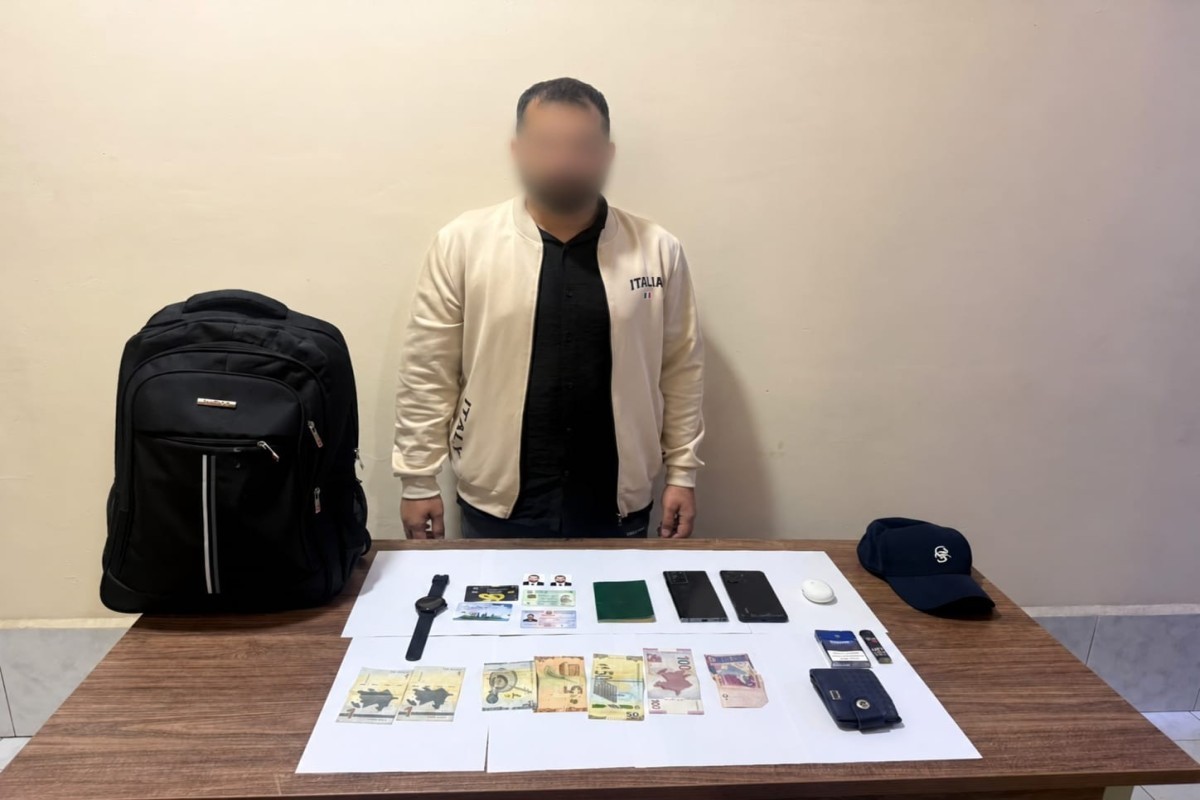
Pakistani citizen detained while attempting to cross Azerbaijan-Russia border illegally - PHOTO
 13:11
13:11
 20 October 2026

Drug smuggling from Iran into Azerbaijan prevented - PHOTO
11:23
20 October 2026
SWISS flight aircraft en route Zurich-Shanghai made emergency landing in Baku
20:45
19 October 2026
Seven people suspected of calling for violent seizure of power in Azerbaijan placed on international wanted list
18:28
19 October 2026

NEWS FEED
Feasibility study for Caspian–Black Sea–Europe Green Energy Corridor project to be presented tomorrow
13:28
21 October 2026
Mirzoyan: TRIPP railway will carry passengers
13:22
21 October 2026
Witkoff: There is a basis for achieving ceasefire in Ukraine
13:20
21 October 2026
Foreign Ministry includes Ömer Faruk Gergerlioğlu and 30 other Turkish citizens on list of "undesirable persons"
13:19
21 October 2026
New container ships expected to enter service along Middle Corridor
13:14
21 October 2026
Putin grants Trump's request, American who fought for Ukraine released
13:12
21 October 2026
Putin-Witkoff meeting begins in St. Petersburg
13:03
21 October 2026
First tanker carrying diesel fuel from Russia to US to depart tomorrow
13:01
21 October 2026
Chamber of Commerce: German companies interested in becoming part of Middle Corridor ecosystem
12:59
21 October 2026
Dutch Foreign Minister's visit to Azerbaijan discussed with Presidential aide
12:56
21 October 2026
EIB supported safety assessment of Baku–Boyuk Kasik railway - EIB Official
12:53
21 October 2026
Montenegro to introduce visa requirements for Russian citizens from November 1
12:51
21 October 2026
TRACECA Secretary General: Coordination and information exchange along Middle Corridor should be strengthened
12:48
21 October 2026
Iranian Interior Minister expresses satisfaction with talks held in Azerbaijan
12:44
21 October 2026
Deputy Minister: More than 300 events to be held as part of 12th Baku International Book Fair
12:40
21 October 2026
Al-Akhbar: US issues final warning to Iran over strikes on nuclear facilities
12:38
21 October 2026
European Investment Bank explores investment opportunities in Nakhchivan railway project
12:35
21 October 2026
EBRD plans to expand investments in maritime transport in Azerbaijan - EBRD Official
12:32
21 October 2026
EBRD: Middle Corridor should transform from transport route into economic corridor
12:30
21 October 2026
EBRD outlines three main priorities for development of Middle Corridor
12:27
21 October 2026
Report: North Korea sends 12,000 workers to Russia for Shahed drone production
12:24
21 October 2026
Saudi Ambassador: Kingdom allocates 121 scholarships annually for Azerbaijani students
12:22
21 October 2026
Armenian FM says gas and oil pipelines under TRIPP may follow different routes
12:14
21 October 2026
EU will not lift sanctions against Russia until war in Ukraine ends
12:10
21 October 2026
2 dead, 15 injured as bus falls into gorge in Indian-controlled Kashmir
12:00
21 October 2026
Opening ceremony of 12th Baku International Book Fair held - PHOTO
11:31
21 October 2026
Australia to sue five social media platforms for violating under-16 ban
11:28
21 October 2026
Rubio says Putin could attend G20 summit in Miami
11:24
21 October 2026
Rubio: Ukraine would not exist right now were it not for aid from U.S. and bravery of Ukrainian soldiers
11:22
21 October 2026
Benefits of Azerbaijan joining Common Transit Convention revealed
11:20
21 October 2026
“Falcons Meet – 2026” exercise ends - VIDEO
11:10
21 October 2026
European companies consider Middle Corridor a safer alternative
11:03
21 October 2026
Ukrainian anti-corruption authorities search home of National Bank Governor
11:01
21 October 2026
Putin to receive Witkoff in St. Petersburg today - Russian Presidential Aide
10:59
21 October 2026
Number of EU companies investing in Karabakh and Nakhchivan increases significantly over past year
10:54
21 October 2026
French fighter jet crashes during training flight, killing pilot
10:52
21 October 2026
European companies plan to expand operations in Azerbaijan
10:49
21 October 2026
Number of visitors from Azerbaijan to Georgia increases
10:47
21 October 2026
Damage caused by riots in France exceeds €1 billion
10:45
21 October 2026
European companies assess current economic situation in Azerbaijan as satisfactory
10:43
21 October 2026
Homes of Samvel Karapetyan's supporters searched, 14 detained
10:40
21 October 2026
Passenger transportation by ferries increases by 14% in Azerbaijan
10:30
21 October 2026
Ambassador: Negotiations on new agreement between EU and Azerbaijan continue constructively
10:29
21 October 2026
Rubio says Witkoff-Zelenskyy meeting 'positive', ideas to be discussed with Russia
10:25
21 October 2026
BSTDB financing for projects in Azerbaijan exceeds 700 million euros
10:22
21 October 2026
FT: Netanyahu seeks to resume attacks against Iran
10:19
21 October 2026
Israel planned large-scale strikes on Iran on October 10, but Trump opposed operation – Media
10:16
21 October 2026
Georgia to complete highway to Azerbaijan border by end of 2031
10:11
21 October 2026
Azerbaijani oil price nears $120
10:09
21 October 2026
EBRD's loan portfolio in Azerbaijan reaches 879 million euros
10:08
21 October 2026


