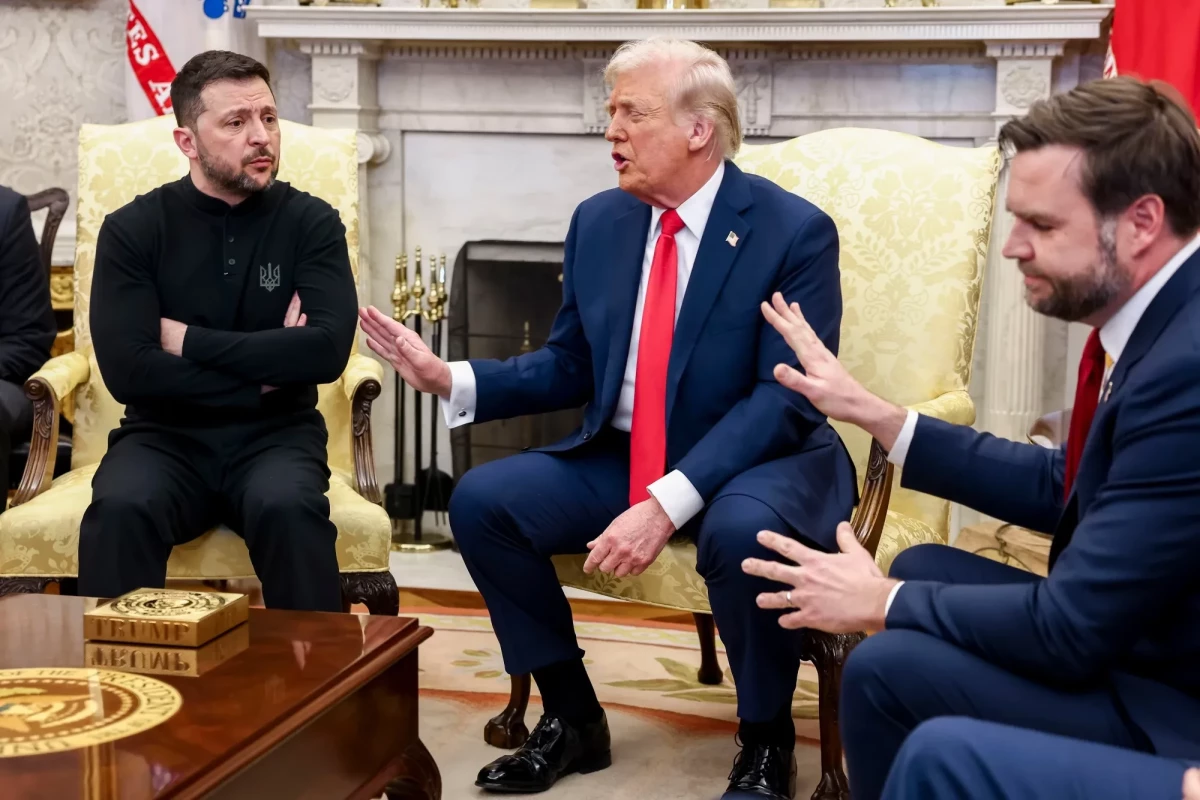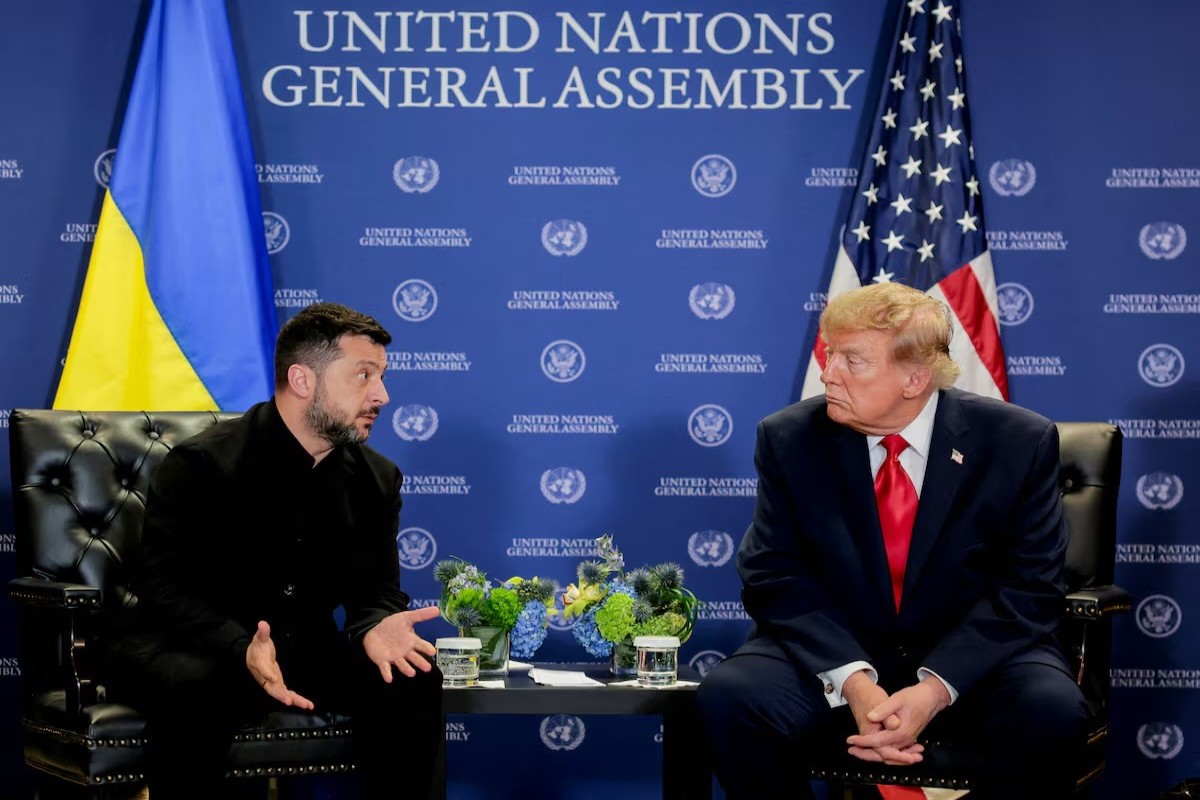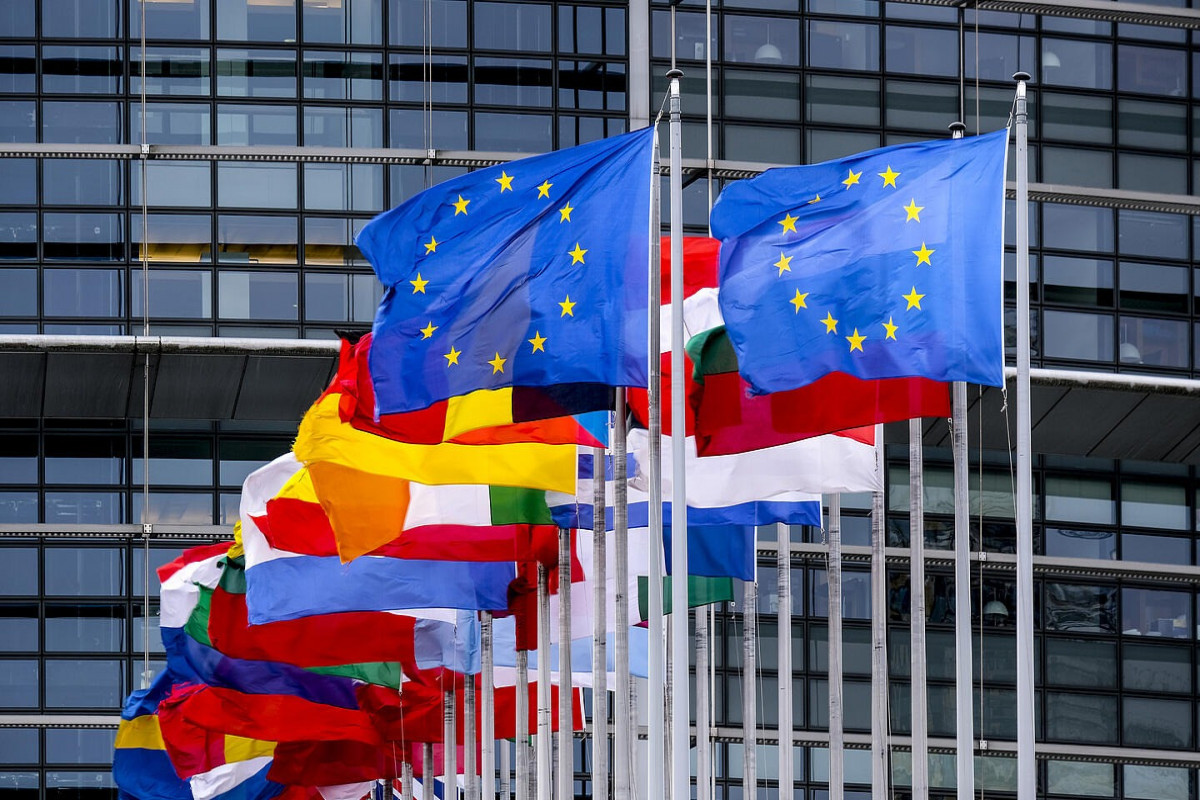


In Europe, amid discussions about sending troops to Ukraine to guarantee security, they also want to consider alternative options, APA reports citing Reuters.
European countries face political and logistical constraints on sending peacekeepers to Ukraine, as well as the prospect of opposition from Russia and the United States to their plans. Although Britain and France have been working for weeks on a plan to send peacekeepers to Ukraine to secure a future ceasefire, diplomats doubt that this is the most likely option.
“They are taking a step back from ground troops and trying to rethink their actions towards something more sensible,” said an unnamed European diplomat.
Another diplomat noted that “when Ukraine was in a more advantageous position, the idea of sending troops was attractive”, but because of the US position, it no longer looks that way.
However, as Reuters points out, the initiative has not yet been canceled. In addition, individual countries can send their own troops to Ukraine.
The Coalition of the Willing summit will begin in Paris on March 27. In particular, they will discuss Ukraineʼs military reinforcement to deter future attacks, ways to monitor the ceasefire at sea, and attacks on energy infrastructure.
Some European allies are reluctant to send peacekeeping forces without solid the US guarantees and an international mandate. They are concerned about funding, manpower and equipment shortages, and ultimately the prospect of going to war with Russia.
Even if European countries do not plan to send large numbers of their troops to Ukraine, they can still help. For example, they can provide support to the forces already in Ukraine — in particular, if some kind of peace agreement is concluded and supported by the UN. Europe can also strengthen its troops in countries neighboring Ukraine, for example in Romania. In particular, this concerns the possibility of increasing NATO forces already present in Eastern Europe — these are the so-called Enhanced Forward Presence (EFP) units, which strengthen NATOʼs eastern borders and deter potential aggression.


 Follow us on Telegram
 t.me/apanewsaz
 Follow us on Instagram
 Follow us on TikTok
 Follow us on Facebook
 Follow us on X