








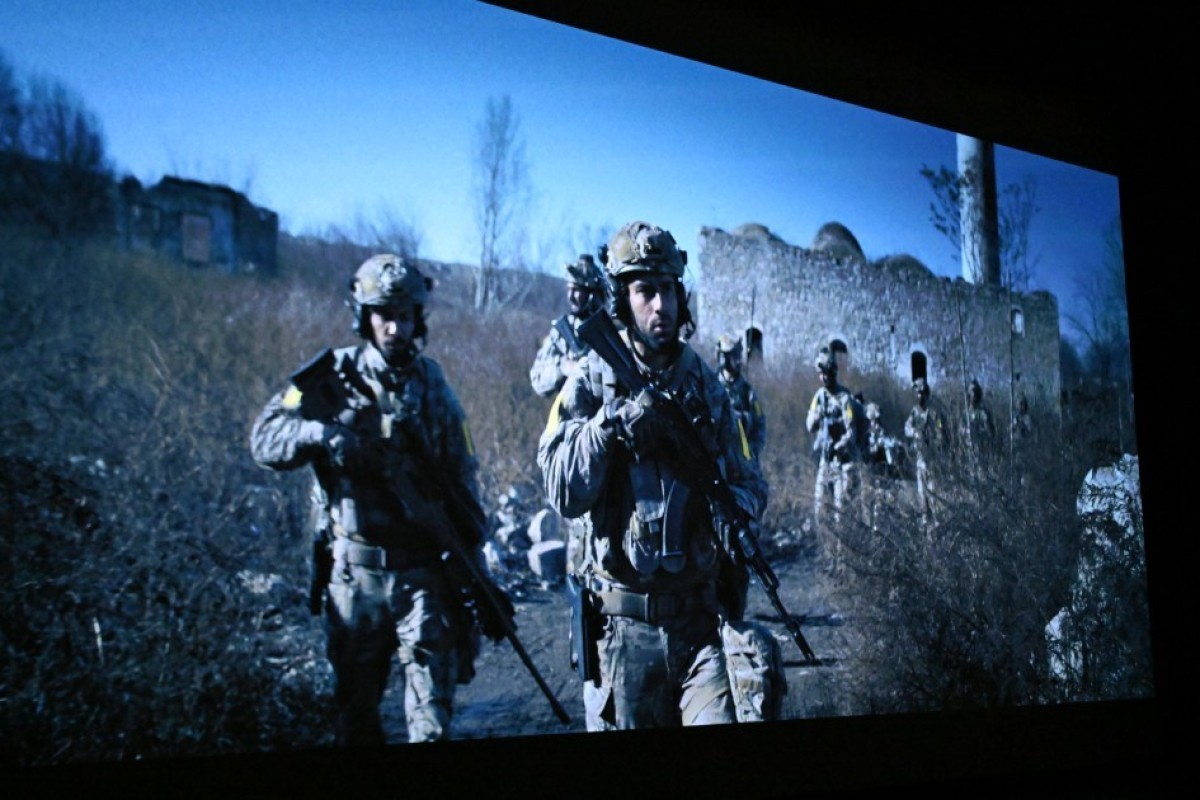


APA presents Nadir Yalchin's impressions of the film “44”
The Second Karabakh War needed an artistic account. And when we gathered at the Heydar Aliyev Center on October 12 to watch this account, the first thing that came to my mind was:
Regardless of the quality of the film, the fact itself is significant!
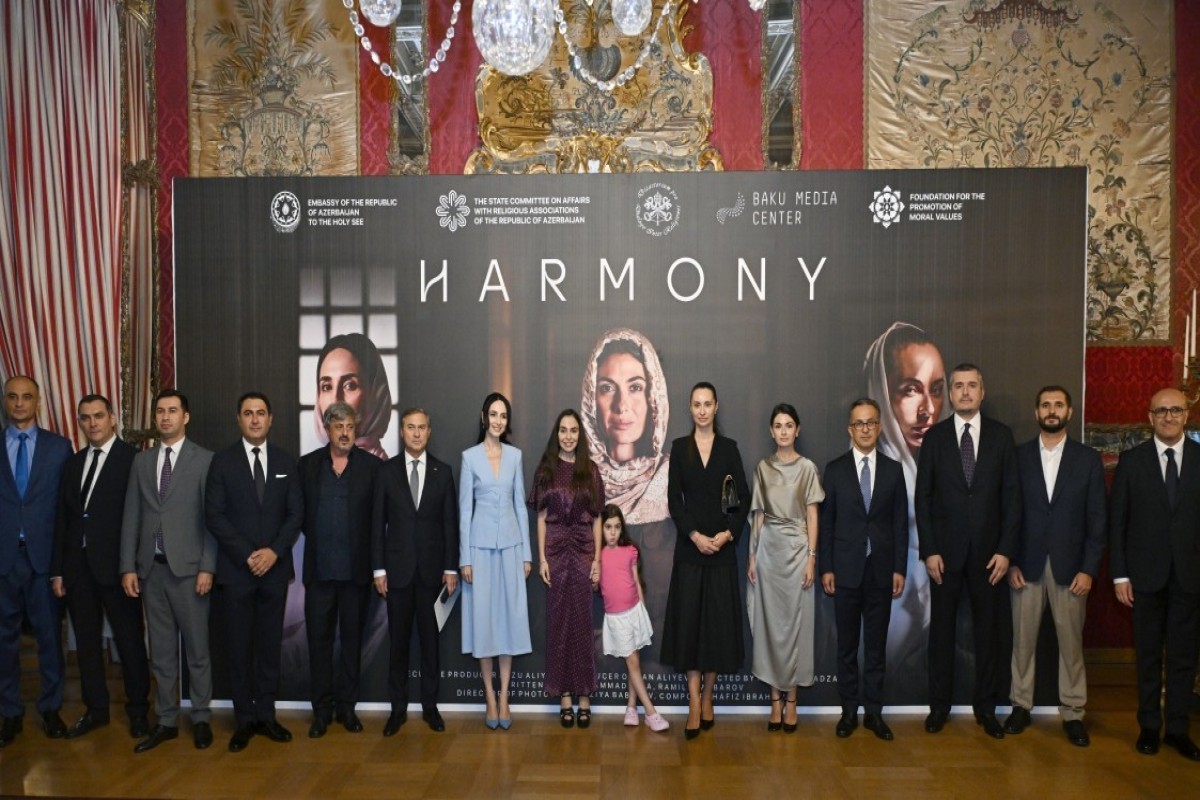
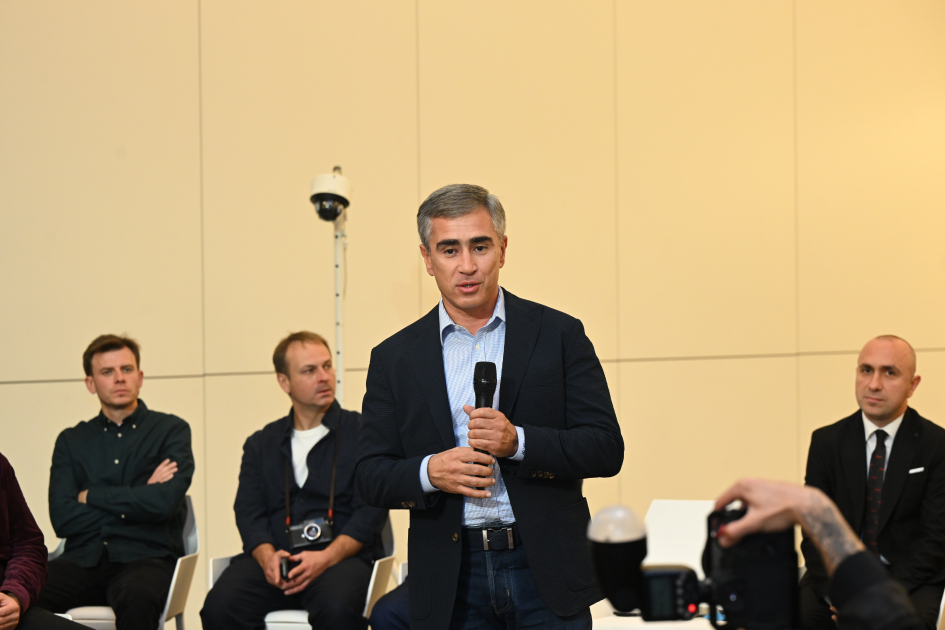
A press conference is held before the premiere of the film “44”. The majority of the cast seated opposite the journalists are young people. We are familiar with the performances of many of them. The ensemble cast of “44” reduces uncertainty about the future of Azerbaijani cinema. The film's producer, Orman Aliyev, speaks enthusiastically about the high-standard equipment Azerbaijan purchased for “44”.
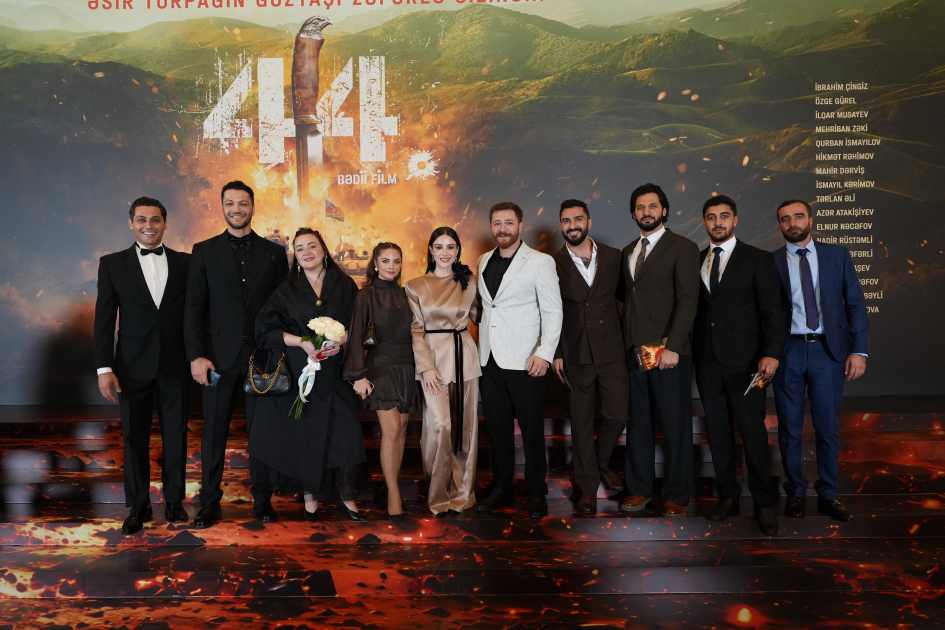
To make the film “44”, it was necessary to be fully prepared, just like for the 44-day Patriotic War...
Anar Alakbarov, Assistant to the President of the Republic of Azerbaijan and artistic director of the film, thanks the media at the press conference and emphasizes APA's active participation in the process. A sense of responsibility and sensitivity arising from a strong sense of duty can be felt in the conduct of the Heydar Aliyev Foundation's team, led by Anar Alakbarov, which effortlessly organizes hundreds of events of various scales. Throughout the day, everyone expresses gratitude to him for this initiative.
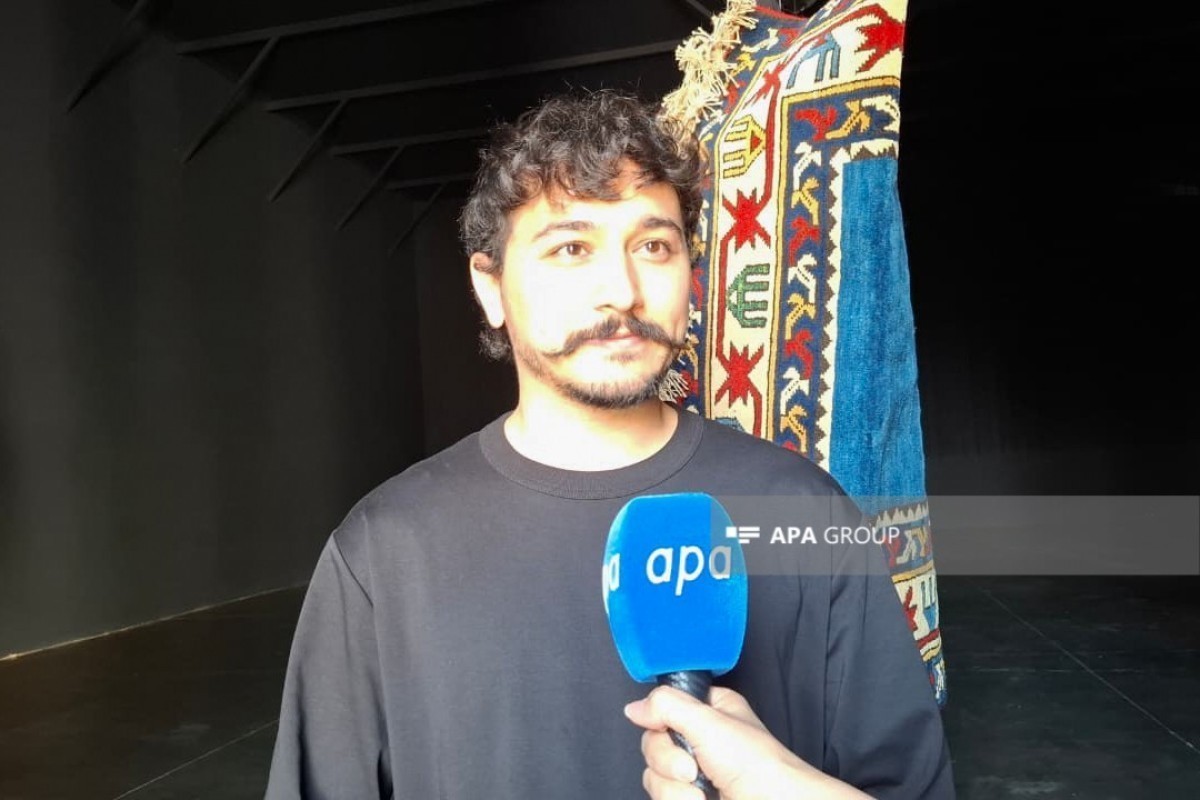
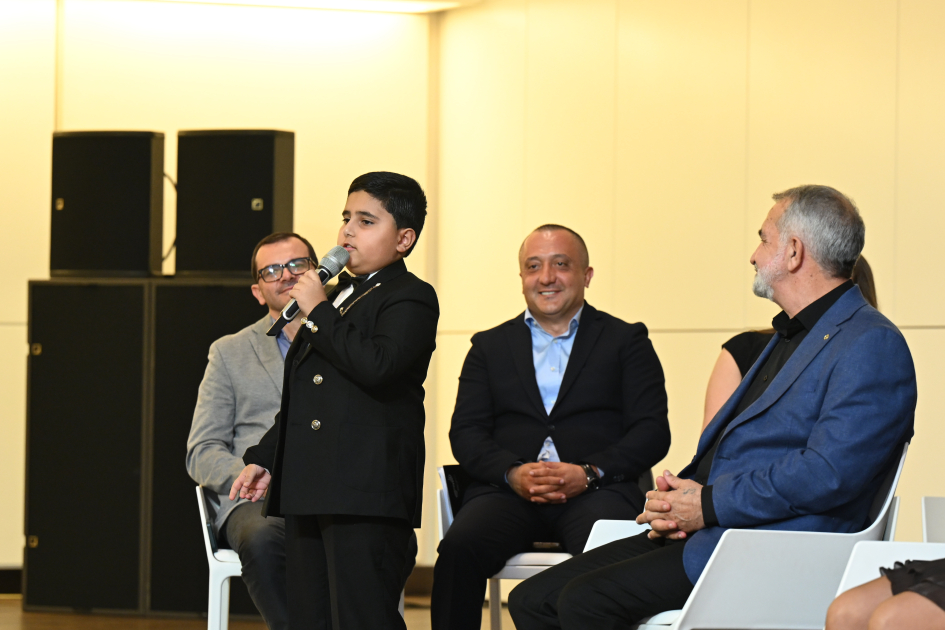
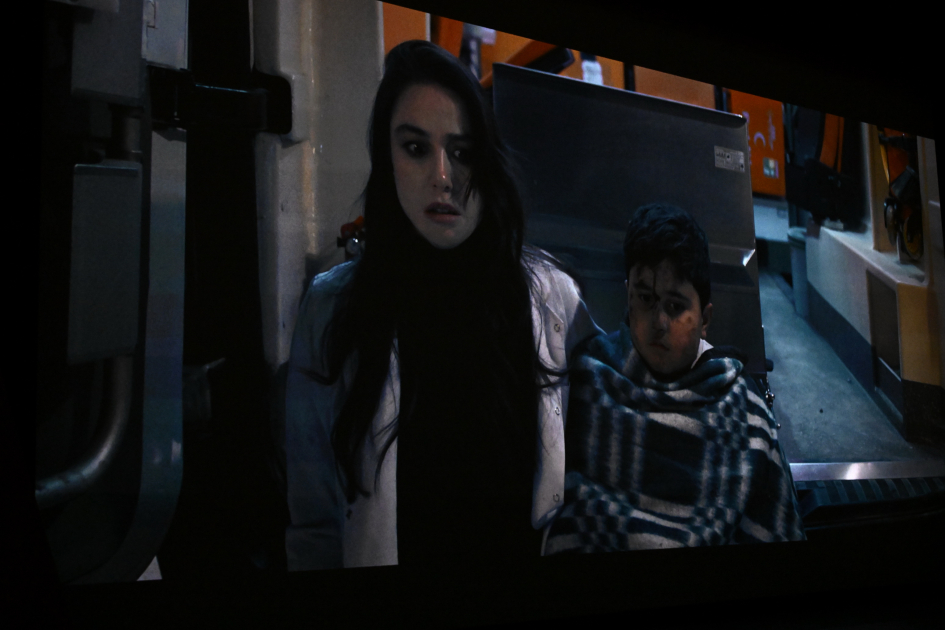
An opportunity arises to communicate directly with the creative team. Through journalists' questions, we learn interesting details about the filming process. Suddenly, a question is addressed to the youngest member of the cast. We probably all remember Bakhtiyar, who smiled with his face covered in blood during the terrorist attack in Ganja. Rasim Abdullayev, who portrays that child, says that his grandfather was martyred in the First Karabakh War and that his father fought in the Second Karabakh War. He, in turn, continues his family's mission not in real life, but in the film, completing the process by playing the role of a child injured in the terrorist attack. After his answer, it becomes difficult to ask any more questions, and there is time left to reflect before the premiere...
***
I await the screening of the film with the same excitement as football fans who chant "Martyrs never die, the Motherland is indivisible" in the 44th minute of football matches. As the martyrs are commemorated with a minute of silence, the sound of the clock's ticking hands, dominating the hall, creates the effect of a time bomb set to explode at a predetermined moment. And indeed, the film we are about to watch explodes like a bomb at the Heydar Aliyev Center.
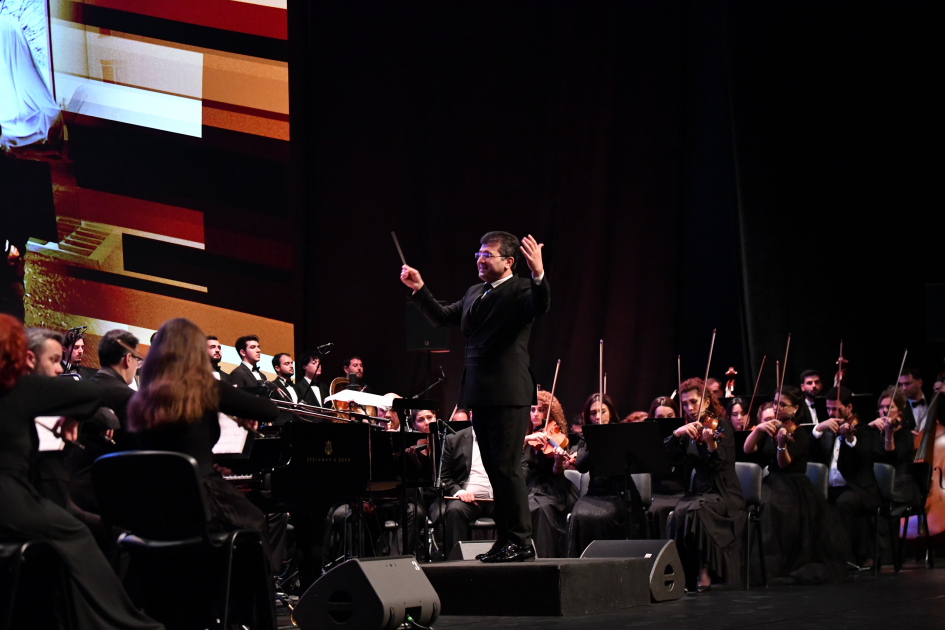
The soundtrack of the film “44” is performed by the Azerbaijan State Opera and Ballet Theater and the Azerbaijan State Choir Chapel under the baton of Ayyub Guliyev, and the film begins. Or rather, the film does not begin; the boundaries between the beginning of the film and real life disappear.
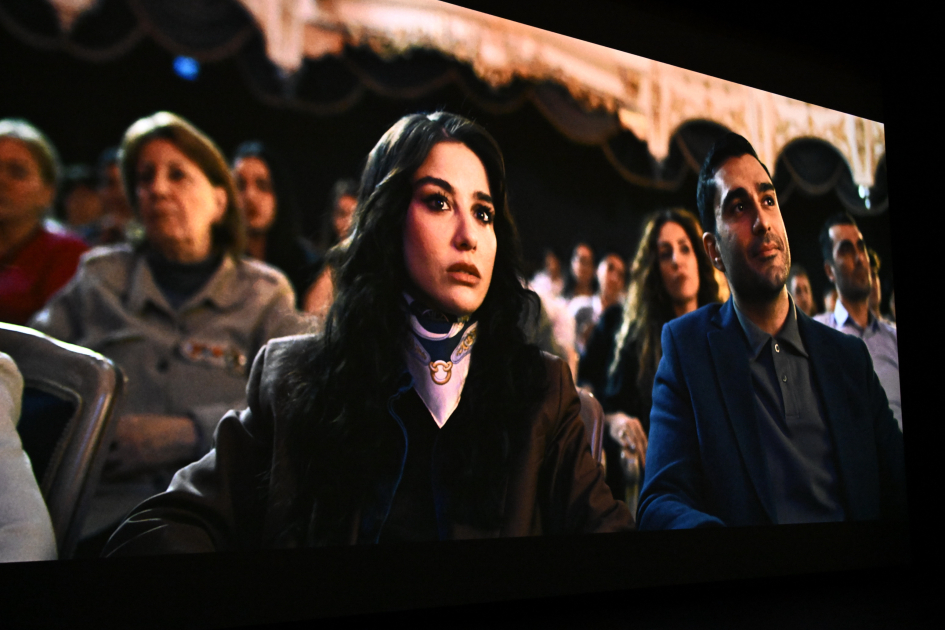
The film begins with the love story of Rashad Khalilov, whose father died years ago, who grew up on his schoolteacher mother's salary and who goes to great lengths to join the Special Forces, and Zeynab Ozdemir, a young doctor who arrives from Türkiye. Throughout this storyline, adherence to a moral tradition is evident: the figure of the "nurse of compassion."
In every era, it is impossible to escape the need for a compassionate woman to tend to one's wounds!
Ibrahim Chingiz, who plays Khalilov, gives the impression of an actor who is in no way inferior in stature to Özge Gürel, who portrays the Turkish doctor, despite her talent and popularity. He is not overshadowed by her, and the two form an excellent on-screen partnership. Ibrahim Chingiz had long demonstrated his brilliance both on the stage of the Azerbaijan State Russian Drama Theater and in various screen productions. However, “44” has become his calling card.
The commander of the military unit asks Khalilov, who wants to join the Special Forces:
– Can you do it, Khalilov?
– I can, Colonel.
With this determination, Khalilov sets out on his journey and grows stronger and more experienced. Interestingly, throughout the film, we see the hero's answer to the question "Can you do it?" addressed to him. At different stages of his life, he repeatedly answers this question through his actions, striving to earn everyone's trust.
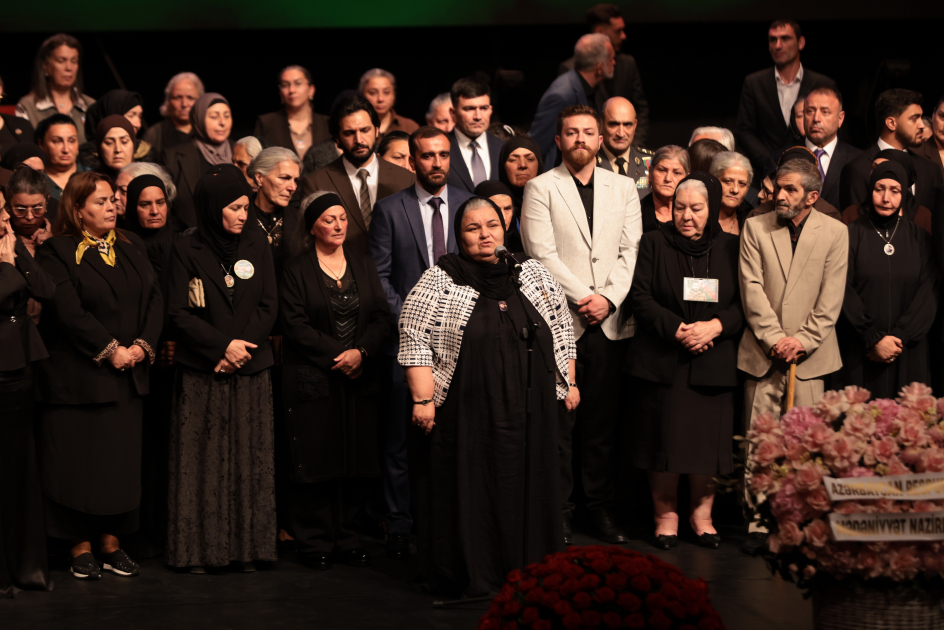
After the film ends, when the mothers of martyrs come onto the stage, the mother of a hero who was martyred after just five months of military service says:
I thank the President for believing in our children.
Khalilov in the film also convinced us that he could do it...
Film critics will probably write what needs to be written about the merits of the film. There are many details. But among these details, some are particularly special.
When a missile strikes Ganja, the resulting chaos is depicted. Zeynab Ozdemir, the young Turkish doctor who continues working in Ganja, is horrified. The woman in whose home she is staying is killed. This episode is followed by a flashback to several years earlier. Khalilov and Zeynab Ozdemir are watching “Leyli and Majnun” at the theater. Majnun declares loudly:
I possess a greater capacity for love than Majnun, I am the true lover; Majnun has only the name.
People's resilience, unwavering determination, and devotion are echoed in and intertwined with Majnun's inexplicable love, portrayed as even nobler and greater than Majnun's love.
This love is reflected in various moments:
A mother who flinches at the volley of gunfire over her son's grave but maintains her composure...
A wife who shoulders her husband's coffin...
A father who marks the place where his son was martyred with a black pin on the map, yet keeps that black pin among the red ones as news of Victory arrives...
A commander who, in his final moments, is brought to Jidir Plain by his comrades-in-arms and breathes his last there...
***
It would not be appropriate to reveal more about the film's plot, as it will be screened in cinemas. However, “44” explained many things.
Azerbaijan is renewing everything.
The excerpt from the “Bayati Shiraz” mugham, which expressed sorrow after the First Karabakh War and which we heard performed by Tajir Shahmalioghlu, was transformed into a melody of pride with a new interpretation. At the end of the film, the same excerpt was heard in the voice of Kenan Bayramov.
Azerbaijan has also renewed its own “Bayati Shiraz”.
For the second time since Malik Dadashov, who portrayed an Armenian character with great professionalism in the film “Faryad”, we saw an artist who did justice to an Armenian character in “44” — Hikmat Rahimov. As in all his roles, he portrayed this character masterfully. Hikmat Rahimov has gone down in history as the actor who successfully took on the role of an Armenian character after Malik Dadashov.
Azerbaijan has also renewed the “Armenian character” in its cinema.
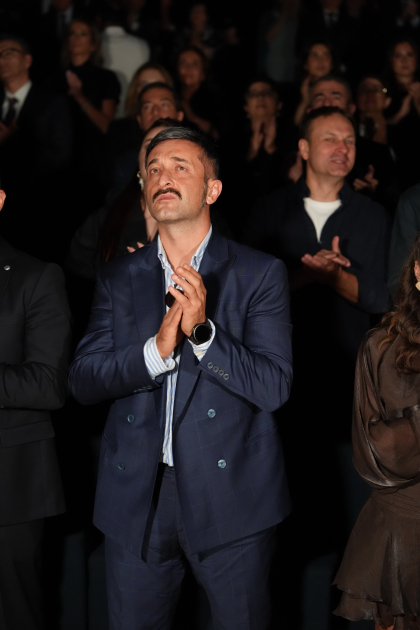
And finally, the artistic account was achieved. The way was paved for new productions on the theme of war.
However, this film is also significant for another reason. For the first time in a feature film, footage of President Ilham Aliyev was presented as an integral part of the production. And this happened twice.
Six years ago, the President addressed the people at the Alley of Martyrs. In the film, wounded patients and medical workers at a hospital in Ganja watch this address with great emotion.
At the end, photographs of the characters who were martyred in the film are displayed during the Remembrance Day march. The President and the First Lady also participated in this march in 2021. The film creates a situation in which photographs of the fallen characters are carried by servicemen during the march, followed by footage from five years ago, making it seem as though the President is also taking part in the march where the photographs of those characters are being displayed.
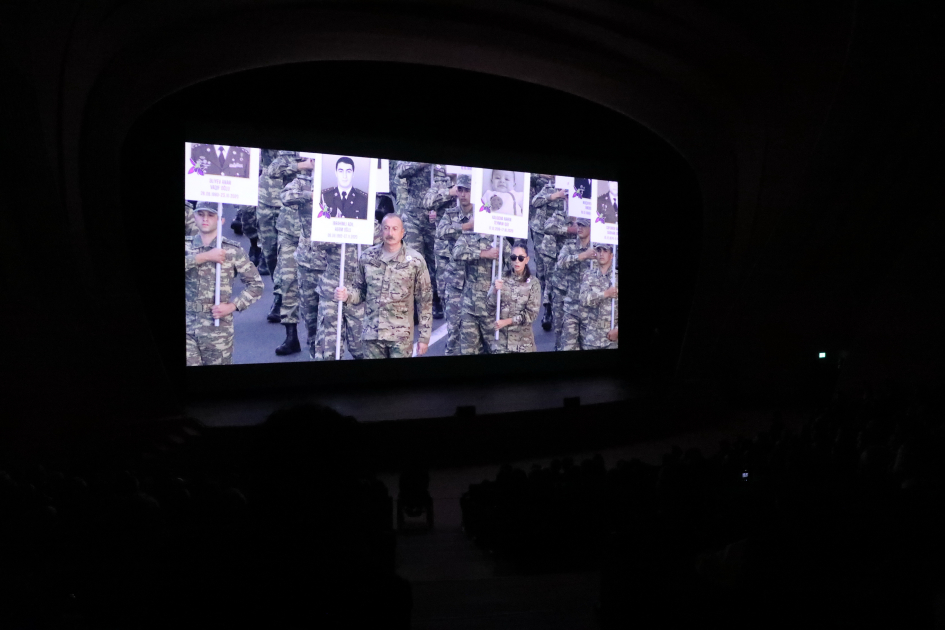
Although these images are shown in the film, and although we are watching them on screen, there is one truth:
We have experienced all of this in real life... That is why I have coined a compound word to describe “44”: “film-life”.
***
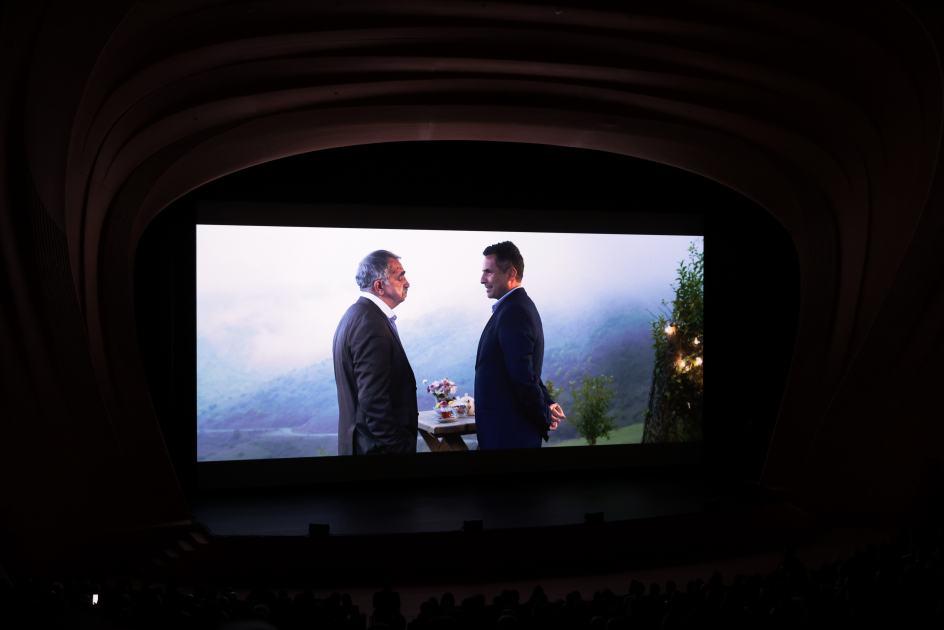
But if you asked me which line from the film I cannot forget, I would give this answer:
– Commander, I told Elkhan to go and do something else, but he became a soldier.
– Elkhan is doing the best job of all — defending the Motherland.


 Follow us on Telegram
 t.me/apanewsaz
 Follow us on Instagram
 Follow us on TikTok
 Follow us on Facebook
 Follow us on X