










Baku – APA. A new and possibly decisive chapter of the Afghan war is unfolding, APA reports quoting Associated Press. The U.S. is preparing a major attack on the Taliban, the militants are being squeezed in their Pakistani sanctuaries, and the Afghan government is trying to draw them into peace talks.
While "not prepared to say we’ve turned a corner," the top U.S. commander, Gen. Stanley McChrystal, told reporters at a NATO meeting Thursday that he is more optimistic than last summer and now believes the situation is no longer deteriorating.
Much could still go wrong. Even if all the cards fall in NATO’s favor, the conflict will likely persist for years.
But the U.S. and its partners now have a better shot at blunting the growth of the Taliban, the austere Islamic movement that rebounded four years ago after being driven from power in the 2001 U.S.-led invasion after it refused to sever links to al-Qaida.
If NATO recaptures the momentum, it could encourage the militants in time to seek a political settlement, which U.S. officials believe is the only way to end the conflict.
For now, attention is focused on what will be the first big test of U.S. President Barack Obama’s surge — an assault by thousands of U.S. Marines and soldiers on Marjah, a southern Afghan city of 80,000 people and the hub of Taliban logistics. Aid teams are supposed to follow the troops to re-establish public services and government control in hopes of winning public support.
It will be the first major combat operation since Obama last December ordered 30,000 more U.S. troops to Afghanistan, gambling on turning the tide of war. Other NATO countries added 7,000 more.
The Taliban, mindful that Obama also pledged to begin withdrawing U.S. forces in mid-2011, claim to be undaunted by the surge.
"The number of Taliban fighters is increasing day by day, not only in the south but in the north of Afghanistan as well," says Taliban spokesman Qari Yousef Ahmadi. "It doesn’t matter if the Americans increase the number of soldiers, the Taliban will continue to pursue jihad," he told The Associated Press.
Insurgent forces have grown steadily in Afghanistan — from fewer than 400 in 2004 to nearly 30,000, by NATO estimate.
But they are already feeling pressure. Village elders and former Taliban fighters tell the AP that many militants are returning from Pakistan because of stepped-up U.S. missile strikes there — one of which is believed to have killed the commander of the Pakistan Taliban — and Pakistan’s offensive last year against Taliban in South Waziristan near the Afghan border.
At least some of the returning fighters have expressed interest in government offers of reconciliation. And those who fight on may be easier to handle in Afghanistan, corralled against NATO firepower, rather than in Pakistan, where foreign troops are banned from ground combat operations and the main weapon is missiles fired from pilotless drones.
For years, it has been hard to see any glimmer of hope amid rising casualties, roadside bombs and suicide attacks in a chaotic country with a centuries-old tradition of banishing foreign armies.
Last year, according to AP’s count, at least 499 U.S. and NATO service members died in Afghanistan, almost as many as in the previous two years combined, and U.S. officials warn of more bloodshed to come.
There’s still widespread skepticism that President Hamid Karzai, re-elected last year in a ballot marred by massive fraud on his behalf, will fulfill his promises to eliminate corruption, improve public services and thus blunt the Taliban’s appeal.
Taliban shadow governments now operate in nearly all the 34 provinces. Taliban courts mete out Islamic justice and settle village property disputes often faster — and many Afghans say more fairly — than the government’s own judiciary.
Last month, Taliban suicide fighters stormed the center of Kabul, paralyzing the capital for hours and sending government officials fleeing to bunkers before the attackers were all killed.
Mullah Mahmood, a village elder and former Taliban commander in Ghazni province, said his district has seen an influx of militants returning from Pakistan. They patrol on motorbikes in groups of 10 to 15, run Islamic courts and require families to contribute one man to their ranks, he told the AP.
"The pressure from the Pakistani army and drones is causing people to come here," he said. "This year they have new Japanese motorcycles, weapons and bullets. Villagers are providing food."
However, the Taliban have had little success in recruiting outside the Pashtun community, the largest ethnic group with about 40 percent of the population. Although disenchantment with the Karzai government extends nationwide, so far the Tajiks, Hazaras and Uzbeks have shown little enthusiasm for the Taliban, which massacred many of them in the 1990s.
Richard Barrett, chief of the U.N.’s al-Qaida and Taliban monitoring team, says the movement may be approaching the limits of its expansion, but there are signs it is becoming more cohesive. It is developing a command structure that extends from the Taliban leader, Mullah Mohammed Omar, to commanders in the field.
Such cohesion may make it harder to woo low-level Taliban fighters with promises of jobs and housing as envisaged by Karzai at a conference in London last month where he appealed for international funding.
Those who quit the battlefield and disavow al-Qaida must feel protected and receive an "immediate package of support," said Mohammad Masoom Stanekzai, Karzai’s point man on reconciliation. "That will give a positive signal to the rest that it’s safe to come back."
Previous attempts at reconciliation faltered, in part for lack of funding. The U.N. says only about 170 ex-militants left the insurgency last year under local peace plans.
"We’ve done a good job bringing them in," said Sana Gul Kochai, the head of the reconciliation program for the eastern province of Nangarhar, which borders Pakistan. "But of course they become disappointed and demoralized when they don’t get land or jobs."
Qari Fazel Rahman Farouqi, who fled Afghanistan after the fall of the Taliban in 2001 and led a cell attacking NATO supply convoys in Pakistan, said he was willing to take a chance on reconciliation. The bearded commander reported to regional reconciliation authorities in Jalalabad with 18 of his men last weekend.
If he gets what was promised — especially immunity from prosecution — he believes hundreds of his comrades may follow.
Karzai also hopes to draw the Taliban into peace talks, but U.S. officials are skeptical because the insurgents are sure they are winning the war — a certainty the U.S. military hopes to change in the upcoming offensive.
Stephen Biddle of the Council on Foreign Relations and an adviser to the U.S. military on Afghanistan, says one of the risks of robust peace overtures is that the Taliban will take them as a sign of desperation.
"One of the things the other side is trying to find out is how committed are we to succeeding," Biddle said.


 Follow us on Telegram
 t.me/apanewsaz
 Follow us on Instagram
 Follow us on TikTok
 Follow us on Facebook
 Follow us on X
Asia
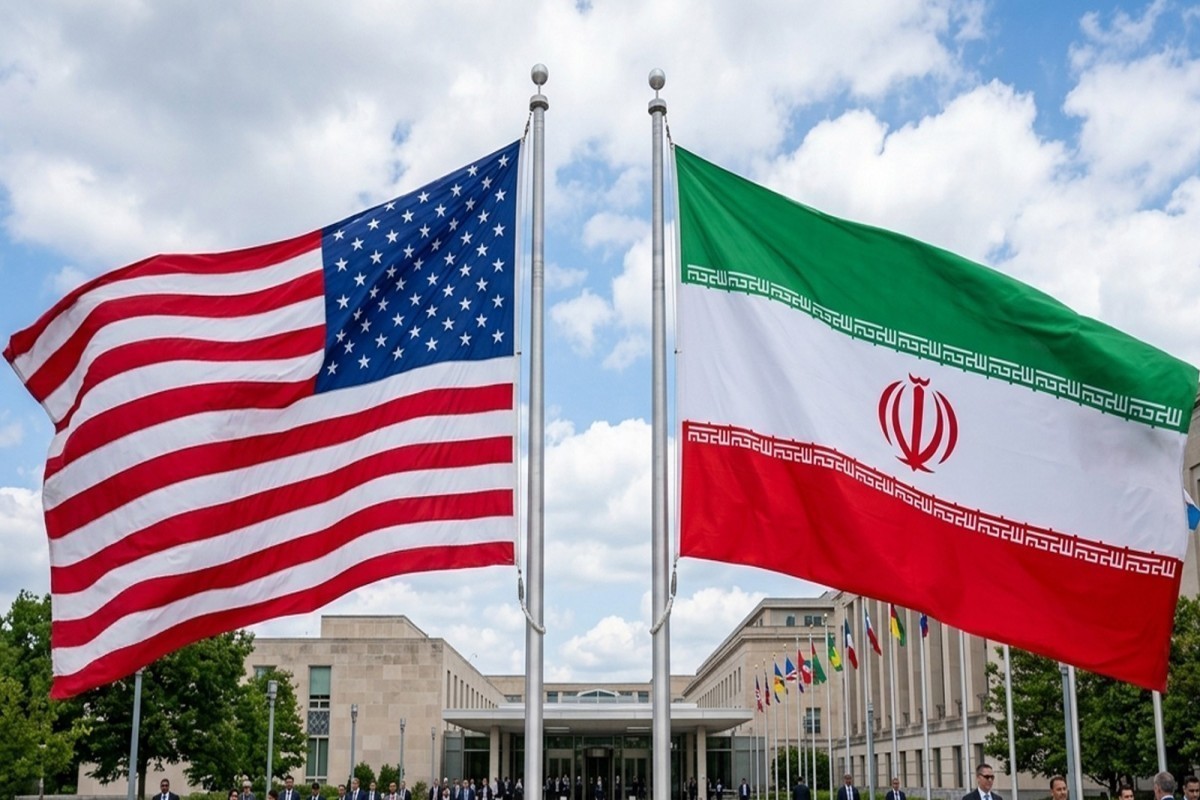
Iran says access to attacked nuclear sites depends on final US deal
 15:14
15:14
 24 June 2026
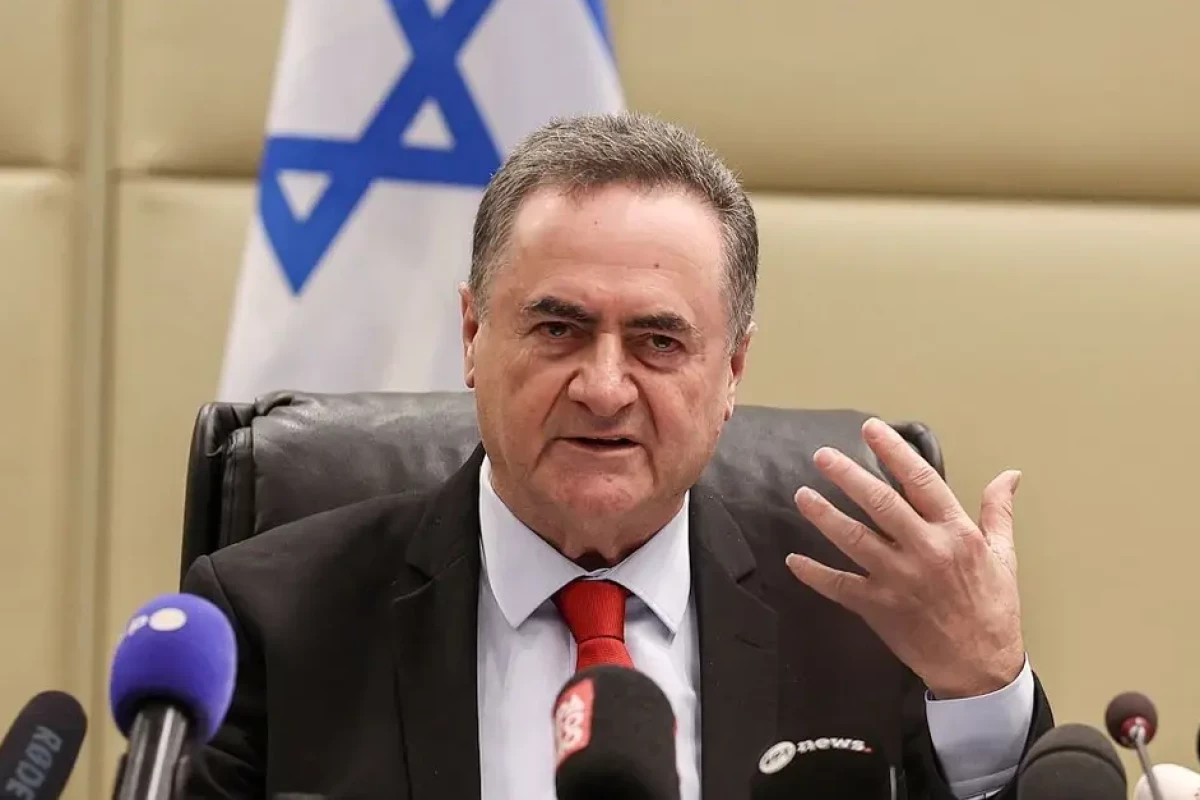
Katz vows IDF won’t withdraw from south Lebanon ‘even if there’s an American demand’
15:02
24 June 2026
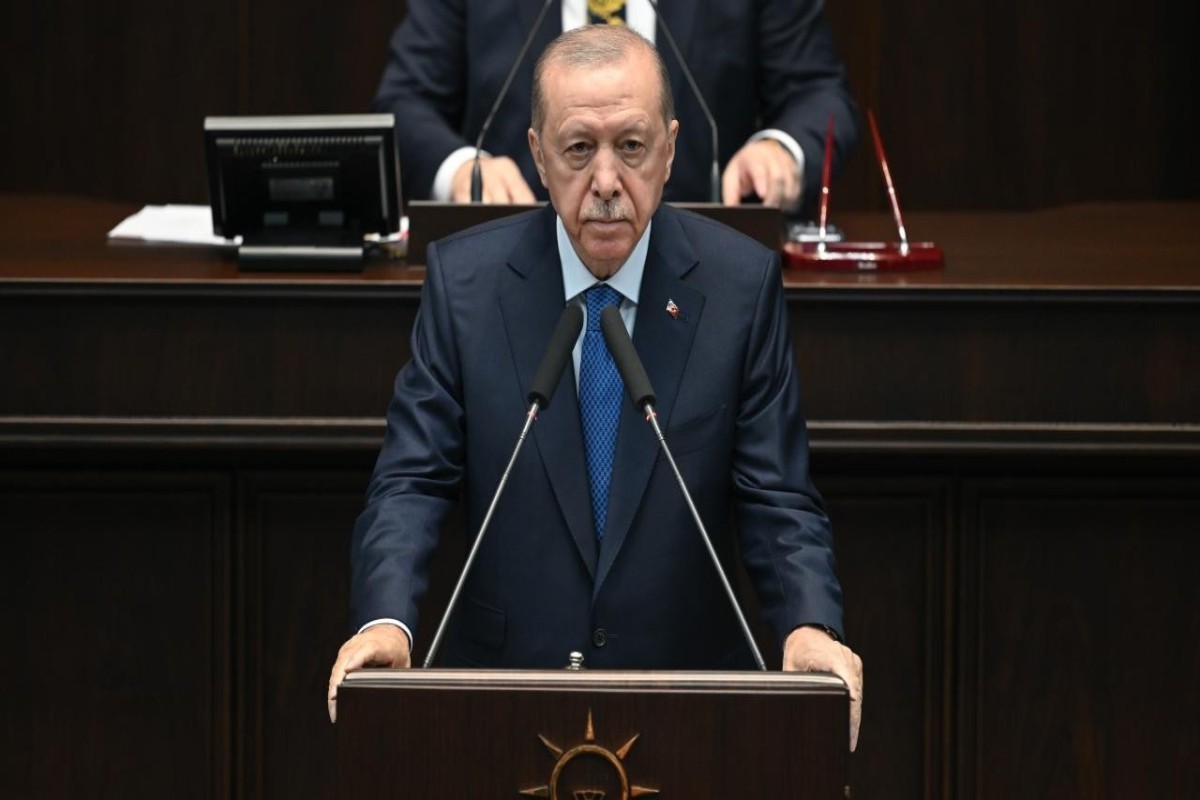
Erdoğan: Israel has been doing everything it can for 10 days to undermine a US-Iran agreement
14:39
24 June 2026
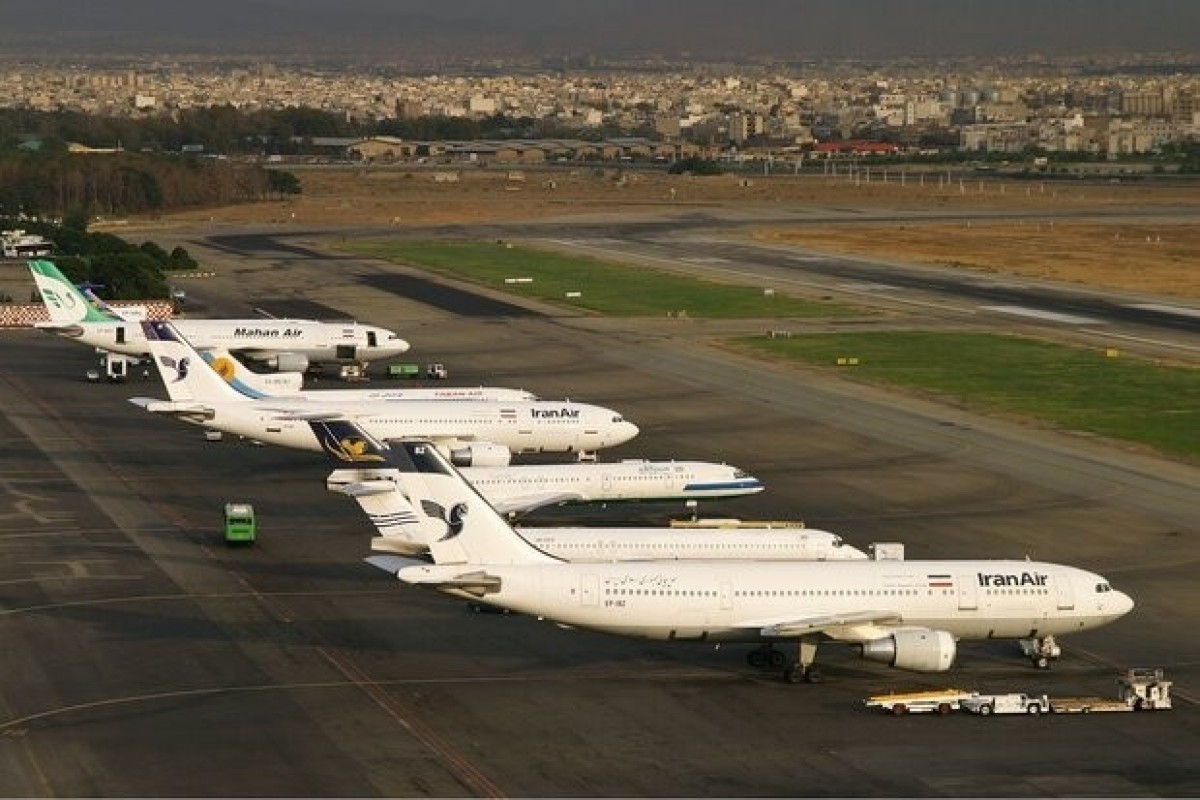
Tehran's Mehrabad Airport to close due to Ali Khamenei's funeral ceremonies
13:52
24 June 2026

NEWS FEED
Trump: Negotiations will end immediately if Iran charges ships passing through the Strait of Hormuz
15:54
24 June 2026
Azerbaijan assumes chairmanship of the Parliamentary Union of OIC member states - UPDATED
15:24
24 June 2026
AZAL’s first Airbus A321neo delivered in Hamburg - PHOTO
15:23
24 June 2026
AZAL: New Airbus A321neo can be safely operated on any route - VIDEO
15:20
24 June 2026
Iran says access to attacked nuclear sites depends on final US deal
15:14
24 June 2026
Katz vows IDF won’t withdraw from south Lebanon ‘even if there’s an American demand’
15:02
24 June 2026
Media representatives visit Airbus production facility in Hamburg - PHOTO
14:50
24 June 2026
President Ilham Aliyev received delegation led by Speaker of Grand National Assembly of Türkiye
14:49
24 June 2026
Azerbaijan's insurance market grows by nearly 2% this year
14:39
24 June 2026
Erdoğan: Israel has been doing everything it can for 10 days to undermine a US-Iran agreement
14:39
24 June 2026
Lavrov: Diplomatic solution to Ukraine crisis remains possible
14:37
24 June 2026
France confirms first Ebola case in doctor returning from DR Congo mission
14:04
24 June 2026
Tehran's Mehrabad Airport to close due to Ali Khamenei's funeral ceremonies
13:52
24 June 2026
Ukraine hits two airfields and air defence systems in Crimea, including Pantsir-S1 units
13:51
24 June 2026
Drones strike major Russian gas processing plant 1,500 km from Ukraine
13:40
24 June 2026
Azercell and Samsung launch a new campaign
13:29
24 June 2026
Presidential aide: Main goal in cotton farming by 2030 is to increase average yield to 50 centners per hectare
13:27
24 June 2026
Peskov: Armenia is currently choosing its path of development
13:20
24 June 2026
AZAL: Today's Baku-Nakhchivan-Baku flights cancelled
13:09
24 June 2026
Central Bank of Azerbaijan preparing amendments to compulsory insurance regulations
13:02
24 June 2026
Azerbaijan extends special quarantine regime until October 1, 2026
12:57
24 June 2026
Sabirabad executive authority head: State Program will strengthen food security and non-oil sector growth
12:53
24 June 2026
Conference dedicated to Azerbaijan's position as a middle power held - PHOTO
12:45
24 June 2026
Azerbaijan's social reform achievements presented at UN Forum
12:43
24 June 2026
Numan Kurtulmuş: PUIC chairmanship passing to Azerbaijan is extremely important for us
12:43
24 June 2026
Azerbaijani President: We have always felt the consistent support of the OIC
12:20
24 June 2026
President Ilham Aliyev addressed participants of 20th Session of OIC Parliamentary Union Conference - UPDATED
12:15
24 June 2026
Presidential aide: Investment under the State Program will amount to approximately 700 million manats
12:11
24 June 2026
Airbus: Azerbaijan is a strategically important country for aviation
12:09
24 June 2026
Turkish Parliament to ratify memorandum on strengthening military security cooperation with Azerbaijan
12:07
24 June 2026
Numan Kurtulmuş: International platforms such as the OIC need reforms
12:04
24 June 2026
Eurasian Development Bank: Transport sector among key priorities for future cooperation with Azerbaijan
12:02
24 June 2026
First A321neo aircraft for AZAL to be delivered today - PHOTO
12:01
24 June 2026
Azerbaijan's insurance market doubles over past four years
11:59
24 June 2026
Central Bank of Azerbaijan preparing new development strategy for insurance sector
11:58
24 June 2026
Crimea and Sevastopol left without electricity-UPDATED
11:57
24 June 2026
GNAT Speaker comments on Azerbaijan-Armenia normalization process
11:56
24 June 2026
Ghalibaf: Islamabad memorandum reached with the US is a defeat for Washington
11:52
24 June 2026
Azer Amiraslanov: Business reforms may remain incomplete without a modern insurance sys
11:46
24 June 2026
Embassy: Kazakhstan-Azerbaijan logistics cooperation is developing rapidly
11:45
24 June 2026
Speaker of Parliament: Azerbaijan remains fully committed to advancing the goals of the PUIC Conference
11:44
24 June 2026
President Ilham Aliyev: Azerbaijan has always attached great importance to the protection of Islamic values
11:34
24 June 2026
President: Crimes committed against Islamic cultural heritage on our lands are a clear manifestation of Islamophobia
11:24
24 June 2026
Cash foreign currency purchases in Azerbaijan exceed sales by $311 million
11:15
24 June 2026
CBA: Risk-based supervision to be fully implemented in the insurance sector in the next phase
11:13
24 June 2026
Azerbaijan and Israel discuss prospects for startup cooperation - PHOTO
11:08
24 June 2026
Two killed in drone attack in Russia's Nizhny Novgorod region
11:01
24 June 2026
Eldar Namazov: Azerbaijan is expanding its influence beyond the region
10:53
24 June 2026
Azerbaijan and Israel discuss cooperation opportunities in water technologies - PHOTO
10:53
24 June 2026
11th Azerbaijan International Insurance Forum kicks off in Baku - PHOTO
10:48
24 June 2026


