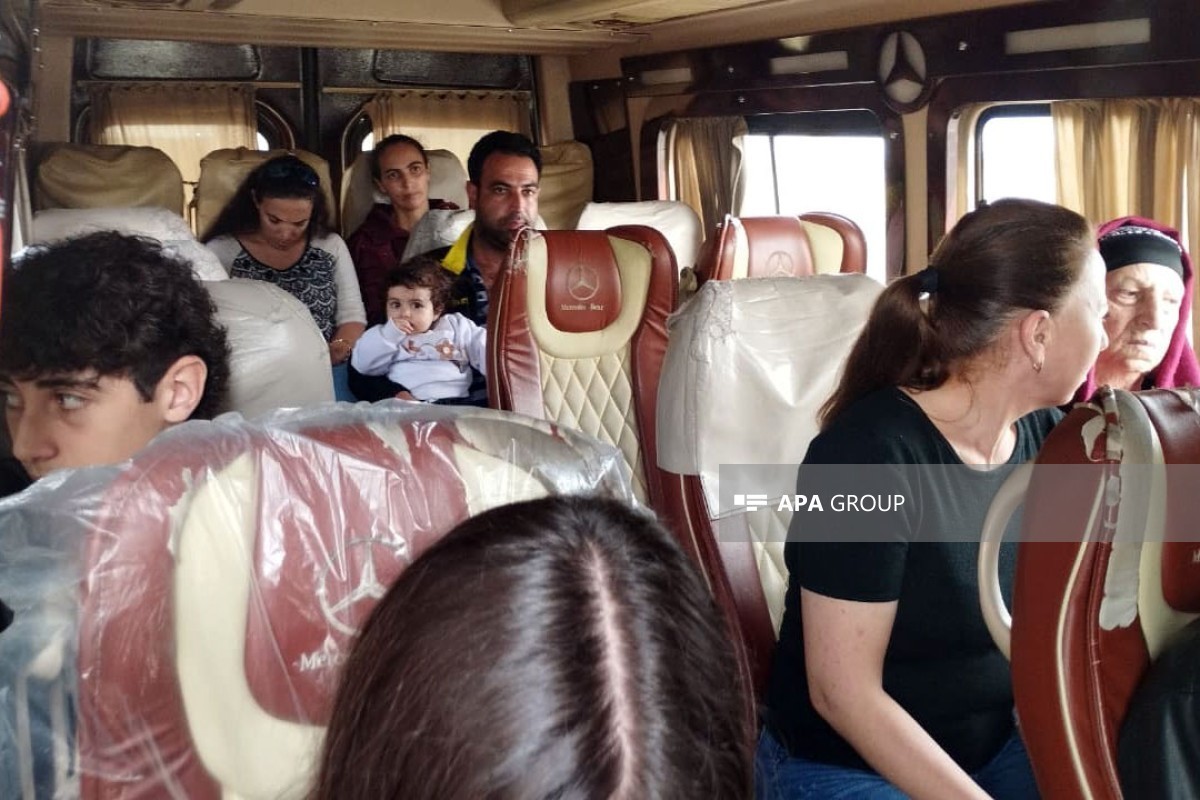


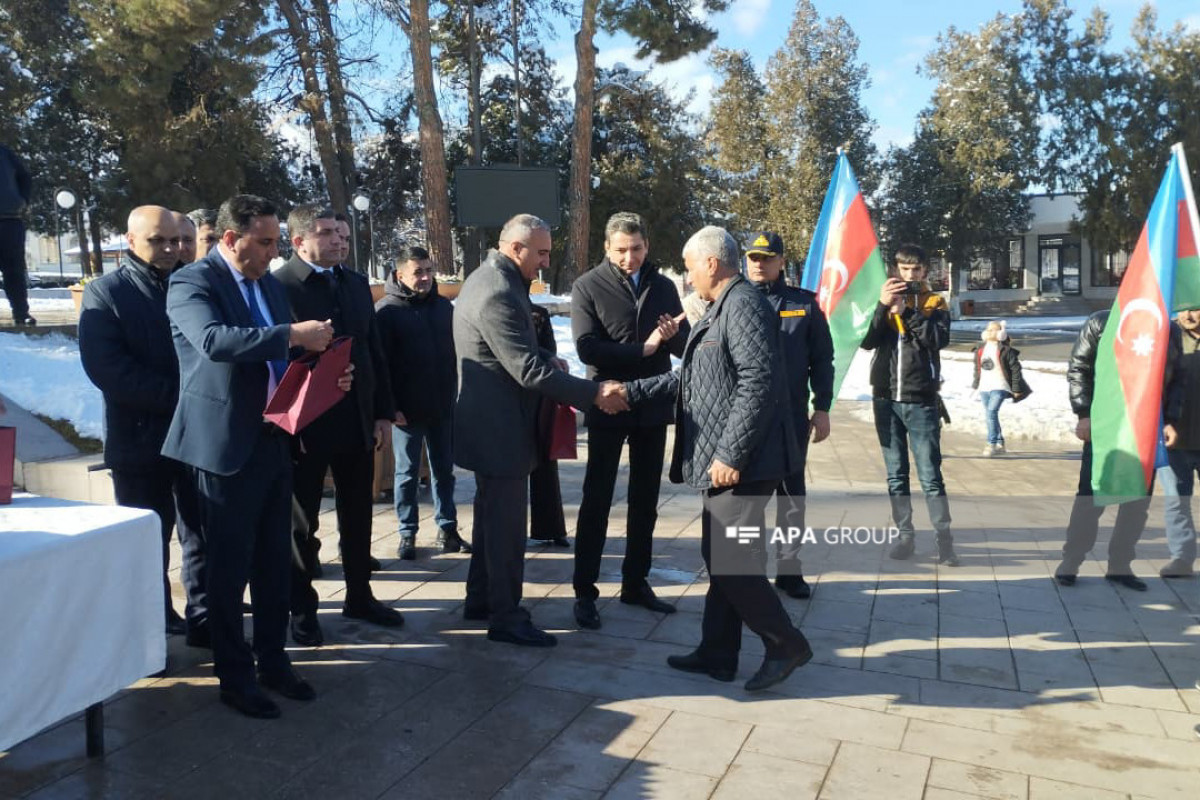


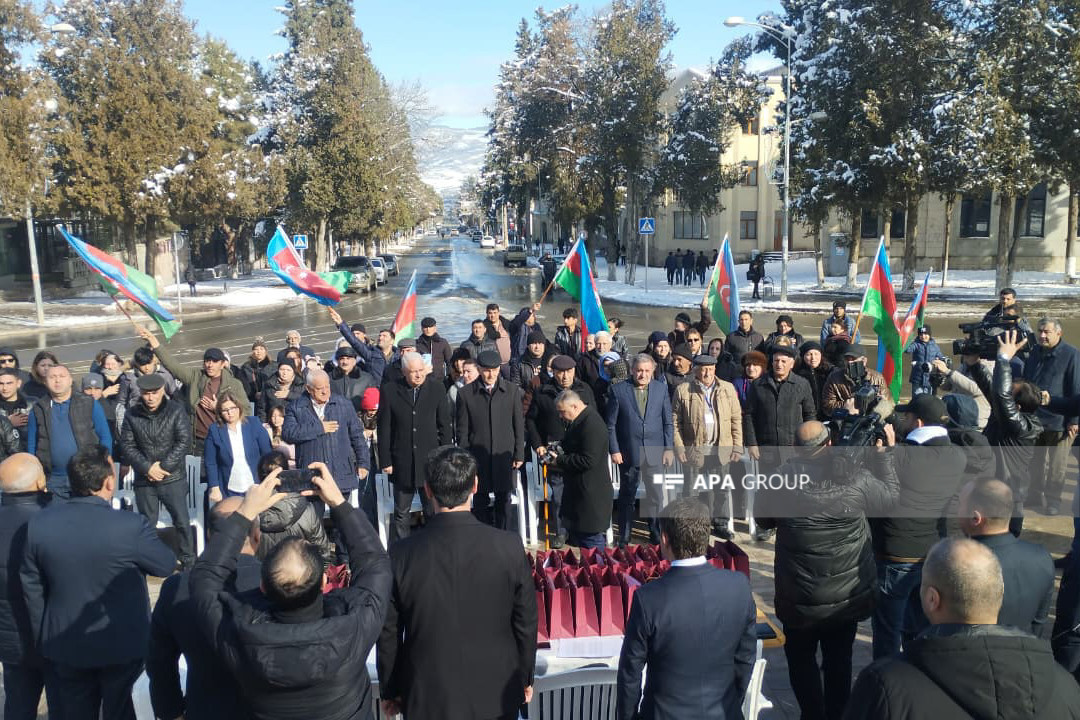
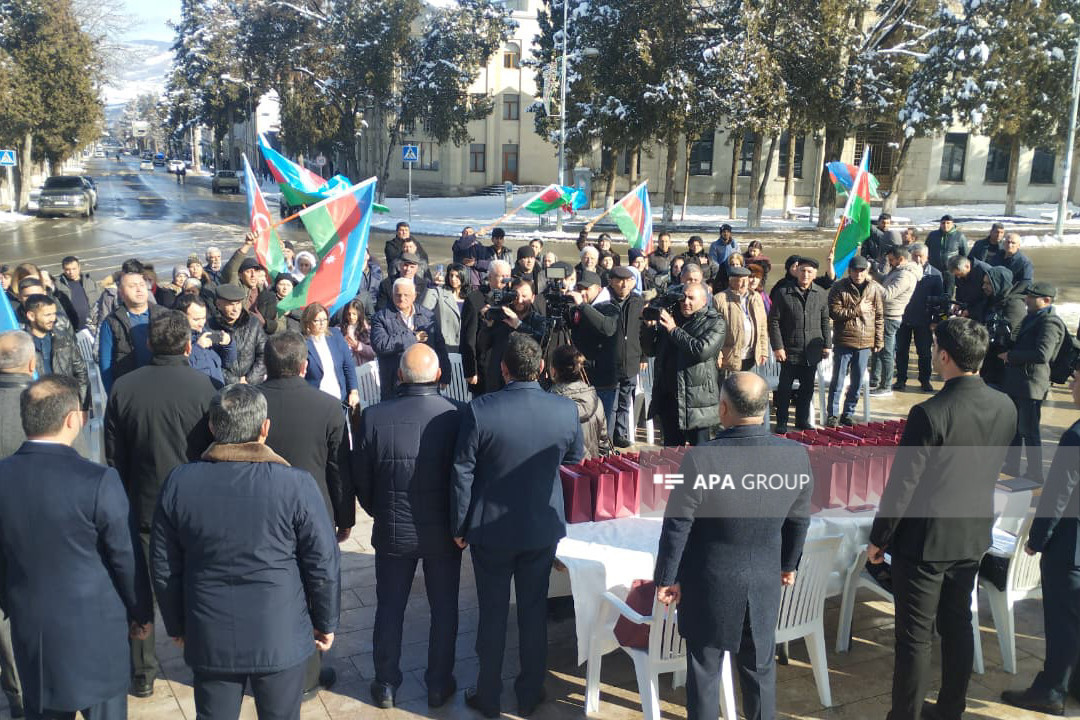
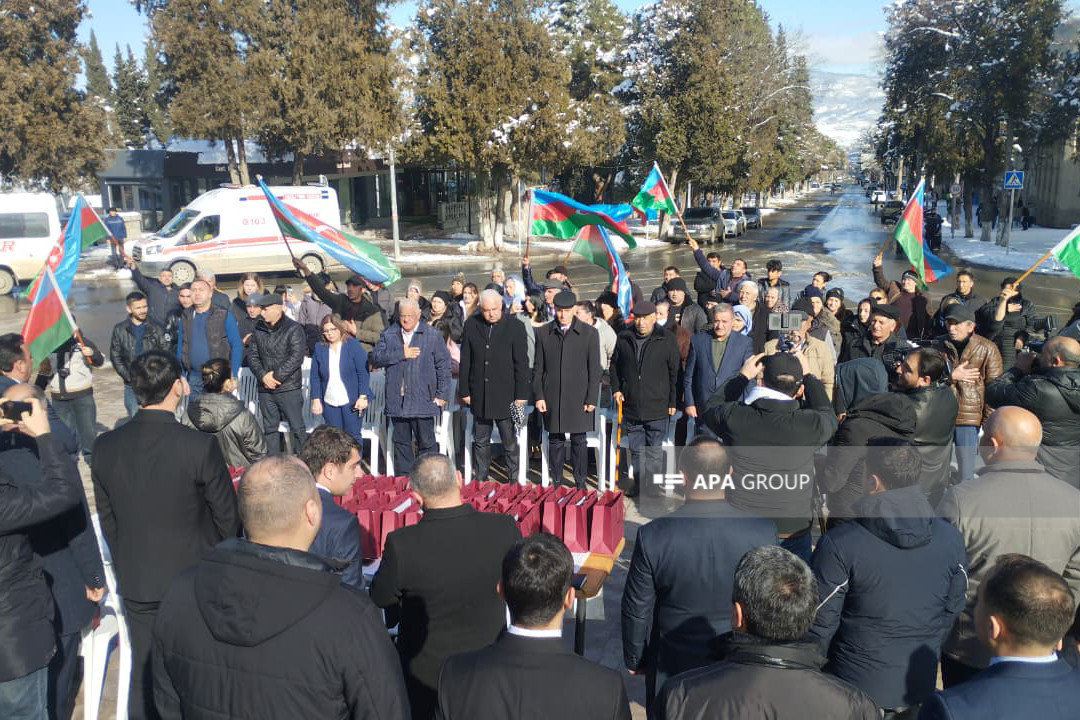
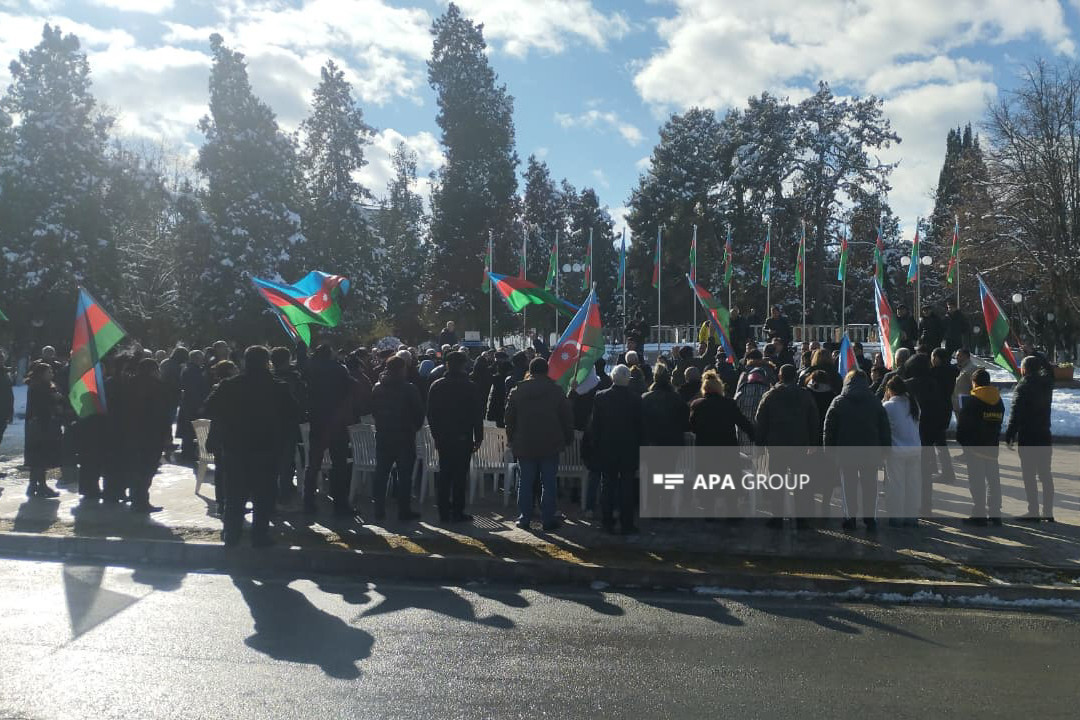
On January 21, the first resettlement to the city of Khankendi took place, the Public Relations Department of the Restoration, Construction and Management Service in the city of Khankendi and the Aghdara and Khojaly districts told APA’s Karabakh bureau.
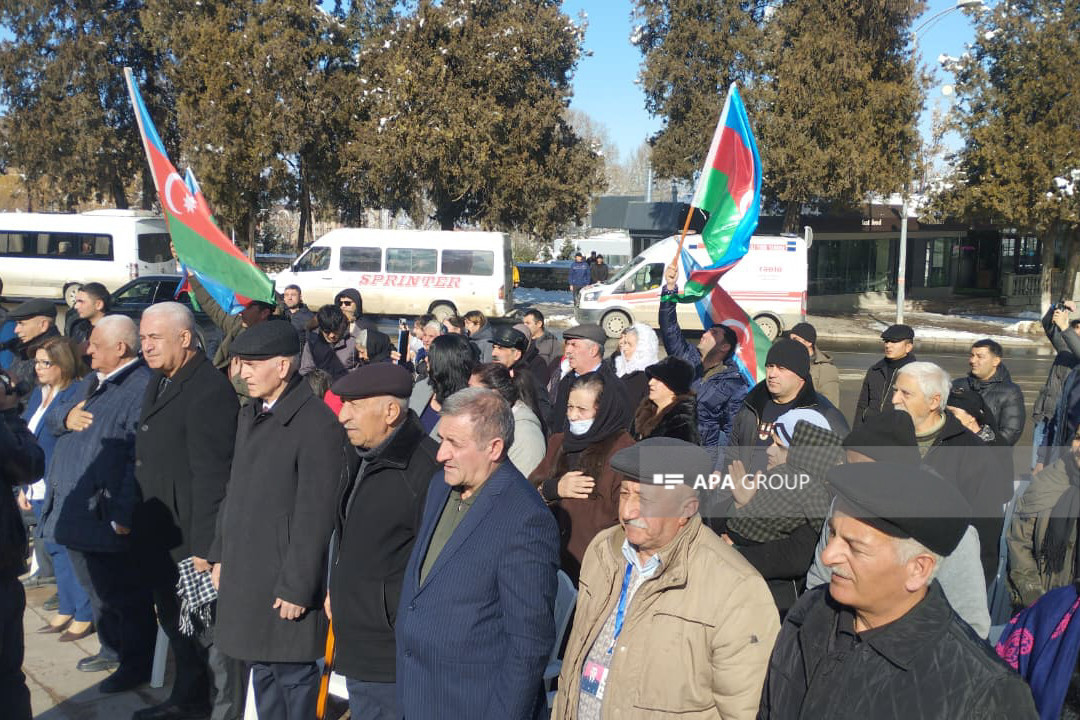
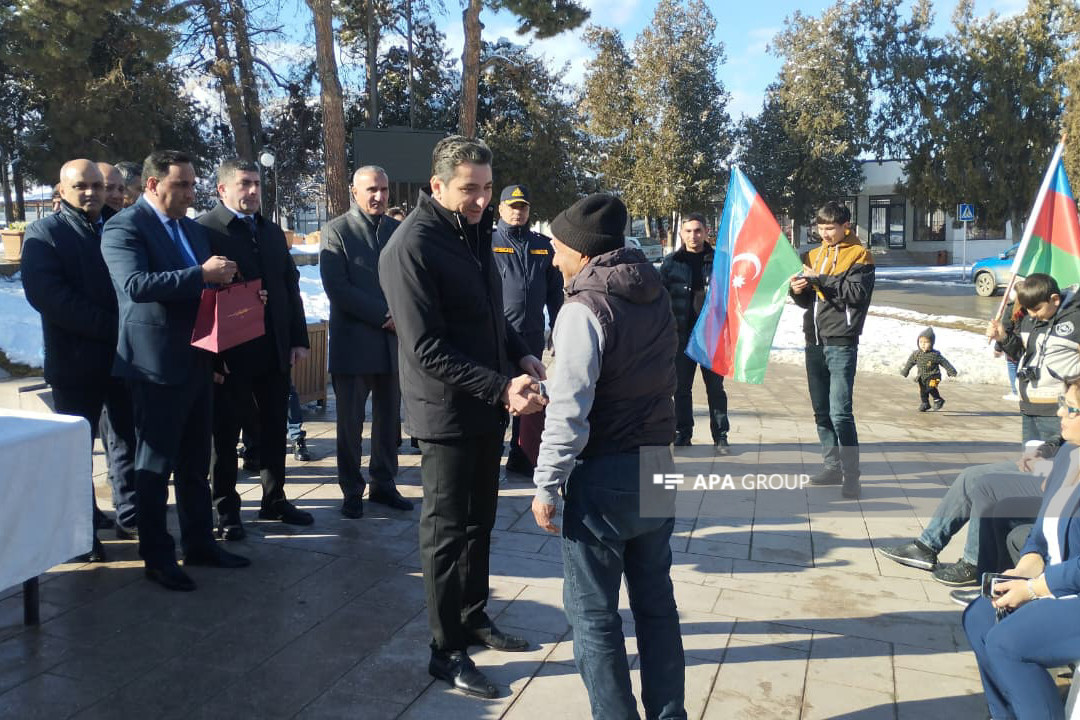
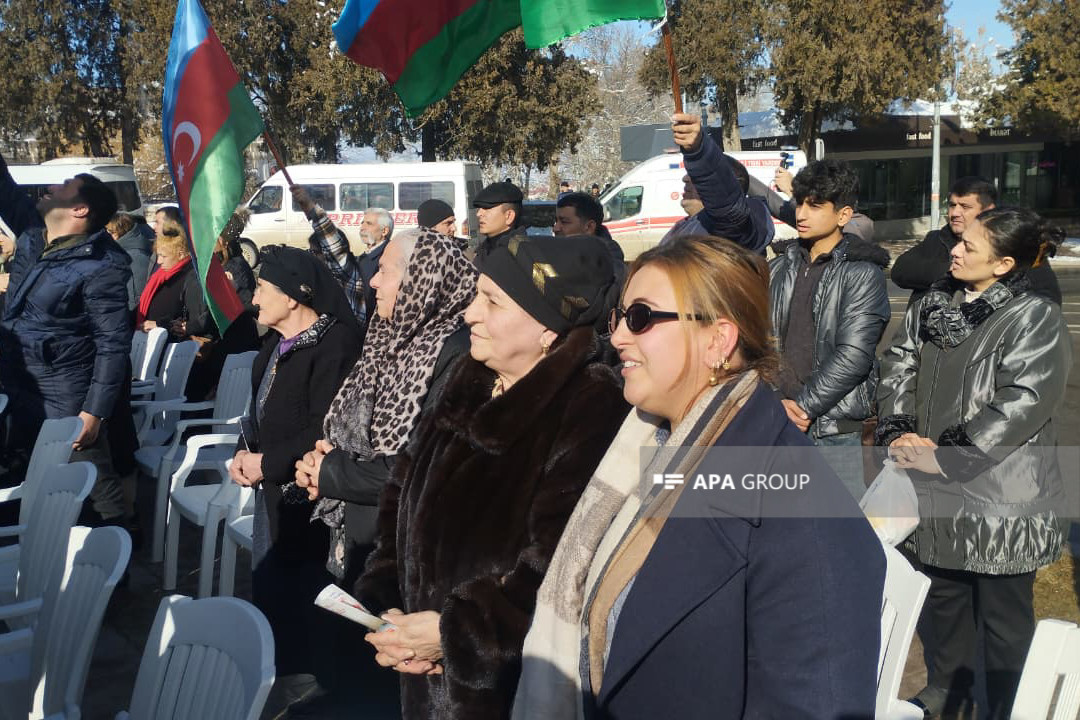
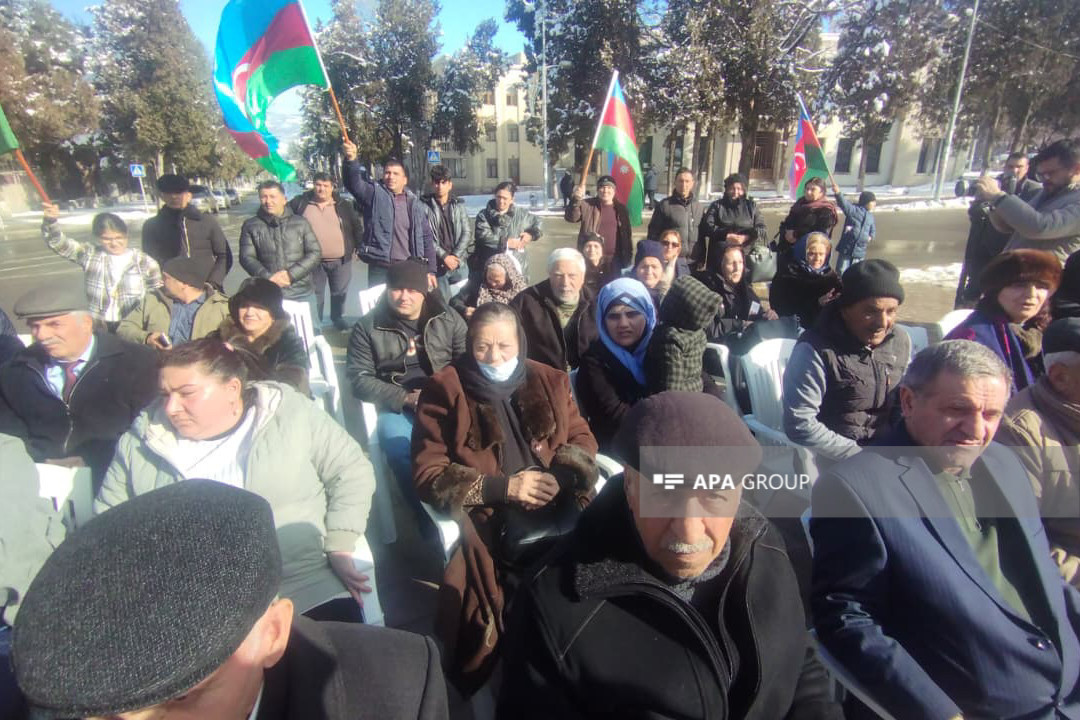
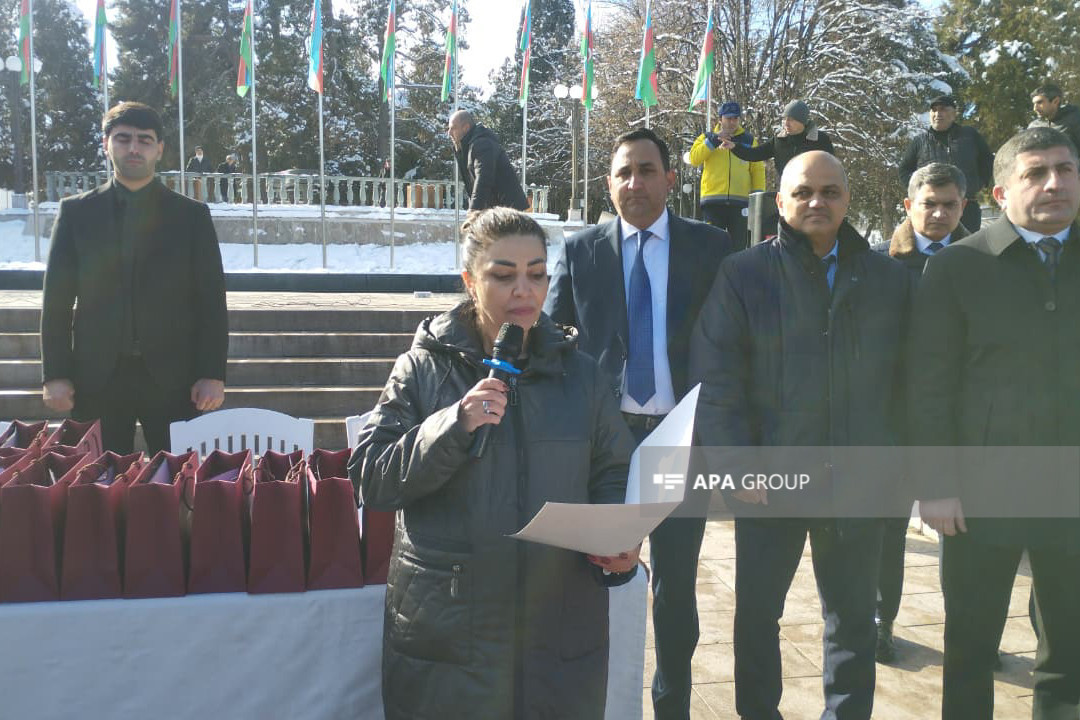
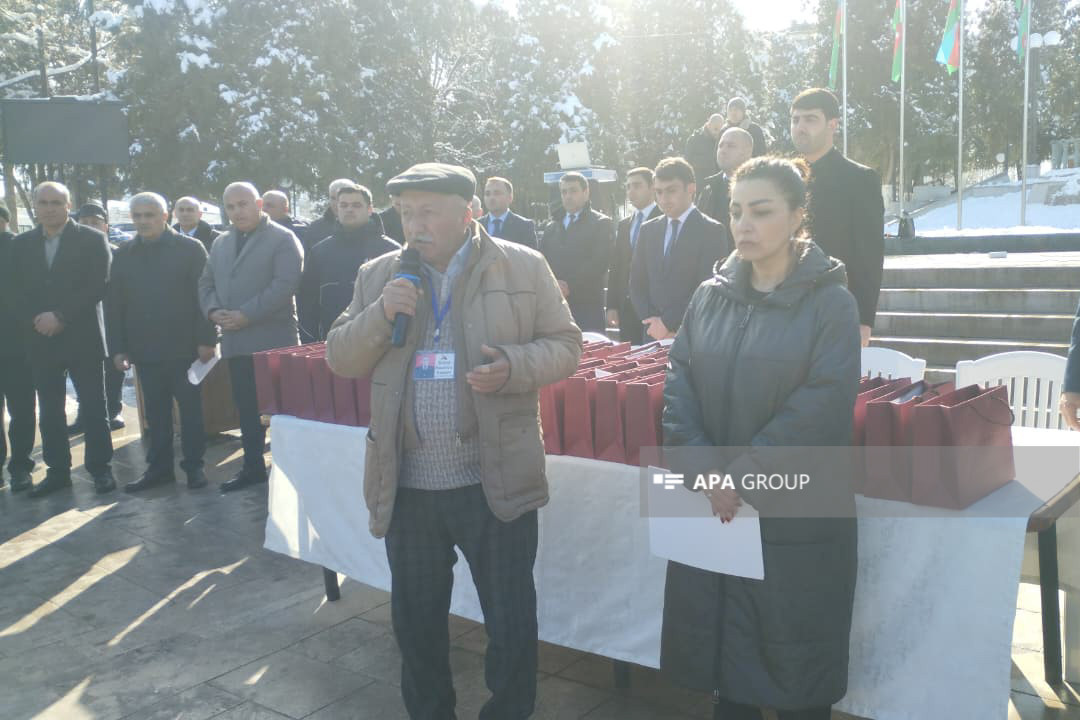
36 families (162 people) of former internally displaced persons originally from Khankendi, who had been temporarily settled in various regions of the country, returned to their native homeland. Their return to Khankendi after 35 years was welcomed with joy. First, the National Anthem was played, and the memory of the martyrs was honored.
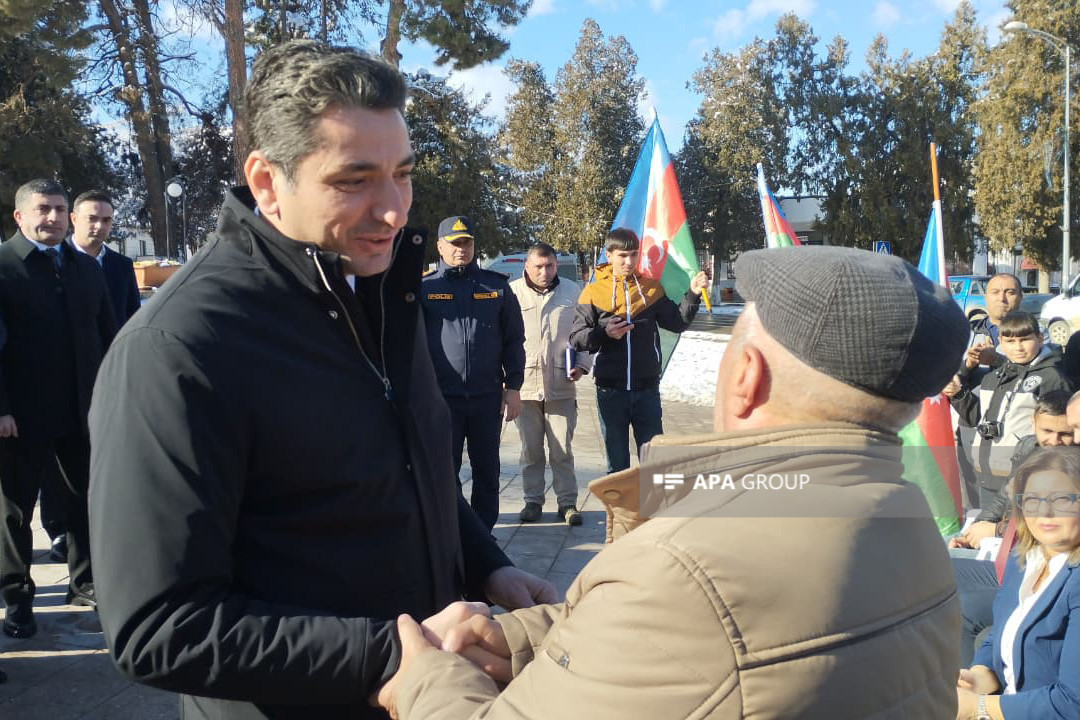
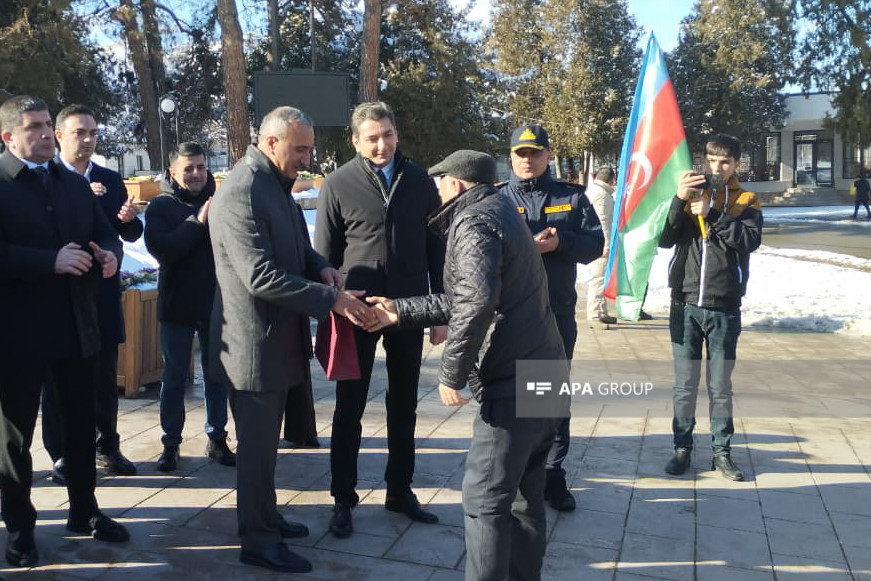
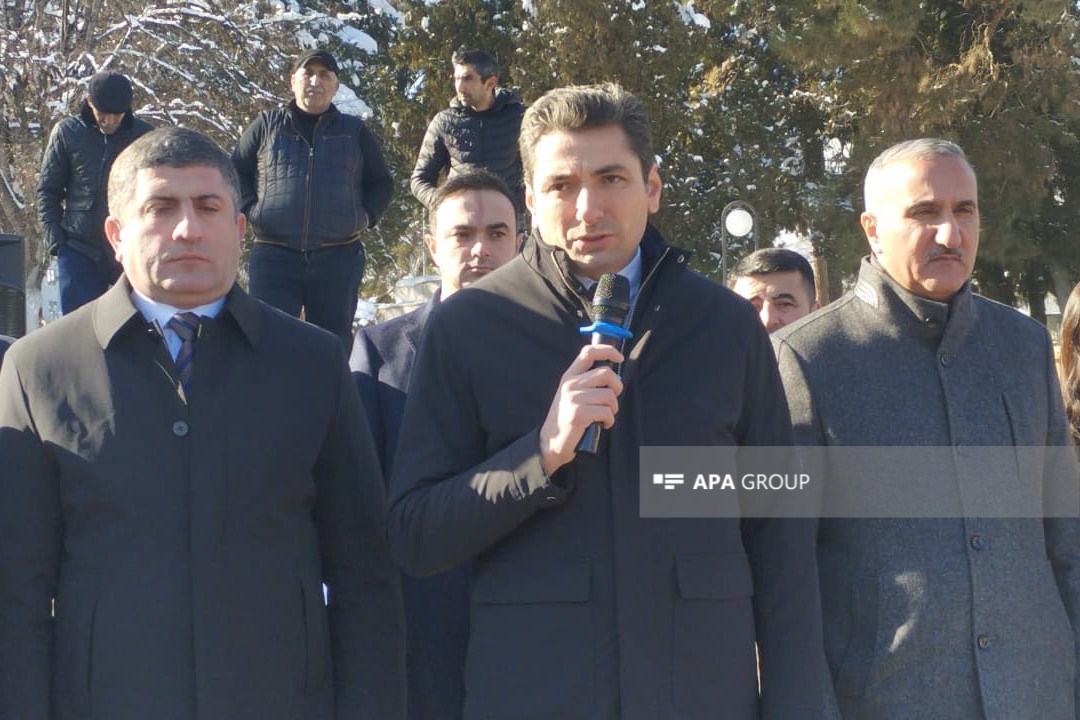
Presenting the residents with the keys to their new apartments, Deputy Special Representative of the President of the Republic of Azerbaijan in the city of Khankendi and the Aghdara and Khojaly districts, Sabuhi Gahramanov, stated that under the leadership of President Ilham Aliyev, large-scale restoration and reconstruction works are being carried out in the liberated territories. These areas are being rapidly revitalized, with modern residential spaces, social infrastructure facilities, roads, schools, healthcare, and cultural institutions being restored and newly built.
It was emphasized that under the “Great Return” state program, the phased return of internally displaced persons to their native lands is being ensured, and this process remains under the constant attention of the state. The main goal is to provide people with safe, comfortable, and dignified living conditions, while also establishing sustainable economic and social life in the region. Sabuhi Gahramanov congratulated the families on their return to their native homeland.
One of the residents, martyr’s father Kamran Nasirov, spoke about these historic moments and the happiness of being reunited with the land.
Another Khankendi resident, Nadir Rashidov, who also delivered a speech, said that he had waited for this moment for years and bowed before the heroic sons who made these days possible.
ANAMA specialists also called on residents to observe safety rules.
Note that the first resettlement to the city of Khankendi is considered an important milestone in restoring life in the region and ensuring sustainable settlement.
Recall that the city of Khankendi and the settlement of Karkijahan were occupied in 1991. As a result of a localized anti-terror operation carried out by the Azerbaijani army on September 19–20, 2023, Azerbaijani soldiers restored control over the city. On October 15, 2023, President of Azerbaijan Ilham Aliyev raised the State Flag of Azerbaijan in the city of Khankendi. After 35 years, life is returning to the city, and restoration and reconstruction work in Khankendi is continuing at a rapid pace. Within the framework of the state program, the apartments where families will be settled have been thoroughly renovated and provided with all necessary utilities and social infrastructure. The resettlement process carried out under the “Great Return” program will continue in a phased manner to the city of Khankendi.
***
13:36
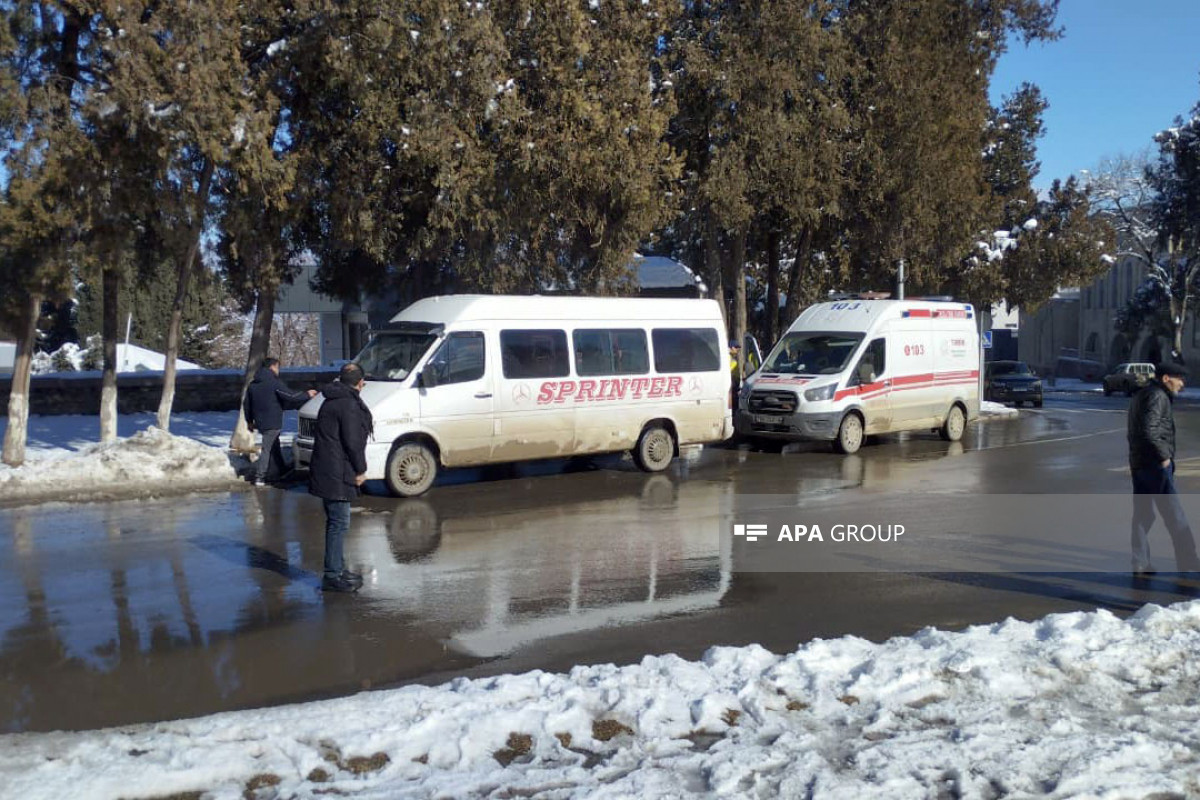
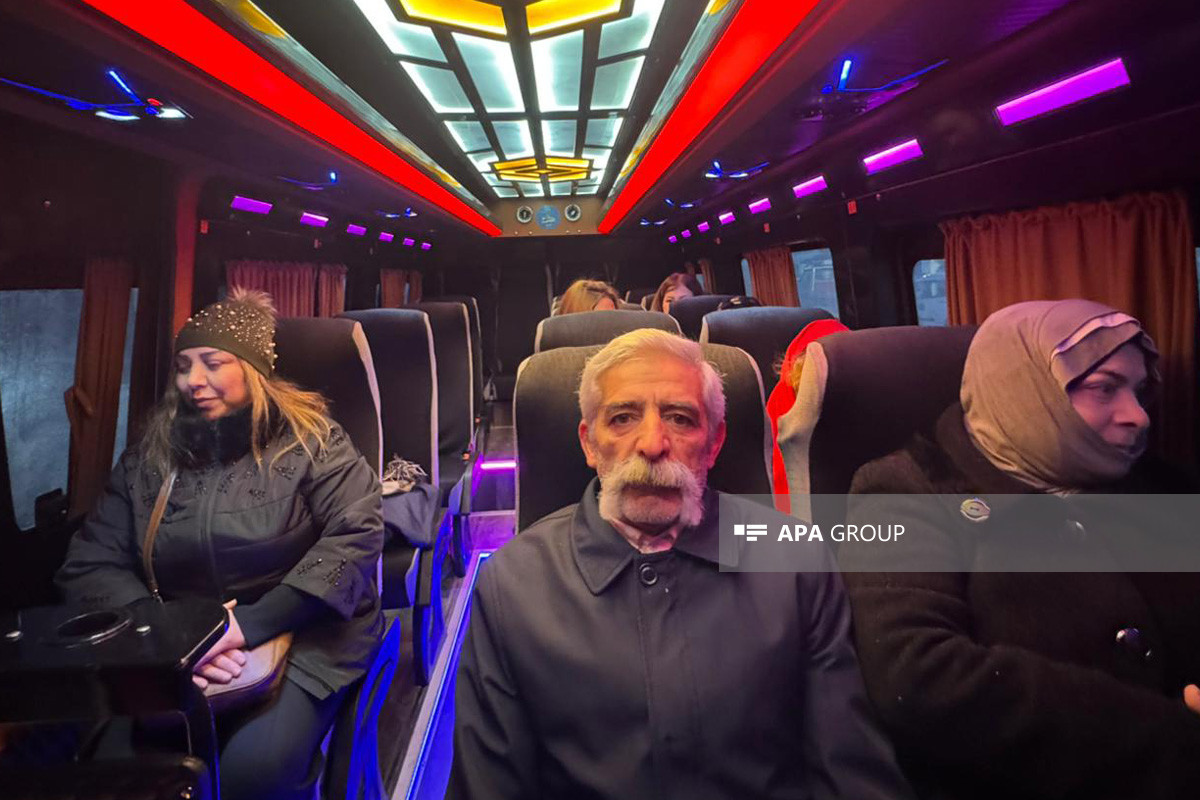
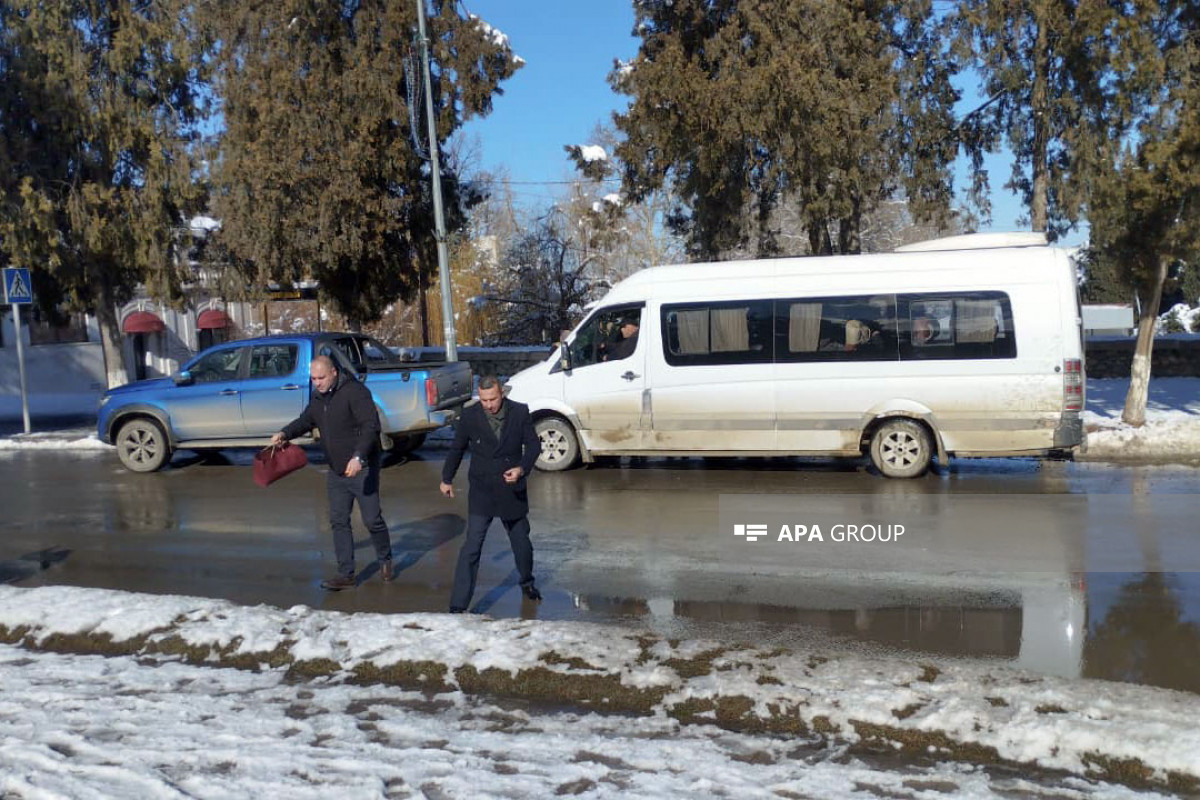
The first relocation caravan has arrived in the city of Khankendi, APA’s Karabakh bureau reports.
In the first phase, 36 families – 162 people – were relocated to the city of Khankendi.
***
07:15
In accordance with the instructions of President Ilham Aliyev, the Great Return to the territories liberated from occupation is continuing, APA reports.
At the first stage, 36 families – 162 people – have been relocated to the city of Khankendi:
From the city of Baku – 15 families (63 people)
From the Aghjabadi district – 4 families (18 people)
From the Barda district – 4 families (17 people)
From the Absheron district – 3 families (16 people)
From the Goranboy district – 3 families (14 people)
From the Aghdam district – 2 families (11 people)
From the city of Sumgayit – 2 families (7 people)
From the city of Ganja – 1 family (6 people)
From the Shamkir district – 1 family (5 people)
From the Tartar district – 1 family (5 people)
Thus, including the relocation carried out on 21 January 2026, a total of 6,633 families (26,513 people) have so far been resettled in 37 residential areas across 1 city and 10 districts.



 Follow us on Telegram
 t.me/apanewsaz
 Follow us on Instagram
 Follow us on TikTok
 Follow us on Facebook
 Follow us on X