The inclusion of media as a separate topic of discussion within the framework of WUF13 demonstrated its growing role in urban planning, housing and sustainable development processes. The trust of such a panel to an Azerbaijani media institution and a non-governmental organization promoting the development of media in Azerbaijan is not only an indicator of the international trust shown to our country’s civil society and media, but also creates a great responsibility. The event emphasized the importance of the media in shaping public opinion, ensuring transparency and establishing dialogue between different parties. The extensive coverage of the session by UN Web TV allowed the discussions to be brought to a global audience. At the same time, the forum played an important platform for the Azerbaijani media in terms of establishing new international partnerships and expanding professional cooperation opportunities.
WUF13 demonstrated the global cooperation potential of the Azerbaijani media
Chairman of the Media Development Center Public Union, Honored Journalist of the Republic of Azerbaijan Gabil Abbasoglu said that holding the World Urban Forum, one of the most influential global platforms of the United Nations, in Azerbaijan was of great importance for the country. According to him, the forum created new opportunities for both Azerbaijani media, civil society institutions, and international cooperation.
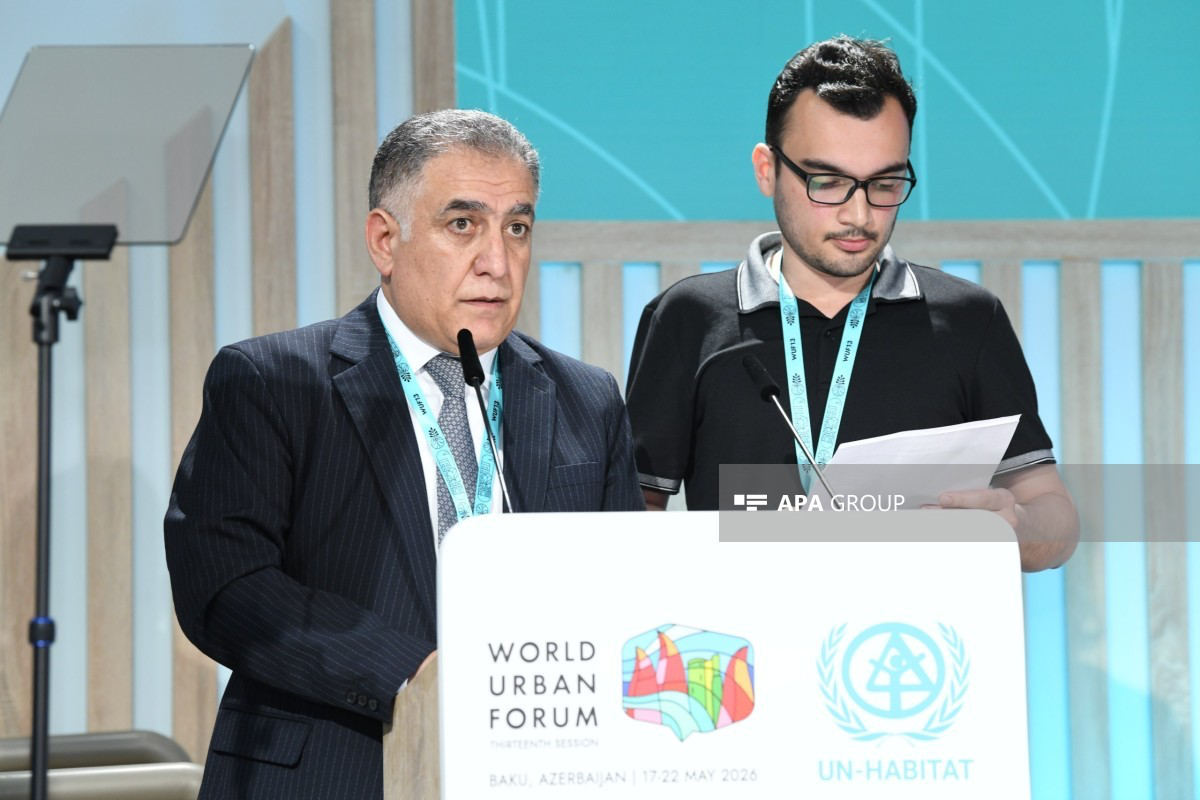
Gabil Abbasoglu noted that the organization he leads has been entrusted by the UN to organize an international panel on the role of the media in urban planning and sustainable development processes within the framework of the forum. He emphasized that this trust shows that non-governmental organizations operating in the media sector in Azerbaijan are recognized internationally and have the potential to cooperate with global partners.
The Chairman of the Union highly appreciated the support provided by the Agency for State Support to Non-Governmental Organizations of the Republic of Azerbaijan, which was the main partner in organizing the event, and expressed his gratitude to the Agency's leadership.
He noted that the full broadcast of the event by UN Web TV, the official broadcasting platform of the UN, was an indicator of the high international appreciation of the importance of the panel and the forum in general. In his opinion, this also made a significant contribution to increasing the visibility of Azerbaijani media in the global information space.
Gabil Abbasoglu also brought to attention the initiative to establish a regional media consortium on urban planning and housing accessibility within the framework of the forum. He believes that media organizations of the countries of the region can further expand the exchange of experience and public discussions by forming a joint cooperation platform in this direction.
According to him, the fact that his organization participated in organizing such a large-scale international event for the first time was an important experience for both the organization and the Azerbaijani media in general. Gabil Abbasoglu emphasized that the relations established within the framework of the forum should serve to create new international partnerships and expand cooperation opportunities in the future. He added that the World Urban Planning Forum created an important basis for more active participation of Azerbaijani media and civil society institutions in international processes.
Rizvan Nabiyev, a member of the Milli Majlis and a member of the Supervisory Board of the Agency for State Support to Non-Governmental Organizations of the Republic of Azerbaijan, believes that the inclusion of media as a separate topic of discussion within the framework of WUF13 indicates that its growing role in urban planning, housing provision and sustainable development processes is recognized at the international level. According to him, in the era of globalization, when more than five billion people have become participants in the information environment through various digital platforms and social networks, professional media act as one of the main driving forces of social processes.
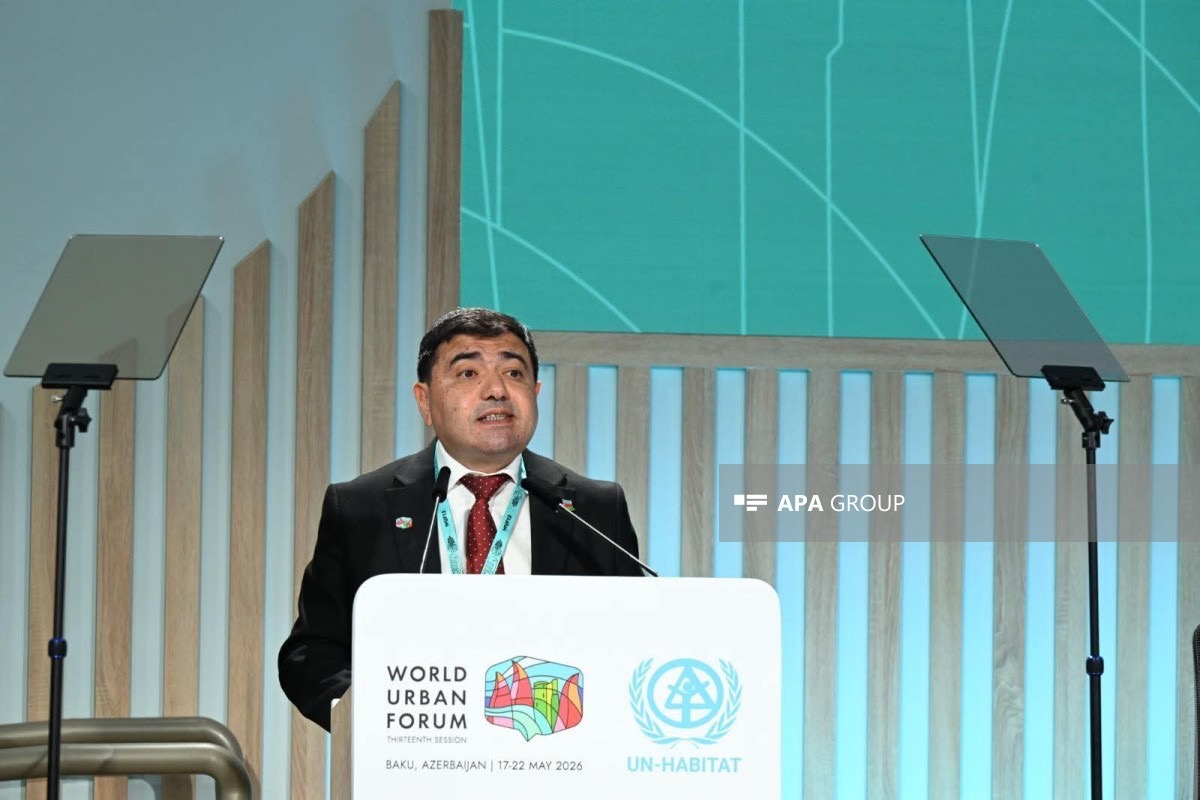
The MP emphasizes that the session on “Media as a driving force in public discourse on housing and urbanization” held within the framework of WUF13 demonstrated that the media not only has an information function, but also plays a coordinating role between governments, municipalities, architects, investors and civil society institutions. In his opinion, the media contributes to bringing decisions related to urban planning and settlement to public discussion, ensuring transparency and strengthening public accountability.
Rizvan Nabiyev notes that the trust of such a panel to the Azerbaijani media organization is an indicator of international trust in the country's media. This trust is also an assessment of the professionalism of the Azerbaijani media, but also creates a great responsibility. According to him, the high-level organization of the session and wide international participation confirmed that Azerbaijan is perceived as a reliable partner in the global information space.
According to the deputy, the urban planning model that Azerbaijan formed in the post-conflict period was also in the spotlight within the forum. The role of the media is of particular importance in presenting the restoration and reconstruction projects implemented based on the strategic vision of President Ilham Aliyev to the international audience. He notes that just as the international media played an important role in conveying the devastation caused in Karabakh to the world community during the occupation, today it also widely covers the Great Return and reconstruction processes.
Rizvan Nabiyev believes that holding a media session within the framework of WUF13 and its extensive coverage by UN Web TV, the official broadcasting platform of the UN, made it possible to convey the discussions to a global audience. This, in turn, opened up important opportunities for the Azerbaijani media in terms of establishing new international partnerships, expanding the exchange of experience, and developing cooperation with global media networks.
Creation of a dedicated platform on media at WUF13 demonstrates the growing role of the media
The creation of a dedicated platform on media issues at WUF13 demonstrates the growing importance of the media in urban development, public awareness and climate action, said Olumide Idowu Emmanuel, co-founder of Nigeria’s International Climate Change Development Initiative.
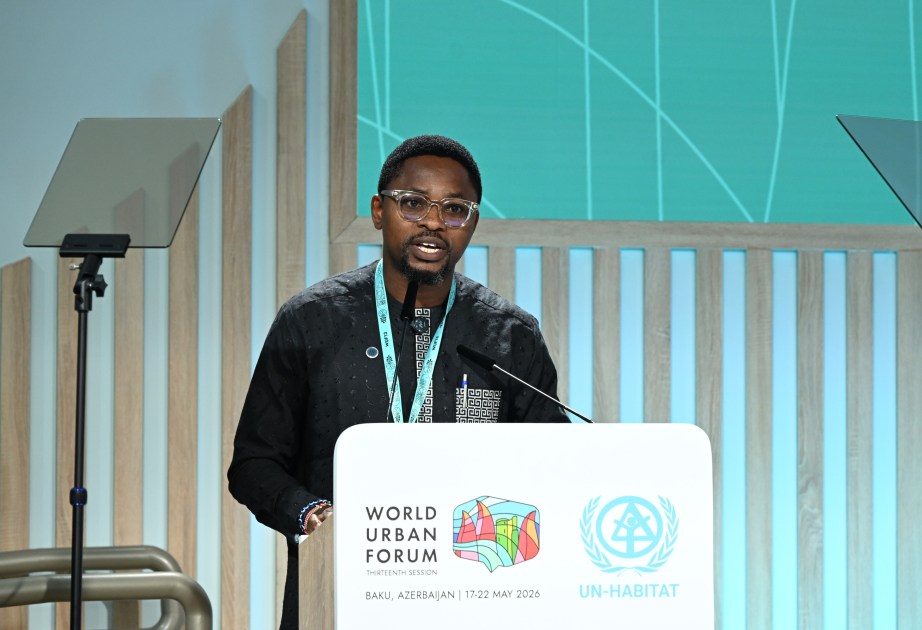
According to him, the allocation of a separate space to media issues at such an influential global event as WUF13 shows that communication and narratives have become one of the main driving forces of international discussions on urbanization, sustainability and sustainable development.
“The media plays an important role in shaping public opinion on urban development, housing and urban sustainability. The topics covered by the media determine which social groups and problems will be in the spotlight, while at the same time revealing the inequalities and governance gaps in the urban development process,” he noted.
The expert emphasized that entrusting the organization of the panel held within the framework of WUF13 to the Azerbaijani media organization means a great responsibility.
“This requires ensuring transparency, editorial independence, balanced representation and the protection of citizens’ voices. This responsibility is all the more important at a time when issues of media freedom, accountability and inclusive participation in climate policy debates are at the forefront of the global agenda,” Emmanuel said.
He noted that the focus of the panel was not only on the media’s informative role, but also on shaping sustainable responsibility, promoting an inclusive approach and providing practical solutions.
“These solutions should be based on the daily realities and challenges faced by especially vulnerable urban populations,” he added.
According to Olumide Idowu Emmanuel, WUF13 also played an important role in expanding international cooperation opportunities for Azerbaijani media.
“This forum creates conditions for the establishment of cross-border partnerships, increasing global attention to the issues of urban sustainability and climate change. At the same time, it can strengthen the active participation of local media organizations in discussions on international development, sustainability and global urban policy,” the expert emphasized.
People and communities are at the heart of urban sustainability
Shafag Mehraliyeva, member of the Supervisory Board of the Media Development Agency of the Republic of Azerbaijan and director of the Communication and Digital Media program at ADA University, said that although the concept of urban sustainability in modern times is usually associated with smart architecture, transportation systems and infrastructure projects, the core of cities is the people and communities living there.
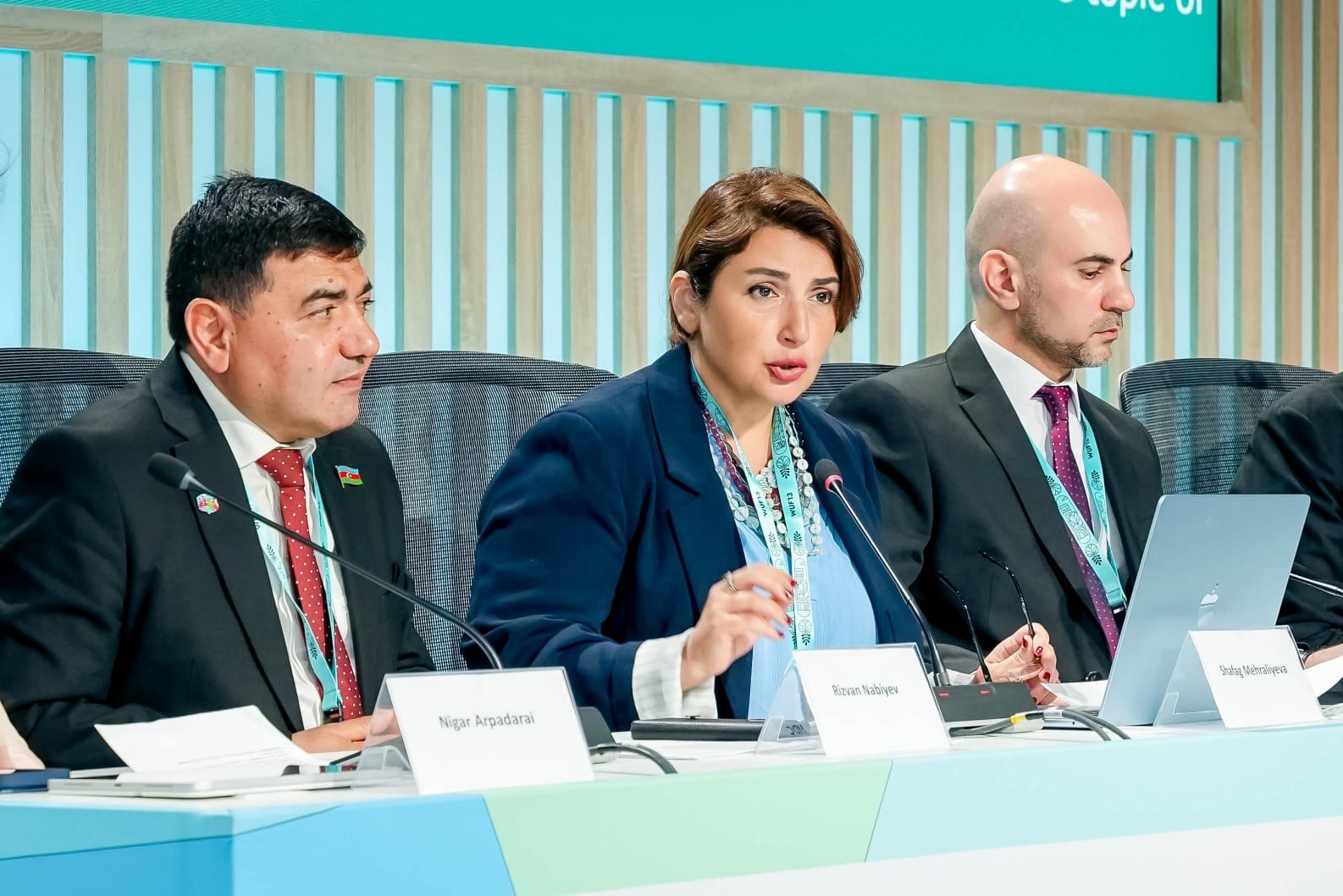
According to her, the success of urban development strategies directly depends on the trust and confidence of those communities in the defined development vision. Therefore, the operational and effective communication, information and awareness activities carried out by the media should not be considered an additional element of the urban sustainability process, but as an integral part as infrastructure.
Shafag Mehraliyeva noted that one of the important examples that WUF participants can learn from Azerbaijan is the reconstruction and settlement process carried out in the liberated Karabakh territories.
“People who return to their native lands after 30 years of separation often think that they will be faced with a landscape that remains in their memories. However, today Karabakh is being rebuilt on the basis of more modern, sustainable and future-oriented approaches. The Azerbaijani media is also doing a commendable job in this process of properly informing communities, shaping their expectations and explaining the essence of the changes,” she emphasized.
According to Mehraliyeva, the sustainability of cities is not determined only by economic opportunities, territorial size or level of technological development.
“The strongest and most sustainable cities are not necessarily the largest, richest or most technologically advanced cities. The most sustainable cities are those where people feel like an integral part of the future being built,” added Shafag Mehraliyeva.
Media plays a key role in shaping public opinion on urban development
Blanca Mujica Acuna Judit, director of the Peruvian Institute of Public Policies and Diplomacy (IPPDR), said that it is of particular importance to create a dedicated space for discussing media issues at an important global platform such as WUF13.
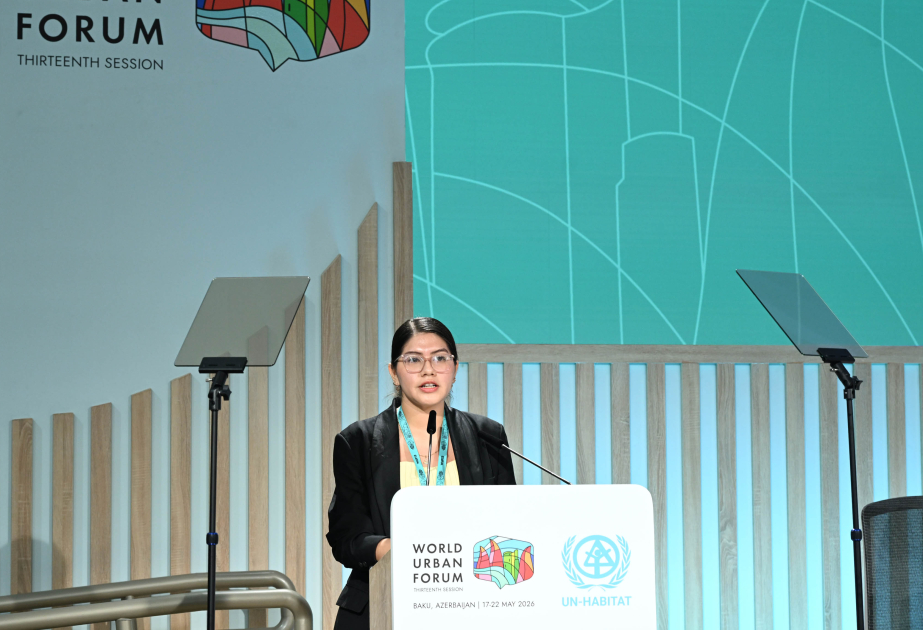
According to her, in modern times, media is not only a means of transmitting information, but also one of the main factors shaping how people perceive urban development, housing and urban sustainability issues.
“The way the media presents any topic can influence public opinion, public policy priorities and even international cooperation processes. One of the most important messages voiced during the panel was related to the human factor. At the heart of any discussion on housing or urban sustainability are real families, young people and vulnerable communities. It is extremely important that their voices are heard,” he emphasized.
Blanca Mujica Acuna Judit noted that the media has a significant responsibility in promoting inclusive dialogue and making visible the problems of people who are often overlooked.
Blanca Mujica Acuna Judit noted that the media has a significant responsibility in promoting inclusive dialogue and making visible the problems of people who are often overlooked.
She also assessed the fact that the organization of the expert panel was entrusted to an Azerbaijani media organization as a significant event.
“This demonstrates the growing role of the Azerbaijani media at the international level and its ability to bring together perspectives from different regions of the world. One of the important issues discussed during the panel was the problem of disinformation and unequal access to information. For this reason, cooperation between the media, civil society institutions and international organizations is of particular importance,” she said.
According to her, the extensive coverage of the event by UN Web TV, the official broadcasting platform of the UN, increased the forum’s access to an international audience and created conditions for the discussions to reach a wider audience in different countries.
Blanca Mujica Acuna Judit believes that this panel has formed new international cooperation opportunities for the Azerbaijani media.
"New opportunities have emerged, especially in terms of expanding cooperation with non-governmental organizations, young leaders, and international institutions working to build more sustainable, inclusive societies," she added.


 Follow us on Telegram
 t.me/apanewsaz
 Follow us on Instagram
 Follow us on TikTok
 Follow us on Facebook
 Follow us on X