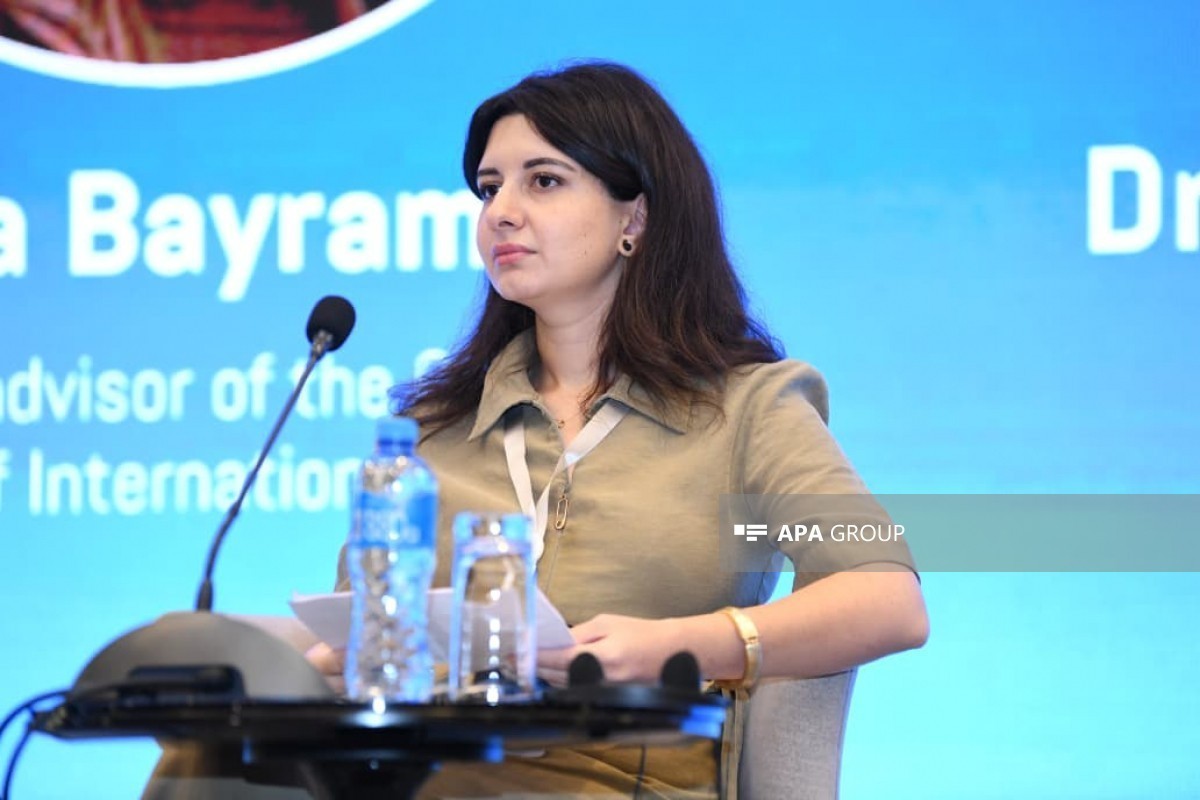


The “Treaty on Eternal Friendship between the Republic of Azerbaijan and the Republic of Uzbekistan” is a logical continuation of the high level of political trust and allied relations that have developed between the two countries in recent years, Roza Bayramli, chief adviser at the Center for Analysis of International Relations and Multiculturalism and an expert on the Central Asian region, transport and logistics issues, and cooperation within the Organization of Turkic States, said this in comments to APA.
The expert noted that Azerbaijan-Uzbekistan relations have evolved from a strategic partnership into an alliance within a short period of time.
According to her, the signing of the Treaty on Allied Relations in 2024, the adoption of a Roadmap for its implementation for 2025–2029, and the activities of the Supreme Interstate Council demonstrated that the relations already had a solid institutional foundation.
“The new treaty adds a longer-term and more comprehensive dimension to the existing alliance. The inclusion in the document of provisions preventing activities directed against sovereignty, security and territorial integrity, as well as preventing the territories of either country from being used by third states against the other party, demonstrates the high level of mutual trust between the two countries, which now also encompasses the security sphere. At the same time, the expression of mutual support for each state’s choice of a development model in accordance with its national realities demonstrates the importance they attach to their sovereign and independent foreign policy course,” Roza Bayramli emphasized.
The expert said another important aspect of the treaty is that, alongside political relations, it covers cooperation across various areas. The inclusion in the document of such fields as trade and investment, energy and the green economy, transport and logistics, digitalization, agriculture, space technologies, education and culture demonstrates that the alliance is being strengthened on concrete economic and social foundations.
“The specific initiatives announced in recent days also demonstrate that this process has already moved into the practical sphere. The Azerbaijan-Uzbekistan Investment Company has approved eight projects with a total value of $500 million, while seven more projects worth approximately the same amount are under consideration. At the same time, cooperation on SOCAR’s entry into Uzbekistan’s retail fuel market and the establishment of a network of filling stations, as well as ABB’s entry into Uzbekistan’s banking sector, shows that economic ties between the two countries are expanding beyond joint investments toward direct corporate participation and financial integration,” the expert added.
Roza Bayramli said the significance of the new treaty should also be assessed in a broader regional context.
According to her, the Azerbaijan-Uzbekistan rapprochement strengthens not only bilateral relations but also the emerging common political and geoeconomic space between Azerbaijan and Central Asia.
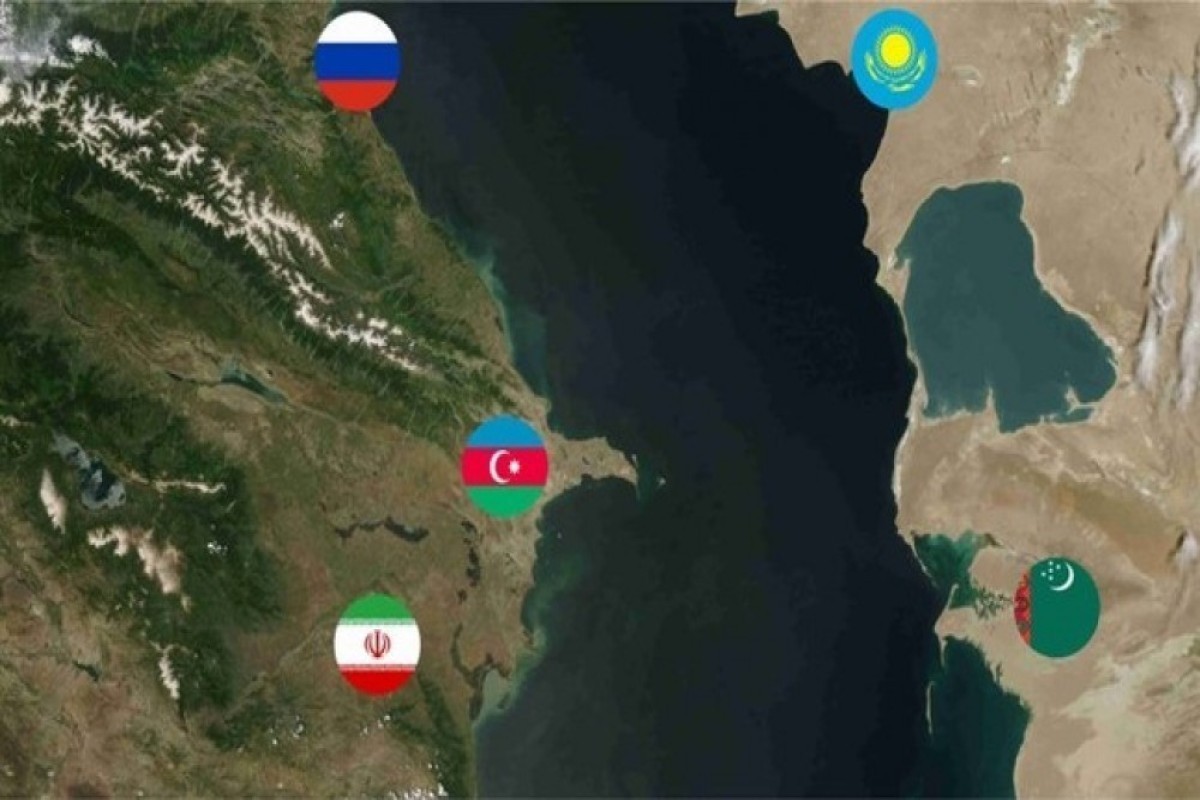
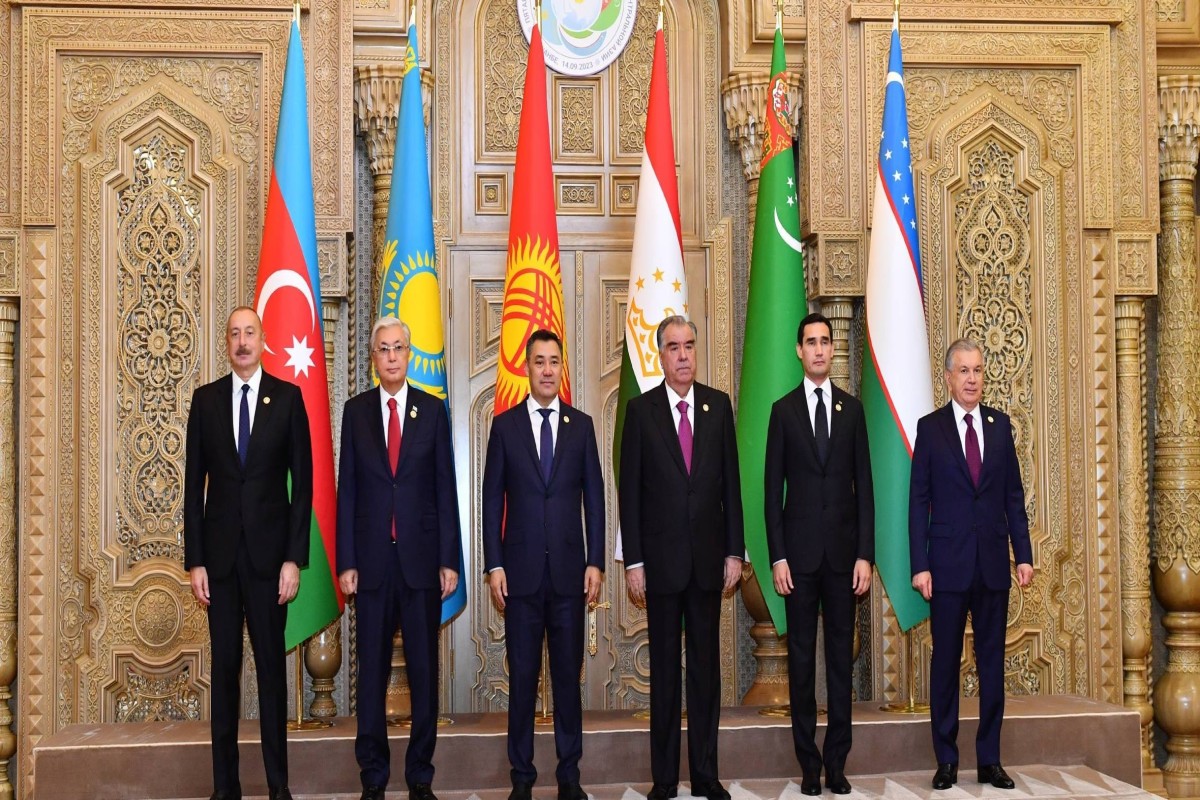
“Against the backdrop of the Middle Corridor, energy connectivity, the Organization of Turkic States and the C6 format, the deepening of Baku-Tashkent relations is becoming one of the main pillars of cooperation between the two shores of the Caspian. In this regard, the new treaty can also be regarded as a strategic document aimed at ensuring the continuity of Azerbaijan-Uzbekistan relations for future generations,” she said.



 Follow us on Telegram
 t.me/apanewsaz
 Follow us on Instagram
 Follow us on TikTok
 Follow us on Facebook
 Follow us on X