

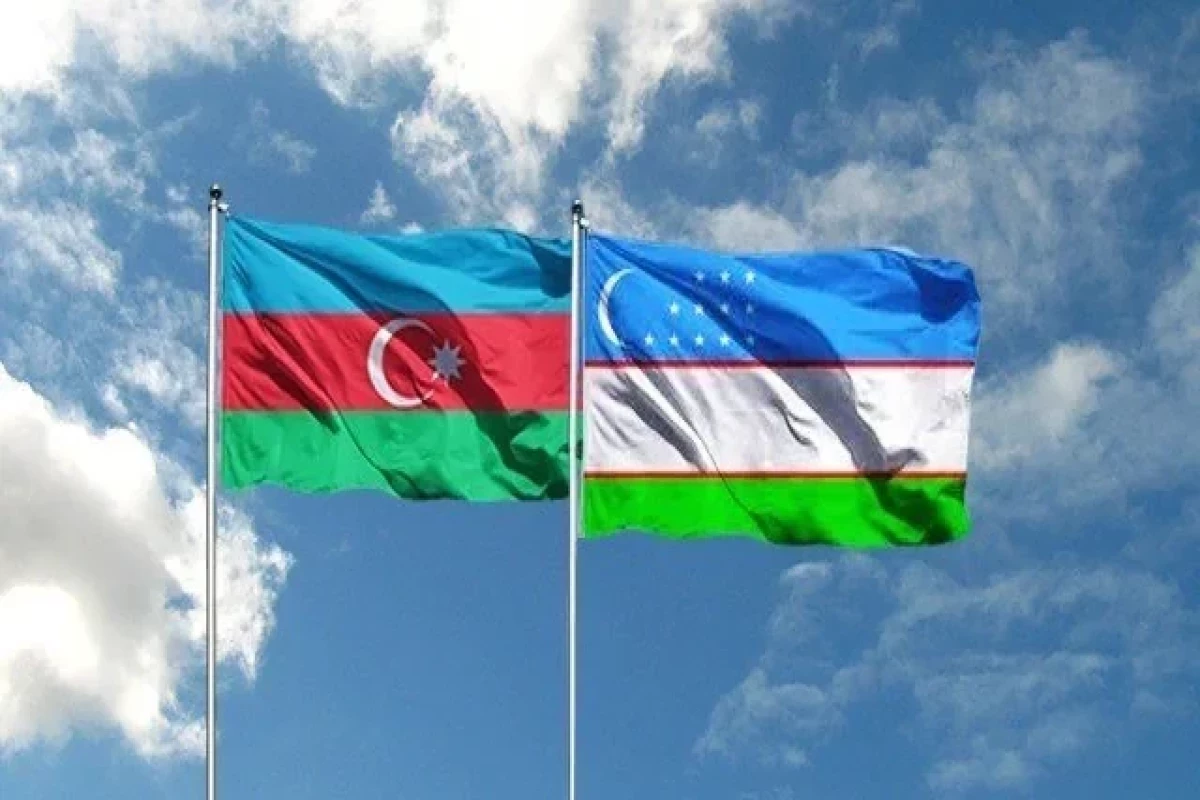


The elevation of relations between Azerbaijan and Uzbekistan to the stage of “eternal friendship” creates new opportunities for deepening economic and regional cooperation alongside political partnership, Uzbek political analyst Adkhamjon Janobiddinov told APA.
According to him, the Treaty on Eternal Friendship not only gives political expression to the historical and cultural ties between the two peoples but also creates a political commitment to preserve the existing trust and cooperation over the long term.

“Azerbaijan and Uzbekistan occupy strategic positions. Uzbekistan is located at the heart of Central Asia, while Azerbaijan serves as a gateway to the South Caucasus. In this regard, the new Treaty has broader geopolitical significance. Closer political alignment can contribute to the formation of a more interconnected regional architecture,” the political analyst said.
Janobiddinov also considers the target of increasing bilateral trade turnover to $1 billion realistic.
“Given that bilateral trade turnover reached $795 million in 2025, the $1 billion target is realistic. However, achieving it will require expanding cooperation into higher value-added sectors. The automotive industry, particularly the localization of components and the production of electric vehicles and specialized vehicles, is one of the most promising areas in this regard,” he noted.
According to the political analyst, energy, petrochemicals, textiles, pharmaceuticals, electrical engineering, food processing and construction materials also offer significant potential for joint production and exports. The Azerbaijan-Uzbekistan Investment Company, meanwhile, could become an important platform for financing large-scale, long-term industrial projects.
Janobiddinov described the development of the Middle Corridor as one of the key areas of economic integration. According to him, simplifying customs procedures, expanding digital documentation and strengthening coordination among railway and port operators could enhance the competitiveness of the route.
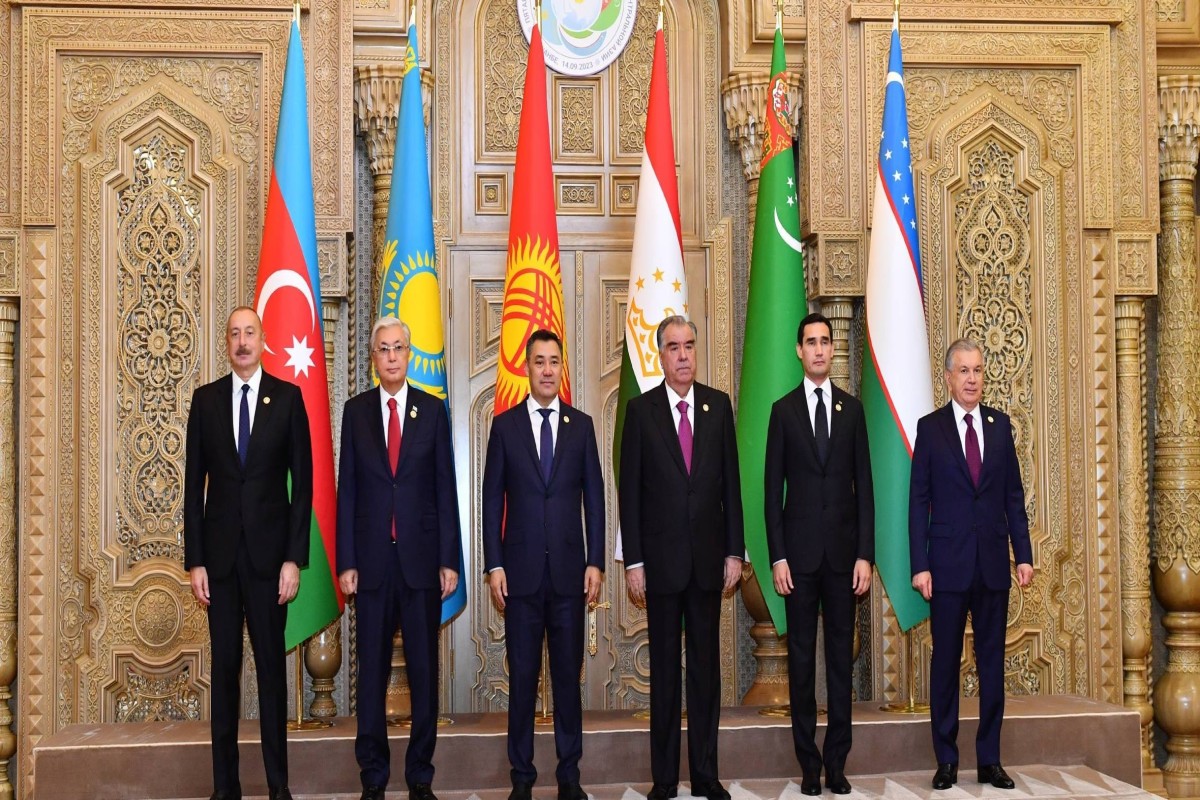
The political analyst also said Azerbaijan’s full participation in the Consultative Meeting of the Heads of State of Central Asia and the effective transformation of the C5 format into C6 would have an impact on the regional political and economic architecture.
“Azerbaijan’s permanent integration into Central Asia’s consultative format creates a direct political and economic space stretching from China’s western border to the borders of Europe. Azerbaijan’s participation could transform C6 from a consultative platform into a broader mechanism of regional diplomacy,” Janobiddinov emphasized.



 Follow us on Telegram
 t.me/apanewsaz
 Follow us on Instagram
 Follow us on TikTok
 Follow us on Facebook
 Follow us on X