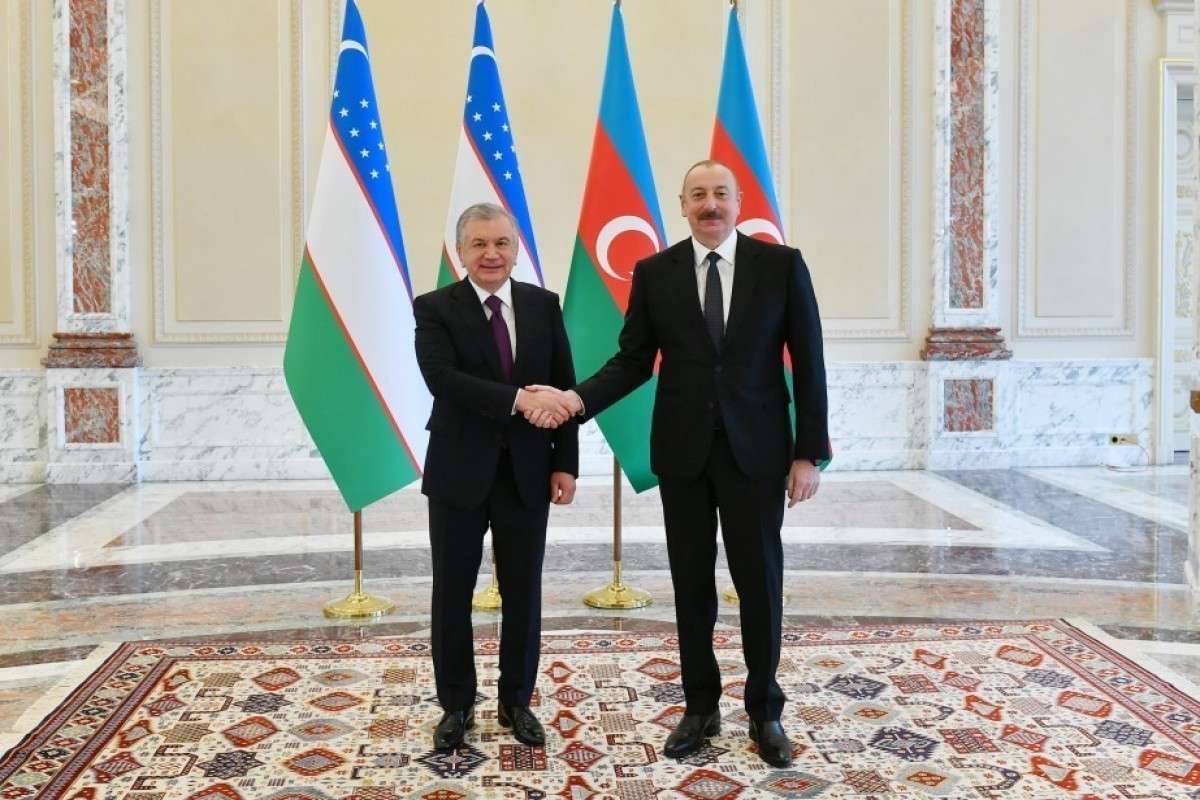


The development of allied relations between Azerbaijan and Uzbekistan is becoming one of the key elements of the emerging new political configuration between the South Caucasus and Central Asia. The main political outcome of the rapprochement between Baku and Tashkent is that relations are moving beyond the bilateral framework into the spheres of multilateral diplomacy, regional integration and institutional cooperation within the Turkic world. In addition to combining the political capabilities of the two countries, this creates the groundwork for the formation of a more coordinated regional space on both shores of the Caspian Sea.
Multilateral diplomacy strengthens the Baku-Tashkent alliance
This process is primarily evident on international platforms. Azerbaijan and Uzbekistan are expanding cooperation within the UN, the Organization of Islamic Cooperation, the Organization of Turkic States (OTS), CICA, the Non-Aligned Movement and other multilateral mechanisms. The mutual support demonstrated by Baku and Tashkent across various political platforms enhances the diplomatic potential of their alliance and creates additional political resources for advancing their national interests internationally.
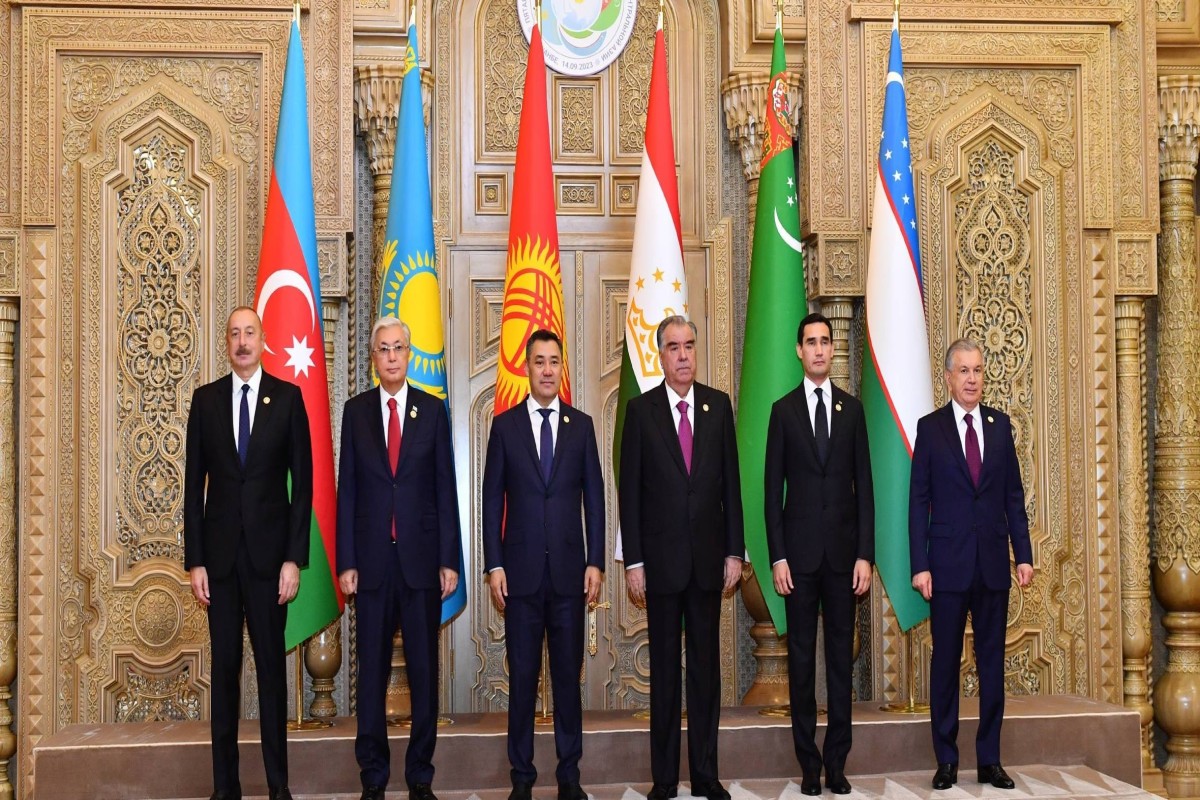
One of the key developments that has changed the regional significance of the relationship is Azerbaijan's integration into the Consultative Meeting of the Heads of State of Central Asia. President Ilham Aliyev's participation as an honorary guest in the fifth meeting in 2023 and the sixth meeting in 2024 of this mechanism, which was established in Astana in 2018, demonstrated the consistent nature of Azerbaijan's political rapprochement with Central Asia. The process entered a new stage on November 16, 2025, when a decision on Azerbaijan's full participation was adopted at the seventh Consultative Meeting held in Tashkent.
The regional dialogue that had taken shape as the C5 effectively acquired a C6 political configuration. This is not merely about an increase in the number of participants. Azerbaijan's inclusion expands the geography of Central Asian political cooperation toward the western shore of the Caspian Sea and creates a new strategic linkage between the South Caucasus and the region. President Ilham Aliyev's participation in the informal Consultative Meeting held in Kyrgyzstan on July 31, 2026, also demonstrated that Baku is no longer an external partner in this mechanism but a direct participant in the regional political dialogue. The eighth Consultative Meeting is scheduled to be held in Turkmenistan on October 8, 2026.
The Organization of Turkic States provides a broader integration framework
This transformation along the Central Asian track is developing in parallel with the broader integration process underway in the Turkic world. In this context, the OTS represents another strategic platform for the Azerbaijan-Uzbekistan alliance. Founded in Nakhchivan in 2009, the organization has gradually evolved from a format based on historical and cultural solidarity into a multilateral institution where political, economic and security interests are coordinated.
The documents adopted at the 12th Summit of the Council of Heads of State of the OTS, held in Gabala last year, highlighted such objectives as strengthening the organization's political, economic and military potential, deepening unity among the Turkic states and enhancing the OTS's international standing, demonstrating the direction of this transformation.
Parliamentary diplomacy adds an institutional pillar to bilateral ties
Another factor ensuring the sustainability of the alliance is that political dialogue is not confined to the presidential level. Parliamentary diplomacy has become a separate institutional pillar of the relationship. Speaker of Azerbaijan's Milli Majlis Sahiba Gafarova has made six visits to Uzbekistan, including her participation in the second Asian Women's Forum held in Bukhara on May 14-15, 2026, reflecting the intensity of these contacts. The first Azerbaijan-Uzbekistan Interparliamentary Forum, held in Khiva in 2025, and plans to organize the second forum in Azerbaijan this year confirm that interparliamentary dialogue is developing into a permanent mechanism.
A new political linkage is emerging across the Caspian
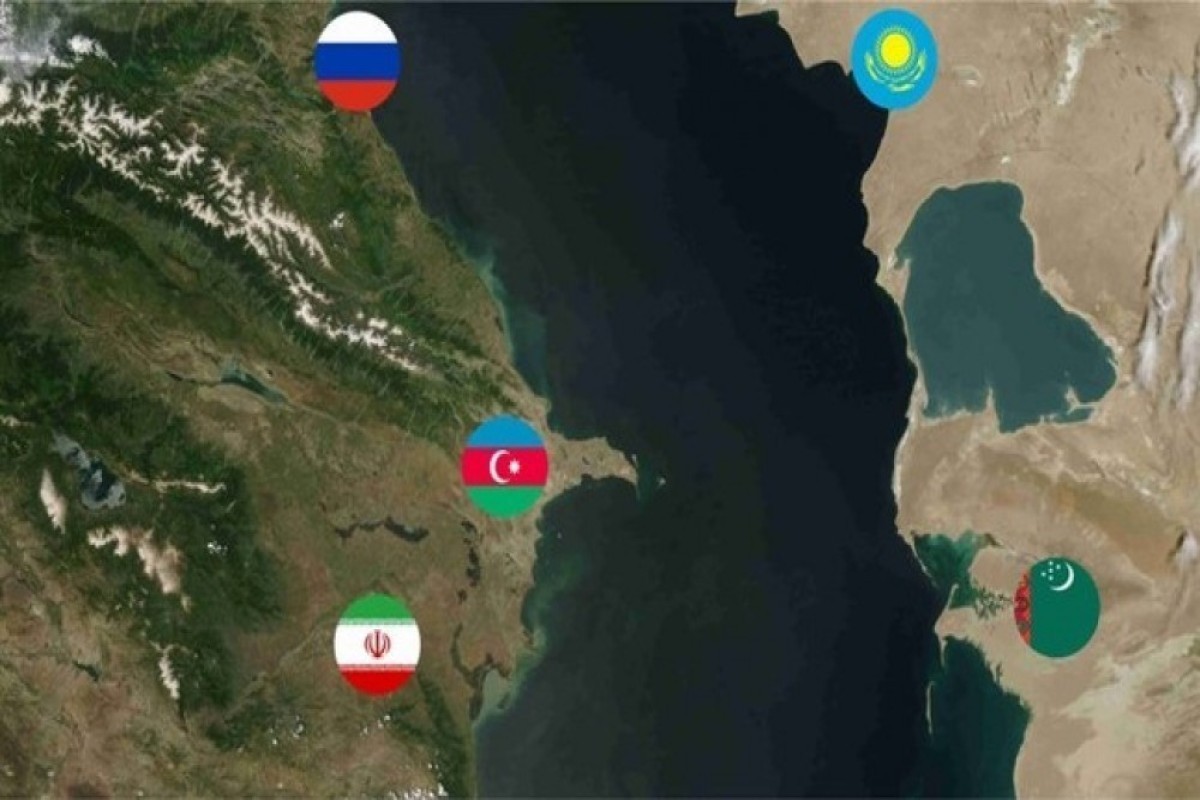
As a result, the Baku-Tashkent axis is no longer merely an indicator of relations between two allied states. Azerbaijan's integration into Central Asia's political mechanisms, Baku-Tashkent coordination on multilateral platforms, the strengthening of integration within the OTS and the institutionalization of parliamentary diplomacy are creating a new political linkage between the South Caucasus, Central Asia and the Turkic world. In this sense, the Azerbaijan-Uzbekistan alliance is becoming one of the strategic factors bringing the two shores of the Caspian Sea closer together and shaping the emerging political architecture of the region.


 Follow us on Telegram
 t.me/apanewsaz
 Follow us on Instagram
 Follow us on TikTok
 Follow us on Facebook
 Follow us on X