
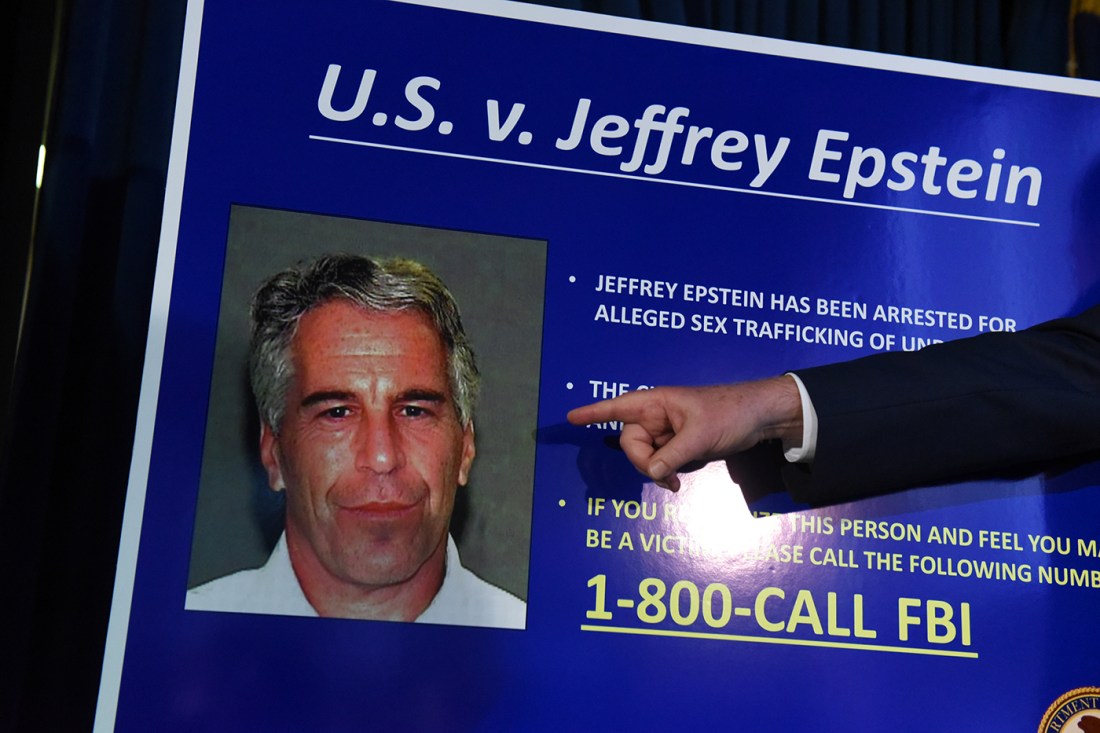
The publication of the “Epstein files” was, at first glance, supposed to shed light on questions that had remained unanswered for many years. Society’s main expectation was this: the facts are known, the responsible individuals are known, and there should be legal consequences. However, what happened did not meet these expectations. On the contrary, instead of bringing clarity, the disclosure of the materials revealed even more gaps and contradictions.
The main problem is that the disclosed documents are not the result of a legally completed process. The files lack the most essential element expected by society: a court verdict and systemic legal consequences. This inevitably raises the question, “Why were the files opened?” If there is no result, the information disclosed is merely an exposé and does not serve to establish justice.
What did the disclosure of the “Epstein files” achieve, and what did it leave unresolved?
Rusif Huseynov, Director of the Topchubashov Center, told APA that the public release of part of the Epstein materials caused serious resonance not only in U.S. society but also on an international scale.

According to him, this process directly affected the socio-political environment in a number of countries and was accompanied by concrete political consequences: “The resignation of the well-known political figure Miroslav Lajčák, whose name appeared in the ‘Epstein files,’ from his position as the prime minister’s advisor on national security in Slovakia is a clear example of this impact. This step shows that the reputational risks generated around the ‘Epstein case’ have already turned into a real threat to political careers.”
A similar process was observed in Norway as well. Although the wife of the Norwegian crown prince, who was alleged to have had close ties with Epstein, publicly apologized, this step did not eliminate the damage done to the public reputation of the royal family as a whole.
According to R. Huseynov, the decline in public opinion toward the royal family in Norway—where the monarchy has traditionally enjoyed strong public support, demonstrates the institutional impact of this scandal: “The disclosure of the ‘Epstein files’ has seriously undermined the trust of broad segments of the population in the elite in Western countries, especially in the United States. The fact that some issues previously presented as conspiracy theories are now coming to the fore as reality has led to these theories becoming even stronger.”
He emphasized that in Global South countries, this topic has led to Western values, Western standards, and democratic institutions becoming targets of criticism: “The Western elite is accused of double standards in this context, and the idea that calls related to human rights are selective is gaining strength.”
Crimes were known, but there was no reaction
One of the most significant misconceptions regarding this process is the belief that the “Epstein case” remained hidden for years and has now surfaced by chance. In reality, the situation is completely different. In 2007–2008, victim testimonies, material evidence, and legal grounds already existed. In other words, the root of the problem lies not in a lack of information or the issue having remained hidden until now, but in the absence of reaction. A systematic avoidance of responsibility is observed here. The prosecutor’s office, law enforcement agencies, migration structures, and financial institutions each considered the issue only within the scope of their own authority. No institution wanted to see the complete picture. Because the complete picture would reveal powerful individuals with political and economic influence, and create confrontation with them. And that meant risk. The first and most critical failure occurred precisely at the prosecutorial stage. The failure to open a case at the federal level was not merely a legal decision; it was a manifestation of institutional cowardice. A chain of indecision later paralyzed the entire system.
Israeli political scientist Yuri Bocharov believes that the Jeffrey Epstein case cannot be presented in history as a sudden exposé or a delayed victory of justice.
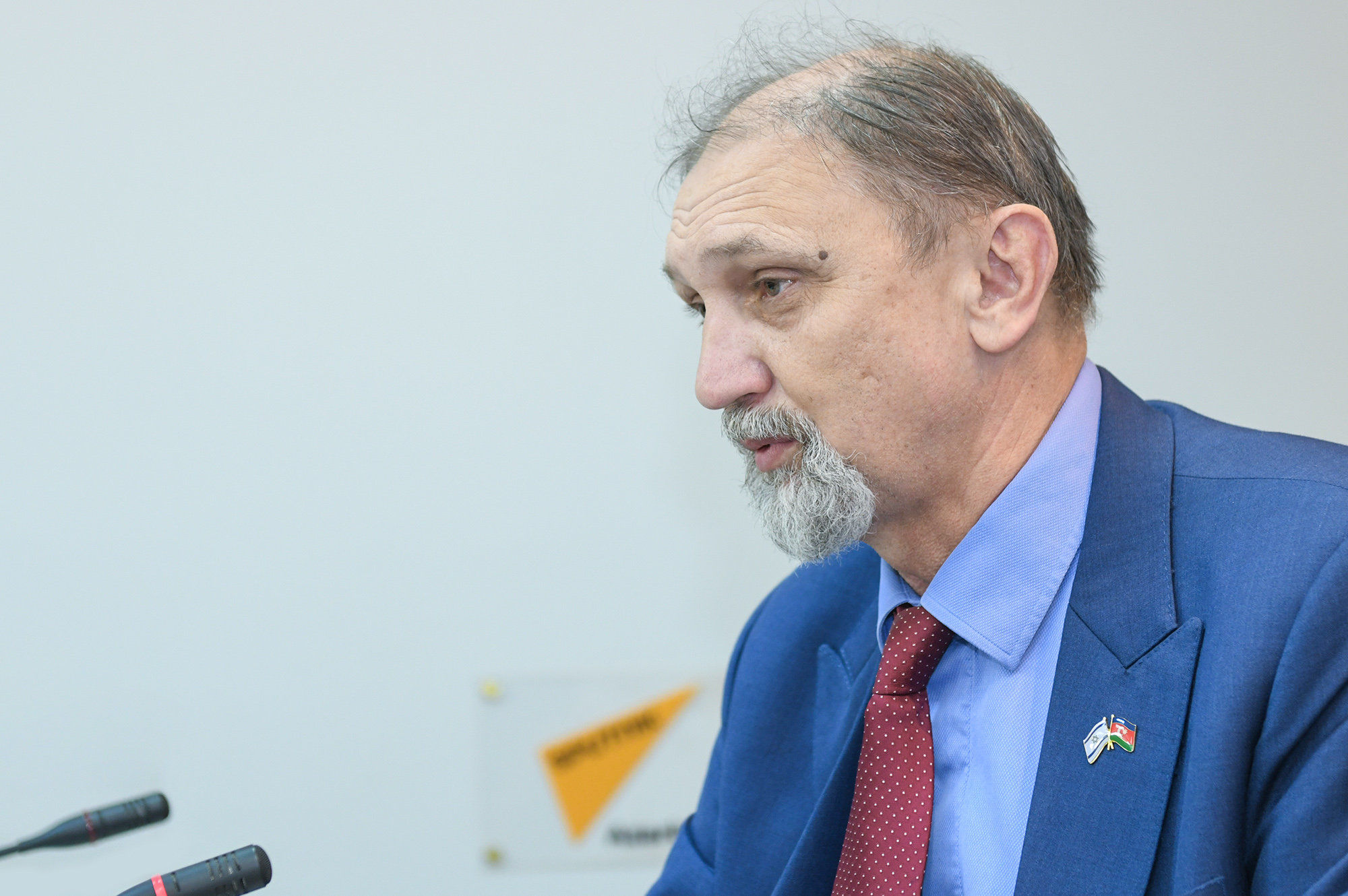
In his statement to APA, he noted that the vast majority of the facts now brought into public discussion were known long before Epstein’s re-arrest: “The main problem is not a lack of information, but the selective legal reaction to this information. Such cases are kept in archives for years and are activated only when the balance of power within the elites changes.”
The expert emphasized that evidence, victim testimonies, and witness statements already existed in 2007–2008, but the federal investigation was effectively neutralized. In his view, it is difficult to explain this as a coincidence or an institutional error: “When an investigation covers not isolated individuals but an entire stratum of politically and financially influential figures, the system prefers to avoid bringing the case to completion.”
Bocharov stated that as long as consensus within the elites is maintained, such networks remain untouchable, and for this reason, many court proceedings in recent years appear not as legal processes but as a continuation of political struggle. According to him, in such cases, criminal law ceases to be a neutral instrument and turns into a political weapon: “The context of the confrontation formed around Donald Trump illustrates this logic more clearly: first, legal mechanisms were used against him, and later, as the political configuration changed, a counterplay began using the same tools.”
The migration system and “seemingly legal” routes

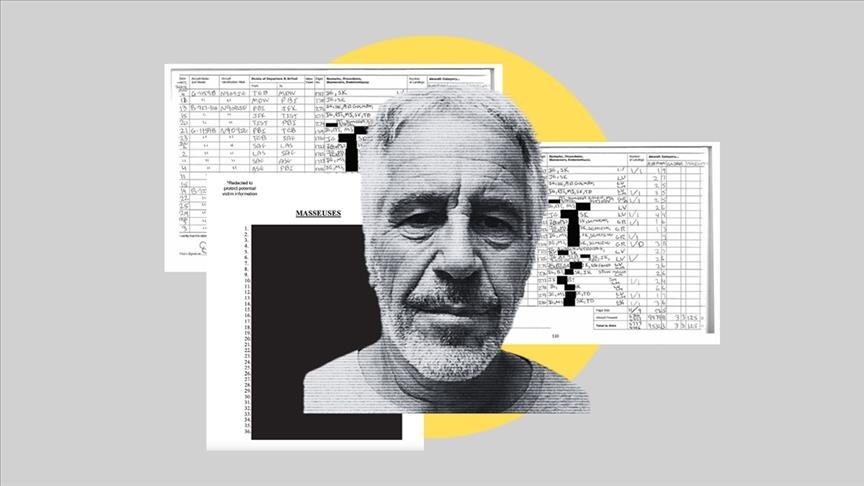
One of the most troubling questions concerns how victims were brought from other countries. Here, the issue is not merely criminal intent, but the mechanism. The victims were not brought through openly illegal routes, but through procedures that appeared legal on paper. This fact shows that the problem is not only the existence of forged documents, but the gaps within the system itself. If human trafficking can be carried out in a formally “legal” framework, this is no longer an individual crime but a structural problem. This indicates that migration control, international coordination, and risk assessment mechanisms are either weak or deliberately ignored.
Yuri Bocharov also notes that the implementation of human trafficking through “seemingly legal” mechanisms is not accidental, but the result of systemic inconsistencies: “Within the framework of the Jeffrey Epstein case, the fact that children who became victims of sexual exploitation were brought into U.S. territory on formally legal grounds reveals a serious structural malfunction: the law itself creates conditions to bypass it. The migration system focuses not on assessing real content and risks, but on the formal correctness of procedures on paper. When documents are in order from a ‘bureaucratic’ perspective, the state effectively prefers not to see the reality behind them.”
According to Bocharov, the second and most dangerous problem is the selective application of the law: “Money and connections allow influential individuals to exploit loopholes in legislation with impunity, turning the legal defense mechanism into a tool of concealment. In such a system, responsibility is effectively diffused: formally everything looks legal, but in reality the state itself creates an environment in which powerful individuals remain above the law without breaking it.”
The expert emphasizes that when documents are in order, the essence of the process is rarely examined in depth.
“If entry formally complies with visa regimes, residence permits, or accompanying documents, the human factor is automatically placed into a safe category. This creates a serious gap for groups vulnerable to exploitation,” Bocharov emphasizes.
In his view, the problem is not limited to the migration policy of a single country, but is further deepened by a lack of coordination at the international level.
“When information exchange between the systems of several states is weak, criminal networks skillfully exploit this. As a result, each country believes it is formally complying with the rules, but the overall mechanism effectively becomes non-functional,” the expert adds.
Bocharov believes that such cases make it necessary to reconsider migration control not merely as a technical procedure, but in the context of security and human rights.
“Otherwise, the legal framework turns not into a tool that prevents crimes, but into a cover that hides them,” the political scientist emphasizes.
Institutional failure and collective irresponsibility
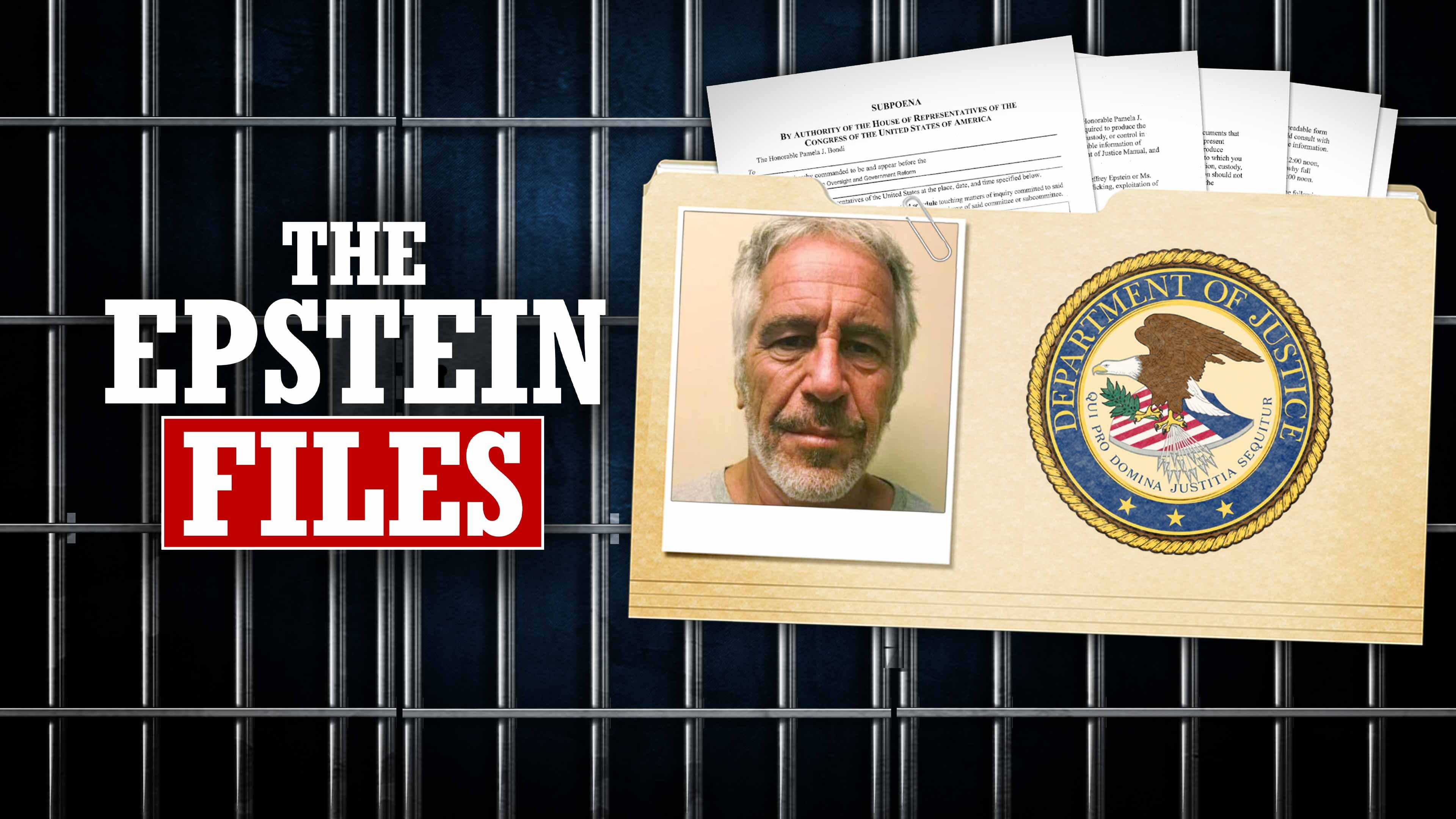
All these facts converge at one point: institutional failure. No institution assumes ultimate responsibility; everyone shifts the issue into someone else’s sphere of authority. As a result, there is a crime, there is a victim, but there is no one accountable. The most disturbing aspect is that these events did not occur in some third-world country, but in a state that claims to have strong democratic institutions and presents the rule of law as a fundamental value.
In this context, Yuri Bocharov emphasizes that it is not accidental that such crimes occurred in a state that has long presented itself as a pillar of democracy and given moral lessons to other countries. In his view, this cannot be explained by the negligence or professional failure of individual officials.
The expert believes that the issue lies in the system’s conscious failure to function once the interests of influential elites are touched. “In this situation, legal and democratic institutions lose their role as mechanisms of real oversight and justice, performing only formal and demonstrative functions,” he states.
According to Bocharov, institutions work effectively in some cases, but when it comes to members of a protected elite circle, the same institutions are clearly inactive.
In the political scientist’s conclusion, this selective approach damages the essence of democracy and turns it into a showcase mechanism: “As a result, the claim to moral leadership is seriously undermined, and the right of such states to act as universal arbiters in matters of human rights and justice is called into question. This shows that institutional failure is not only an internal problem, but also turns into a crisis of international trust.”
Loss of a sense of justice and long-term consequences
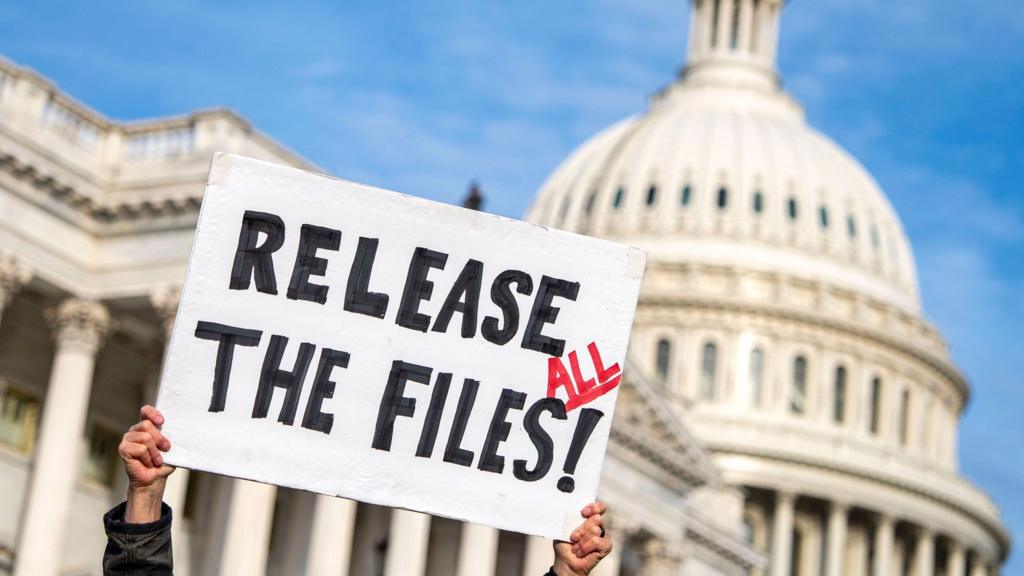
Consequently, the main question that remains open is this: why is society deprived of a sense of the establishment of justice in an extremely sensitive issue such as children? As long as this question remains unanswered, it produces even more severe consequences. Distrust in justice, suspicion toward the judicial system, and the feeling that the truth always remains incomplete deepen over time. This creates a dangerous precedent not only for a specific case but for society as a whole.
Yuri Bocharov states that “the lack of answers on key episodes and the closed nature of the process inevitably create a crisis of trust in the long-term perspective.” According to him, “this distrust deepens not only domestically, but also internationally, taking on a systemic character.”
The expert notes that “society increasingly understands more clearly: the truth is neither fully nor immediately disclosed, and facts are made public only to the extent permitted by the current political struggle among elites.”
In the political scientist’s view, this approach “reinforces the impression that justice is determined not by objective criteria, but by political configuration.”
Bocharov emphasizes that “in such an environment, the sense of double standards inevitably strengthens, and law and justice become dependent not on facts, but on the balance of power.” According to him, “as a result, belief in the fundamental nature of democratic values erodes, and this erosion is not short-term.”
The political scientist adds that “such scandals are not formally closed; they accumulate, deepen, and resurface at every new stage when elite interests no longer coincide.” In his conclusion, “this process creates a sustained psychological and political burden for society and gradually eliminates hope that justice will be established.”



 Follow us on Telegram
 t.me/apanewsaz
 Follow us on Instagram
 Follow us on TikTok
 Follow us on Facebook
 Follow us on X