










Washington. Isabel Levine – APA. Ariel Cohen, Senior Research Fellow for Russian and Eurasian Studies and International Energy Policy at the Heritage Foundation, believes that “control of energy corridors from the Caspian Sea to the Black Sea and beyond was an objective of the Russian military operation against Georgia in August 2008â€.
“Russia is willing to use force to achieve its geo-economic goals in its region. This has been clearly confirmed by other incidents involving delays in energy supplies to Ukraine, Azerbaijan, Belarus, Georgia and the Baltic statesâ€, Mr. Cohen stated in Washington DC, during his meeting with the Congress Europe and Eurasia Subcommittee of International Relations Committee members.
“Many argue that Moscow‘s international energy behavior leaves its partners insecure and makes observers doubt that Russia is a responsible player, especially when unconstrained by competition and powerful investment sourcesâ€, he mentioned.
The analyst reminds that, as a giant energy producer and major energy transit country, Russia is an important player in the field of global energy production. “Russia has the largest reserves of natural gas in the world, and possesses some 79.4 billion barrels of oil, approximately 6.4% of the world‘s total. Despite its vast resource base and its formal assurances of its reliability as a partner, Moscow has already proved that it is willing to hike up oil and gas prices to match the general trend of higher energy prices, engage in anti-free market practices, especially at home and in Europe, and use energy as a foreign policy toolâ€.
Therefore, Mr. Cohen has no doubt that Russia works to maintain control over energy transportation routes and opposes any projects that could provide Europe with alternative supply lines.
“European demand was very high before the recent economic crisis, and is projected to grow further provided the current geopolitical instability does not cause another global recession. Eastern Europe consumes even higher percentages of Russian energy, with several countries entirely dependent on Russian gas. However, US and Europe should have serious reservations concerning Russian practices that limit access to the market, tend to promote corruption, and expand Moscow‘s energy transport agendaâ€.
Speaking about the American perspective over the Russian energy geopolitics up to 2020, the analyst pointed out that European energy imports on monopolistic Russian oil and gas exporters is a negative long-term geopolitical trend. However, there are other issues.
“Despite being the world‘s largest energy consumer, the United States has limited energy relations with Russia. In 2002–2003 Russia refused to construct projects dedicated to oil exports to the United States, such as the Murmansk pipeline, suggested by the then-privately held YUKOS, LUKoil and Sibneft oil companies. Moscow has also derailed attempts by U.S. oil supermajors to buy significant non-controlling stakes in large private Russian companies such as YUKOS. On the other hand, Gazprom considered and abandoned plans to export LNG to the US West Coast. If Moscow is serious about the ―reset‖, it needs to address a number of fundamental issues, first and foremost the issues of market access and the rule of law. First, US companies should gain access to oil and gas fields and pipeline projects, not limited by the obsolescent Natural Resources Law and the state-owned pipeline monopoliesâ€, said the expert.
Ariel Cohen: Russia works to maintain control over energy transportation routes and opposes any projects that could provide Europe with alternative supply lines

 07 June 2011 09:51 (UTC +04:00)


 İDMAN XƏBƏR
 Follow us on Telegram
 t.me/apanewsaz
 Follow us on Instagram
 Follow us on TikTok
 Follow us on Facebook
 Follow us on X
Foreign
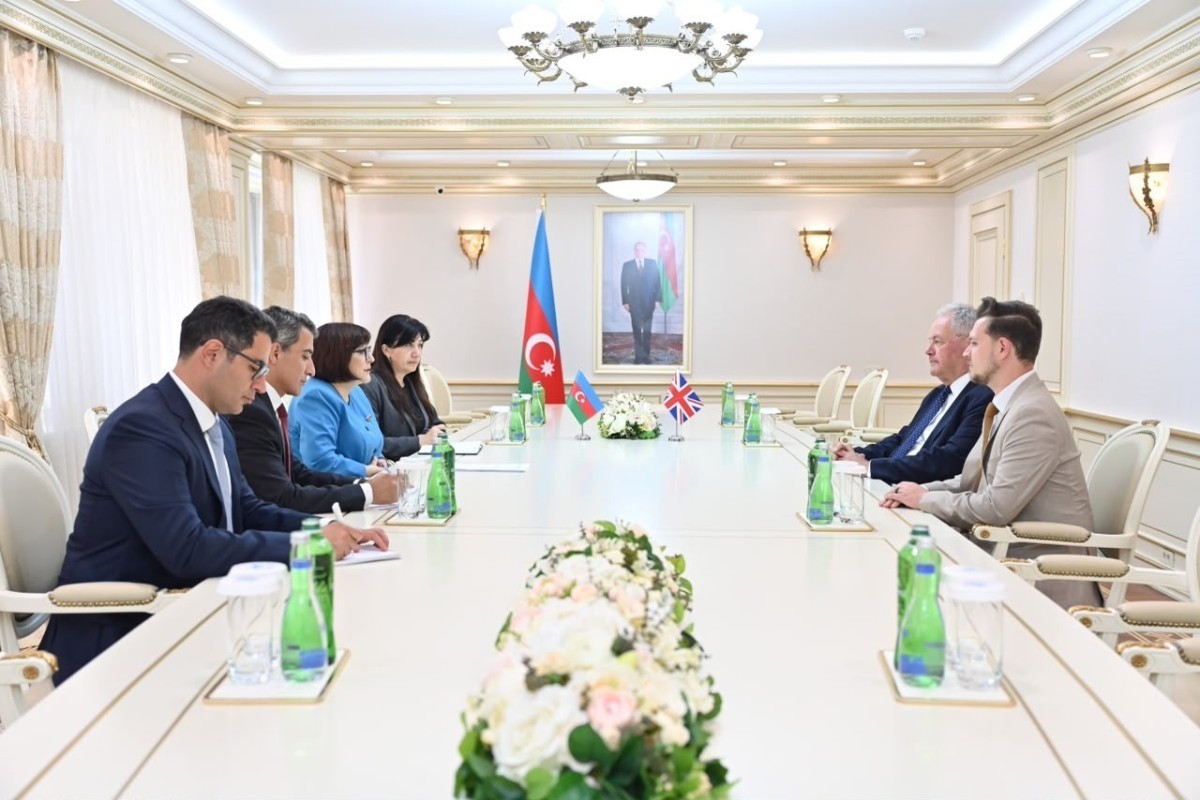
Speaker of Azerbaijani Parliament meets head of UK-Azerbaijan parliamentary friendship group
18:12
 13 July 2026
Romanian Senate delegation visits Khankendi
18:00
13 July 2026
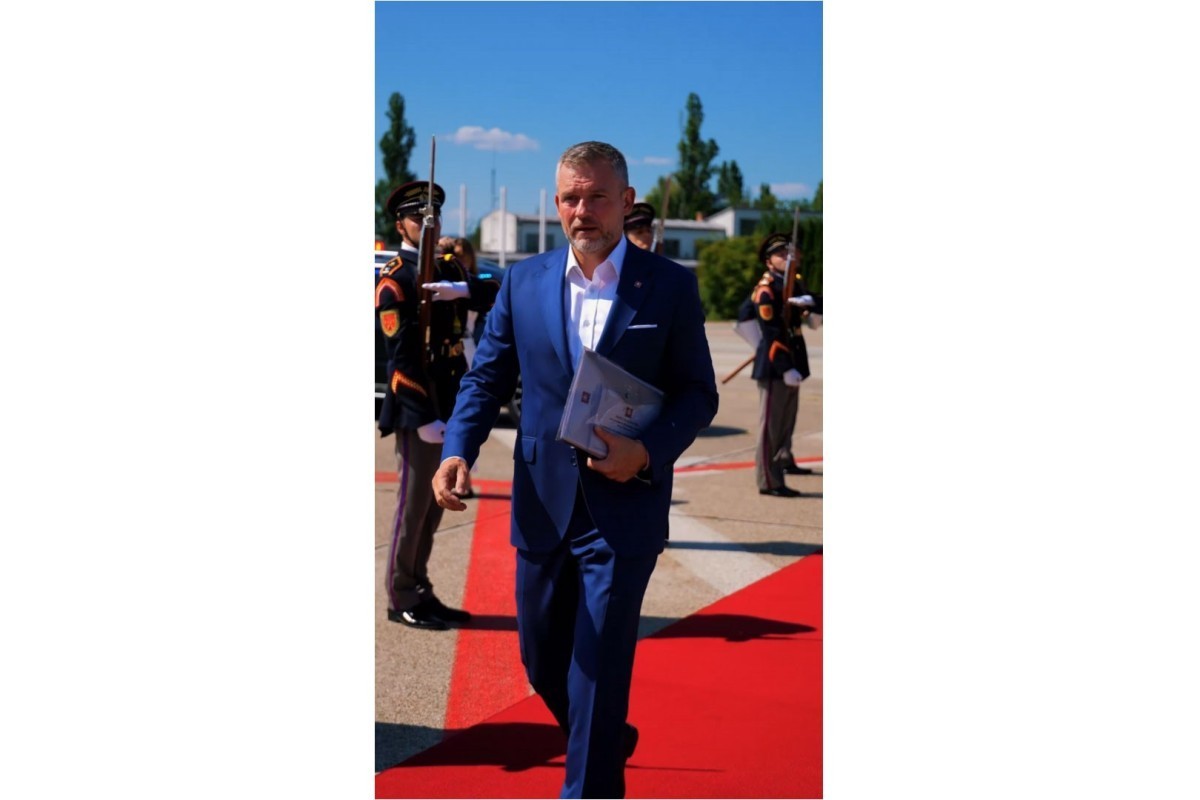
Slovak President departs for Azerbaijan
17:58
13 July 2026
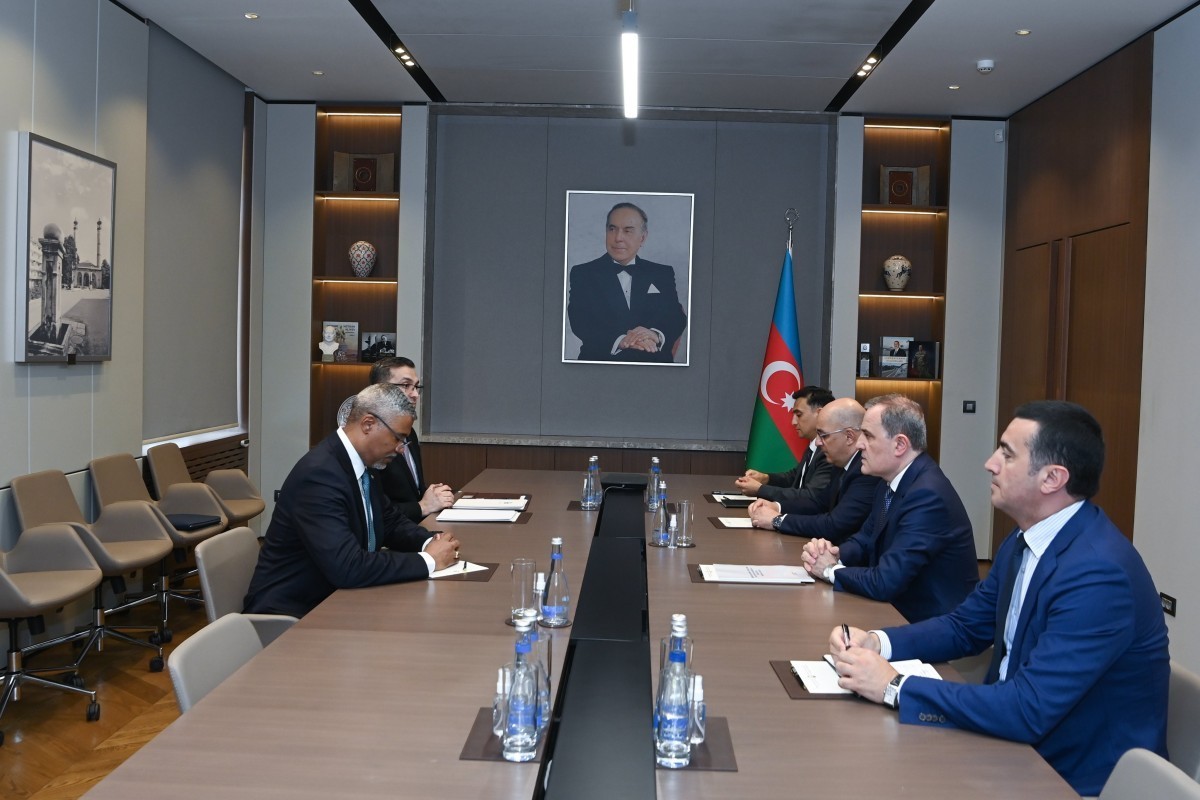
Azerbaijan FM Jeyhun Bayramov meets with WCO Secretary General
17:22
13 July 2026

NEWS FEED
Ukraine's Prime Minister Svyrydenko resigns
21:48
13 July 2026
Slovak President arrives in Azerbaijan for official visit
21:34
Audio
13 July 2026
Chief of General Staff of Azerbaijan Army is on an official visit to Belarus
20:33
13 July 2026
Ukraine and 9 European nations form anti-ballistic missile coalition
19:52
13 July 2026
Erdoğan says Türkiye will continue cooperation with Trump
19:37
13 July 2026
US creates task force to prosecute leaks to news media, Hegseth says
19:14
13 July 2026
Hikmat Hajiyev holds meetings with Syrian, Kazakh and Uzbek representatives at 4th Shusha Global Media Forum
18:54
13 July 2026
Secretary-general hopes D-8 Media Excellence Center will begin operations soon
18:39
13 July 2026
Trump: US to become ‘Guardian of Hormuz Strait,’ charge 20% on cargo
18:35
13 July 2026
D-8 secretary-general highlights importance of Shusha Global Media Forum
18:26
13 July 2026
Hikmat Hajiyev: D-8 Media Excellence Center initiative is already delivering results
18:22
13 July 2026
Speaker of Azerbaijani Parliament meets head of UK-Azerbaijan parliamentary friendship group
18:12
13 July 2026
Romanian Senate delegation visits Khankendi
18:00
13 July 2026
Slovak President departs for Azerbaijan
17:58
13 July 2026
Iran says Strait of Hormuz will remain under Tehran's control
17:40
13 July 2026
OPEC: Azerbaijan's oil production increased in the second quarter of 2026
17:24
13 July 2026
Azerbaijan FM Jeyhun Bayramov meets with WCO Secretary General
17:22
13 July 2026
Session on secure information environment on digital platforms held as part of 4th Shusha Global Media Forum - PHOTO
17:19
13 July 2026
Date and agenda announced for final meeting of parliament's extraordinary session - UPDATED
17:17
13 July 2026
Participants of 4th Shusha Global Media Forum visit Victory Park in Khankendi - PHOTO
17:17
13 July 2026
Trump: Iran has no chance of developing nuclear weapons
17:02
13 July 2026
3.6 million TikTok videos removed in Azerbaijan last year for violating platform rules
17:01
13 July 2026
NYT: Ahmadinejad met Mossad chief under Israeli plan to install him as Iran’s leader, is now under arrest
16:57
13 July 2026
Prime Minister Ali Asadov meets with Russian health minister
16:39
13 July 2026
Participants of the 4th Shusha Global Media Forum visit Khojaly Genocide Memorial - PHOTO
16:35
13 July 2026
Media expert: AI-powered cyber fraud is extremely difficult to combat
16:34
13 July 2026
Trump says US will control the Strait of Hormuz and be paid for it
16:33
13 July 2026
Calls to the Women Helpline double in the first half of 2026
16:19
13 July 2026
UK government proscribes Iran's IRGC
16:06
13 July 2026
Yemeni military targets Sanaa airport runway to stop Iranian plane landing, defence ministry says - UPDATED
16:02
13 July 2026
Azerbaijan Airlines receives Great Place to Work® certification for the first time
15:50
13 July 2026
European Council adopts assistance measure to support the Republic of Moldova’s air defence capabilities
15:23
13 July 2026
Family photo from 4th Shusha Global Media Forum shared on President's social media accounts
15:18
13 July 2026
Russia's AI-95 gasoline prices surge 24% since early July
15:17
13 July 2026
Hikmat Hajiyev discusses cooperation with TikTok and LinkedIn representatives
15:17
13 July 2026
US strike on Iran's Abadan kills two, injures three
15:07
13 July 2026
Germany summons Russian ambassador over cyberattack claims
14:43
13 July 2026
114 more mines, 237 unexploded ordnance discovered in liberated territories
14:29
13 July 2026
Shahin Baghirov: WCO-established principles are being implemented in many countries
14:19
13 July 2026
Ian Saunders: Azerbaijan actively supports the WCO
14:12
13 July 2026
EU launches new Partnership Mission in Armenia - UPDATED
14:11
13 July 2026
WCO Secretary General: State Customs Committee's modernization efforts left a positive impression on me
14:05
13 July 2026
EU imposes sanctions on VKontakte
14:03
13 July 2026
Kremlin: Russia has no intention of proving anything to anyone
13:57
13 July 2026
Russian strike on foreign commercial vessel in Odesa kills three, injures five
13:38
13 July 2026
Uruguayan journalist: President's open dialogue with the media is of great importance
13:36
13 July 2026
President's Press Service releases video on 4th Shusha Global Media Forum
13:12
13 July 2026
Aktoty Raimkulova: Shusha Global Media Forum is of special importance for the Turkic world
13:11
13 July 2026
Moroccan official: Shusha Global Media Forum contributes to promoting a culture of peace
12:56
13 July 2026
Ukraine says it has struck 105 vessels belonging to Russia's "shadow fleet"
12:47
13 July 2026


