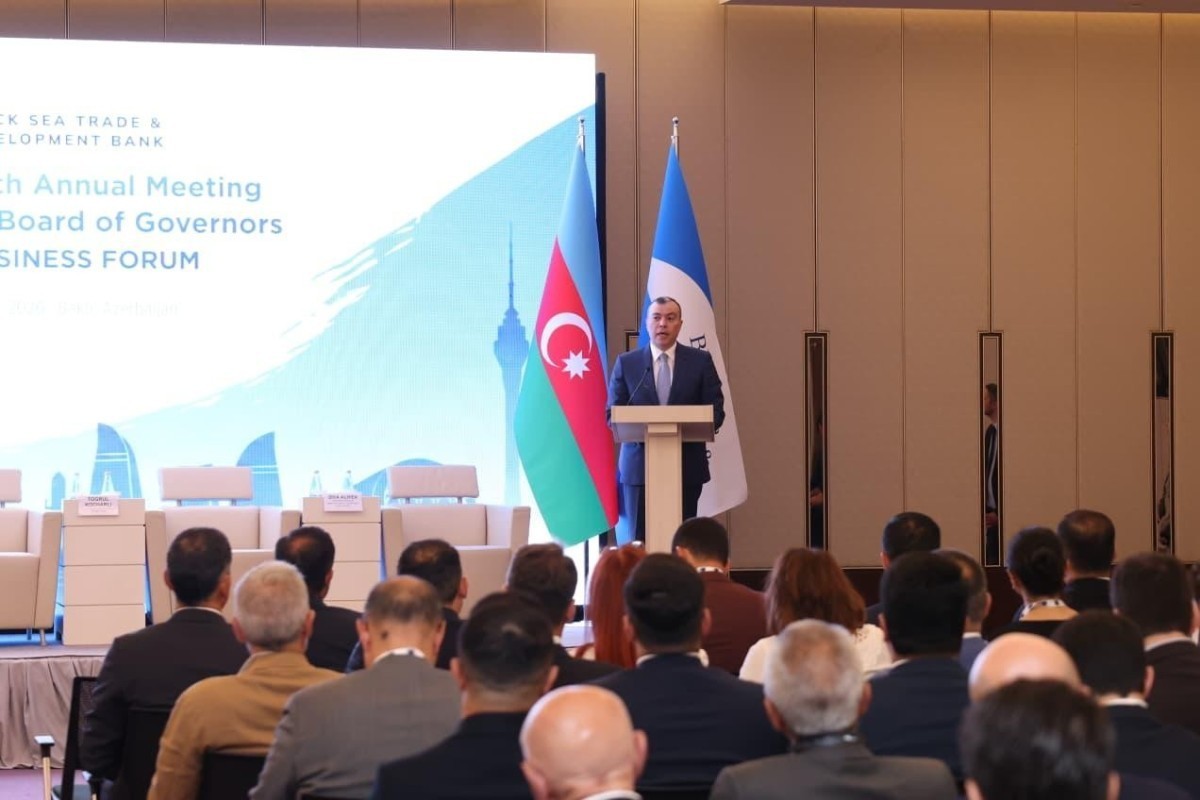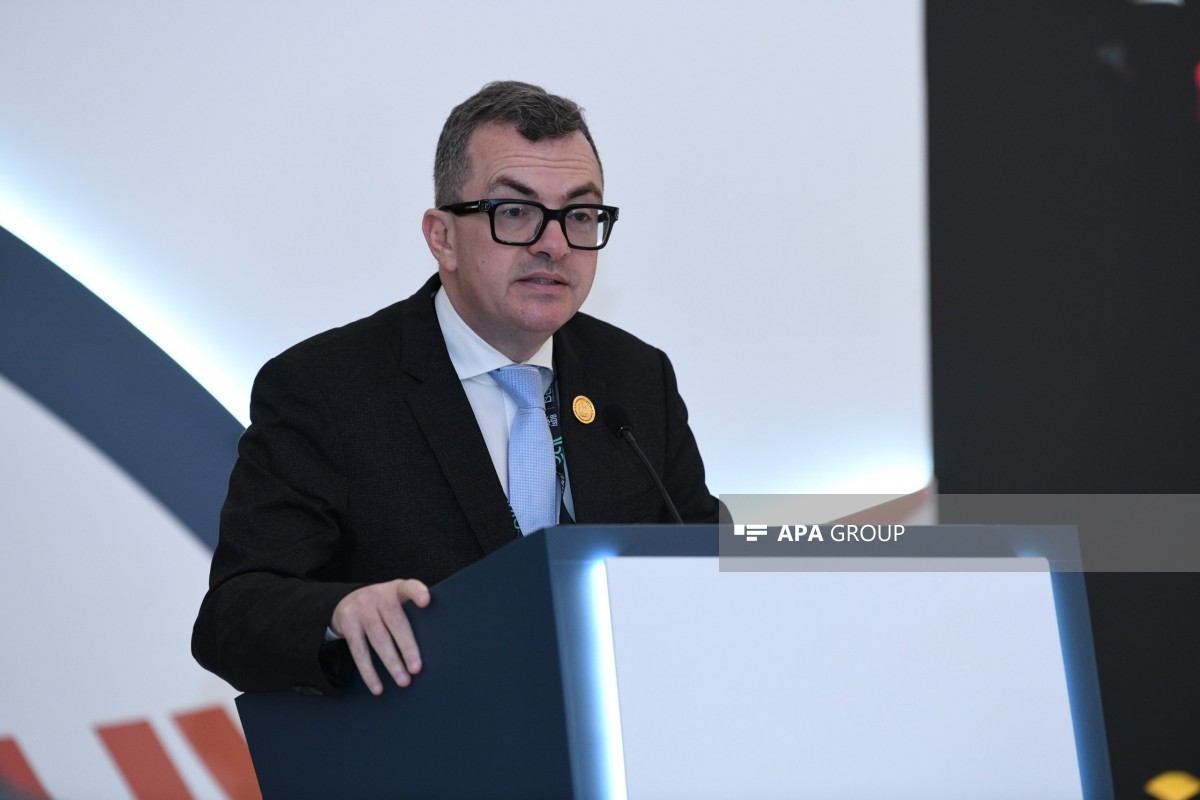

The annual infrastructure financing gap in member countries of the Organization of Islamic Cooperation (OIC) amounts to approximately $290 billion, Ahmed Rostom, Egypt’s Minister of Planning and Economic Development, said during the session titled “Public-Private Partnerships (PPP) for Cross-Border Infrastructure for Regional Connectivity,” held within the framework of the annual meetings of the Islamic Development Bank Group (IsDB) in Baku, APA reports.
The minister said that regional integration and cross-border connectivity are no longer a choice but a necessity:
“It is only through joint action that we can achieve our goals of accelerating economic growth, strengthening resilience, expanding trade and increasing prosperity.”
According to him, global infrastructure demand is estimated at approximately $6.9 trillion annually through 2030:
“At the same time, there is a global annual financing gap of $2.5-3 trillion. In OIC countries, this figure stands at approximately $290 billion. Of this shortfall, 53% relates to road infrastructure, while 38% is accounted for by the telecommunications, electricity and water sectors.”
Rostom noted that innovative financing mechanisms are needed to bridge this gap:
“Public-private partnership projects are more complex than national projects. Cross-border PPP projects involve different legal systems, political environments and interests, which creates additional risks for their implementation.”
According to the minister, one of the main challenges is the absence of unified PPP standards across different countries:
“The lack of standardized rules, lengthy negotiation processes, high transaction costs and the misalignment of objectives make project implementation more difficult.”
He stressed that multilateral development banks can play an important role in addressing these challenges:
“The Islamic Development Bank Group and other multilateral financial institutions can help mitigate the risks of cross-border PPP projects through guarantee mechanisms, trade finance instruments and advisory services.”
Rostom added that Islamic finance and blended financing mechanisms make it possible to reduce risks at the initial stage and enhance the investment attractiveness of projects:
“The Trans-Saharan Highway initiative and other regional transport and energy corridors are successful examples of enabling landlocked countries to integrate into global markets.”
The minister called on session participants to strengthen cooperation in harmonizing legal and regulatory frameworks for the development of cross-border PPP projects.
“These discussions must go beyond a theoretical exchange of views and be transformed into concrete projects,” he emphasized.


 Follow us on Telegram
 t.me/apanewsaz
 Follow us on Instagram
 Follow us on TikTok
 Follow us on Facebook
 Follow us on X