











-How do you evaluate the recent forecast of the International Monetary Fund in connection with Azerbaijan?
-I should say that this report is based on the current statistical indicators. The report shows that oil sector predominates in Azerbaijan’s economy at present. The complications are pointed out in case the situation continues. But the report has not taken into consideration the measures taken and to be taken by the government in connection with the non-oil sector. While drawing up such reports international organizations assess more the current situation, they ignore the development tendency in the country, and this causes serious mistakes of these organizations. For example, at the beginning of this year IMF forecasted 3.7% economic growth rate in the world for 2008 and 3.8% rate for 2009. But at the end of last week the organization admitted its mistake and increased the world’s growth rate by 4.1% for 2008 and 3.9% for 2009. The organization also increased economic growth rate of the US for the current year from 0.5% to 1.3% and economic growth rate of the European region from 1.4% to 1.7%. As seen, attention should also be paid to the six-year forecasts, because according to the simple statistical rules, the probability of being mistaken rises as the time passes. The recent economic development tendencies of Azerbaijan shows that IMF’s negative forecast concerning economic growth will not come true.
If we analyze the report thoroughly, it should be noted for objectivity that according to the report only one of the indicators will be relatively violated for a long time. And this is the increase of stable prices and gross domestic product (GDP). But if we attentively review the report, we will see that despite relative decrease in GDP, Azerbaijanis’ purchasing power abroad in USD will increase. In 2012, when GDP growth rate will reduce, national income per capita will increase from 9700 USD to 11.148 USD and in 2013 to 12.915 USD. Generally, the highest rate of the national income per capita will be observed in Azerbaijan in the forthcoming six years. The amount of GDP per capita in Azerbaijan will increase from 3.663 USD in 2007 to 12.915 USD in 2013. I should mention that in 2003 national income per capita in Azerbaijan and Armenia was approximately equal. But forecasts show that national income per capita will be three times more in Azerbaijan than in Armenia in 2013. In 2013 Azerbaijan will take the 56th place in the world for the national income per capita. Our country was the 91st among 181 countries for this indicator last year. Increase of the national income per capita will strengthen Azerbaijan’s role and image in the world economy.
If the specific weight of Azerbaijan in the world economy was 0.054% in 2003, this figure is expected to double and reach 0.117% in 2013. In this respect, it is forecasted that Azerbaijan, which was in the 90th place among the world countries for the amount of GDP in 2003, will reach the 73rd place in 2013. During this 10-year stage Armenia’s contribution to the world economy will not change relatively (2003 – 0.020%, 2013 – 0.029%).
-Can activities taken on productive usage of collected incomes cause failure of International Monetary Fund’s forecast?
-One of the failure of IMF’s forecast is proved with an executive order signed by Ilham Aliyev on 2005-2007 long-term strategy on usage of oil and gas incomes on September 27,2004 to ensure productive usage of collected incomes in State Oil Fund of Azerbaijan. The strategy envisages productive usage of incomes, large-scale development of infrastructure, small and medium-sized entrepreneurship , regions, and non-oil sector. The document also covers measures taken on decrease of poverty , solution of other social problems, increase of intellectual and technology base of economy, development of human capital, preparation of high quality personnel in the country and abroad, qualification of personnel, strengthening of security capacity of the country, reestablishment of released territories , returning of IDPs to their lands. Usage of incomes should be divided in three directions.
First direction includes special investment portfolio including 25% of incomes for future generations, stabilized portfolio for covering budget constraint, expenditure portfolio for execution of important and strategic projects. These projects include Baku-Tbilisi –Ceyhan oil pipeline, Baku-Tbilisi-Kars railroad, Baku-Tbilisi-Erzurum gas pipeline, water pipelines. Successful implementation of strategy contributes to further development of Azerbaijan, as well as non-oil sector.
One of the priorities in non-oil sector is development of information and communication technologies, tourism and agriculture. Development of information and communication technologies and tourism ensures durability of welfare and assist integration into post industry, i.e transformation into information community.
-How do you assess business in non-oil sector in Azerbaijan?
Business in non-oil sector develops gradually. “Single Window†Principle has been applied to eliminate corruption, simplifying registration of entrepreneurial companies early in 2008. Registration of legal persons has increased three times more than last year. Retail trade enterprises have increased by 39% in past five years. Establishment of special economic zones will improve Azerbaijan’s position. Adoption of Customs Code, measures on membership to World Trade Organization will simplify works of entrepreneurs.
-Will foreign investments increase in non-oil sector?
-We can expect increase of foreign investments in non-oil sector. It is enough to look at 2007 world investment Report of UNCTAD counted direct foreign investment potentials, assessing investment situation in oil and non-oil sectors. Azerbaijan took 73rd place for revenue capacity index of foreign investments in 2004 and took 65th place in 2005. Capacity increase is linked with positive changes in investment situation of the country. Azerbaijan has strong position in realization of entry of foreign investments and for capacity index. Assessment of both of two indexes shows improvement of investment situation in non-oil sector and involvement of future capitals in this field.
Elnur Aslanov: The recent economic development tendency observed in Azerbaijan shows that IMF’s negative forecast will not come true

 28 July 2008 16:11 (UTC +04:00)



 İDMAN XƏBƏR
 Follow us on Telegram
 t.me/apanewsaz
 Follow us on Instagram
 Follow us on TikTok
 Follow us on Facebook
 Follow us on X
Domestic
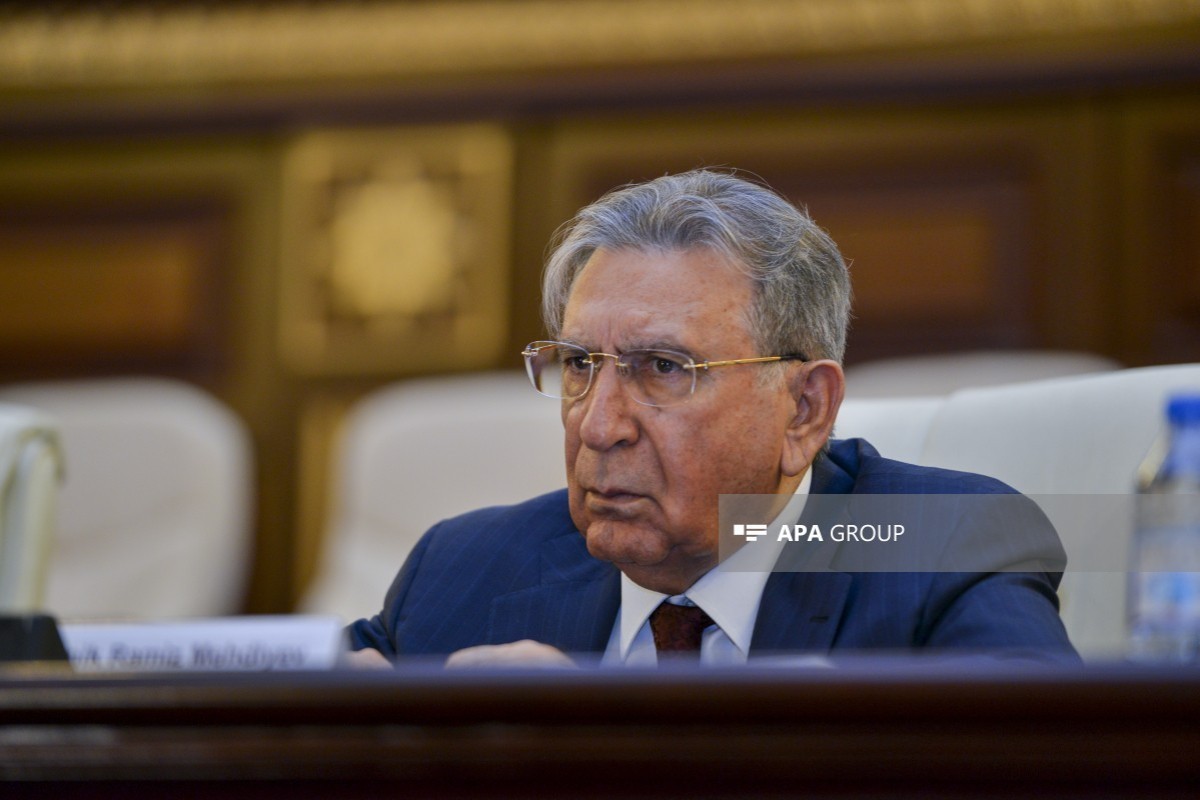
Ramiz Mehdiyev expelled from New Azerbaijan Party, deprivation of his awards proposed - UPDATED-4
01:09
 17 October 2026
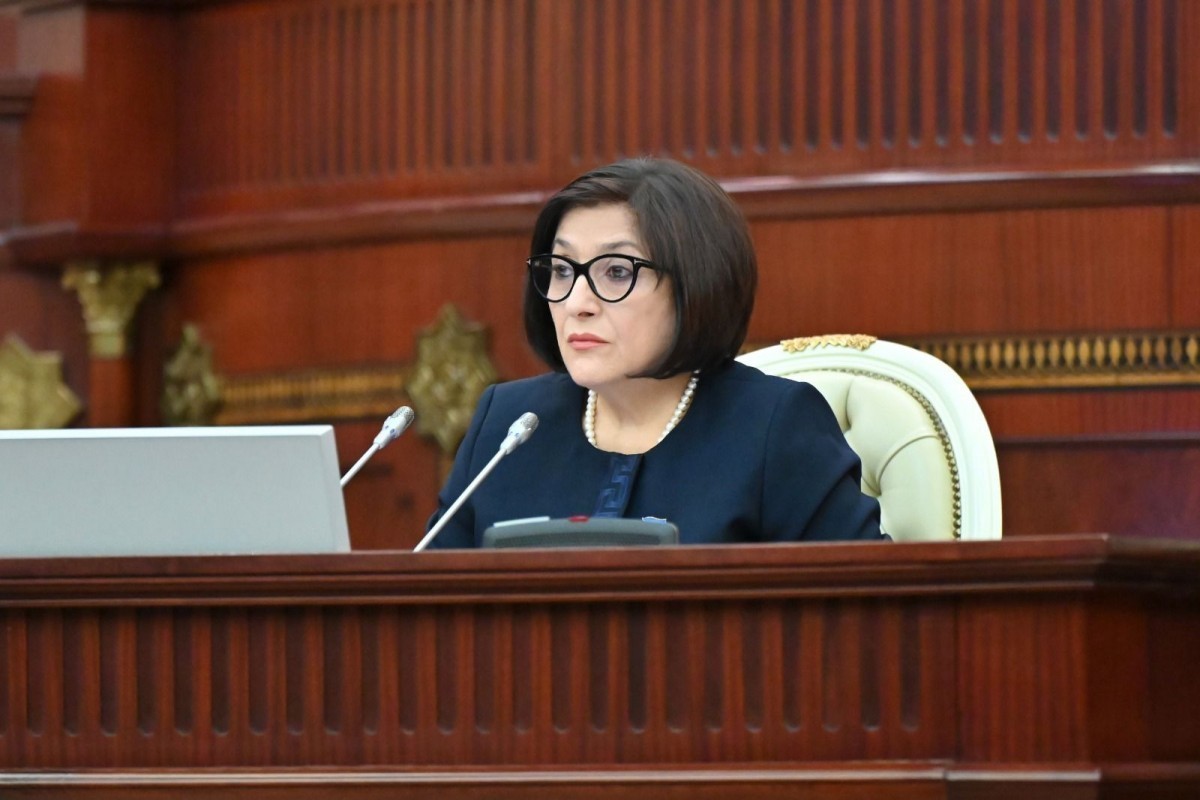
Speaker: Ilham Aliyev’s election as President in 2003 holds special place in country’s history
11:42
16 October 2026
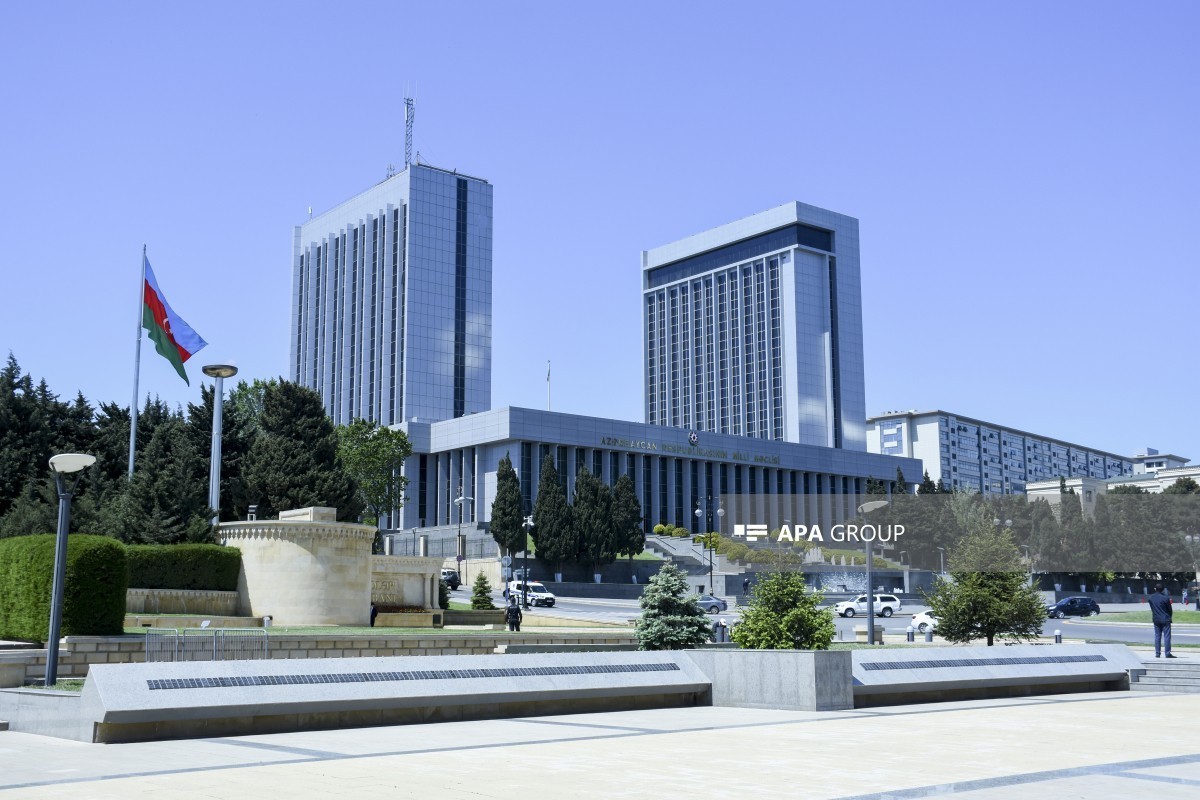
Azerbaijani Parliament sends congratulatory letter to President and First Vice-President on Independence Restoration Day
11:10
16 October 2026
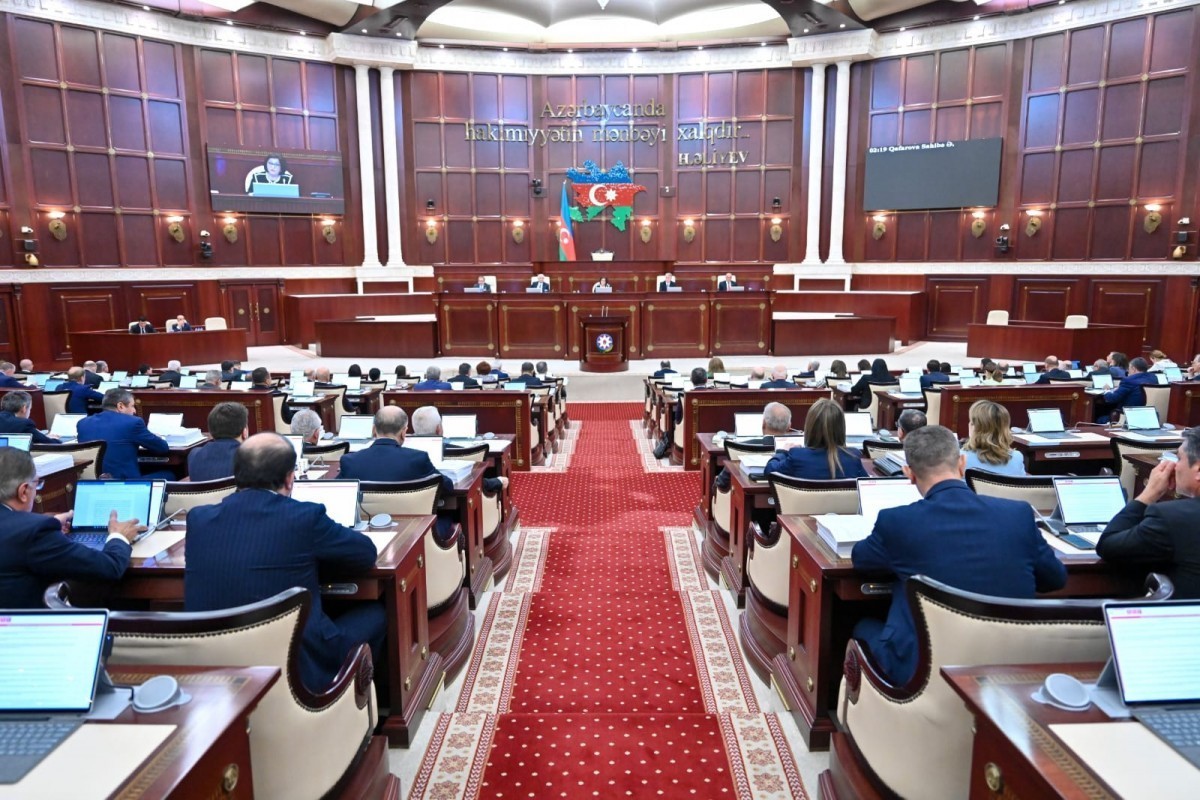
Azerbaijani Parliament begins its next session
11:05
16 October 2026

NEWS FEED
Russian strike on park in Kharkiv region kills six - UPDATED
19:37
19 October 2026
13-year-old boy suspected of stabbing teacher and pupil in Romania after TikTok posts
19:24
19 October 2026
Azerbaijan and UAE Air Force Commanders meet - PHOTO
19:13
19 October 2026
Five cases of mpox confirmed in St. Petersburg
18:56
19 October 2026
Ukrainian army strikes Russian radar station and ammunition depots
18:38
19 October 2026
Lavrov: Russia ready to help find solutions to Iran-US conflict
18:29
19 October 2026
Seven people suspected of calling for violent seizure of power in Azerbaijan placed on international wanted list
18:28
19 October 2026
Russia’s Lavrov discusses US war and regional security during Tehran visit
18:22
19 October 2026
Leyla Aliyeva pays visit to Turkmenistan
18:08
19 October 2026
Difficult tactical manoeuvres are performed during “Falcons Meet – 2026” exercise - VIDEO
18:06
19 October 2026
Ukrainian children brought to Azerbaijan visit Gabala and Sheki
18:03
19 October 2026
Azerbaijan-UAE military cooperation is discussed
18:02
19 October 2026
Houthis launch missile strike on military camp in Yemen, killing 53 - UPDATED
18:00
19 October 2026
Araghchi discusses regional and international issues with Lavrov
17:59
19 October 2026
Japanese ambassador to Azerbaijan completes diplomatic mission
17:53
19 October 2026
State Security Service detains organizer of car arson attacks in Masazir abroad
17:38
19 October 2026
Azerbaijan extends deadline for obtaining a construction permit for a solar power plant in Fuzuli
17:14
19 October 2026
Azerbaijan Press Council issues appeal to Turkish media outlets
17:13
19 October 2026
Next Global Assessment of Azerbaijan's National Statistical System underway
17:10
19 October 2026
Azerbaijan expands telecommunications infrastructure in Aghdara
17:09
19 October 2026
CBA and National Bank of Slovakia sign MoU
17:01
19 October 2026
Car exports from Georgia to Azerbaijan decline by 32%
16:46
19 October 2026
Swedish Embassy: Military cooperation between NATO and Azerbaijan is developing
16:42
19 October 2026
Georgia's trade turnover with Azerbaijan exceeds $1 billion this year
16:30
19 October 2026
Iranian and Russian foreign ministers meet in Tehran
16:28
19 October 2026
ANAS to consider removing Ramiz Mehdiyev from full membership - ANAS President
16:20
19 October 2026
Germany summons Iranian envoy over alleged attack plots against pro-Israel figures
16:16
19 October 2026
Azerbaijani citizens purchase 70 apartments in Türkiye last month
16:12
19 October 2026
Fitch Ratings CEO: Azerbaijan's financial resources support stability of manat exchange rate - INTERVIEW
16:09
19 October 2026
Qatar warns of risk of further deepening global energy crisis
15:59
19 October 2026
German ambassador visits Sumgayit
15:56
19 October 2026
Trump urges France to close its borders immediately
15:47
19 October 2026
European Commission rejects US proposal to resume gas purchases from Russia
15:39
19 October 2026
308,945 hectares cleared of mines in Jabrayil, Gubadli and Zangilan
15:37
19 October 2026
Working Group on mine and unexploded ordnance clearance holds meeting in Jabrayil
15:32
19 October 2026
French premier calls for localized curfews starting Monday evening amid unrest
15:28
19 October 2026
Lavrov visits Iran
15:12
19 October 2026
Azerbaijani Parliament speaker meets Kyrgyz parliament speaker - PHOTO
15:02
19 October 2026
Contraband discovered in Azerbaijani sector of Caspian Sea - PHOTO
14:58
19 October 2026
OIC updates four resolutions on Azerbaijan, Baghdad Declaration reflects normalization with Armenia
14:45
19 October 2026
Official Moscow: Unrest in Europe is heading towards chaos
14:39
19 October 2026
Inclusive Training and Education Center opens in Baku - PHOTO
14:34
19 October 2026
Azerbaijan discovers 254 mines and 631 UXO in liberated territories
14:32
19 October 2026
Peskov: Final agreement cannot be reached without Kyiv's participation
14:29
19 October 2026
Peskov says possible meeting between Putin, Trump and Xi Jinping has not been discussed in detail
14:22
19 October 2026
Number of Azerbaijani-invested companies in Georgia exceeds 5,500
14:20
19 October 2026
President Ilham Aliyev awards group of energy sector workers
14:18
19 October 2026
Cinema Agency warns: Those who record "44" film without permission may face legal liability
14:12
19 October 2026
Azerbaijan earns over $400,000 from silk exports this year
14:06
19 October 2026
Sybiha comments on Putin's proposal to meet with Trump and Xi Jinping to discuss war
13:35
19 October 2026


