












It was the largest theatre of war in history and was notorious for its unprecedented ferocity, destruction, and immense loss of life.
On June 22, 1941, at dawn, fascist Germany treacherously attacked the Soviet Union. Its aviation delivered mass air strikes on Soviet airfields, railway hubs, naval bases, places of dislocation of military units and major cities.
At 21.00 on June 21, a German soldier, Alfred Liskov, was detained when he crossed to the USSR territory.
Liskov said that he crossed the border voluntarily to say that Germans was going to move on the offensive at dawn.
Major Bychkovsky, commander of the 9th border group, immediately briefed Army #5 Commander Major General Potapovu about the information. However, Potapov doubted the report.
Mayor Bychkovsky remembers: "Because our translators were not good at German, I called a German teacher from the town. Liskov repeated his words that the Germans were preparing to move. Hardly had we finished questioning the soldier when I heard artillery fire. I realized that the Germans opened fire on our territory. Immediately, I stood up to report by telephone, but the link has been broken ..."
at 12.00 am on June 22, Molotov appealed to the nation on radio on behalf of the leadership and the Soviet Union to officially announce the start of the war.
The bloodiest war in human history began. It lasted for 1, 418 days and nights.
The German blitzkrieg, known as Operation Barbarossa, nearly succeeded in breaking the Soviet Union in the months that followed. Caught unprepared, the Soviet forces lost whole armies and vast quantities of equipment to the German onslaught in the first weeks of the war.
By the end of 1941, however, the German forces had lost their momentum. German movements were increasingly restricted by harsh winter weather, attacks from bands of partisans, and difficulties in maintaining overextended supply lines. After the Soviet victory at Stalingrad, the Germans lacked the strength to sustain their offensive operations against the Soviet Union. With a decisive superiority in troops and weaponry, Soviet forces drove into eastern Germany, capturing Berlin in May 1945. The war with Germany thus resulted in triumph for the Soviet Union.
67 years passes since the Nazi aggression against the Soviet Union

 22 June 2008 10:17 (UTC +04:00)


 İDMAN XƏBƏR
 Follow us on Telegram
 t.me/apanewsaz
 Follow us on Instagram
 Follow us on TikTok
 Follow us on Facebook
 Follow us on X
Domestic
Ramiz Mehdiyev expelled from New Azerbaijan Party, deprivation of his awards proposed - UPDATED-4
01:09
 17 October 2026
Speaker: Ilham Aliyev’s election as President in 2003 holds special place in country’s history
11:42
16 October 2026
Azerbaijani Parliament sends congratulatory letter to President and First Vice-President on Independence Restoration Day
11:10
16 October 2026
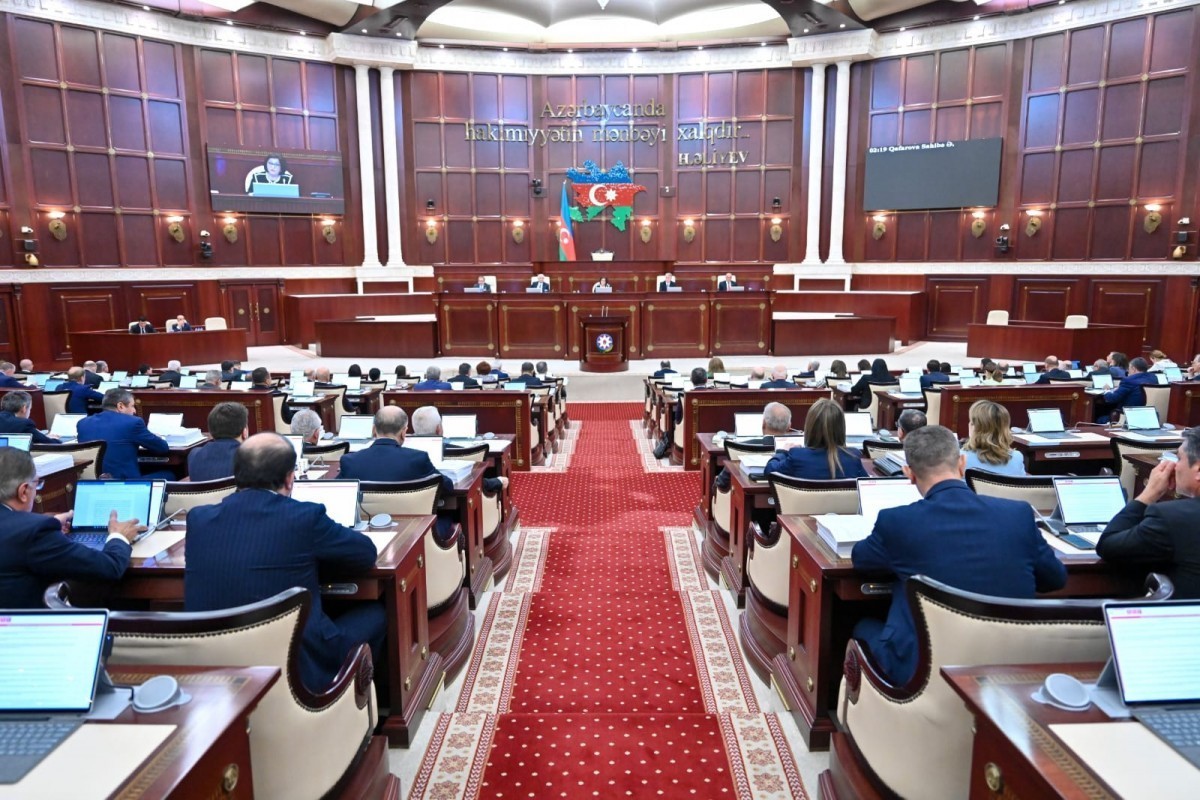
Azerbaijani Parliament begins its next session
11:05
16 October 2026

NEWS FEED
OIC updates four resolutions on Azerbaijan, Baghdad Declaration reflects normalization with Armenia
14:45
19 October 2026
Official Moscow: Unrest in Europe is heading towards chaos
14:39
19 October 2026
Inclusive Training and Education Center opens in Baku - PHOTO
14:34
19 October 2026
Azerbaijan discovers 254 mines and 631 UXO in liberated territories
14:32
19 October 2026
Peskov: Final agreement cannot be reached without Kyiv's participation
14:29
19 October 2026
Peskov says possible meeting between Putin, Trump and Xi Jinping has not been discussed in detail
14:22
19 October 2026
Number of Azerbaijani-invested companies in Georgia exceeds 5,500
14:20
19 October 2026
President Ilham Aliyev awards group of energy sector workers
14:18
19 October 2026
Cinema Agency warns: Those who record "44" film without permission may face legal liability
14:12
19 October 2026
Azerbaijan earns over $400,000 from silk exports this year
14:06
19 October 2026
18 killed in Houthi attack on Yemeni government military camp in Shabwa, sources say
13:55
19 October 2026
Sybiha comments on Putin's proposal to meet with Trump and Xi Jinping to discuss war
13:35
19 October 2026
Death toll from floods in Türkiye rises to 9
13:33
19 October 2026
Twelve migrants, including infant, drown as boats capsize off Greek islands - UPDATED
13:24
19 October 2026
Georgia proposes establishing joint expert group with Azerbaijan
12:37
19 October 2026
Russian plane that issued distress signal over Kazakhstan lands at Omsk airport - UPDATED
12:29
19 October 2026
Earthquake hits Azerbaijan's Ismayilli district
12:26
19 October 2026
Georgian Patriarchate: Our relations with Azerbaijan are based on mutual respect
12:21
19 October 2026
Zelenskyy: We received no early warning from our partners about Russia's attacks last night
12:01
19 October 2026
Georgian analyst: Tbilisi and Baku should turn the region into a capable geopolitical player
11:59
19 October 2026
Qatar to announce new regional military partnership
11:58
19 October 2026
Earthquake occurs in Caspian Sea
11:56
19 October 2026
Ambassador: Strong political dialogue established between Azerbaijan and Georgia
11:30
19 October 2026
President Ilham Aliyev appoints Anar Bayramov as Azerbaijan's health minister
11:28
19 October 2026
Azerbaijan dismisses Health Minister Teymur Musayev
11:26
19 October 2026
Azerbaijan transfers TABIB to Ministry of Health
11:22
19 October 2026
France's Macron declines interior minister's offer to resign
11:21
19 October 2026
Reshuffle expected in Russian government
11:16
19 October 2026
Azerbaijan exports nearly $9 billion worth of oil to more than 10 countries this year - LIST
11:08
19 October 2026
Azerbaijan imports nearly 700 electric vehicles in nine months
11:05
19 October 2026
Araghchi urges Macron to listen to French public's demands for change
11:01
19 October 2026
Azerbaijan's total exports to Armenia over nine months revealed
10:54
19 October 2026
World Bank to increase funding for Baku to $500 million
10:48
19 October 2026
Azerbaijan's foreign trade surplus increases nearly sixfold
10:43
19 October 2026
Latvia bans import of green tea to EU from Armenia
10:41
19 October 2026
Rubio explains why US suspended sanctions against Russia
10:13
19 October 2026
Gold and silver prices rise on commodity markets
10:05
19 October 2026
Rubio says Ukraine and Russia should be focused on ending the war
10:04
19 October 2026
Natural gas prices decline on New York exchange
09:59
19 October 2026
Oil prices decline on global markets
09:43
19 October 2026
US resumes intelligence-sharing with Ukraine after pause, Zelenskyy says
09:09
19 October 2026
Sergey Lavrov to meet Iranian foreign minister in Tehran
08:55
19 October 2026
Bitcoin price exceeds $82,000
08:52
19 October 2026
Oil tanker catches fire south of Strait of Hormuz after reported mine strike
07:39
19 October 2026
Four soldiers killed, 39 injured in fire at Canadian military base
06:40
19 October 2026
Zelenskyy says Trump is pushing Ukraine to capitulate to Russia
01:55
19 October 2026
Trump: Zelenskyy's attacks on Russian refineries are seriously harming global diesel markets
01:41
19 October 2026
Lazio crushed Juventus and caught up with Inter in the Italian football championship
01:16
19 October 2026
US leader announced progress in Ukraine talks
00:55
19 October 2026
US resumes intelligence-sharing with Ukraine after pause, Zelenskyy says
00:29
19 October 2026


