











Foreign Minister of Norway Jonas Gahr Store’s exclusive interview to APA
-How do you value the relations between Azerbaijan and Norway in the political, economical, social and cultural sphere? What are their perspectives?
- Relations between Azerbaijan and Norway are good, based on cooperation in fields ranging from oil-and gas-extraction to cultural exchange. I am looking very much forward to welcoming your Minister of Foreign Affairs, Mr. Elmar Mammadyarov, in Norway soon. We appreciate your Government’s wish for closer political relations and enhanced cooperation politically as well as commercially. I can assure you that we are committed to strengthening our bilateral ties.
Norway has been involved in the Azerbaijani oil and gas-sector since 1994. Today StatoilHydro is the second biggest foreign investor in Azerbaijan, and it is involved in the development of several major oil-and gas projects as well as in the operation of the Baku-Tbilisi-Ceyhan and South Caucasus Gas pipelines. StatoilHydro is currently seeking opportunities to broaden their participation in the Caspian region. We put a lot of emphasis on the continuation and strengthening of our cooperation in the energy sector, including on competence building, climate and environment efforts, and in the work to promote transparency in the management of revenues from this field.
Norway appreciates the good cooperation with Azerbaijan on the Extractive Industries Transparency Initiative (EITI), where we now work jointly to promote this initiative in the international arena. We think the issue of transparency in the petroleum economy is vital in order to ensure that the riches of the petroleum age will be a true blessing for Azerbaijan.
Norway is also involved in a number of social projects in Azerbaijan. The Norwegian Refugee Council has been active in Azerbaijan since 1995, providing shelter, human rights education and legal counselling to internally displaced persons. The Norwegian Red Cross has cooperated with the Azerbaijani Red Crescent Society for many years and the Norwegian Humanitarian Enterprise is promoting income generation and agricultural cooperation. In addition the Norwegian Embassy administers a fund supporting local organizations in the fields of democracy building, promotion of human rights, environmental issues and culture. We intend to continue our support to civil society and welcome Azerbaijan’s efforts towards democratic reform.
In the cultural sphere, I am pleased to say that the very successful exhibition "Caravanserai", of Azerbaijani history and culture, in Stavanger, as well as the Norwegian State Opera’s visit to Baku have strengthened our cultural cooperation. Norway wishes to expand cooperation also within research and education. In this context, I would like to mention that the Azerbaijani minister of culture and tourism, Mr. Qarayev, visited Norway earlier this year.
-What is Norway’s opinion on the conflict in Nagorno-Karabakh?
- The conflict over Nagorno-Karabakh is a tragedy for Azerbaijan as well as for the whole region. We sincerely hope that the negotiation efforts will succeed to open the way for return of internally displaced persons and a new age for regional cooperation in the South Caucasus.
Norway supports the territorial integrity of Azerbaijan. We also support the Minsk group’s efforts, and recent beginning of contact between academicians and artists of the two countries. The ongoing round of negotiations is a very important one, placing a great deal of responsibility on both parties to move forward.
-The Norwegian Refugee Council is going to stop its activity in Azerbaijan next year. What is the reason for that? Is it possible to continue their work here?
- The Norwegian Refugee Council (NRC) is an independent NGO making its own decisions, so I can not talk on behalf of them. However, as Azerbaijan is in the development stage, and NRC is primarily an emergency organization for internally displaced persons and refugees (IDPs), the Azerbaijani state has developed its capacity and has the funds to implement projects in the fields where NRC usually operates. The pending challenges, such as health, income generation and poverty reduction, mostly fall outside NRC’s normal field of activity.
Some of NRC’s projects have already been transferred to other agencies in 2006 and continue successfully today. The project aiding Chechen refugees will be transferred to the Danish Refugee Council whereas the legal aid-project will continue under the umbrella of a local NGO. Recognizing the need for improved capacity of governmental and non-governmental actors in tackling IDP-related issues, NRC has suggested exploring possibilities for transfer of competence, based on specific needs defined by the Government of Azerbaijan. NRC is in contact with the Azerbaijani authorities and the UNHCR on this.
- The Azerbaijani and Norwegian Diplomacy Academies have signed a document about cooperation. Is it in the perspective for any other education organizations of the two countries to start the cooperation?
-The cooperation between academic institutions in Azerbaijan and Norway is exciting and growing. I met with the Director of the Azerbaijani Academy and I am very impressed about its significant progress. The agreement between our Diplomatic Academies has already produced two joint courses here in Baku, and more will follow. I expect both parties to learn from this exchange in training diplomats. There is also an ambitious cooperation established between the Azerbaijani State University of Languages and the Norwegian Centre for International Cooperation in Higher Education, drawing upon academic resources at the Universities of Agder and Oslo. As a result, students in Baku are already learning Norwegian. Likewise, there is an exchange program between the Xhasar University in Baku and the Norwegian School of Management, and between the State Oil Academy of Azerbaijan and the Norwegian University for Science and Technology in Trondheim. I see great prospects for further academic cooperation between our two countries.
-Some Azerbaijani citizens are staying in Norway illegally – some of them tried to get political asylum. What is the Norwegian Government going to do with them?
- Having an application for political asylum turned down, means that the asylum seeker has to leave the country. During the handling of the case, the Norwegian Directorate of Immigration considers whether the applicant is at risk of persecution upon return to his or her home country and if he or she is in need of protection in Norway. When a person is considered not to be in need of protection, the immigration authorities always consider whether there are sufficiently strong reasons for granting him or her residence permit based on humanitarian grounds. However, if these reasons are not found, the asylum seeker has to leave the country.
-Norway has always been supportive of Azerbaijani democracy. Do you believe Azerbaijan can have free and fair elections in 2008? Will Norway send any observers?
- I believe that Azerbaijan is able to conduct free and fair elections, and I sincerely hope that will be the case. This is the expectation we have of all members of the OSCE and the Council of Europe. The conduct of a free and fair election process in accordance with legislation based on internationally accepted international principles is fundamental to any democratic society. Whether elections are held in a transparent and open manner, is a question of political will. Norwegian observers have monitored elections in Azerbaijan before, and we would, if asked, be happy to contribute with observers during the elections in 2008.
-StatoilHydro is operating very actively in Azerbaijan. Are there any other companies that would like to work in our country?
- Although StatoilHydro is by far the largest Norwegian company operating in Azerbaijan, it is certainly not the only one. The Norwegian Veritas is active in risk evaluation in the petroleum sector, Aker Kværner, AGR Subsea AS and Nymo in offshore drilling. The environmental laboratory Akvamiljo Caspian offers environmental surveys and laboratory services to oil companies and others. Wenaas manufactures protective clothing and gear. StatoilHydro is the â€locomotive†for Norwegian business interests in Azerbaijan. I am convinced that they have, and will continue to - pave the way for other businesses wanting to invest outside the petroleum sector in Azerbaijan. But, of course, much depends on the investment climate in a broad sense. For instance, Azerbaijani membership of the WTO would increase transparency and international competition, which would be good for the country, too.
-What do you think about the perspectives of Nabucco project? Do you think the whole pipeline and Azerbaijani gas particularly can be a competitor for Norway gas?
-I think the Nabucco project is an interesting idea and that it would enhance energy security in Europe. We should not forget, however, that already today Azerbaijani gas is actually reaching the European market, through the South Caucasus Pipeline going through Turkey and further on. The crucial question is whether there is indeed enough gas for a large-scale project such as Nabucco.
Norwegian and Azerbaijani gas enters the European market in places far apart from each other. Besides, the European need for gas seems to be growing at such a rate that no producer will face problems in selling their gas.
-What does Norway think about GUAM organization? Would you like to start cooperation with it?
- Norway welcomes GUAM’s efforts at peaceful and democratic cooperation between neighbouring states and hopes this organization can contribute to a stable, secure and economically viable development for the member states. Norway has a long history of regional cooperation with its Nordic, Scandinavian and Baltic neighbours. We consider the possible cooperation and exchange of experience with other regional groups to be interesting. /APA/
Foreign Minister of Norway: Azerbaijan is able to conduct free and fair elections – EXCLUSIVE

 04 December 2007 11:20 (UTC +04:00)



 İDMAN XƏBƏR
 Follow us on Telegram
 t.me/apanewsaz
 Follow us on Instagram
 Follow us on TikTok
 Follow us on Facebook
 Follow us on X
Domestic
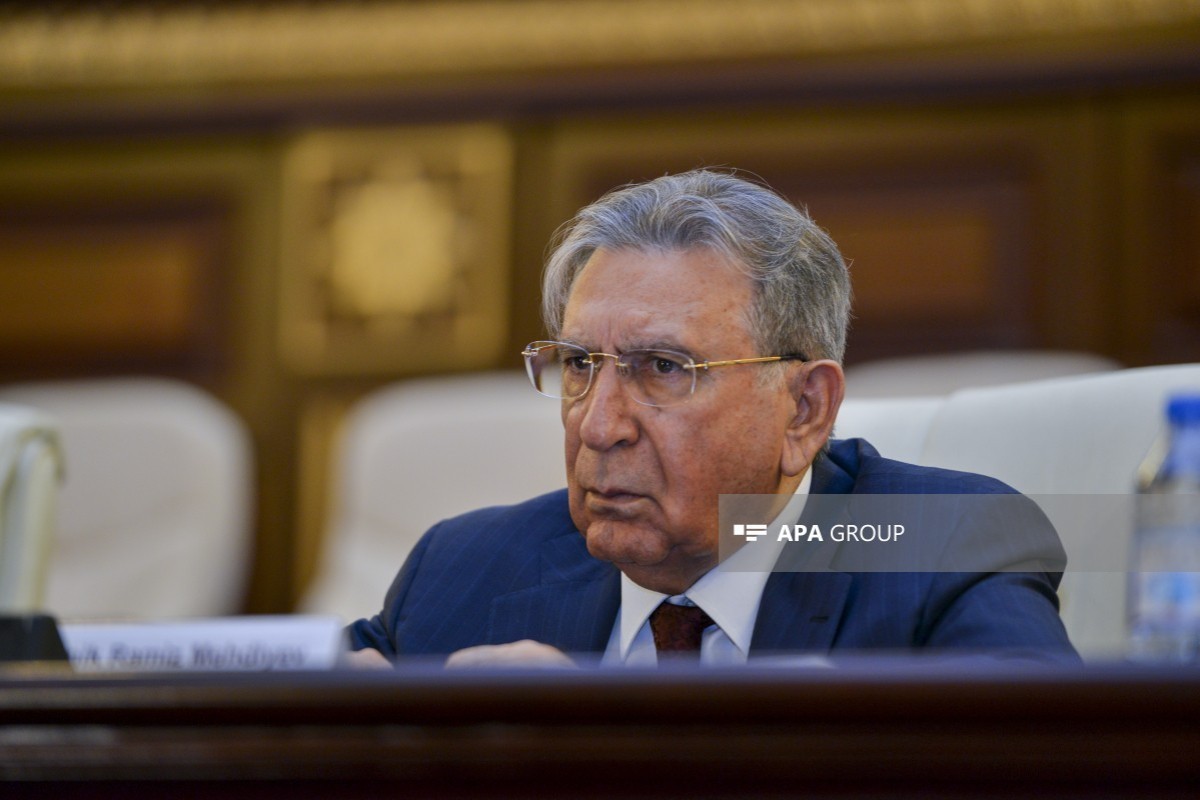
Ramiz Mehdiyev expelled from New Azerbaijan Party, deprivation of his awards proposed - UPDATED-4
01:09
 17 October 2026
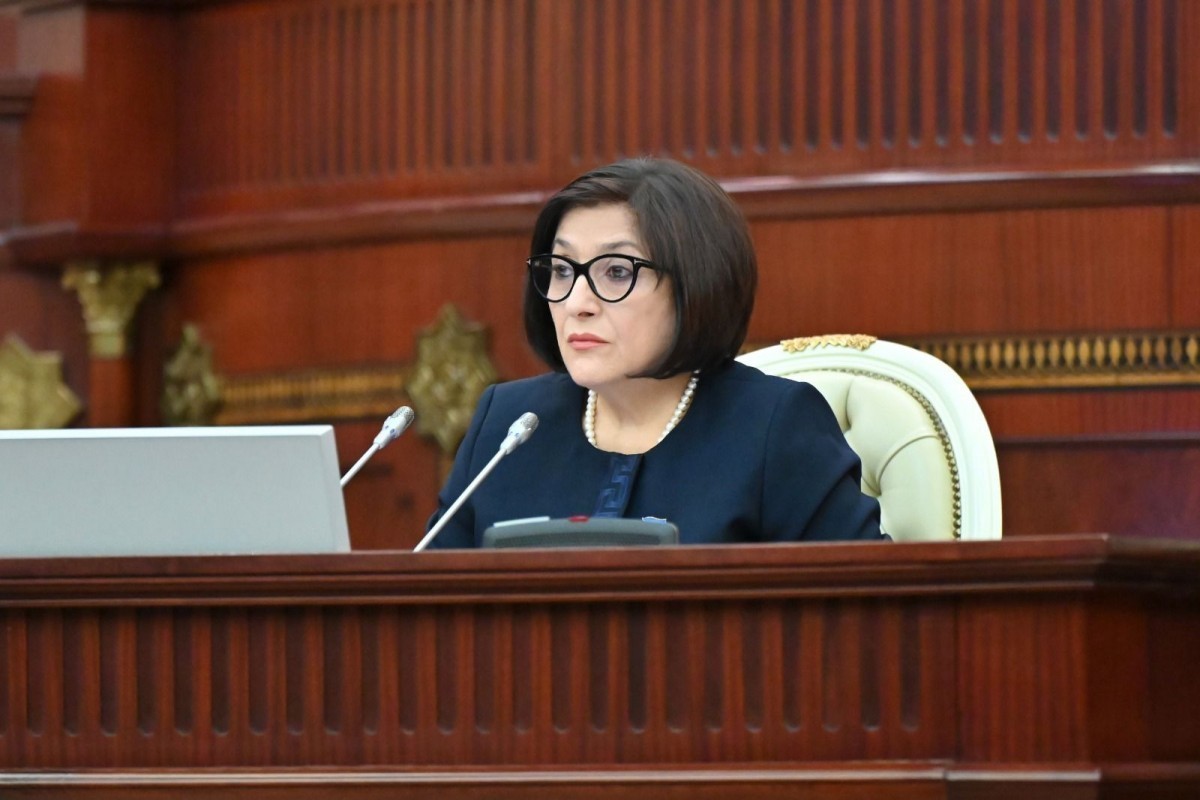
Speaker: Ilham Aliyev’s election as President in 2003 holds special place in country’s history
11:42
16 October 2026
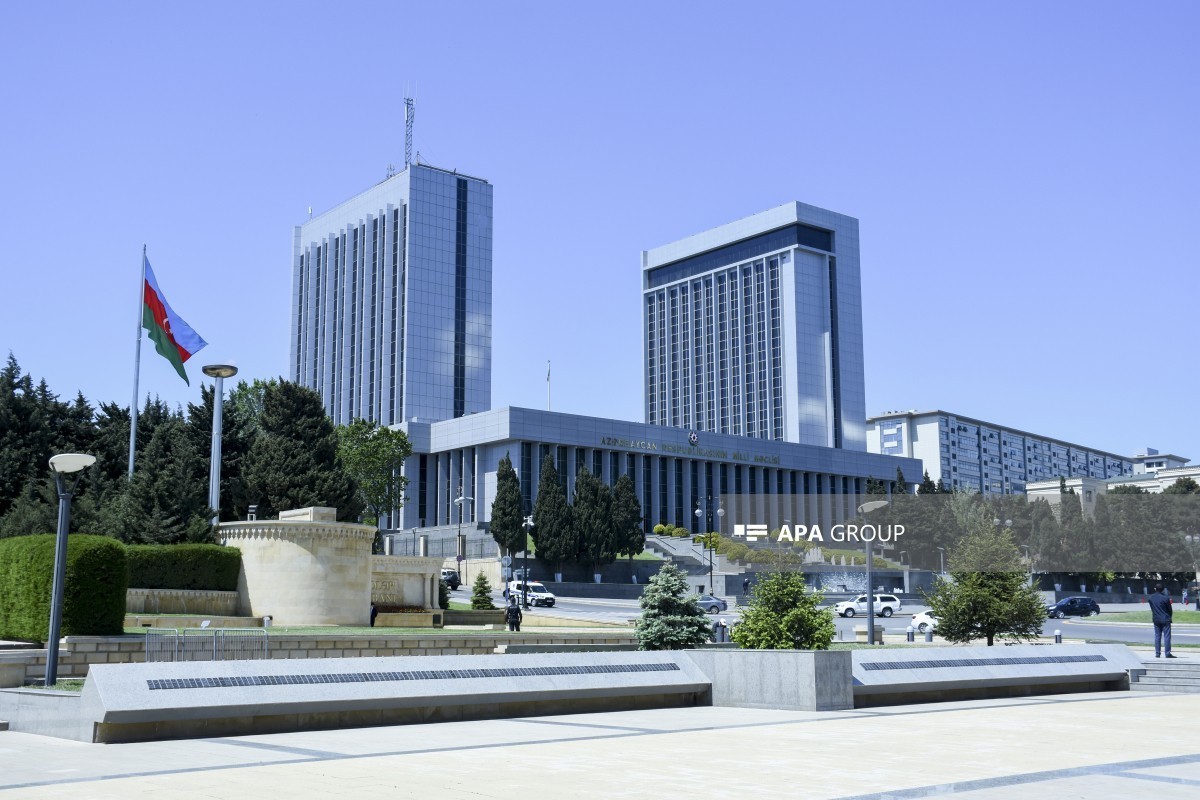
Azerbaijani Parliament sends congratulatory letter to President and First Vice-President on Independence Restoration Day
11:10
16 October 2026
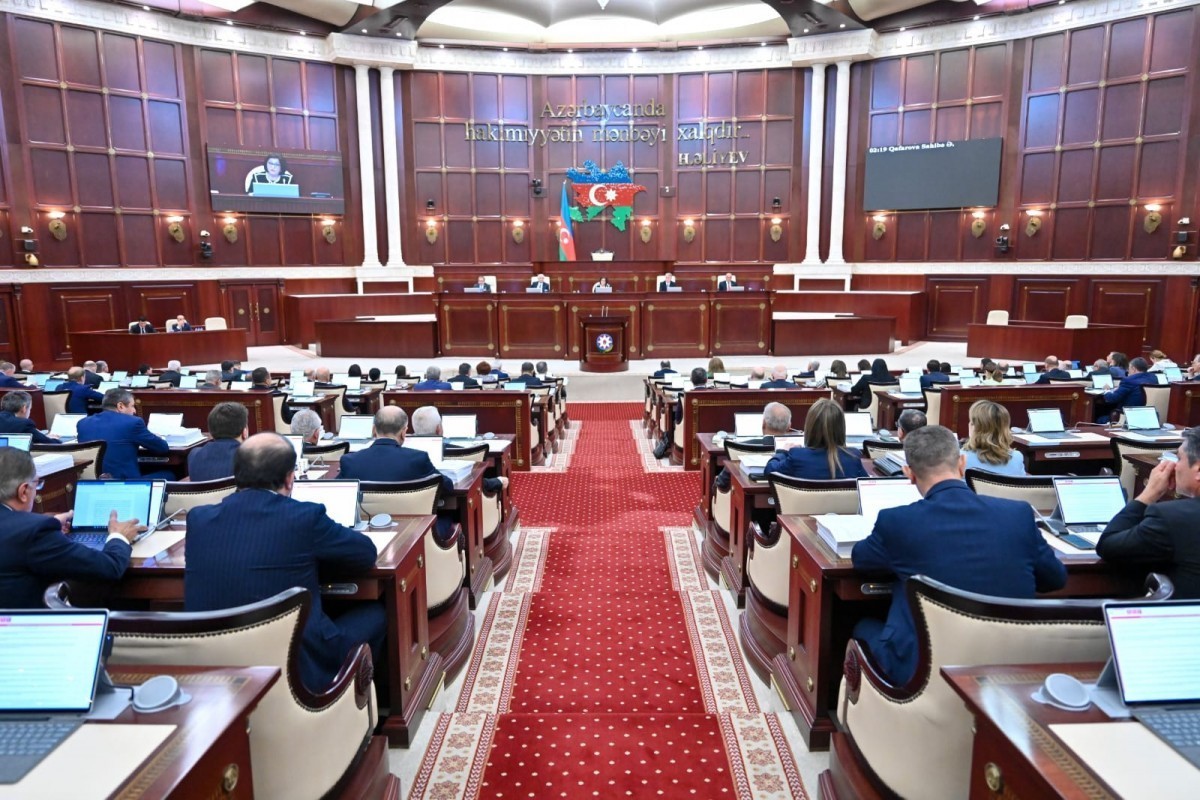
Azerbaijani Parliament begins its next session
11:05
16 October 2026

NEWS FEED
Turkish Foreign Ministry congratulates Azerbaijan on Restoration of Independence Day
11:29
18 October 2026
Ukraine currently lacks access to Starshield military communications system — Rubio
10:48
18 October 2026
Lithuanian foreign minister congratulates Azerbaijan on Restoration of Independence Day
09:31
18 October 2026
First VP Mehriban Aliyeva makes post on Restoration of Independence Day
09:01
18 October 2026
Saudi-led coalition says helicopter crash in Najran kills two crew members
08:10
18 October 2026
EU spending on Russian LNG imports rises 9.5%
06:38
18 October 2026
Trump’s decision to delay Russia sanctions draws bipartisan criticism in Congress
05:40
18 October 2026
Man shot and killed inside New York City subway station in Midtown Manhattan: NYPD
01:44
18 October 2026
Moscow mayor says nearly 200 Ukrainian drones destroyed while heading for city
01:23
18 October 2026
Trump accused Biden of handing over huge amount of weapons to Kyiv for free
00:55
18 October 2026
19 people detained for attempting to incident among fans during Qarabag–Neftchi match
00:46
18 October 2026
Azerbaijan marks 6th anniversary of Khudaferin village's liberation
00:00
18 October 2026
Azerbaijan marks 35 years since restoring independence
00:00
18 October 2026
US President expects gasoline prices to fall after the war with Iran ends
23:43
17 October 2026
Macron promised to punish those responsible for violence during protests in France
23:34
17 October 2026
Bayern Munich thrashed Leipzig 6-1 in a German championship match
23:02
17 October 2026
Trump: 'Amazing' Canada deal coming at some point
22:50
17 October 2026
Barcelona thrashed Betis thanks to Rodri's debut goal
22:45
17 October 2026
Iran and Pakistan temporarily suspended border crossings
22:10
17 October 2026
Kenya’s Ebola cases rise to 7, including health workers who cared for the first patient
21:53
17 October 2026
Match between Azerbaijani football clubs Neftchi and Qarabag ends with draw
21:30
17 October 2026
Merz warns of serious political rift in Germany
21:17
17 October 2026
Clashes on Pakistan-Afghanistan border leave fatalities
21:06
17 October 2026
Sounds of explosions heard in southern Iran, near Strait of Hormuz
20:30
17 October 2026
Galatasaray beat Genclerbirligi, Batrakov played the entire match
20:09
17 October 2026
French police clash with protesters as tens of thousands rally over cost of living
19:50
17 October 2026
Former White House press secretary calls working with Trump honor after leaving
19:26
17 October 2026
Pope Leo XIV discharged from hospital - UPDATED
18:35
17 October 2026
Hurricane Trudy threatens western Mexico with heavy rain, coastal flooding
18:25
17 October 2026
Fire destroys over 200 shacks in S. Africa's KwaZulu-Natal
18:09
17 October 2026
At least 10 killed in fire at Bangladesh beach resort
17:41
17 October 2026
Houthis release 159 prisoners affiliated with Yemeni government
17:26
17 October 2026
Tear gas, clashes hit French cities in cost-of-living protests
17:17
17 October 2026
Protest held in Kyiv demanding Klitschko's resignation
16:42
17 October 2026
Iranian FM: We have proposed seven-day plan to US to reopen Strait of Hormuz, choice is theirs
16:35
17 October 2026
Fuzuli City Day celebrated - PHOTO
16:10
17 October 2026
Zelenskyy believes US will continue lifting sanctions against Russia
15:53
17 October 2026
Azerbaijan's President awards Sharaf Order to Valeh Alasgarov
15:35
17 October 2026
Next phase of “Falcons Meet – 2026” exercise conduct training flights - VIDEO
15:00
17 October 2026
Two dead, three injured in car accident in Azerbaijan's Bilasuvar
14:32
17 October 2026
Azerbaijan plans to resettle residents in two Fuzuli villages by year-end
14:20
17 October 2026
NATO training course concludes in Baku - VIDEO
14:12
17 October 2026
Egypt’s Sisi says presidential term will end in 2030, rules out constitutional changes
13:58
17 October 2026
Mayor: Air defense systems shoot down 144 Ukrainian drones approaching Moscow overnight
13:28
17 October 2026
Zelenskyy expresses regret over Trump's decision to suspend new sanctions against Russia
13:25
17 October 2026
5.2-magnitude quake hits Off Coast of Ecuador - GFZ
13:11
17 October 2026
Azerbaijan announces value of electricity, gas and steam production
12:44
17 October 2026
Eight dead in W. India road mishap
12:30
17 October 2026
Former Ukraine national team footballer killed in war
11:55
17 October 2026
One killed, another injured in Ukrainian drone attacks on Belgorod
11:52
17 October 2026


