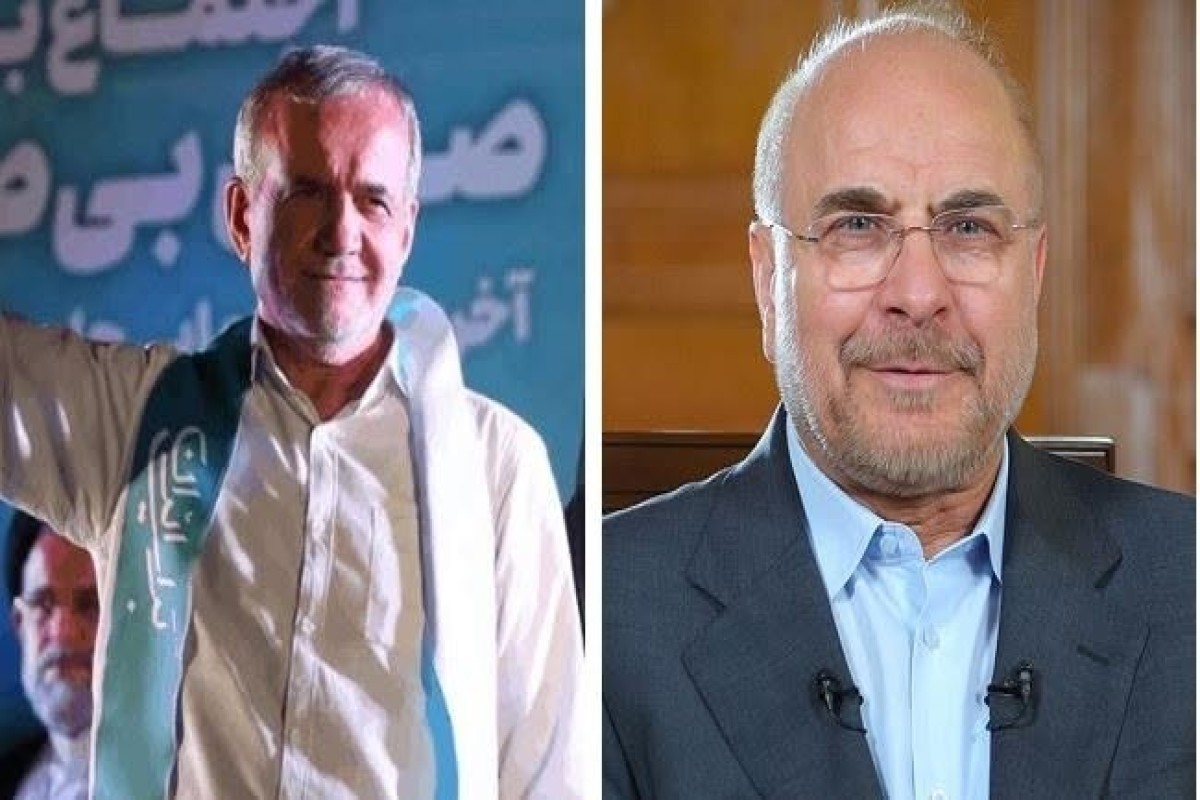
Baku-APA. In an evening in late June, Yasir al-Nuaimi draped an Iraqi flag over his shoulder and headed out to watch a soccer match being shown on television at a cafe in western Baghdad. The 20-year-old told his mother to pray for his team to win.
Later that night a bomb hidden inside a grocery bag tore through the cafe where he and other football fans had gathered to watch the Iraqi national youth team play against Egypt.
One minute the men were cheering for their team and the next screaming in terror and pain, witnesses said, APA reports quoting Reuters.
"Why did they kill my young son?" Yasir's father Ahmed said. In tears, he sat in the family home holding Yasir's Iraqi flag, stiff with his son's dried blood.
"He was only watching a game! They killed me and his mother too, not just him. They broke our hearts."
Iraqis have endured extreme violence for years, but since the since the start of 2013 the intensity of attacks on civilians has dramatically increased, reversing a trend that had seen the country grow more peaceful.
Attacks have spread to some of the few places left for public entertainment, turning Baghdad into a giant fortified prison of concrete blast walls, where once again few now dare to socialize in public.
The attacks have raised fears of a return to full-blown sectarian conflict in a country where ruling Shi'ites and minority Sunni Muslims and Kurds have yet to find a stable way of sharing power.
More than 1,000 Iraqis were killed in July, the highest monthly death toll since 2008, the United Nations said last week.
The past four months have all had higher death tolls than any in the five years before April, leading the Interior Ministry to declare last week that Iraq was now once again in "open war", 18 months after U.S. troops pulled out.
Most of the violence has been perpetrated by the Iraqi wing of al Qaeda, the strict Sunni Muslim jihadi group which was defeated by U.S. forces and their allies in 2006-2007 but has been reborn this year to battle the Shi'ite-led government.
Strict Islamists of both major sects are hostile both to sport and to cafes where women and men mix in social situations.
Sectarian tensions have also escalated as a result of the civil war in neighboring Syria, where Iraq's al Qaeda branch has merged with a powerful Sunni Islamist rebel force fighting to overthrow a leader backed by Shi'ite Iran.
"Insurgents now are changing rules of the game," said Ali al-Bahadli, a former Iraqi army general and military analyst who works as an adviser to the Ministry of Defense.
"With the recent attacks of cafes and football pitches, the message is directed at civilians is that security forces are unable to protect you."


 Follow us on Telegram
 t.me/apanewsaz
 Follow us on Instagram
 Follow us on TikTok
 Follow us on Facebook
 Follow us on X

 PHOTO'>