













Baku – APA. Yemen accused Shi’ite rebels on Tuesday of breaching a truce in the north and the country’s main southern city was hit by small blasts, testing the government as it strives to maintain stability, APA reports quoting “Reutersâ€.
Separately, a government official said tests on the remains of five people recovered in northern Yemen this week showed they were not Europeans taken hostage in the north last year.
Yemen’s supreme security committee said northern rebels were dragging their heels on implementing a ceasefire deal struck with Sanaa in February to end fighting that drew in neighboring top oil exporter Saudi Arabia.
"The (rebels) returned again to some sites after leaving, established new checkpoints, and committed numerous violations and attacks on citizens and some public and private installations," Yemen’s state news agency reported the committee as saying.
The rebels were also refusing to hand over landmines removed from the conflict zone which were supposed to be destroyed by the state, the agency said.
Sanaa came under intense international pressure to end its northern war after a failed attempt by the Yemen-based regional arm of al Qaeda to blow up a U.S.-bound plane in December.
Analysts say the truce agreement between the government and rebels, who belong to the minority Zaydi sect of Shi’ite Islam, was unlikely to last as it does not address the insurgents’ complaints of discrimination by Sanaa.
On their website, the rebels, known as the Houthis after the family name of their leader, said military units and local officials had entered unhindered a number of northern areas on Monday, including Malahith, Razih and al-Zaher.
"These steps come as we confirm that we do not interfere with matters of the local authorities, and that we have never done so and never will," rebels said in a statement posted on Monday.
Western governments and neighboring Saudi Arabia, the world’s biggest oil exporter, fear al Qaeda is exploiting instability on many fronts in Yemen to recruit and train militants for attacks in the region and beyond.
BLASTS HIT SOUTHERN CITY
Sanaa is also struggling to contain growing violence in its south, where secessionists are seeking independence from the rule of President Ali Abdullah Saleh. Clashes between protesters, often armed, and security forces in have left a trail of dead and wounded on both sides.
A series of small explosions hit Yemen’s main southern city of Aden late on Monday, prompting a heavy deployment of government troops, a local official told Reuters on Tuesday.
The explosions were likely caused by firebombs, the official said, describing the perpetrators as "saboteurs." Local media attributed the blasts to grenades or locally made explosives.
There were no reports of deaths or injuries.
North and South Yemen united in 1990, but many in the south -- home to most of Yemen’s oil industry -- complain northerners have seized resources and discriminate against them.
Since the botched plane bombing in December, Yemen has stepped up its fight against al Qaeda. The government said it had launched air strikes in recent days against what it said are al Qaeda militants in the southern part of the country.
State media said on Tuesday three militants were killed in a Sunday raid on the southern province of Abyan, including Jamil al-Anbari, identified by police as a local leader of al Qaeda.
Opposition media had reported that at least six people had died and 23 were wounded in Sunday’s attack.
In Sanaa, a Yemeni government official told Reuters that tests on five bodies recovered in northern Yemen this week showed they were the remains of Somalis, not of Europeans taken hostage in the north last year.
The tests were carried out by Yemeni authorities with the help of foreign experts, the official told Reuters, without elaborating.
A German family of five and a Briton are missing in Yemen, held by kidnappers who the government believes have links to al Qaeda. They were among a group of nine foreigners kidnapped in the northern region of Saada last June, of which three women -- two Germans and a South Korean -- were later found dead.
No group has claimed responsibility for the abduction, which occurred in an area where Shi’ite rebels have been fighting government troops on and off since 2004. The rebels have denied involvement.


 Follow us on Telegram
 t.me/apanewsaz
 Follow us on Instagram
 Follow us on TikTok
 Follow us on Facebook
 Follow us on X
Africa
Two killed, five injured in shooting in S. Africa
 16:09
16:09
 14 October 2026
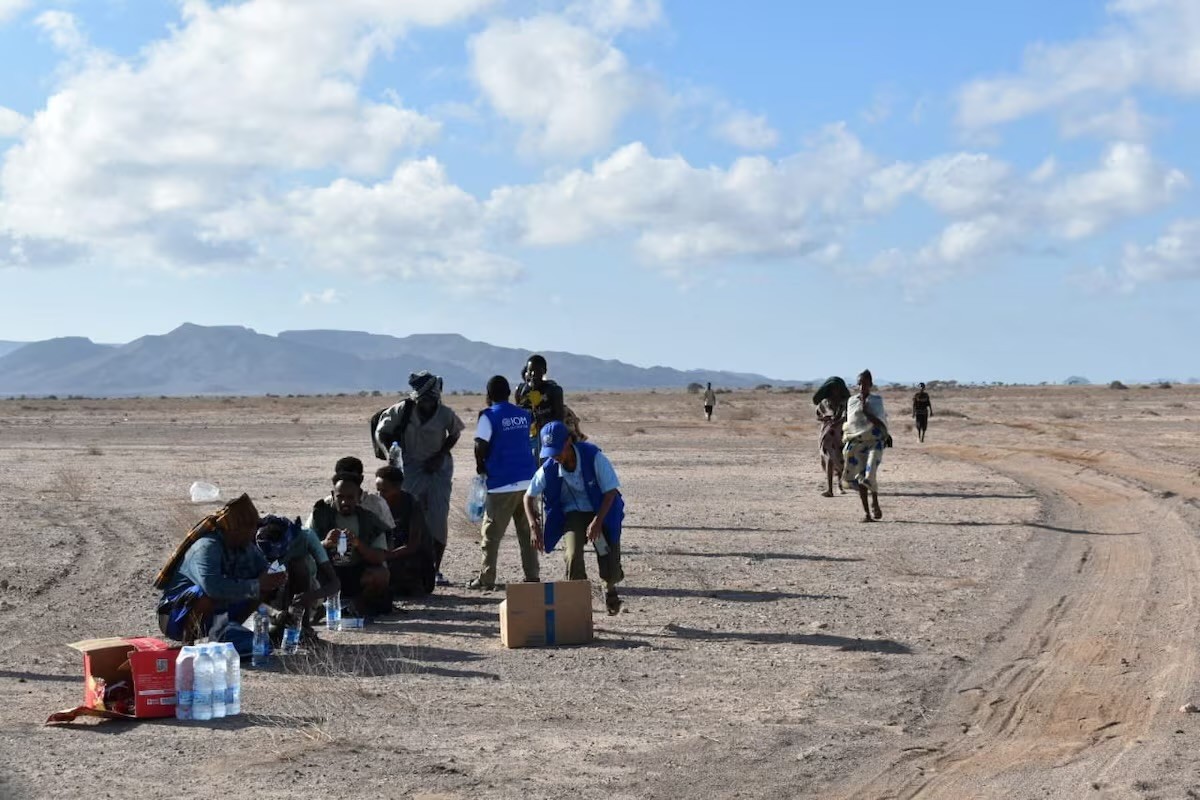
At least 139 migrants dead, including some children, after boat from Djibouti to Yemen capsizes, UN agency says
21:17
11 October 2026

Central African Republic foils planned large-scale militant attack
07:04
11 October 2026
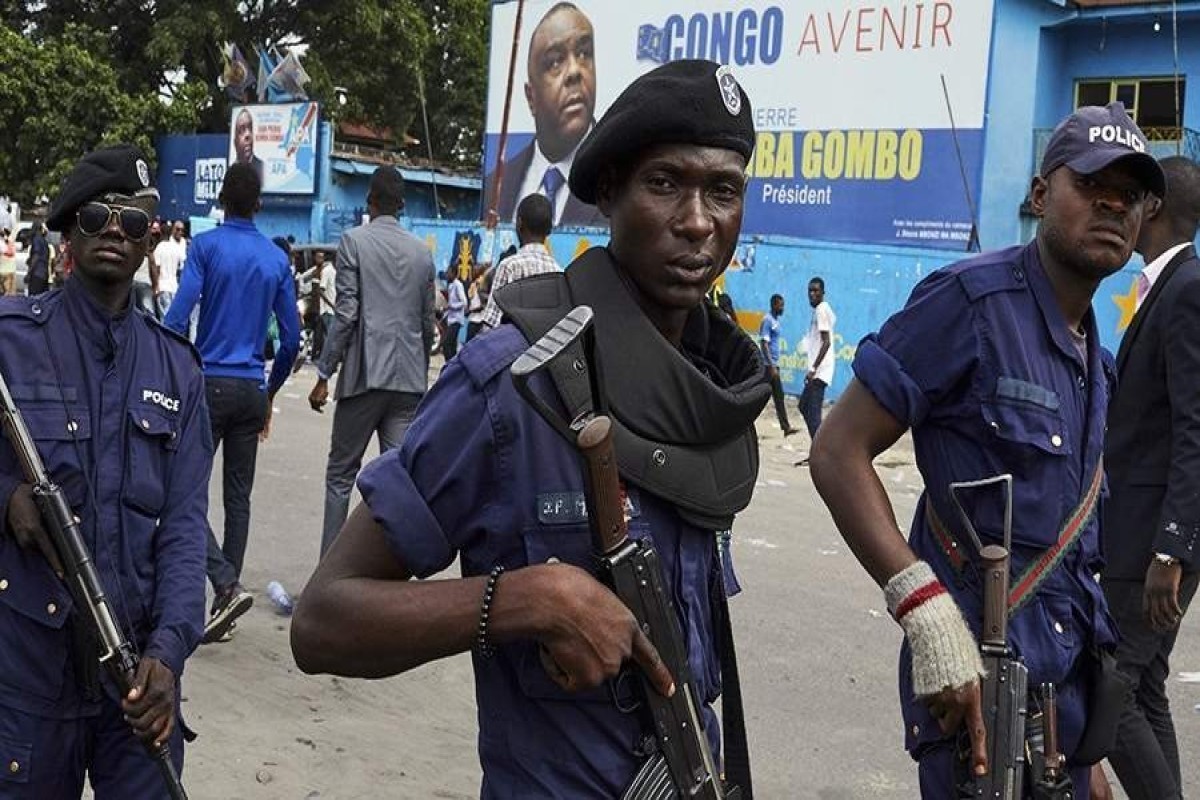
Rebel attack kills 11 civilians in DR Congo
05:16
11 October 2026

NEWS FEED
US proposes partial unfreezing of Russian assets to revive Ukraine talks — FT
07:02
15 October 2026
More than 40 flights to Istanbul have been diverted to other airports
04:09
15 October 2026
Houthis claim hit on Saudi fighter jet
03:41
15 October 2026
US destroys Iran-linked ship in Gulf of Oman
02:37
15 October 2026
Aston Villa beat Fenerbahce 6-0 in Champions League clash at Villa Park
02:10
15 October 2026
Media and Broadcasting Council and Ministry of Health release joint statement
01:37
15 October 2026
Trump: Canada will end up being 51st state
01:14
15 October 2026
Istanbul roads collapse, traffic hits 90% as flooding continues
00:52
15 October 2026
Banks, buildings burn as Albania's capital Tirana erupts into student violence
00:26
15 October 2026
Six years pass since Armenian army's shelling of Terter cemetery
00:00
15 October 2026
Haberturk: Teenager dies from electric shock during heavy rain in Istanbul
23:45
14 October 2026
Ukrainian President rules out resigning, holding elections
23:39
Audio
14 October 2026
FBI denies Patel's visit to Russia
23:16
14 October 2026
Britain will develop military equipment for Ukraine
23:00
14 October 2026
Dinner hosted on behalf of President Ilham Aliyev in honor of participants of 7th CICA Summit
22:44
14 October 2026
French President to visit Gulf states from October 19 to 21
22:34
14 October 2026
President Ilham Aliyev met with President of Tajikistan
22:18
14 October 2026
President Ilham Aliyev met with President of Uzbekistan-UPDATED
21:50
14 October 2026
US plans to deploy hundreds of thousands of kamikaze drones
21:41
14 October 2026
Zelenskyy says he feels 'betrayed' by Trump's actions
21:25
14 October 2026
FBI Director Patel visits in Russia
20:37
14 October 2026
Iranian FM, Lebanese President discuss developments in Lebanon and the region
20:27
14 October 2026
Le Pen and Melenchon gain momentum ahead of French 2027 election, poll shows
20:11
14 October 2026
Amir of Qatar arrives in Azerbaijan
19:35
14 October 2026
Hakan Fidan arrives in Baku - UPDATED
19:13
14 October 2026
President Ilham Aliyev met with President of Israel
19:11
14 October 2026
President Ilham Aliyev receives member of Political Bureau of CPC Central Committee
19:09
14 October 2026
President Ilham Aliyev receives Bahrain’s Foreign Minister
19:09
14 October 2026
Georgia not invited to EU forum
19:08
14 October 2026
President of Azerbaijan receives Sri Lankan minister
19:06
14 October 2026
President Ilham Aliyev met with Vietnamese Vice President
19:06
14 October 2026
State Migration Service: More than 30 Azerbaijani citizens readmitted from Germany
18:48
14 October 2026
MP from Pashinyan’s party denied entry to Russia
18:32
14 October 2026
Shavkat Mirziyoyev arrives in Baku - UPDATED
18:30
14 October 2026
Azerbaijani delegation familiarizes itself with operations of Kazakhstan’s leading ports and terminals
18:22
14 October 2026
Azerbaijani and Kyrgyz delegations hold meeting - VIDEO
18:15
14 October 2026
“Falcons Meet - 2026” joint tactical flight exercise continues - VIDEO
18:14
14 October 2026
Trump did not invite OSCE observers to the U.S. midterm elections
18:10
14 October 2026
Chinese and Russian foreign ministers meet in Baku
18:08
14 October 2026
Emomali Rahmon arrives in Azerbaijan
18:03
14 October 2026
Kyrgyz President arrives in Azerbaijan
17:47
14 October 2026
NATO Secretary General: No need for idea of unified European army
17:32
14 October 2026
Prime Ministers of Azerbaijan and Cambodia meet in Baku
17:29
14 October 2026
Azerbaijan-Laos investment and business forum held in Baku - PHOTO - UPDATED
17:26
14 October 2026
Kanak politician: We cannot allow France to continue its colonial policy
17:26
14 October 2026
Kazakh President begins visit to Azerbaijan
17:23
14 October 2026
Agreement reached on draft documents to be adopted at 7th CICA Summit in Baku tomorrow
17:19
14 October 2026
Assessment of OPEC+ countries’ production capacities to be ready by year-end
17:15
14 October 2026
Azerbaijani and Kyrgyz delegations hold meeting - VIDEO
17:11
14 October 2026
Russian FM arrives in Azerbaijan - UPDATED
16:58
14 October 2026


