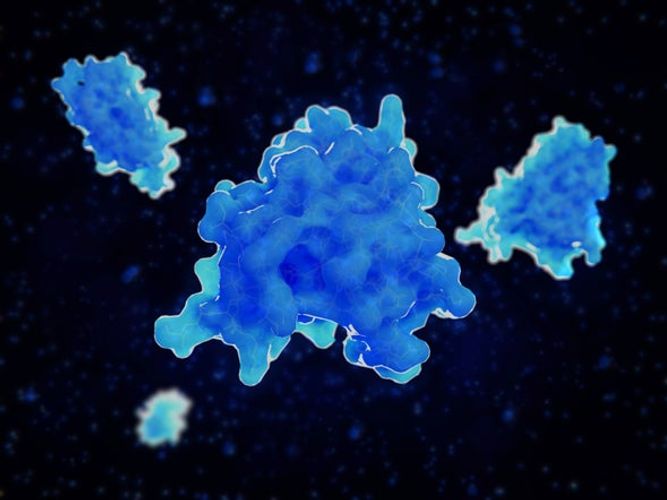

Scientists have found that many of those who die from the new coronavirus appear to be harmed more by the autoimmune system than by the virus itself, APA reports citing cntechpost.
Viral infection triggers a "cytokine storm", a surge in cell signaling proteins. This triggers inflammation, damages lungs and body tissues, and can lead to organ failure and death.
However, this phenomenon is not unique to patients with novel coronavirus pneumonia and is sometimes seen in patients with severe influenza. A new study reveals the metabolic mechanisms that lead to this uncontrolled inflammatory phenomenon.
In a paper published in the journal Science Advances, researchers say that infection of live mouse and human cells with influenza A virus triggers a series of cellular activities that open a pathway for glucose metabolism.
These changes, in turn, lead to the production of a large number of cytokines, so blocking a key enzyme in glucose metabolism has the potential to prevent a lethal cytokine surge.
Although the study did not focus on a novel coronavirus, the team said the same mechanism may be present in the novel coronavirus pneumonia caused by this virus.
This link could also explain why people with diabetes are at a higher risk of dying from this virus.
Paul Thomas, an immunologist at St. Jude Children's Research Hospital in Memphis, Tennessee, who was not involved in the new study, explained that when a virus infects cells, it steals their resources in order to replicate itself. Infected cells must speed up their metabolism to replenish these resources, and healthy cells must do the same in order to produce an effective immune response."
It has long been known to scientists that viral infections affect the metabolism of human cells.
Previous studies have shown that infection with influenza viruses increases glucose metabolism, which involves a signaling protein called IRF5 (interferon regulatory factor), which causes a cytokine storm.
In the latest study, the team revealed in detail at the molecular level how this glucose metabolism leads to an uncontrolled immune response.
When cells are infected with a virus, high levels of glucose in the blood cause glycosylation, and the OGT enzyme binds to IRF5 and chemically modifies it. This change triggers another chemical modification called ubiquitination, which leads to an inflammatory response.
In the experiment, researchers infected mice with the influenza A virus and then gave glucosamine to initiate this glucose metabolism pathway. They found that this led to a surge in cytokines.
Next, they genetically modified the mice so that they lacked the gene that produces OGTase. When exposed to glucosamine, these mice did not produce an excessive cytokine response.
Finally, the scientists analyzed blood collected from patients with Wuhan flu and healthy people from 2018 to 2019.
They found that flu patients had higher levels of glucose in their blood and higher levels of immune system signaling molecules compared to healthy people. This result further supports the idea that glucose metabolism plays a role in influenza infection.


 Follow us on Telegram
 t.me/apanewsaz
 Follow us on Instagram
 Follow us on TikTok
 Follow us on Facebook
 Follow us on X