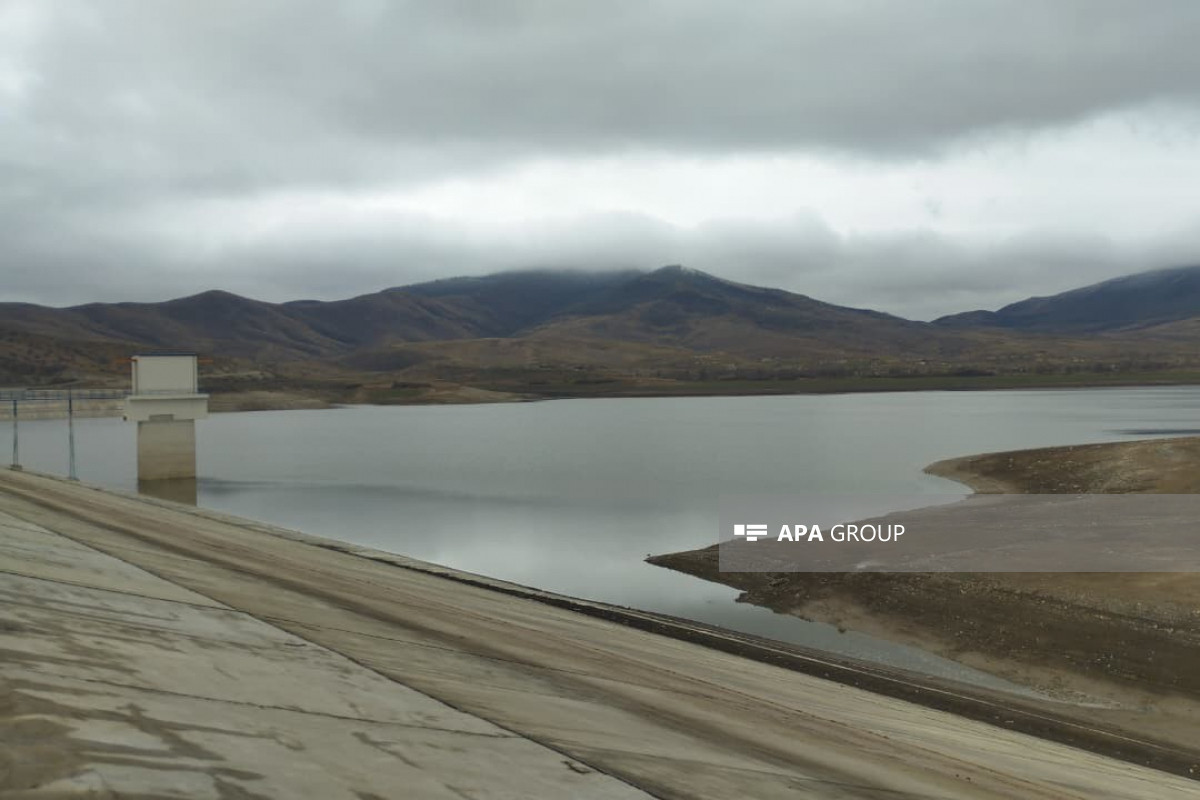


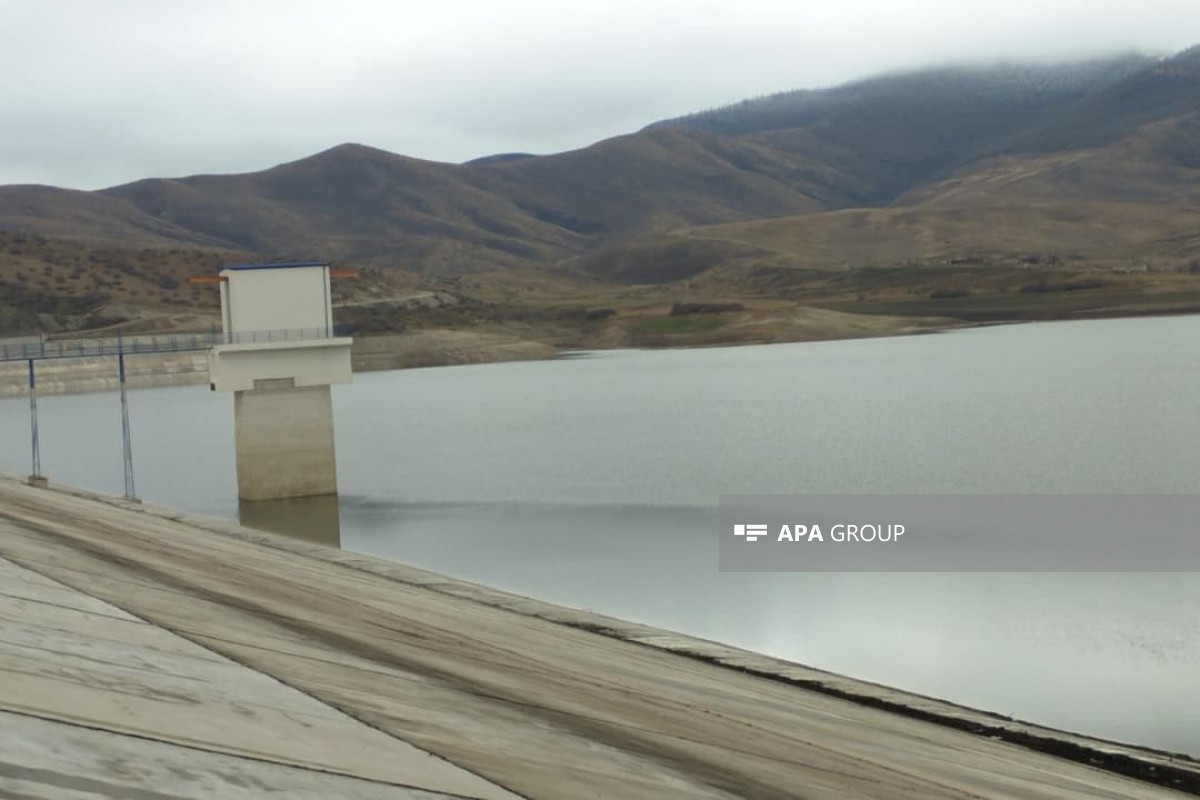
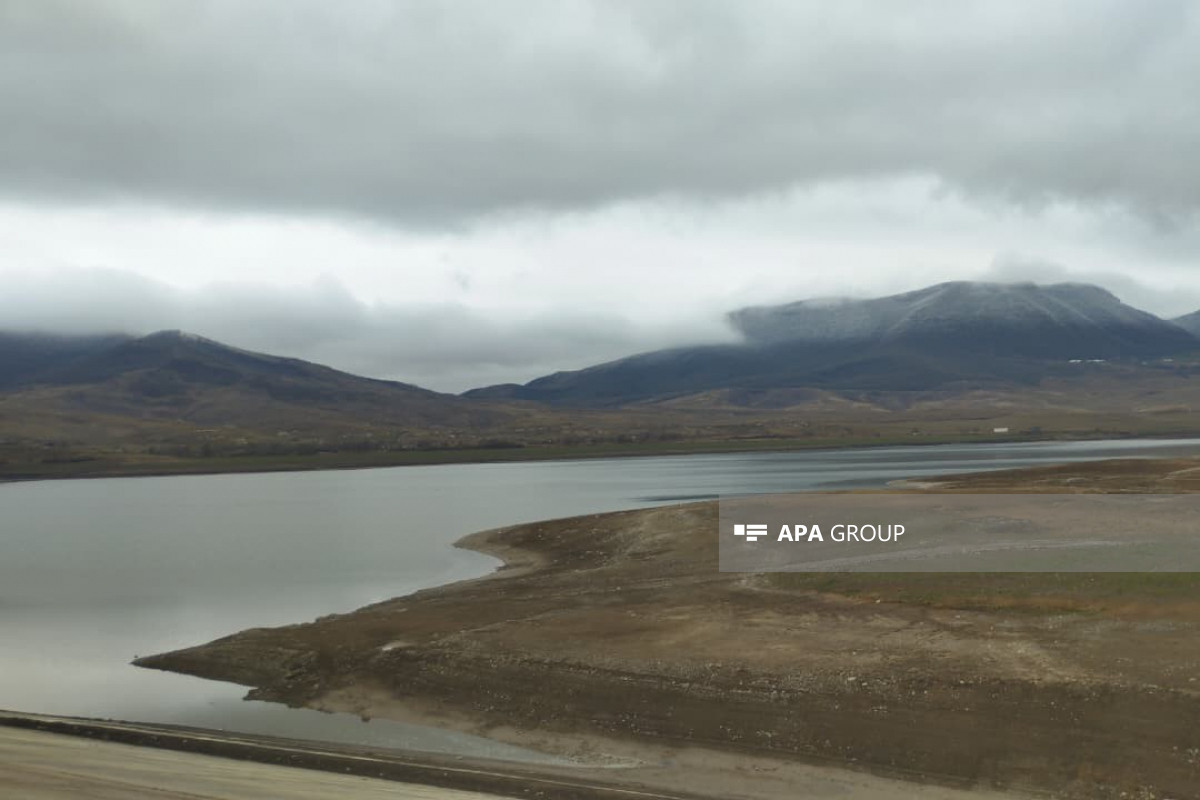
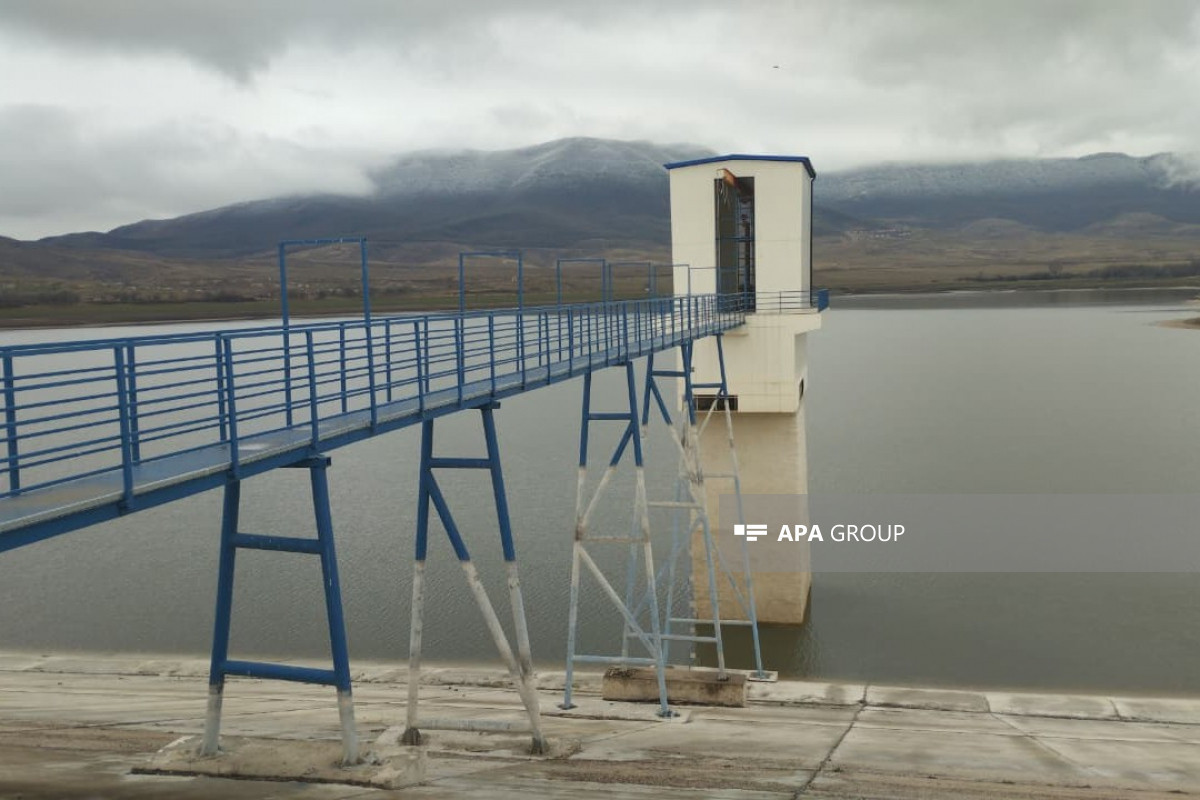
One of the major water reservoirs located in Azerbaijan’s liberated territories is the Khachinchay Reservoir, situated in the Aghdam district. The reservoir was commissioned in 1964. During the Soviet period, it was used for melioration purposes. At the same time, it supplied water to the city of Aghdam and nearby residential areas. However, following the occupation of the Aghdam district by the Armenian Armed Forces in 1993, it was impossible to use the reservoir for 27 years. During the occupation, the occupiers not only exploited the reservoir illegally but also failed to provide any technical maintenance.
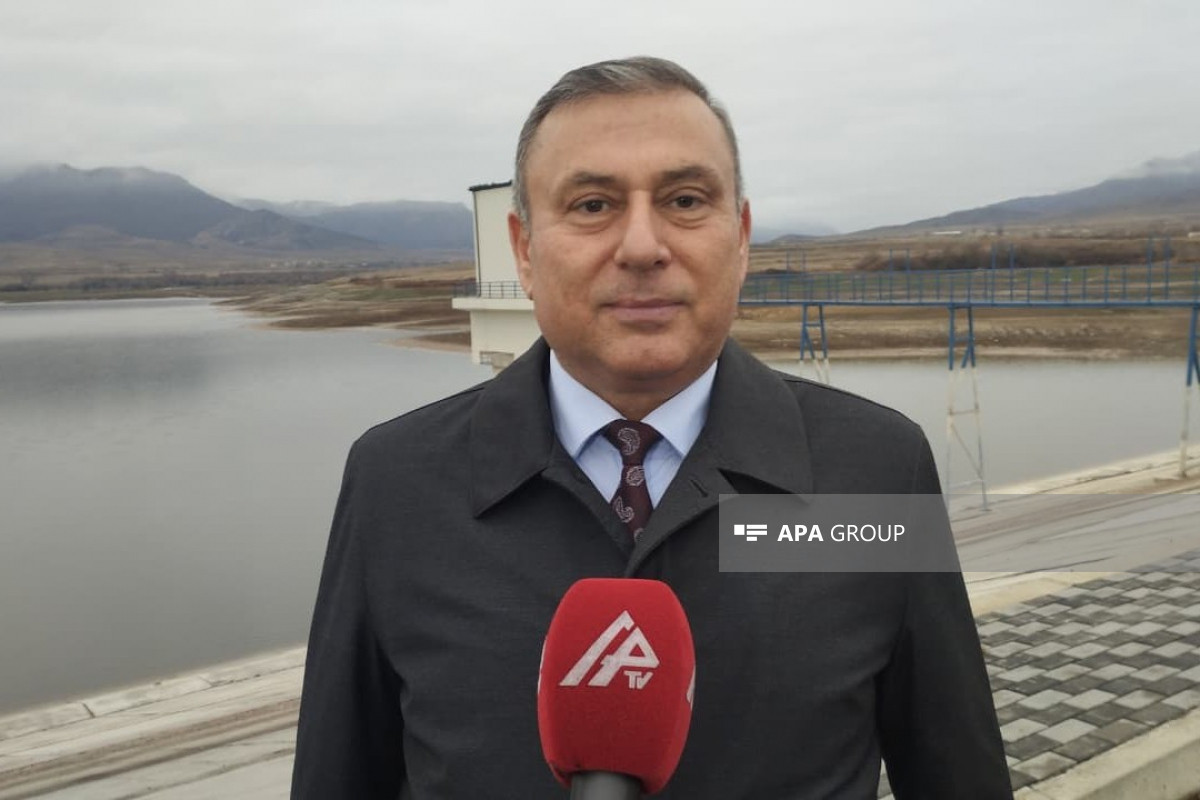
Head of the Aghdam Water Melioration Systems Operation Department, Hafiz Azimzade, told APA’s Karabakh bureau that after the liberation of the Aghdam district, a working group conducted monitoring at the Khachinchay Reservoir in February 2021 to assess its condition: “During the inspection, it became clear that the reservoir was in an emergency condition. Explosions were detected in the dam. As a result, major repair and rehabilitation works began in 2022 under Presidential Decree No. 1337. Following the Farrukh operation carried out in March 2022, after which the Khachinchay Reservoir came fully under Azerbaijan’s control, restoration works were completed in 2023. After repair and rehabilitation, the reservoir was put into operation on December 24, 2023. President Ilham Aliyev and First Lady Mehriban Aliyeva attended the opening ceremony.”
It was noted that the reservoir has a total capacity of 23 million cubic meters, with a dam height of 44 meters, a length of 940 meters, and a water surface area of 176 hectares.
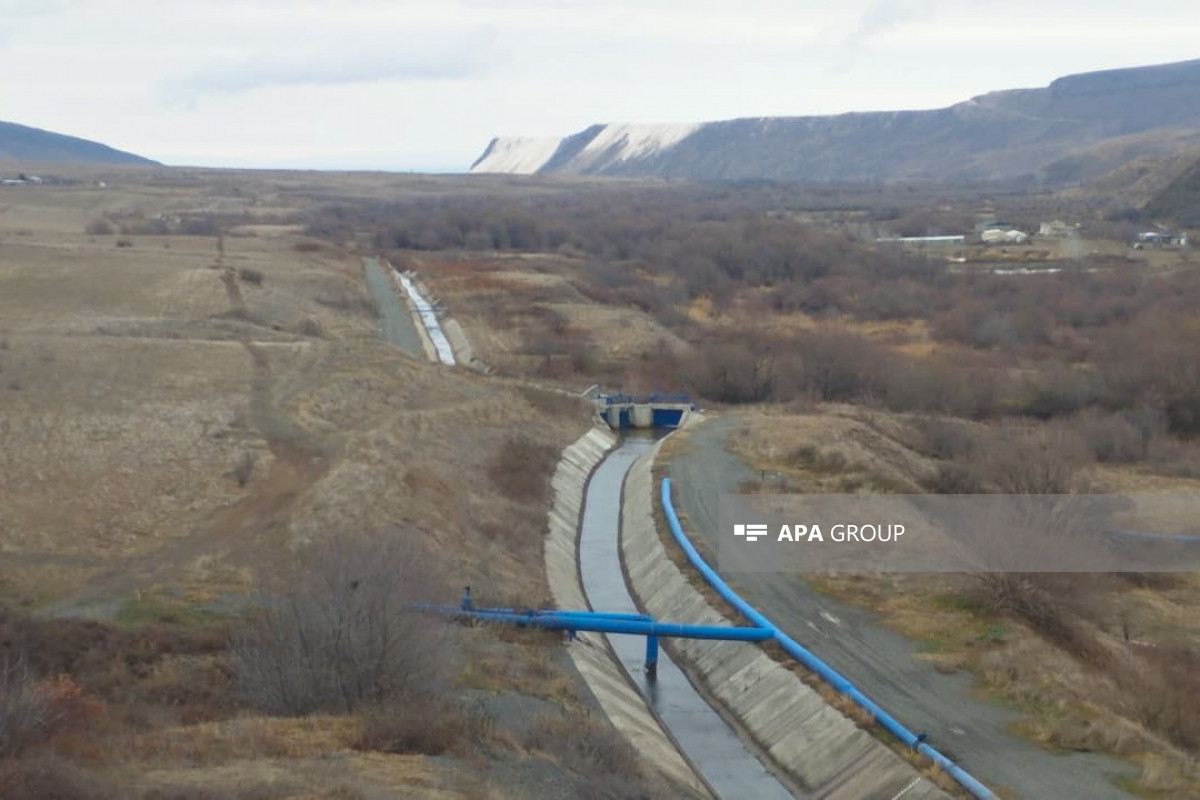
According to the technical scheme, water entering the Khachinchay Reservoir is regulated and transferred to the main canal, which has a total discharge capacity of 3.2 cubic meters per second. The initial 6.64-kilometer section of the canal was also repaired and restored along with the dam. A new administrative building, guardhouse, repair workshop, and pump station have been constructed at the reservoir.
Hafiz Azimzade added that the reservoir currently irrigates nearly 7,000 hectares of farmland and orchard areas in the region.


 Follow us on Telegram
 t.me/apanewsaz
 Follow us on Instagram
 Follow us on TikTok
 Follow us on Facebook
 Follow us on X