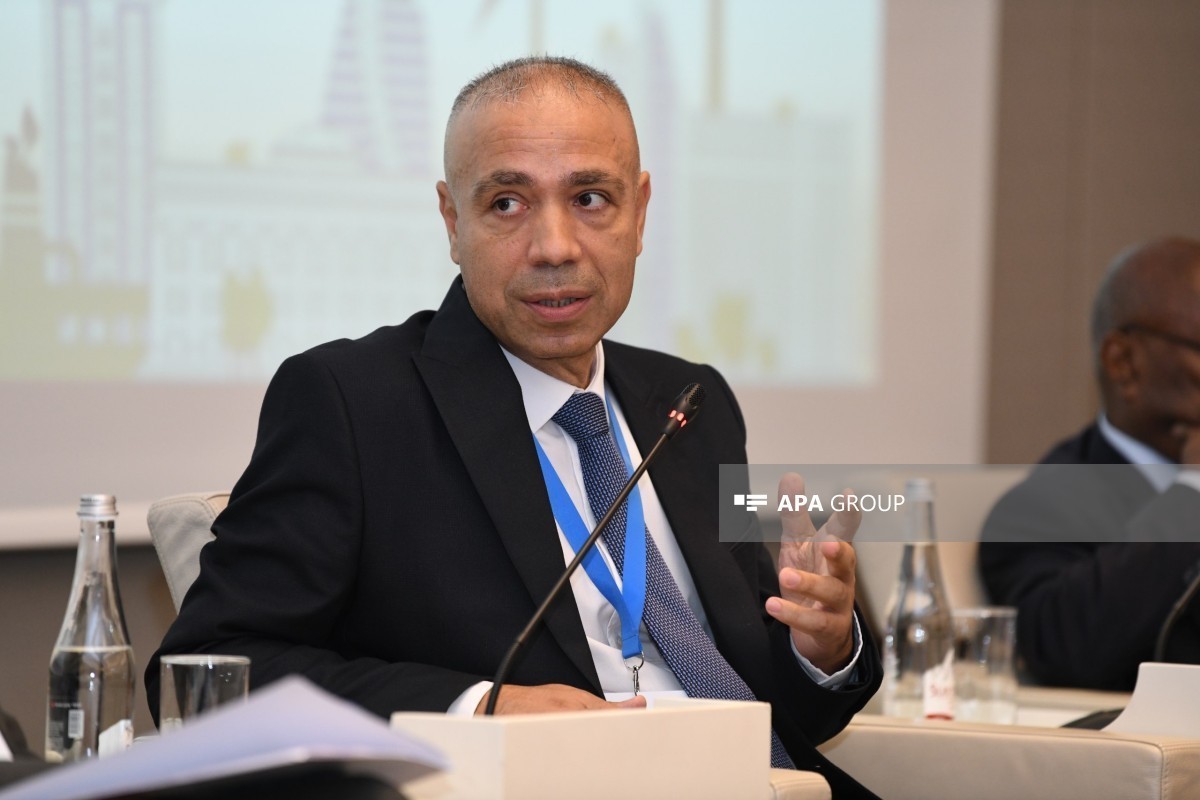
I thought I knew everything about the Khojaly tragedy until I spoke with a Khojaly resident, Georgian historian and researcher Badri Nachkebia said during a commemoration event held in Tbilisi on the 33rd anniversary of the Khojaly genocide, APA's Tbilisi correspondent reports.
The distinguishing characteristics of atrocities committed against civilians
"The Khojaly tragedy is a classic example of genocide committed against a civilian population. The key difference between this tragedy and other tragedies that occurred in post-Soviet countries is that, during other conflicts, such targeted brutality against children had not taken place," said Nachkebia.
The importance of punishing perpetrators before the international community
"Punishing the criminals who committed this massacre before the international community and holding them accountable in international courts is not only the responsibility of Azerbaijanis but of everyone, so that similar events do not repeat itself," Nachkebia added.
Georgian historian Simon Kopadze noted that Azerbaijan’s decision not to take revenge steps during the Second Karabakh War is highly commendable.
Azerbaijan’s decision not to take revenge against civilians and its importance for the region’s development
"All of this was unprecedented acts against humanity. Fortunately, since 2023, Khojaly is free. During the Patriotic War, Azerbaijan did not take revenge against civilians; not a single civilian from Armenia was killed. All of Azerbaijan's actions, including liberating its territories from occupation, were crucial for both the country's and the region's development," he added.
Georgia's experience with similar tragedies and its belief that the perpetrators will be held accountable
"Georgia has also faced such tragedies. At the end of the last century, we witnessed atrocities in Khojaly - Karabakh and in Gagra - Abkhazia. I am confident that the perpetrators of both the Khojaly and Abkhazia massacres will be held accountable," Simon Kopadze emphasized.


 Follow us on Telegram
 t.me/apanewsaz
 Follow us on Instagram
 Follow us on TikTok
 Follow us on Facebook
 Follow us on X