










Baku. Victoria Dementieva – APA. Interview with U.S. Embassy Chargé d’Affaires Adam Sterling
- This year Azerbaijan and the U.S. celebrate the 20th anniversary of establishing of diplomatic relations. How do you estimate the achievements and development of Azerbaijan over the 20 years?
- We are looking back over the period of 20 years and it is useful now to look at where Azerbaijan and the U.S was 20 years ago.
First, let’s look where Azerbaijan was 20 years ago. It regained its independence in a very difficult period. The United States’ overriding goal from the beginning of our diplomatic relations was to support Azerbaijan and its development as a strong, prosperous, sovereign and independent country. In other words, the U.S.’s main goal for Azerbaijan was the same, I think, as Azerbaijan’s goal at the time. If we look at Azerbaijan today – 20 years later- it is clear, that Azerbaijan has come an enormous distance in twenty years towards becoming a strong, prosperous, sovereign and independent country.
I hope and I think that the U.S. has had some role in contributing to that development in Azerbaijan. I hope that Azerbaijanis recognizes the support of the U.S. over these 20 years. So to the extent that Azerbaijan is a success, I think our relationship has been a success.
There are some specific issues. We have had enormously successful cooperation in international security matters. Azerbaijan and U.S. soldiers have served together in Kosovo, Iraq and still today in Afghanistan. Of course, Azerbaijan is very much supporting international efforts in Afghanistan.
On Energy probably the big headline of the 20 years was the support my government gave to the development of the Baku-Tbilisi-Ceyhan pipeline, which is a very fundamental aspect of Azerbaijan’s economic success over the last 20 years. And the U.S. has worked to support Azerbaijan in goals for economic and political reform. We have contributed a lot of assistance over 20 years and we are continuing to do so.
Overall it is a very positive picture.
- What are the priorities of the future development between Azerbaijan and U.S.?
- We are interested in continuing to deepen and strengthen our relationship overall. Clearly, a top priority is going to be international security. That is taken on the new significance this year as Azerbaijan has joined U.S. in UN Security Council. So we are now partners and consult each other on global security issues.
Secondly, I would like to particularly emphasize on the economic agenda looking forward. As you know, last week a large delegation of Azerbaijani officials traveled to Washington for our bilateral economic partnership commission. Finance minister Sharifov led a multi-agency delegation from the government of Azerbaijan. And that discussion from U.S. side was led by the State Department’s senior economic official, Undersecretary Robert Hormats. They viewed a broad range of economic issues. I want to stress that it was everything, not just energy. There are lots of areas of economic agenda we would to work on. If you look at trade between the U.S. and Azerbaijan, there were a big trade deals in recent years. Azerbaijan has bought a communication satellite from Orbital Digital. Azal has purchased a number of Boeing airplanes including two new 777 Dreamliners. And those particular sales correspond to two of the priority areas the Government of Azerbaijan has identified as the areas which helps to diversify the economy: information technology and transportation.
In other areas, we eager to support the diversification of Azerbaijan economy, because we recognize that as a way to strengthen Azerbaijan going forward and not to be so dependent on energy. Some is in trade and some is in assistance. We have concentrated on the agricultural sector and we continue to do so. Economic agenda is quite big.
And of course, the third major area, we will continue the internal reform, political and economic reform. We will continue to support efforts to provide technical assistance and political support to help Azerbaijan in this reform agenda.
- The human rights sphere in Azerbaijan sometimes creates a concern in the international arena. How do you estimate the progress of Azerbaijan on the issues of democracy and human rights?
- You have clearly identified one of the major priorities for the U.S. We strongly support democratic reform and respect of human rights. That is a global position of U.S.
government. Because we know that our strongest partners internationally are countries with strong democracies and strong respect for human rights. And we want to have the strongest possible partnership with Azerbaijan, so we support reform in that area for Azerbaijan.
Azerbaijan has made progress in this area over 20 year. Much clearly remains to be done. My government is very clear in its public statements about our concerns. Recently there has been particular emphasis on issue of journalists. We have expressed our concerns about attempts to pressure specific journalists, such as Khadija Ismaylova and Idrak Abbasov. We have been gratified to see that senior Azerbaijani officials recognize that cases like that of attempts to pressure journalists need to be dealt with and we are encouraging serious investigations into those cases.
- What are the prospective for cancellation of the Jackson-Vanik amendment and Section 907 as they apply to Azerbaijan? How is this process unfolding?
- The Jackson-Vanik is something that dates from the Soviet era and applies to successor countries. First of all, it does not have any impact on Azerbaijan, because U.S. presidents wave its provisions every year. It is still in law but the current and previous presidents have waved its provisions. It really does not have an impact.
Typically as a country moves towards membership in World Trade Organization the U.S. Congress then removes countries from Jackson-Vanik and it requires congressional approve to do this. The president can not to do it on his own.
Section 907 is at the Freedom Support Act is something that specifically applies to Azerbaijan. Once again, the provision has been waved every year since 2001. Secretary Clinton when she was here 2 years ago said that she personally favors the appeal of 907, but this a U.S. law, so only Congress can do it.
- Is the U.S. still considering the joint use with Russia of the Gabala radar station as part of cooperation on missile defense? Is the issue still on the table?
- First of all, President Obama, like President Bush before him, has expressed his commitment to cooperation with Russia on missile defense as a general proposition. The missile threat affects Russia and affects the U.S. and all European countries in between so it make sense to respond together and we would like to see a system of cooperation in missile defense. Whether or not Gabala plays a part in any kind of missile defense cooperation is not on the table right now. There are no such plans.
- The renewal of the Azerbaijani-Russian contract on Gabala is being delayed. Is the U.S. interested in using Gabala RLS?
- It is Azerbaijan and Russia’s bilateral matter between these two countries. We don’t have a role or an interest in negotiations in between Russia and Azerbaijan.
- But does the U.S. have an interest in using the Gabala RLS separately from Russia?
- There no such plans right now.
- Can you comment on U.S.-Azerbaijan military cooperation? Are there any U.S.-Azerbaijan military exercises near future?
- There are events in military cooperation sphere between the U.S. and Azerbaijan pretty much every day. In the Embassy we have several military officers, who work full time just on military to military cooperation that we have. All of these things - exercises in the field with soldiers in uniform, conferences, trainings, exercises that take place around the table - as I said, these goes pretty much every week. So there is a high level military to military cooperation. As far as the exercises with soldiers in the field, the trend in recently years has been to move from bilateral exercises, of just U.S.-Azerbaijan, to multilateral exercises that include other NATO member countries, not just the U.S., and NATO member partners, not just Azerbaijan. So for example, in Romania next month the Black Sea Rotational Force exercise will be held with the participation of the U.S., Azerbaijan and other NATO members and partners.
- How is U.S.-Azerbaijan cooperation on the security infrastructure in the Caspian Sea going?
We have a lot of security cooperation between our governments. A particularly new and dynamic way of cooperation focuses specifically on energy infrastructure in the Caspian Sea.
Our two governments are working quite a bit on this together. Last October official delegation from Azerbaijan from many agencies interested in security for energy infrastructure traveled to the U.S. to learn how the U.S. protects our own energy infrastructure against lots of different kinds of risks. So this team from Azerbaijan visited a U.S. Coast Guard facility, an offshore oil platform, spoke to the U.S. specialists who worked to respond to the Deep Water Horizon accident in the Gulf of Mexico two years ago. So they got a broad picture how they protect energy infrastructure and what assistance we can provide to Azerbaijan. Our two governments are now elaborating what kinds of programs will follow on.
- On the role of Azerbaijan in Afghanistan cargo traffic, does the U.S. intend to increase the quantity of cargo traffic via Azerbaijani air space?
- Azerbaijan is an excellent partner of the U.S. and NATO in the transit of cargo to Afghanistan. The U.S. Transportation Command and the U.S. military thinks very highly of Azerbaijan as a partner. We are very much interested in continuing this cooperation with Azerbaijan. Whether the quantity of cargo goes up or not we really can’t say right now, because the amount of cargo depends on a lot of factors. But certainly, we are very much interested in continuing the cooperation in cargo transit.
- Currently this involves only transit of non-lethal supplies, but are there any negotiations with Azerbaijan on the transit of military cargo?
- No.
- I would like to touch on the issue of Iran. Does the U.S. consult with Azerbaijan on the issue of the imposition of sanctions against Iran?
- We have long had consultations between our governments about implementation of sanctions against Iran. The U.S. recognizes that Azerbaijan is in a very special position by virtue of being Iran’s neighbour. And that factors into our conversations. That dialogue with Azerbaijan of course has new quality this year with Azerbaijan being on the UN Security Council. Iranian nuclear program is a challenge to the entire global community. The Security Council is the primary body trying to guarantee international security. So Azerbaijan has special responsibilities globally now as a member of Security Council. We of course, consult as well as Security Council members on sanctions and other aspects of responding to Iran challenge.
- Your comments on the nomination of new candidate of US ambassador to Azerbaijan?
- The U.S. Embassy recognizes that the importance of having an Ambassador to the U.S.-Azerbaijan relationship. With that in mind, we welcome the President Obama’s April 26 announcement that he intends to nominate Richard Morningstar to be the next U.S. Ambassador to Azerbaijan.
But the nomination is just the first step in the process. Under the U.S. constitution, the Senate must confirm ambassadorial nominations, so it will have the final say on the nomination.
- How do you react to the OSCE Minsk Group’s most recent statement about ceasefire violations along the Line of Contact?
- As the Co-Chairs’ April 27 statement clearly states, there is no alternative to a peacefully negotiated settlement of the conflict. We urge all sides to respect the 1994 ceasefire and to abstain from retaliatory measures that would lead to further escalation.
U.S. Chargé d’Affaires: “Right now the U.S. has no plans to use Gabala RLS†- INTERVIEW

 30 April 2012 13:47 (UTC +04:00)


 İDMAN XƏBƏR
 Follow us on Telegram
 t.me/apanewsaz
 Follow us on Instagram
 Follow us on TikTok
 Follow us on Facebook
 Follow us on X
Foreign
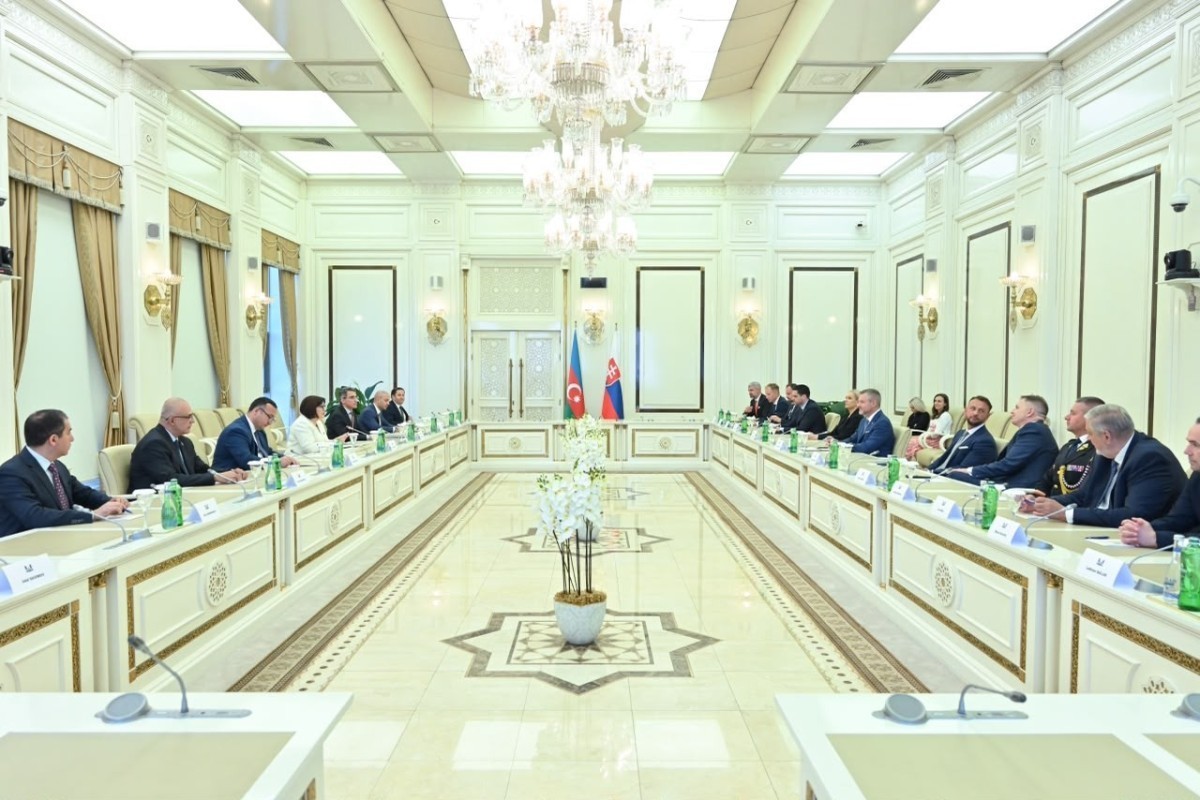
Speaker of Azerbaijan's Parliament meets with Slovak President
18:30
 15 July 2026
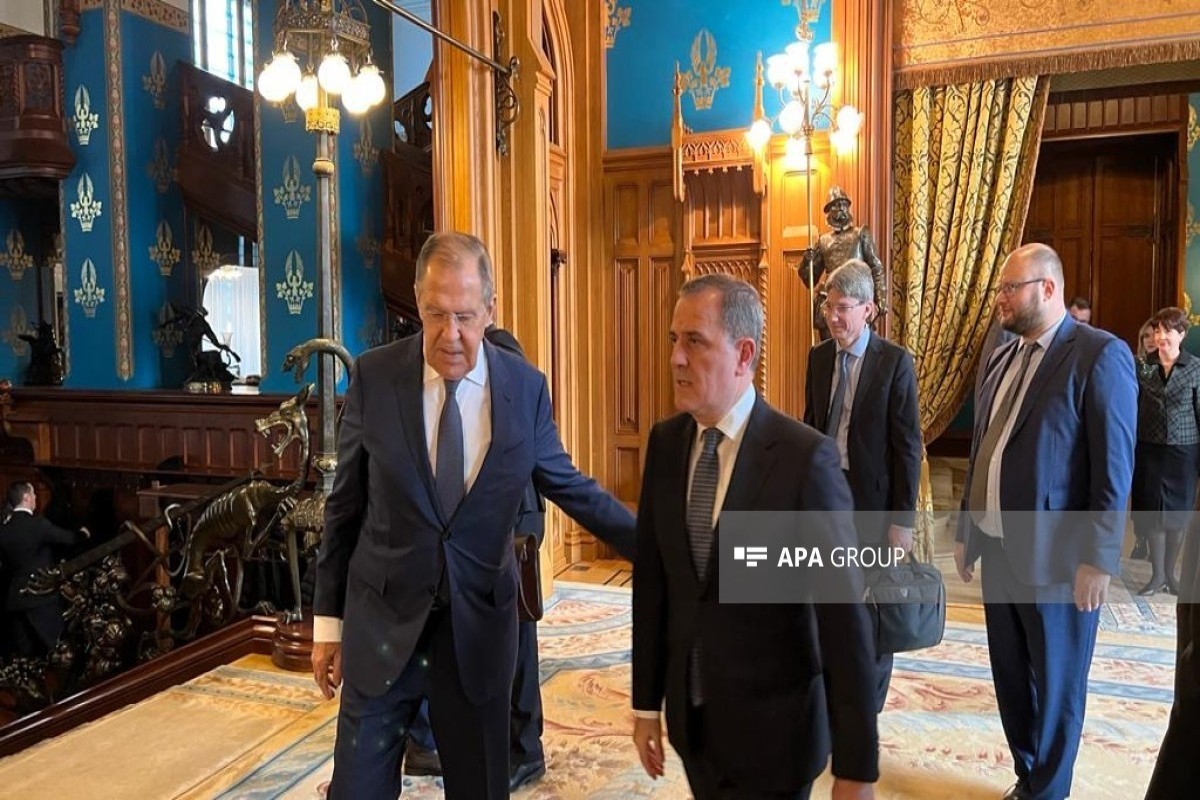
Azerbaijani and Russian foreign ministers to hold talks in Moscow
17:00
15 July 2026
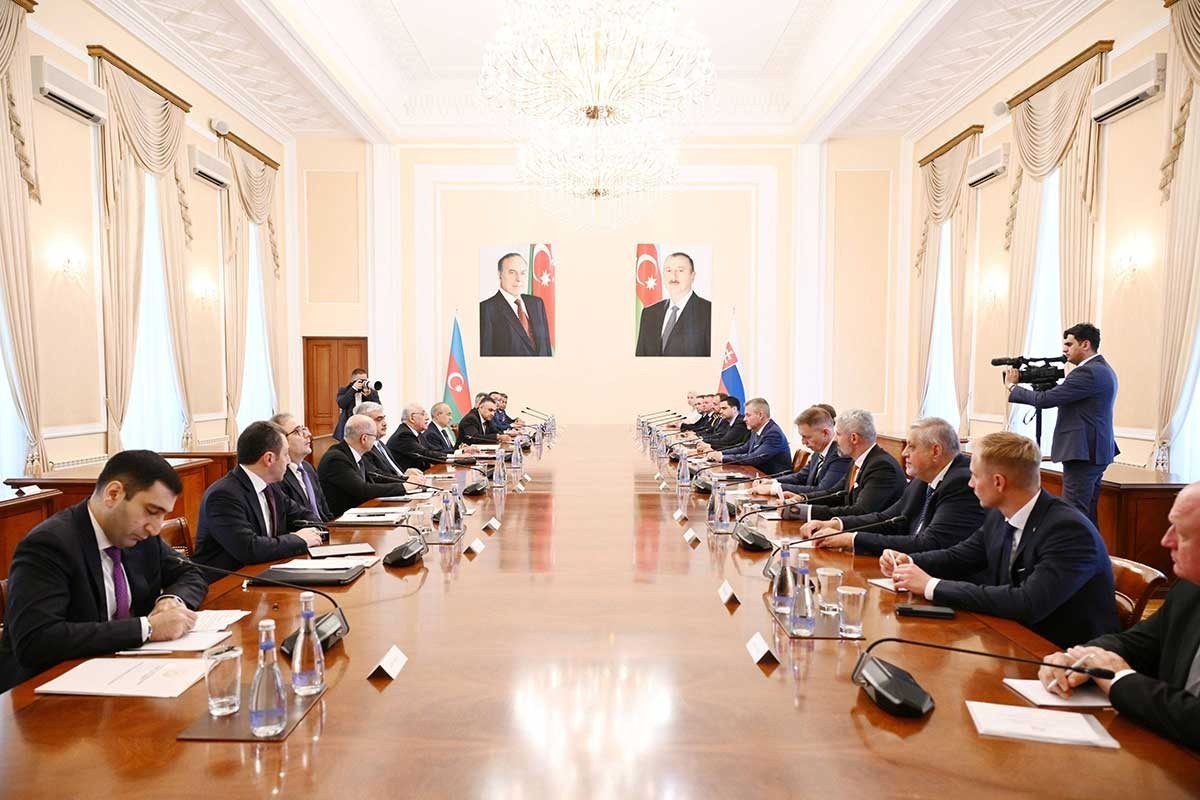
Azerbaijani PM, Slovak President discuss expanding strategic partnership - UPDATED
14:53
15 July 2026
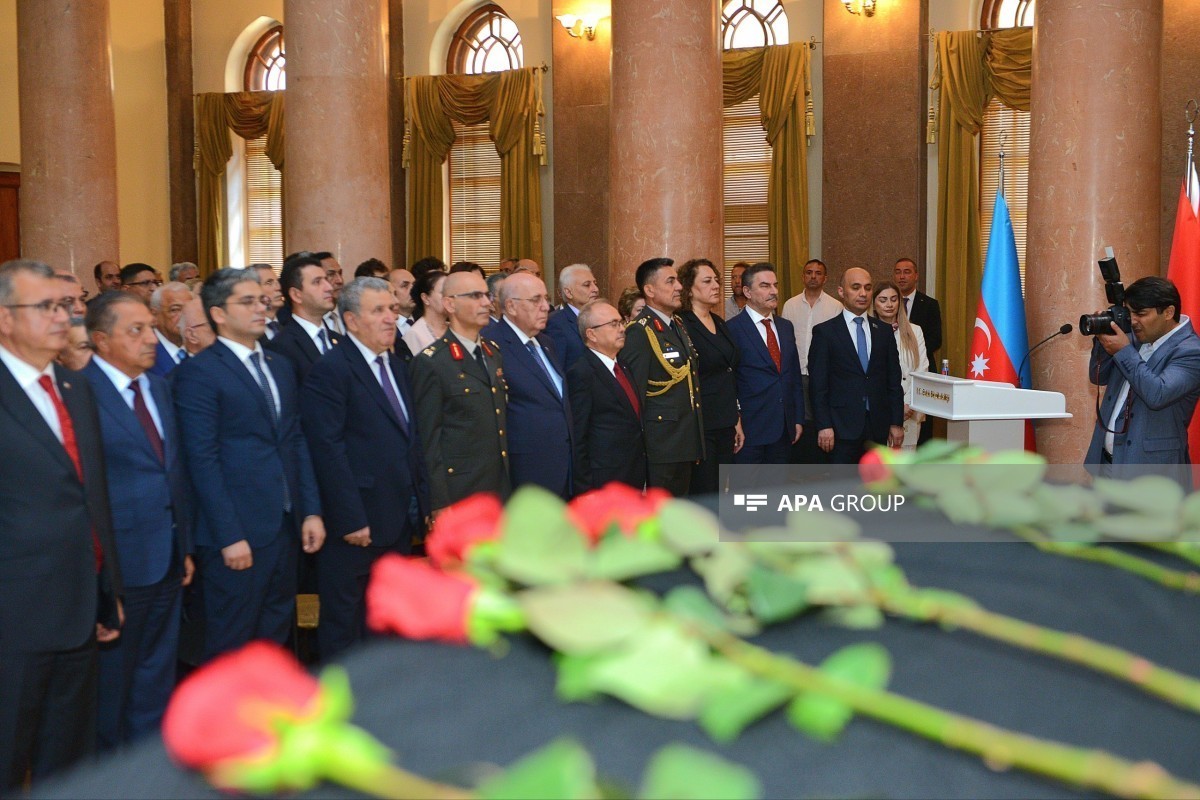 PHOTO'>
Commemoration event held in Baku to mark Türkiye's July 15 Democracy and National Unity Day - PHOTO
12:01
15 July 2026

NEWS FEED
EU ambassadors fail to agree on 21st package of anti-Russia sanctions
22:41
15 July 2026
Ghalibaf says Iran must fight while pursuing diplomacy
22:24
Audio
15 July 2026
Euronews: The future of journalism debated at the 4th Shusha Global Media Forum
22:18
15 July 2026
Merz warned the US against interfering in German elections
21:22
15 July 2026
US wants to use private investment to help other countries
20:55
15 July 2026
Iran says no US talks planned, focus remains on defense
20:35
15 July 2026
US issues new non-proliferation sanctions against those tied with Iran and Russia
19:43
15 July 2026
US attacks Iran's Hengam Island
19:19
15 July 2026
Trump: It would be good if Israel withdrew from Lebanon and Syria
18:34
15 July 2026
Turkmen President to pay official visit to Georgia
18:32
15 July 2026
Speaker of Azerbaijan's Parliament meets with Slovak President
18:30
15 July 2026
Slovak President Peter Pellegrini concludes visit to Azerbaijan
18:20
15 July 2026
President of Slovakia visits See Breeze Resort
18:18
15 July 2026
Russia says foreign troops sent to Ukraine after a peace deal would be legitimate targets
18:13
15 July 2026
CENTCOM says two ships changed course after attempting to breach Iran blockade
17:46
15 July 2026
More than 15 hospitalized in suspected food poisoning incident in Samukh
17:37
15 July 2026
Azerbaijani and Russian foreign ministers to hold talks in Moscow
17:00
Audio
15 July 2026
Iranian FM Abbas Araghchi departs for Qatar to offer condolences
16:38
15 July 2026
President Ilham Aliyev approves amendments to state oversight of children's rights
16:36
15 July 2026
DPA: Armed man opens fire at police officers in Dresden
16:32
15 July 2026
Trump says Russia ready to reach agreement with Ukraine soon
16:13
15 July 2026
Azerbaijan approves 2026–2030 National Action Plan to combat human trafficking - ORDER
16:10
15 July 2026
CENTCOM: Military facilities on Iran's Greater Tunb Island targeted in 90-minute operation - UPDATED
16:08
15 July 2026
Russian-born American investor appointed to lead TRIPP+ Fund
15:54
15 July 2026
Azerbaijan exports $6.2 billion worth of oil to more than 10 countries this year - LIST
15:43
15 July 2026
Azerbaijani Foreign Ministry urges citizens to avoid Black Sea conflict risks - STATEMENT
15:26
Audio
15 July 2026
Azerbaijan discusses medium-term fiscal policy with IMF
15:18
15 July 2026
Value of Azerbaijan's exports to Armenia in six months revealed
15:14
15 July 2026
Midnight social media curfew and limits to infinite scrolling proposed for older UK teens
15:11
15 July 2026
Azerbaijan's foreign trade surplus nearly sixfold in H1
15:10
15 July 2026
Zelenskyy: Ukraine produces 10 million drones annually, output to double to 20 million
15:04
15 July 2026
Power restrictions introduced in Tehran amid rising demand and damaged grid
14:55
15 July 2026
Azerbaijani PM, Slovak President discuss expanding strategic partnership - UPDATED
14:53
15 July 2026
17 injured as two passenger buses collide near Prague
14:35
15 July 2026
Kremlin says it is analyzing Trump's statements on new sanctions against Russia
14:34
15 July 2026
SSPF chief: Around AZN 900 million in social payments made to 2.2 million citizens each month
14:27
15 July 2026
EU seals deal for drone production with Ukraine
14:26
15 July 2026
Peskov: No messages sent to Zelenskyy through Vučić
14:25
15 July 2026
Russian guided bombs kill 3 in Sumy region
14:21
15 July 2026
Azerbaijan-Slovakia business forum held in Baku - PHOTO - UPDATED
14:19
15 July 2026
U.S. marine biologist shot dead in Philippines
14:01
15 July 2026
Armenian government to discuss ratification of TRIPP agreement with US
13:23
15 July 2026
Azerbaijan's Supreme Court upholds high treason conviction of Ivan Svetlichniy
13:22
15 July 2026
SSPF chief: Nearly AZN 11 billion paid annually in social benefits
13:15
15 July 2026
Future prospects of OPEC+ cooperation discussed in Baku
12:48
15 July 2026
Economy Minister: Bash Garvand project is a successful example of Azerbaijan-Slovakia partnership
12:47
15 July 2026
Central Bank of Azerbaijan issues redesigned 100-manat banknote
12:40
15 July 2026
2,200-year-old ancient city unearthed in Azerbaijan's Yardimli district - PHOTO
12:34
15 July 2026
Israeli official: Netanyahu to travel to US on Saturday, but unclear if he will meet Trump
12:29
15 July 2026
Deputy Prime Minister: Slovakia seeks to expand cooperation in Karabakh's reconstruction
12:25
15 July 2026


