On March 4, 2025, the General Meeting of the Working Group of the Legal Entities Union of the International Association "Trans-Caspian International Transport Route" (TITR IA) was held in Baku. The meeting was attended by delegations from 10 countries, including heads of railway administrations from member states, high-level officials from transportation and logistics companies.
The event highlighted that the main goal is to increase the efficiency of the transportation system by ensuring the safety of cargo, agreeing on unified tariffs, and speeding up cargo flows, which will meet the demands of all partners. This approach will enable the countries of the Middle Corridor to achieve long-term success.
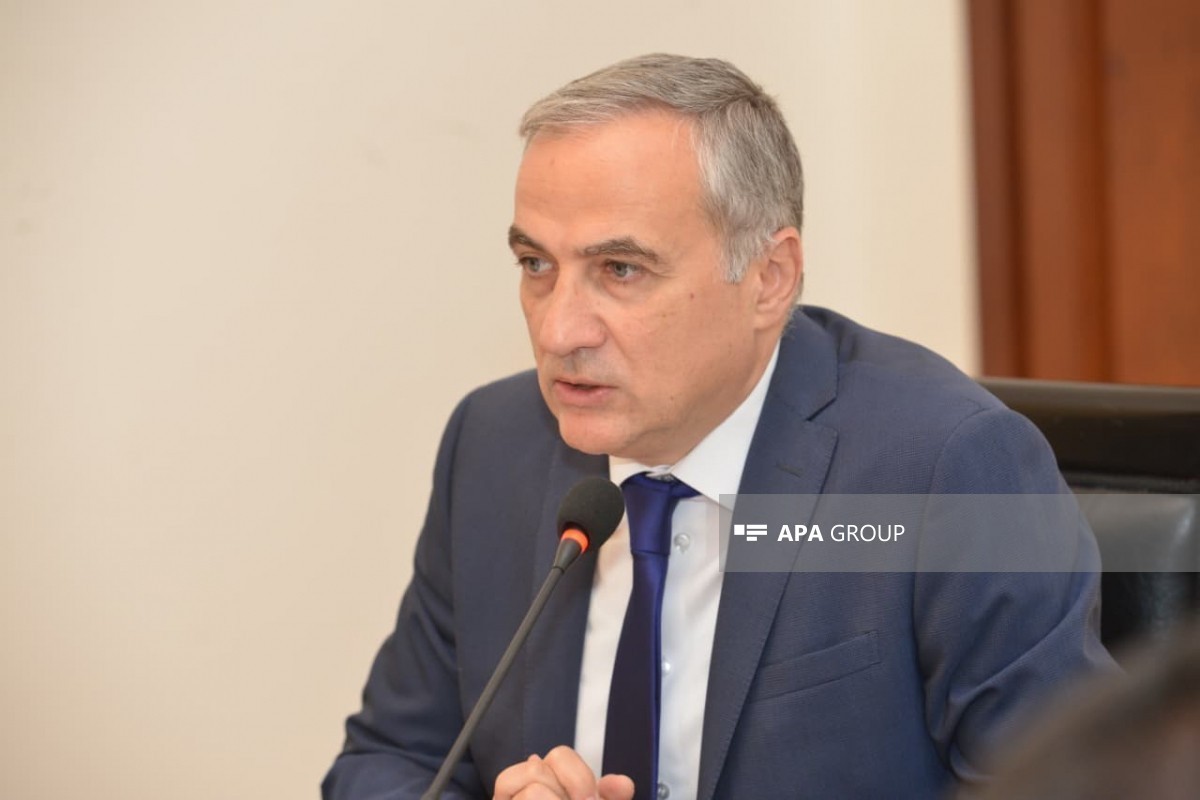
We addressed the TCITR IA Secretary-General, Gaidar Abdikerimov about the plans to increase the volume of transportation within the Middle Corridor, the development of the corridor, and several other issues.
APA-Economics presents the interview with Gaidar Abdikerimov:
- During the meeting, the cargo volumes achieved last year and the targets set for this year were announced. What are the expectations for cargo transportation over the next five years or longer periods?
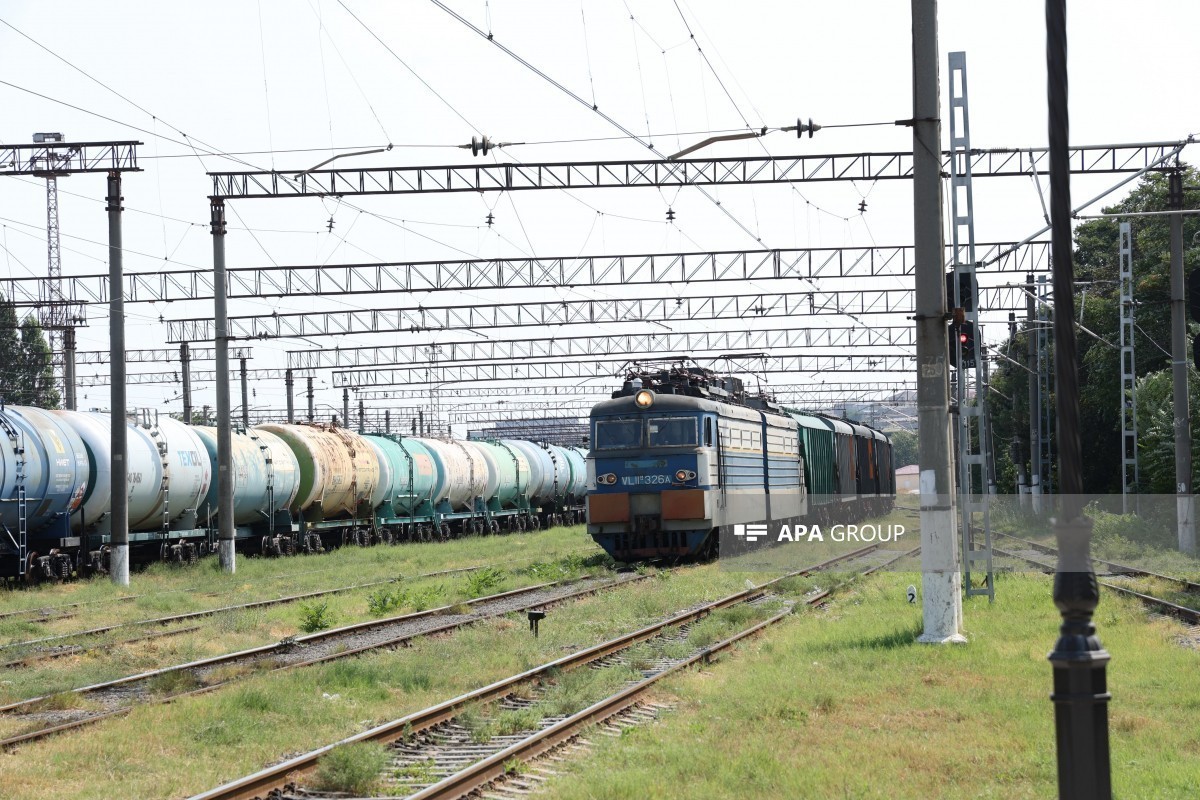
- By 2030, we aim to increase today's figures along the route by 5-6 times. Within the framework of the Middle Corridor, our task is to reach the volume of container transportation at 300 thousand TEU per year (a standard measure in container transportation, twenty-foot equivalent unit – ed.). According to the results of 2023, 20.5 thousand containers were transported along the route, while last year, 56.5 thousand containers were transported, meaning we are truly observing high growth.
- What work is being done within the framework of the Middle Corridor regarding infrastructure projects, as well as the renewal of infrastructure and the fleet?
- All countries and all participants are actively involved in the development of our corridor, ensuring its synchronized progress. They allocate the necessary investments and pay great attention to the corridor's development.
We are currently experiencing a significant leap in expanding the corridor's capacity. Kazakhstan, Azerbaijan, and Georgia are investing substantial funds in both hard infrastructure (technical matters) and soft infrastructure (organizational matters) to enhance the corridor's capabilities.
However, we also face certain challenges that require immediate solutions, and we are solving them.
- As is known, the current geopolitical situation has significantly impacted the operation of traditional transport and logistics chains, causing disruptions. Has all this increased interest in the Middle Corridor?
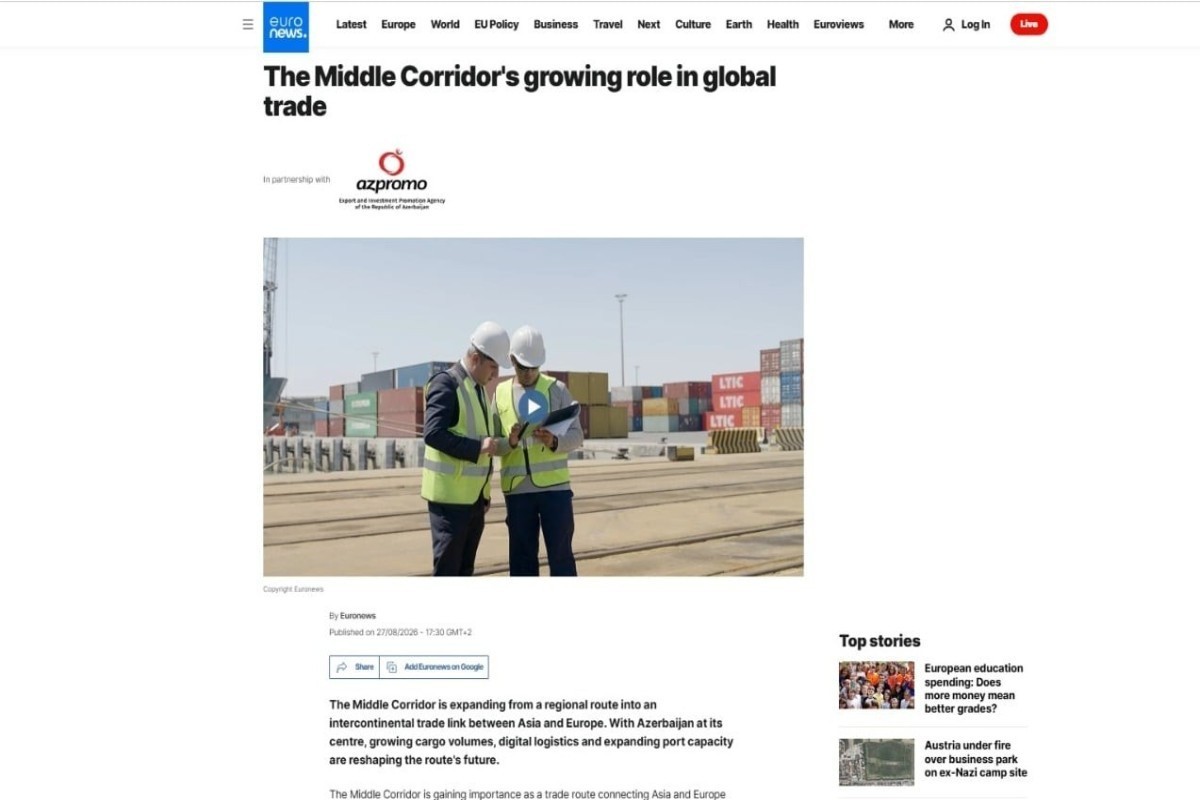
- Interest in the Middle Corridor has increased several times. Indeed, the corridor has started to gain great importance. Today, it is one of the sanction-free corridors that can ensure the delivery of goods from producer to consumer without any restrictions.

- According to the Decree recently signed by President Ilham Aliyev, Azerbaijan Railways CJSC (ADY) will be reorganized by merging the Baku International Sea Trade Port CJSC (Port of Baku) into it. How do you think this will affect the development of the corridor?
- We try to interpret any change in a positive way. From this perspective, we have significant work ahead of us. This directly concerns the corridor, as it involves two entities actively contributing to its development (ADY and Port of Baku - ed.) and the participants of our corridor. And most likely, in the near future, we will witness this contribution.
- When it comes to transportation and the operation of transport corridors, questions about tariffs naturally spark great interest. Has a specific tariff system been established for the Middle Corridor?
- The tariffs within the framework of the Middle Corridor have been stable since 2021. There have been minor changes, but against the backdrop of inflation processes happening around us, our tariffs remain very steady.
Over the past five years, our tariffs have not changed significantly, and our task is to maintain this level and provide our customers with stability.


 Follow us on Telegram
 t.me/apanewsaz
 Follow us on Instagram
 Follow us on TikTok
 Follow us on Facebook
 Follow us on X