

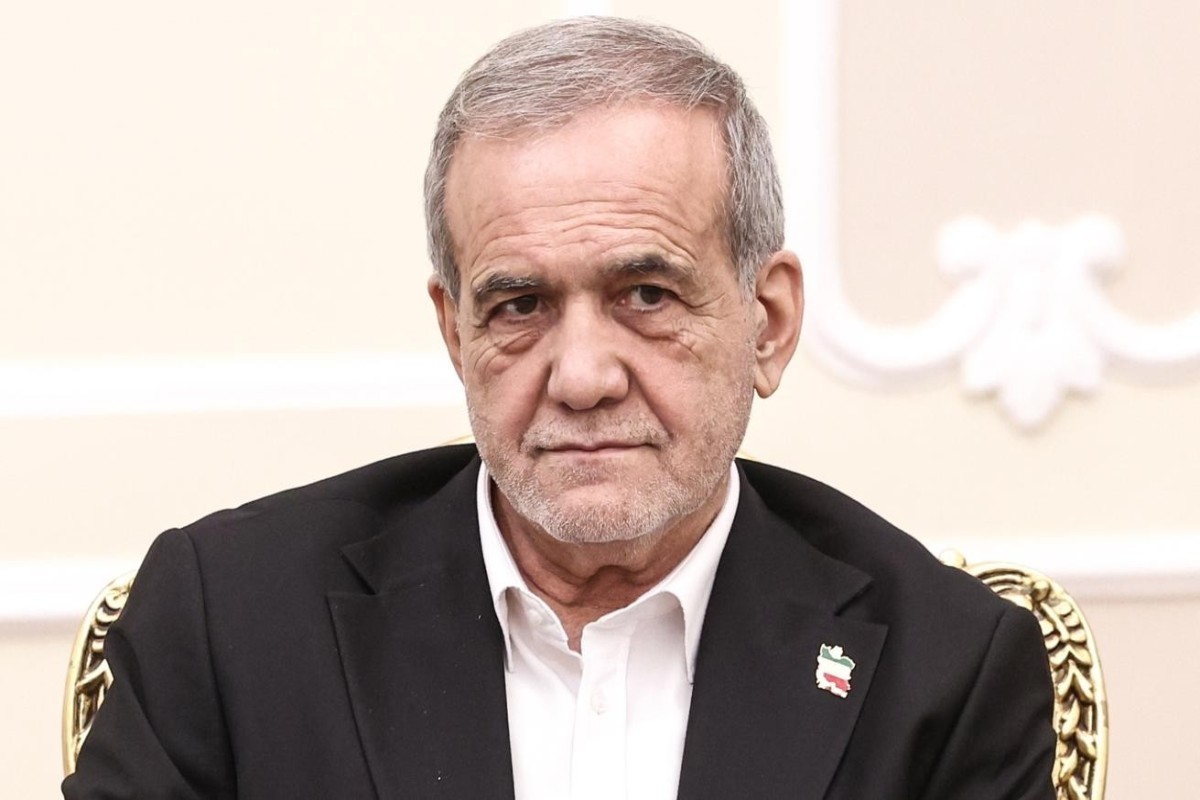


Iranian President Masoud Pezeshkian said there was an "atmosphere of distrust" between Iran and the U.S. when asked whether he would have been willing to meet with President Trump in New York this week, an idea raised by the U.S. leader, CBS News reports.
Pezeshkian, during an interview with "Face the Nation with Margaret Brennan" Friday, suggested that he would need to know "what exactly we want to reach an understanding on," after running through a list of the times the U.S. has attacked Iran while the countries were in the midst of negotiations.
But he also said Iran would "abide by whatever we commit to" if the U.S. accepts the latest Iranian proposal to reopen the Strait of Hormuz.
Iran's foreign minister offered a proposal this week to reopen the strait after seven days and restart talks with the U.S. as an initial step toward a final nuclear deal. The U.S. has yet to respond to the Iranian proposal, which was announced during the United Nations General Assembly in New York City.
Mr. Trump had expressed openness to meeting with Iranian officials in New York. Although top Trump officials held indirect talks with Iranian officials through mediators, the president himself did not. During his speech to the General Assembly, Mr. Trump said he has a "big decision to make" on whether to cut a deal with Iran or "annihilate" the country. He also predicted that the two sides will not reach an agreement until after the midterms.
Pezeshkian suggested it would be difficult for him to meet face-to-face with Mr. Trump, pointing to an "atmosphere of distrust that has developed between Iran and the United States."
"As long as they don't cease doing what they're imposing on us every day, it's difficult to trust them," he said. "Every day, they increase the sanctions against us. Every day, they threaten us. Every day, they strike us. And they don't honor what they have put in writing. So if they engage in talks, will they actually follow through?"
Brennan asked when Iran expects a response from the United States on its offer to reopen the Strait of Hormuz and restart negotiations.
"If this message reaches the president of the United States, or the interviewers and those involved in the discussions, naturally the process will begin from the very day they accept it," he said.
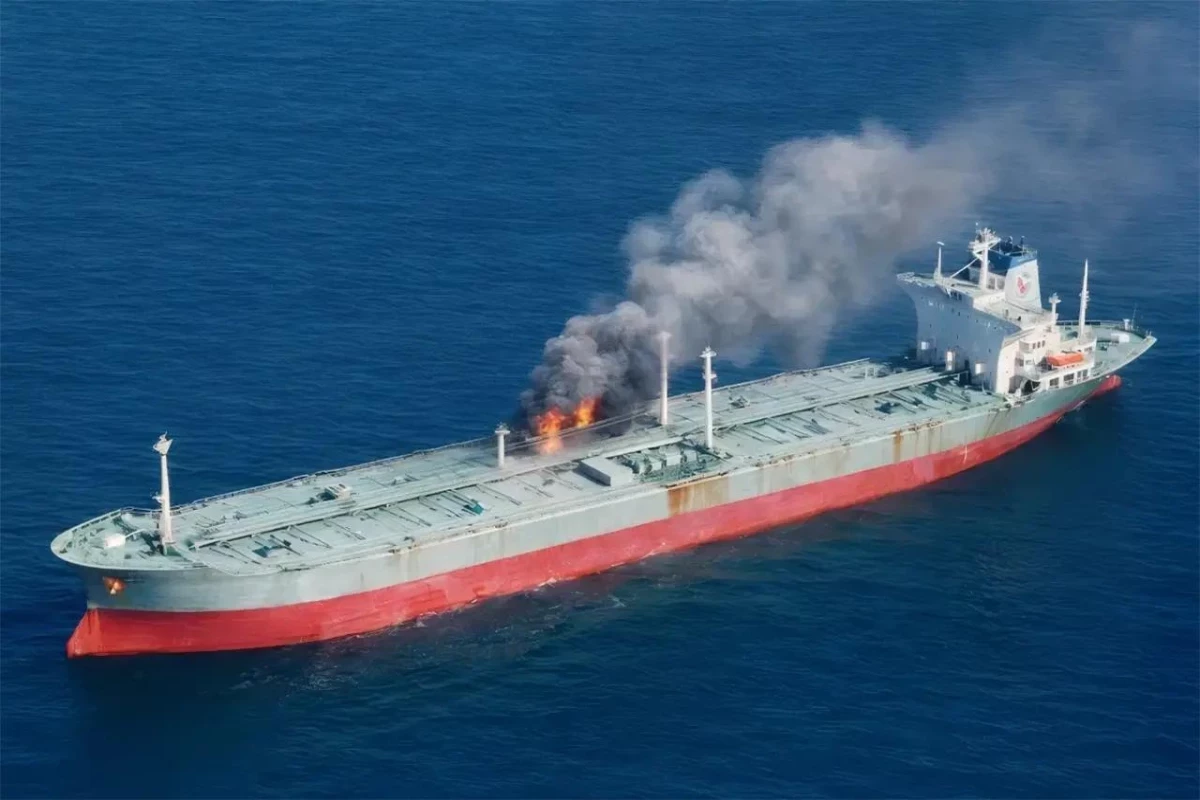
He blamed the U.S. for the collapse of the ceasefire agreement known as the "memorandum of understanding," or MOU, over the summer, after Iran targeted commercial shipping vessels and the U.S. responded by carrying out attacks on Iran.
The U.S. has insisted Iran should not control the waterways entering the Strait of Hormuz, including those that pass Omani territory, or charge tolls for ships that pass through. Iran has demanded that ships seek permission and follow an Iranian-approved shipping route.
"If they operate according to that framework, I think all of us will abide by it," he said of the original U.S.-Iran agreement.


 Follow us on Telegram
 t.me/apanewsaz
 Follow us on Instagram
 Follow us on TikTok
 Follow us on Facebook
 Follow us on X