










Baku-APA. Filippo Grandi, commissioner general of the UN Relief and Works Agency (UNRWA), said here Friday that the international community must remember the challenges faced by Palestinian refugees as Israel and Palestine attempt to resolve their political differences, APA reports quoting Xinhua.
"My appeal is, difficult as it may be at this point, not to forget that it is important to continue to focus also on the human aspects or the human consequences of this long and unresolved conflict -- the Palestinian and Israeli conflict, one of which and perhaps the most visible and most sizable is the continued presence of refugees and the continued lack of solution for the refugee question," Grandi said.
Grandi’s statement came as he briefed reporters on the activities of UNRWA and the difficulties that the agency faces in carrying out its work.
UNRWA is in charge of assisting around 5 million Palestinian refugees in the Occupied Palestinian Territories as well as Lebanon, Syria and Jordan. The organization, active since 1950, provides support to registered refugees in the sectors of health, education, shelter, emergency relief, infrastructure, and economic development.
Grandi said that helping refugees in Gaza Strip is a "very crucial" challenge for UNRWA.
"Our responsibilities there are large and proportionately very large as well, because we are responsible for providing services to the majority of the population," he said.
The continuing blockade of Gaza by Israel, said Grandi, has generated "an economic depression" that has made the lives of the Palestinian refugees there even more challenging.
Israel began a blockade of Gaza in 2007, after Hamas took over the area. The blockade, which was eased to a degree in 2010, has prevented exports to Israel and the West Bank, stifling what Grandi said used to be a "rather vibrant private sector" in Gaza.
Grandi explained the UNRWA has recently had trouble obtaining approval from Israel to build in Gaza.
"Unfortunately, since the middle of last year, no more projects of UNRWA have been approved for implementation," he said. "So we hope, and we have said this many times to our Israeli interlocutors, we hope that that situation of no approval will be soon overcome and that we will be able again to receive positive responses to our requests to build schools and build houses because these are the two key projects that need to be carried out in Gaza by UNRWA."
While understanding the complexity of the ongoing political situation, Grandi said, he also believes that humanitarian needs of Palestinian refugees should not be "held hostage by politics."
"People need to have houses, children need to go to school," said the commissioner general. "I think there is quite a lot of understanding on the part of our Israeli interlocutors, it is important that at the decision-making level this is also understood and responded to very positively."
Grandi cited other difficulties in helping Palestinian refugees outside the occupied territories, specifically in Lebanon and Syria.
In Lebanon, according to Grandi, legislative measures expanding the right to work for Palestinian refugees, passed more than a year ago, should be put into force.
"It is essential that those legislative amendments be implemented," he said. "They have not yet been implemented, partially because of the successive political transitions in Lebanon that have somehow slowed down the action of government. But we believe and I have said so to the prime minister whom I met just a few days ago, we believe that the time has come to implement those measures."
In Syria, where there are also many Palestinian refugees, the recent conflict between rebels and those loyal to the regime of President Bashar al-Assad has posed challenges to UNRWA operations.
Grandi said that, like many other UN officials, he is calling for "continued access" to those who need humanitarian assistance in Syria, including Palestinian refugees, whose neutrality in the Syrian conflict, he said, must be respected.
According to Grandi, UNRWA needs resources and welcomes participation from emerging economies, such as the BRIC (Brazil, Russia, India and China) countries in contributing to UNRWA’s projects.
"It is very, very important that although traditional donors -- Western countries, North America, Europe, Japan, Australia -- continue to form the bulk of our voluntary contributions, we do hope, and this is my strong appeal today, we hope that other countries will step up to the plate and participate, share the burden of this important effort which is important as I said, for the stability of the region and beyond and more than anything else, important for the almost five million people that deserve attention," he explained.
Grandi said that the core budget of UNRWA is currently facing a projected 2012 shortfall of around 75 million U.S. dollars.
"We need that money that has not been pledged by any donor at the moment to finish the year and to be able to keep the schools running and the health clinics running," he said. "We are talking to a number of donors of course, but it is a strong appeal that I am making today for that hole, for that gap to be filled."
Grandi added that there are many funding opportunities available through UNRWA, like building a carbon zero green school for children in Gaza or supporting UNRWA’s Summer Games, a six- week recreational and athletic program for Gaza youths.
Head of UN agency calls for focus on human consequences of Palestine-Israel conflict

 10 March 2012 00:34 (UTC +04:00)


 İDMAN XƏBƏR
 Follow us on Telegram
 t.me/apanewsaz
 Follow us on Instagram
 Follow us on TikTok
 Follow us on Facebook
 Follow us on X
Asia
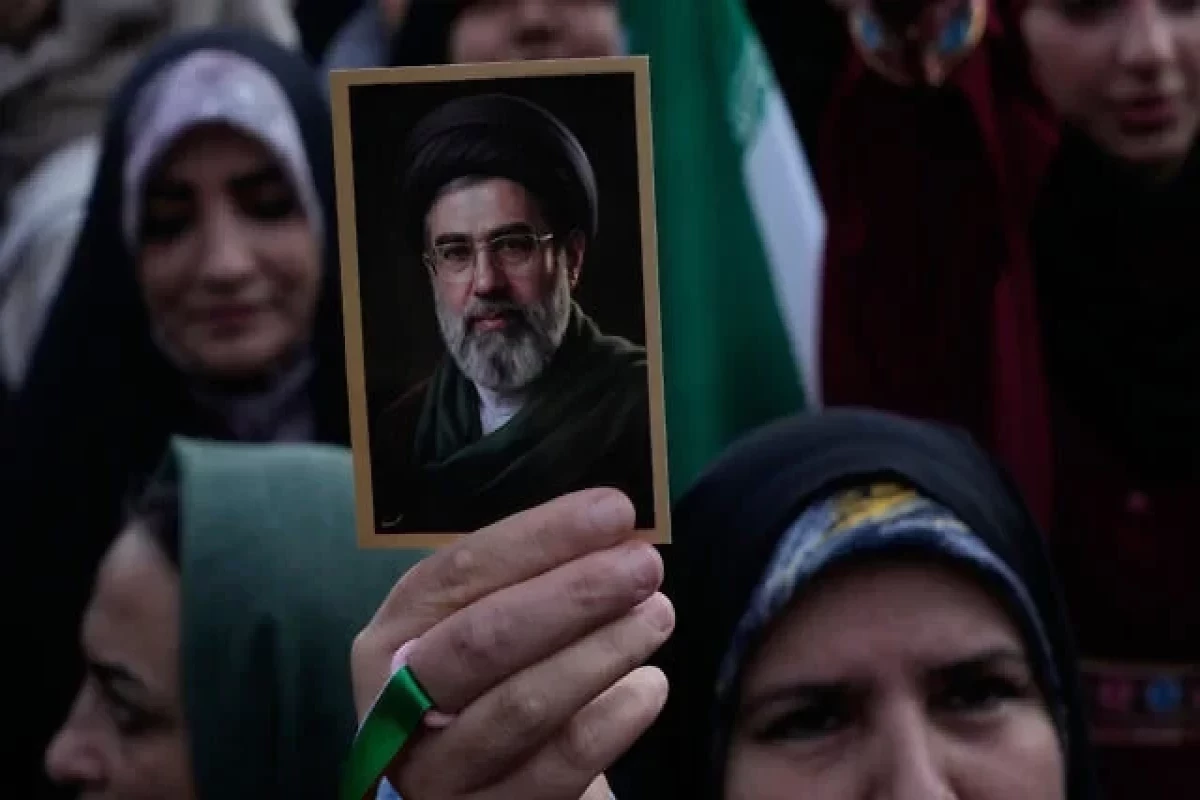
Mojtaba Khamenei won't attend father's funeral: Iran Supreme Leader's aide
18:24
 2 July 2026
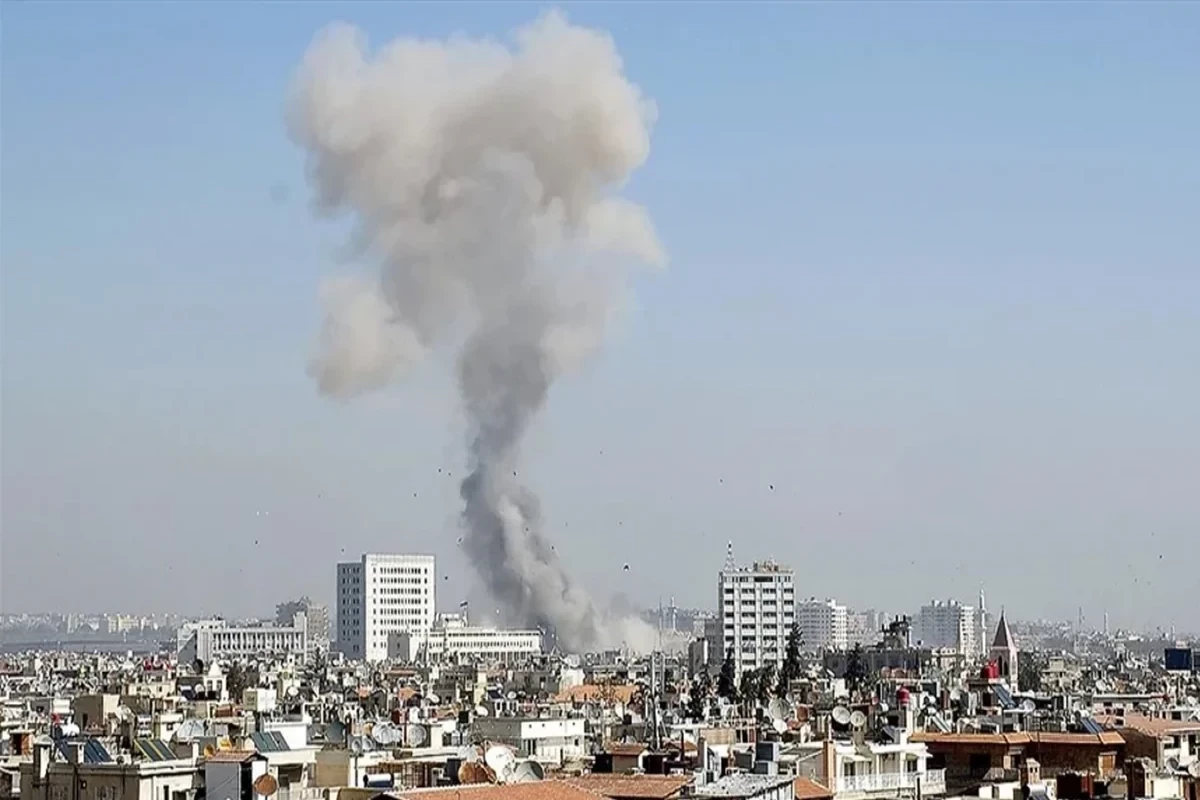
Damascus cafe blast kills five, wounds 16, Syrian state news agency says - UPDATED -1
17:34
2 July 2026
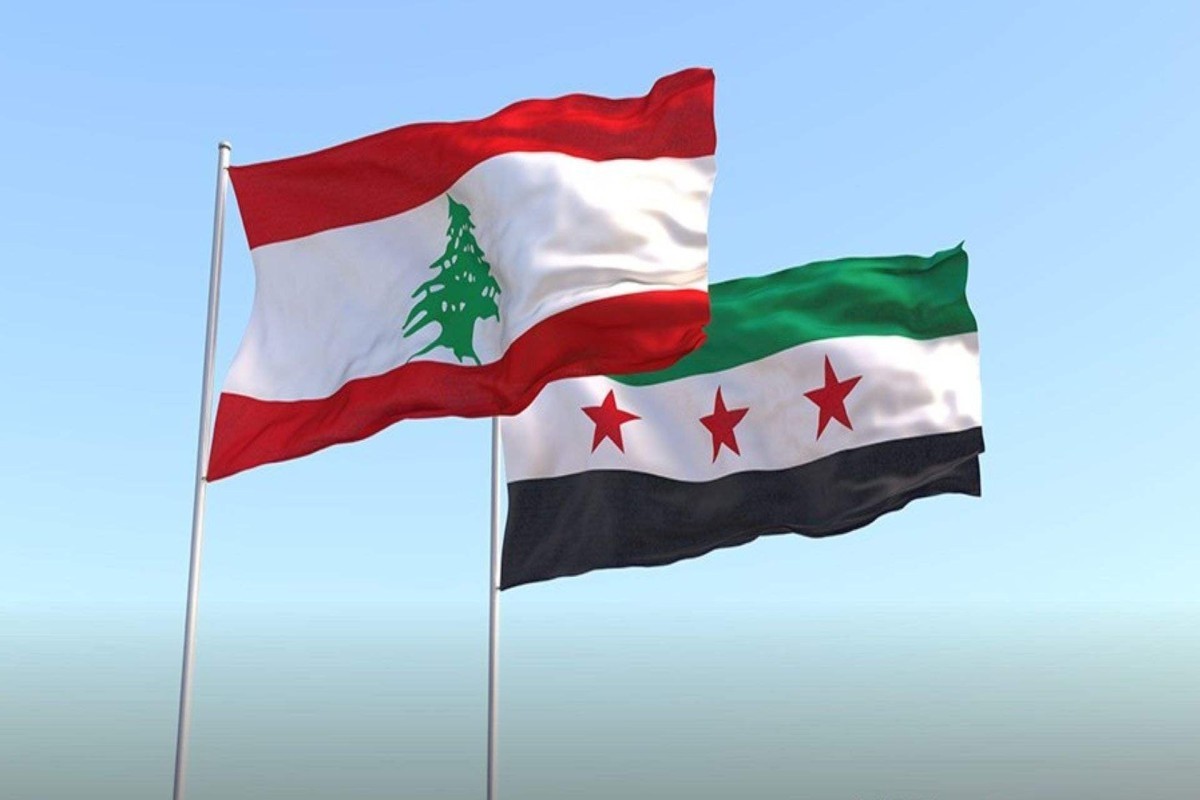
Lebanon, Syria sign agreement to establish joint higher committee
17:08
2 July 2026

Trump: The U.S. spends more on NATO than anyone else but gets nothing in return
16:35
2 July 2026

NEWS FEED
Zelenskyy: Russia will face a response for its latest attack on Kyiv
18:41
2 July 2026
Armenia to restore railway lines to Nakhchivan and Türkiye
18:35
2 July 2026
Mojtaba Khamenei won't attend father's funeral: Iran Supreme Leader's aide
18:24
2 July 2026
Pashinyan: Armenia does not plan to unilaterally terminate railway management deal with Russia
18:14
2 July 2026
DRC exceeds 1,400 cases of Ebola in the latest outbreak and already nears 440 deaths
18:07
2 July 2026
Pashinyan: Work underway to open highway from Azerbaijan border to Türkiye for international freight transport
18:04
2 July 2026
FM Bayramov meets with the UN Secretary-General's Special Envoy for Road Safety
18:03
2 July 2026
President of Uzbekistan arrives on state visit to Georgia
17:47
2 July 2026
Türkiye and Azerbaijan discuss electricity transmission opportunities
17:38
2 July 2026
Commander of Azerbaijan Air Force on official visit to Türkiye
17:38
2 July 2026
Damascus cafe blast kills five, wounds 16, Syrian state news agency says - UPDATED -1
17:34
2 July 2026
Azerbaijan and Türkiye discuss military cooperation
17:34
2 July 2026
Pashinyan: EU introduces tariff-free regime for a number of products exported from Armenia
17:29
2 July 2026
Lebanon, Syria sign agreement to establish joint higher committee
17:08
2 July 2026
German defense minister says Ukraine conflict enters 'decisive phase'
17:07
2 July 2026
Death toll from Russia's massive strikes on Kyiv rises to 20 - PHOTO - UPDATED 4
17:05
2 July 2026
Trump: The U.S. spends more on NATO than anyone else but gets nothing in return
16:35
2 July 2026
Iran warns US, Israel against attacks ahead of funeral processions for Khamenei
16:20
2 July 2026
Hamas says it executed a man who collaborated with Israel
16:18
2 July 2026
Al Arabiya: Next round of indirect US-Iran talks to be held on July 18
16:09
2 July 2026
BTC operatorship transferred to SOCAR
16:04
2 July 2026
Turkish National Defense University delegation discusses advancement of cooperation in military education
15:51
2 July 2026
Baku Olympic Stadium lit up in U.S. flag colors ahead of Independence Day
15:28
2 July 2026
Drone threat declared in Moscow region
15:24
2 July 2026
Magnitude 5.3 earthquake strikes the Mediterranean Sea
15:23
2 July 2026
Eight Thai monks killed after 11-year-old drives truck into procession
14:57
2 July 2026
Iran warns oil tankers to use approved routes in Strait of Hormuz or face a ‘forceful response’
14:47
2 July 2026
Pashinyan: Expanding energy cooperation with Türkiye and Azerbaijan is important
14:36
2 July 2026
Greek ruling party calls for protests after firebomb kills candidate's mother
14:30
2 July 2026
Armenia parliament speaker Alen Simonyan to not take mandate, not be in new legislature
13:51
2 July 2026
Pashinyan: Yerevan will continue dialogue with Moscow and its course toward EU integration
13:47
2 July 2026
Türkiye presents Turkic World Civil Society Support System project - PHOTO
13:46
2 July 2026
Poland detains two men suspected of spying for Belarus
13:43
2 July 2026
Leyla Aliyeva attends opening of regional branch of Stray Animal Care Center in Yevlakh - PHOTO
13:28
2 July 2026
Kremlin: Gerasimov reports results of massive strikes on military targets in Kyiv to Putin
13:18
2 July 2026
Tajik man accused of spying on Israel for Iran
13:13
2 July 2026
ADB: Expanding electric transport could bring Azerbaijan $18 mln annually
13:01
2 July 2026
Russian forces strike plant producing Flamingo missile systems in Kyiv
12:57
2 July 2026
Modernized neighborhood in Yevlakh inaugurated with participation of Leyla Aliyeva - PHOTO
12:48
2 July 2026
Leyla Aliyeva meets “Young Beekeeper” project participant in Yevlakh - PHOTO
12:46
2 July 2026
EU chief on Armenia's normalization with Azerbaijan and Türkiye: The reward will be very great
12:43
2 July 2026
Leyla Aliyeva visits Juma Mosque in Yevlakh
12:42
2 July 2026
Leyla Aliyeva attends opening of new school building in Yevlakh
12:37
2 July 2026
Azerbaijan presents report on Armed Forces' peacekeeping operations - PHOTO
12:36
2 July 2026
BSTDB financing for SOCAR Trading reaches $70 million
12:34
2 July 2026
Security Council: Azerbaijan's future role in peacekeeping missions should be planned now
12:27
2 July 2026
Ursula von der Leyen: EU to provide an additional €18 million in aid to Armenia
12:25
2 July 2026
SOCAR delivers Uzbek-produced naphtha to international markets via the Black Sea
12:16
2 July 2026
Russian Embassy in Sweden targeted in drone attack
12:09
2 July 2026
AIR Center: Azerbaijan's middle power status is the result of a long-term process
11:38
2 July 2026


