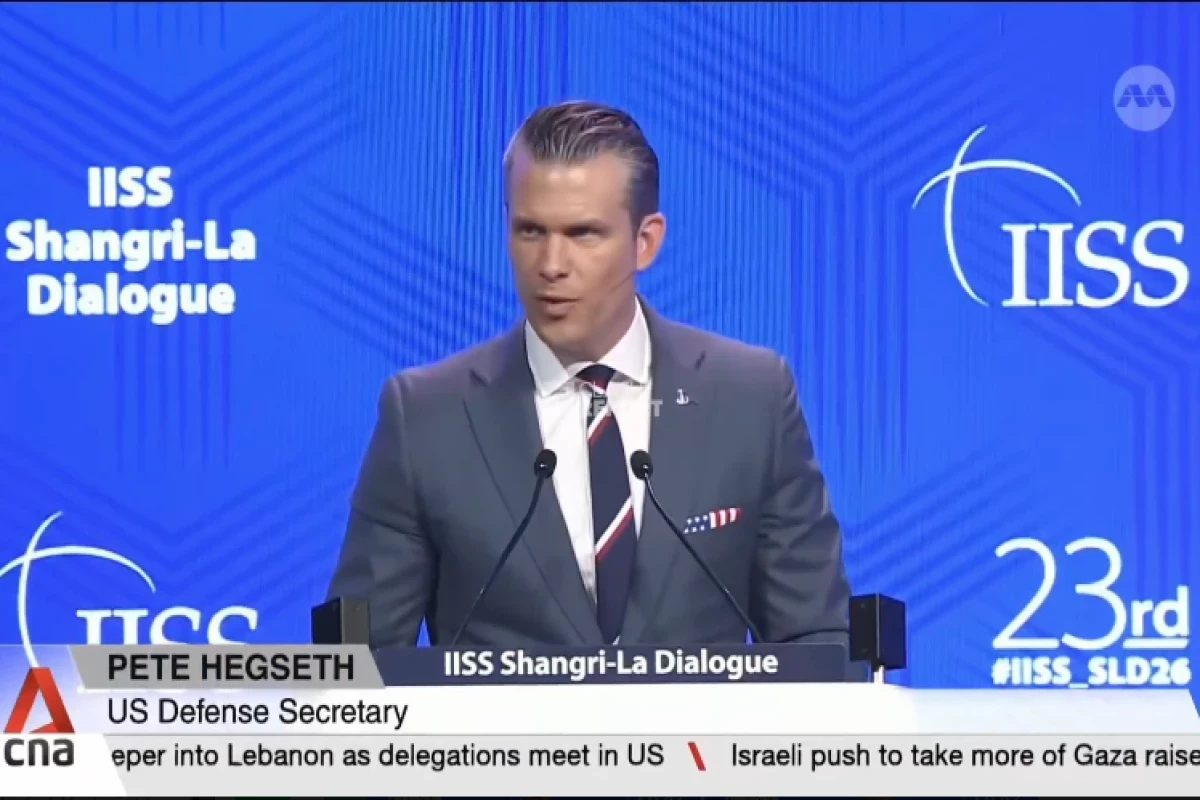


U.S. Defense Secretary Pete Hegseth assured Pacific allies on Saturday that Washington remained committed to the region, but toned down previous comments calling China a threat, ABC News reports.
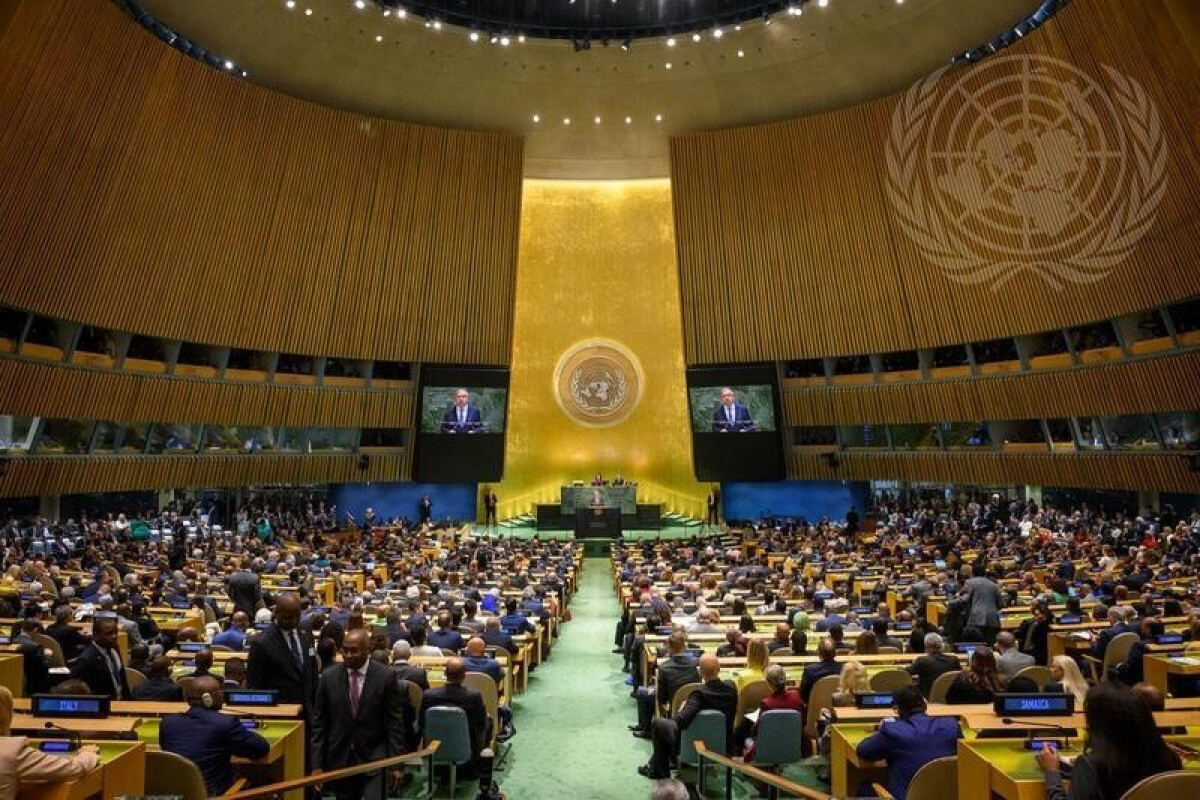
Speaking to a group of world leaders, diplomats and top security officials at the Shangri-La defense conference in Singapore, Hegseth said that the region “has profound implications for U.S. security and prosperity” and that Washington's priority was to “achieve a lasting and favorable balance of power in the Pacific.”
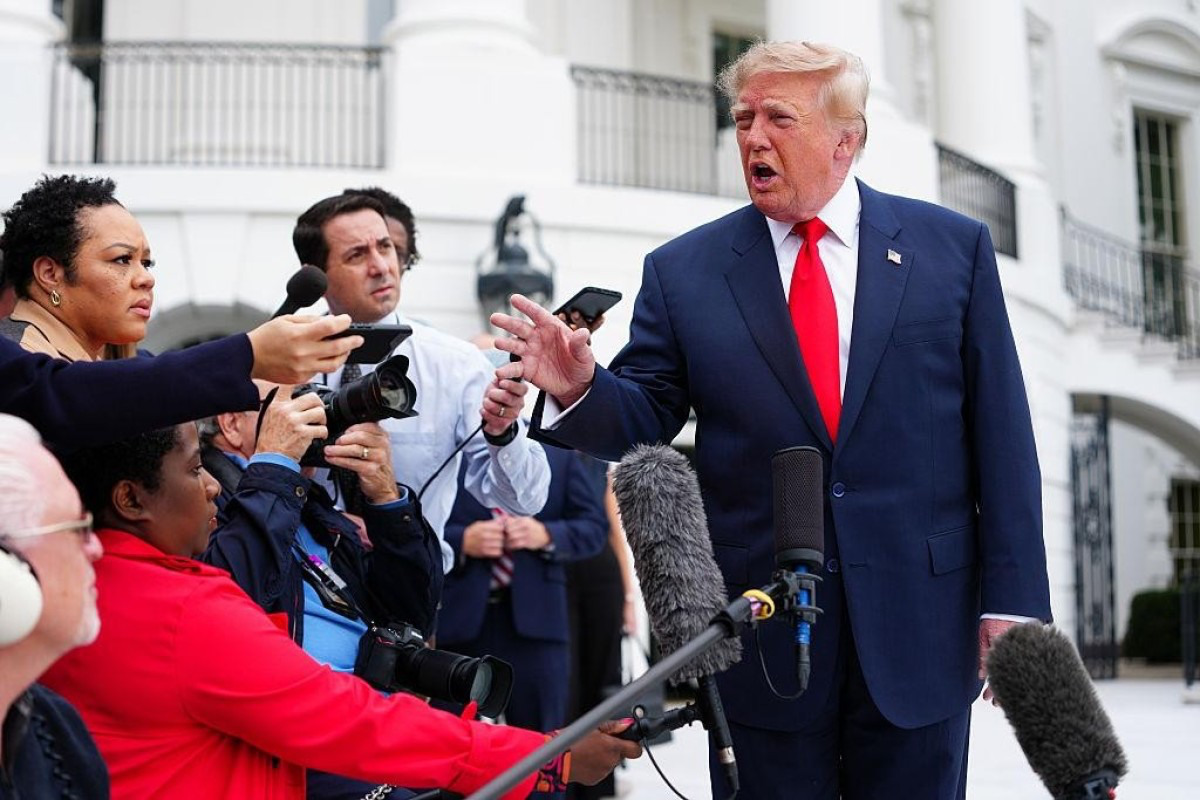
Hegseth, who was with Trump in Beijing, said the two leaders had agreed that China and the U.S. should “build a constructive relationship of strategic stability, based on fairness and reciprocity, reaffirming that while our nations will vigorously protect our respective interests, we can secure practical, mutually beneficial agreements where our interests align.” However, he said it was still an American priority to ensure that China is not allowed to dominate the Indo-Pacific.
“There is rightful alarm regarding China’s historic military buildup and the expansion of its military activities in the region and beyond,” he said. "We share a clear-eyed assessment of that security environment and a mutual understanding that a Pacific dominated by any hegemon would unravel the regional balance of power and undermine the equilibrium we all seek to preserve.”
Hegseth told the forum that there was “no change in our status” toward Taiwan, but would not comment on the arms deal. “Any decision about future Taiwan arms sales, as the president said, will rest with him,” he said. He underscored the Trump administration's insistence that allies increase defense spending, saying “we need partners, not protectorates.”
He lauded several countries in Asia for their efforts, while reiterating criticism of European allies, without naming names, who he suggested got “distracted by empty globalist rhetoric about the rules-based international order. Our partners in Asia have long understood that the bedrock of a durable partnership is not based on idealistic values but on the concrete alignment of national interests. When our interests diverge, we adjust pragmatically, without the drama or the moralizing,” he added. “I think Western Europe might take note — this is a mindset we fully embrace.”


 Follow us on Telegram
 t.me/apanewsaz
 Follow us on Instagram
 Follow us on TikTok
 Follow us on Facebook
 Follow us on X